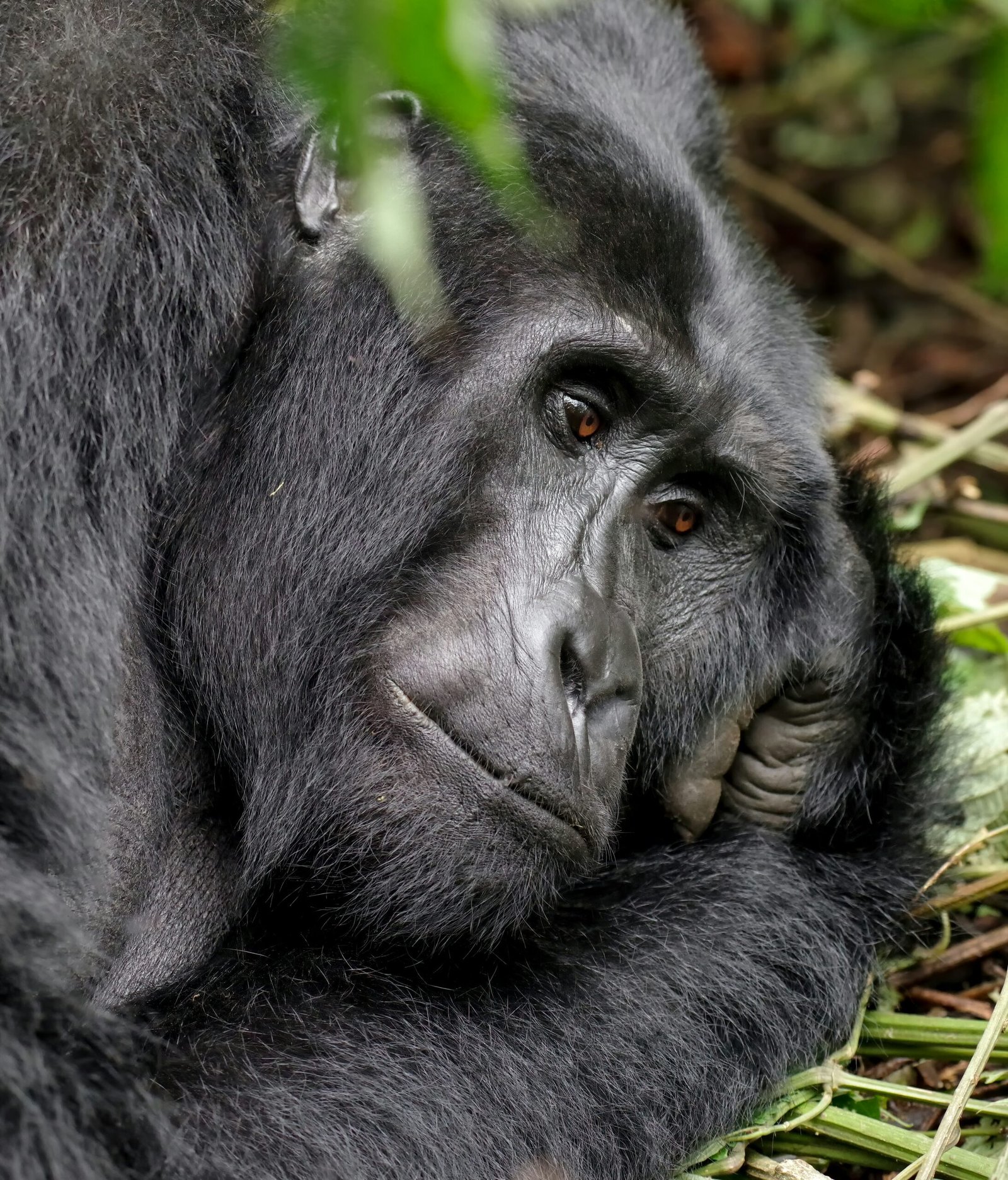
A silverback gorilla looking you in the eye from just a few metres away, misty volcanoes rising above bamboo forests, emerald tea plantations rolling over the hills, a calm lake with sandy beaches and fishermen singing at dusk, and a clean, safe capital full of energy: Rwanda is one of the most rewarding countries in Africa.
Known as the Land of a Thousand Hills, this small country in East Africa is green almost everywhere you look. In one trip, you can trek to see endangered mountain gorillas, walk above the rainforest canopy, spot lions and giraffes on safari and relax on the shores of Lake Kivu.
Rwanda is also one of the safest and best-organised countries on the continent. The gorilla permit is a big splurge, there’s no way around it. But almost everything else, from local food and guesthouses to buses and boat trips, is very affordable. This guide shows you how to plan a trip that’s worth every cent.
Rwanda at a Glance
- Where: in East Africa, bordering Uganda, Tanzania, Burundi and the Democratic Republic of the Congo
- Main airport: Kigali International Airport (KGL), about 20 minutes from the city centre
- Currency: Rwandan franc (RWF). US dollars are used for permits and many tours
- Entry: many nationalities can get a visa on arrival or apply online before they travel. Check the current rules for your passport
- Languages: Kinyarwanda, English, French and Swahili
- Best time: June to September, the long dry season
- Budget: around $60 to $90 a day for budget travellers, $150 to $250 for a comfortable mid-range trip, not counting the gorilla permit
When to Go
June to September is the long dry season and the best time for gorilla trekking. The trails in the mountains are less muddy, the skies are often clear and wildlife is easier to see in Akagera, where animals gather around the water.
December to February is a shorter dry season and another great time to visit, with green landscapes and fewer visitors.
March to May and October to November are the rainy seasons. Showers are often heavy, and the forest trails become slippery, but the country is at its greenest and some lodges offer lower prices. Gorilla trekking runs all year.
Our tip: visit in late June or early September for dry trails and fewer visitors than in July and August. Book your gorilla permit several months in advance.
How Long Do You Need?
Plan at least ten days. That gives you two days in Kigali, three days around Volcanoes National Park for the gorillas and golden monkeys, three days on Lake Kivu and two days in Nyungwe or Akagera. With two weeks, you can visit both parks and travel the whole country in a loop.
Getting Around
Rwanda is small, and the roads are good:
- Buses: comfortable express buses connect Kigali with Musanze, Rubavu, Karongi and Huye. They’re cheap, safe and reliable
- Moto taxis: the fastest way around towns. Drivers carry a spare helmet for passengers, and you should always wear it
- Car with driver: the most popular choice for visiting the national parks, as many park roads are rough and public transport doesn’t reach them
- Boats on Lake Kivu: boats connect the lake towns and take you to the islands
Things to Do in Rwanda
Here are the experiences we think are worth your time and money.
1. Trek to the Mountain Gorillas
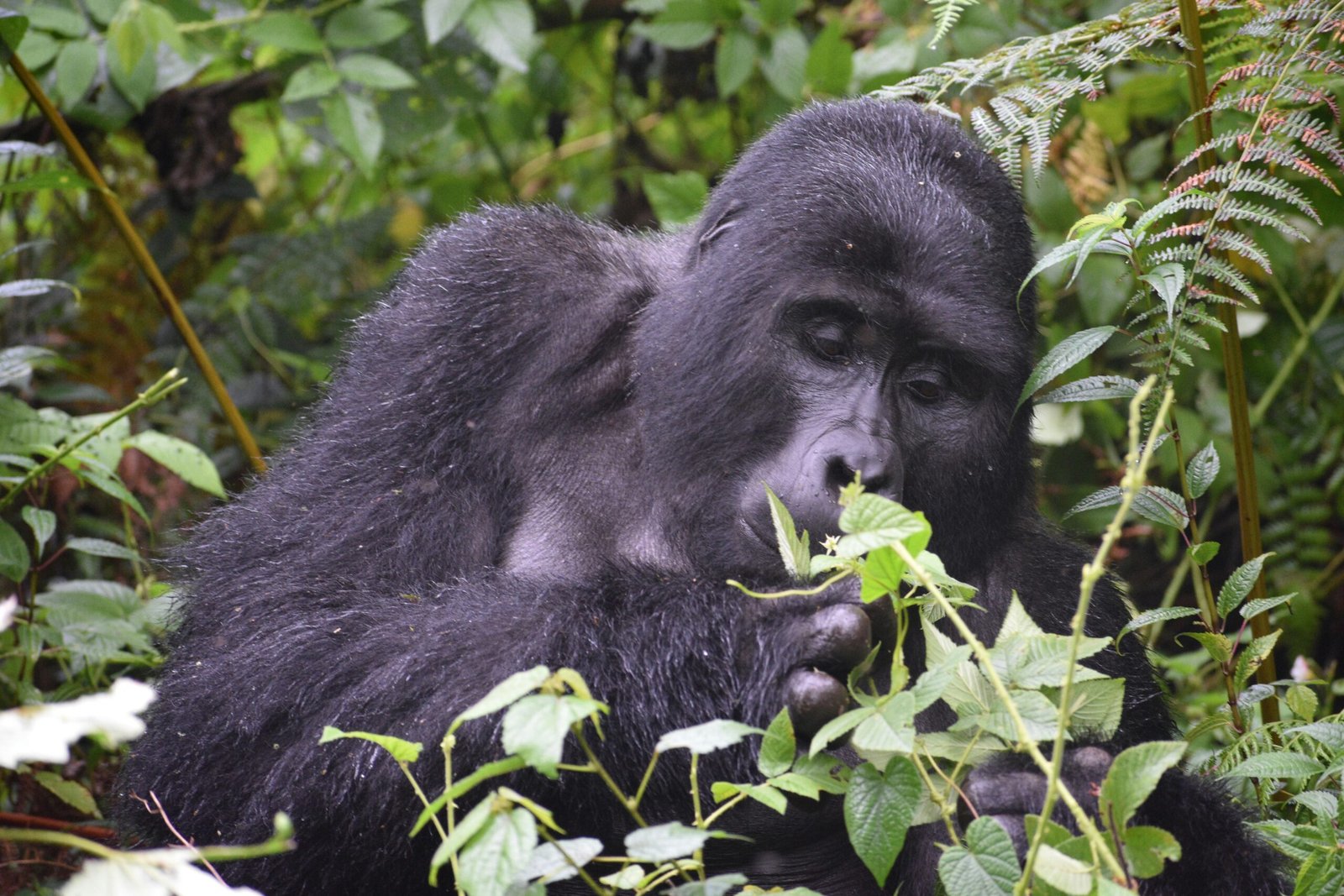
Seeing mountain gorillas in the wild is one of the most moving wildlife experiences in the world. Only around a thousand remain on earth, and many of them live in the bamboo forests of Volcanoes National Park, about two to three hours’ drive from Kigali.
Treks start early in the morning from park headquarters near Kinigi, where you’re assigned to a gorilla family. Depending on where the family is, the hike can take from one to several hours through steep, muddy forest. When you find them, you spend one magical hour watching the gorillas eat, play and rest.
The permit is expensive, currently around $1,500 per person, but much of the money goes to conservation and local communities, and it’s the reason the gorilla population is growing again. Bring gloves, long sleeves and good boots.
2. Track the Golden Monkeys
In the same park, the playful golden monkeys live in the bamboo forest on the slopes of the volcanoes. Their bright orange fur makes them easy to spot as they jump between the branches.
Golden monkey trekking costs a fraction of the gorilla permit and is usually shorter and easier. It’s a great option if your budget doesn’t allow gorillas, or a perfect second day in the park if it does.
3. Hike to Dian Fossey’s Grave
The American scientist Dian Fossey spent almost 20 years studying the mountain gorillas here, and her work helped save them. A demanding hike through the forest on the slopes of Mount Bisoke leads to her old research camp, Karisoke.
Here, you’ll find her grave next to the graves of the gorillas she loved, including the famous Digit. It’s a quiet and emotional place, and a reminder of how close these animals came to disappearing.
4. Relax on the Shores of Lake Kivu
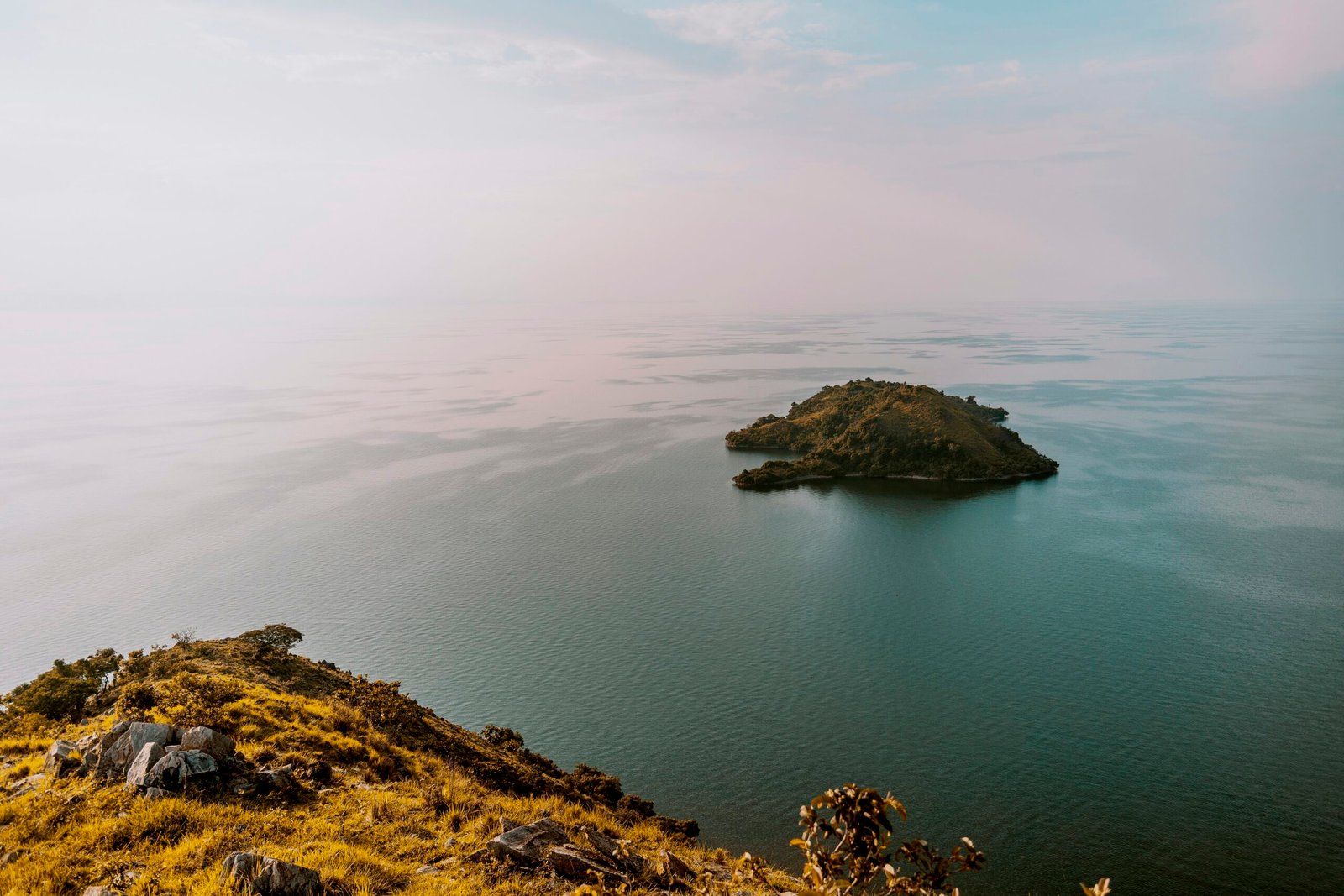
On the western border, Lake Kivu is one of the great lakes of Africa and the perfect place to relax after the mountains. Steep green hills drop into deep blue water, dotted with small islands.
Stay in Rubavu, also called Gisenyi, which has sandy beaches and a lively waterfront, or in Karongi, also called Kibuye, which is quieter and has beautiful views. Take a boat trip to the islands, swim in the lake, which is free of crocodiles and hippos, and listen in the evening as the fishermen sing while paddling out in their canoes.
5. Walk or Cycle the Congo Nile Trail
The Congo Nile Trail follows the shore of Lake Kivu for over 200 km, from Rubavu in the north to Rusizi in the south. It winds through villages, banana plantations, coffee farms and tea fields, with constant views of the lake.
You don’t have to do the whole trail. Many travellers hike or cycle a section of one to three days, staying in simple guesthouses along the way. Visit a coffee washing station to see how Rwanda’s famous coffee is made.
6. Walk Above the Rainforest in Nyungwe
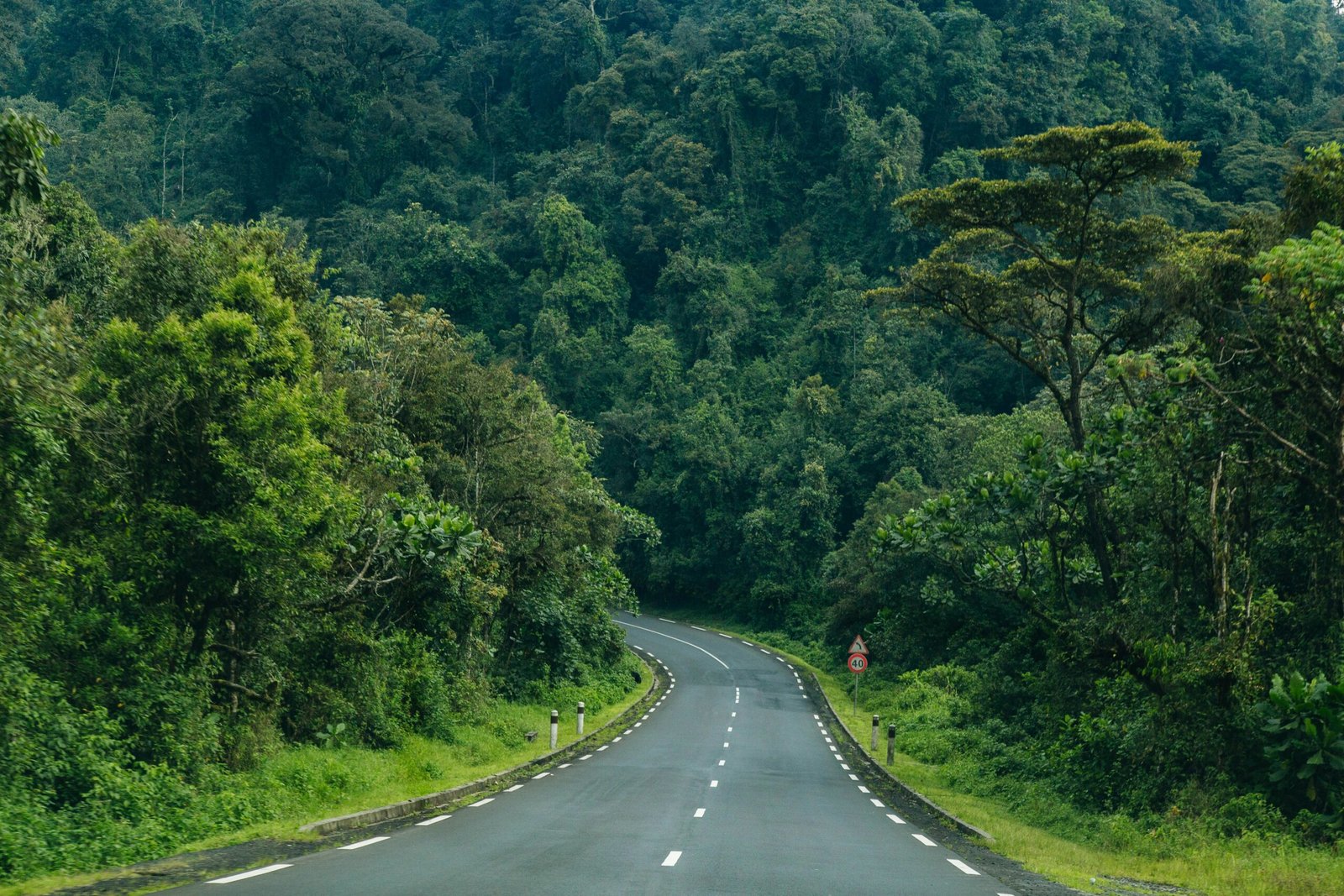
In the southwest, Nyungwe National Park is one of the oldest rainforests in Africa. Its highlight is the canopy walkway, a suspension bridge hanging high above the treetops, with views over endless green hills.
Nyungwe is home to 13 species of primates. Join an early morning trek to see chimpanzees, or look for large groups of black-and-white colobus monkeys. Just outside the park, the bright green Gisakura tea plantations are beautiful for a walk.
7. Go on Safari in Akagera National Park
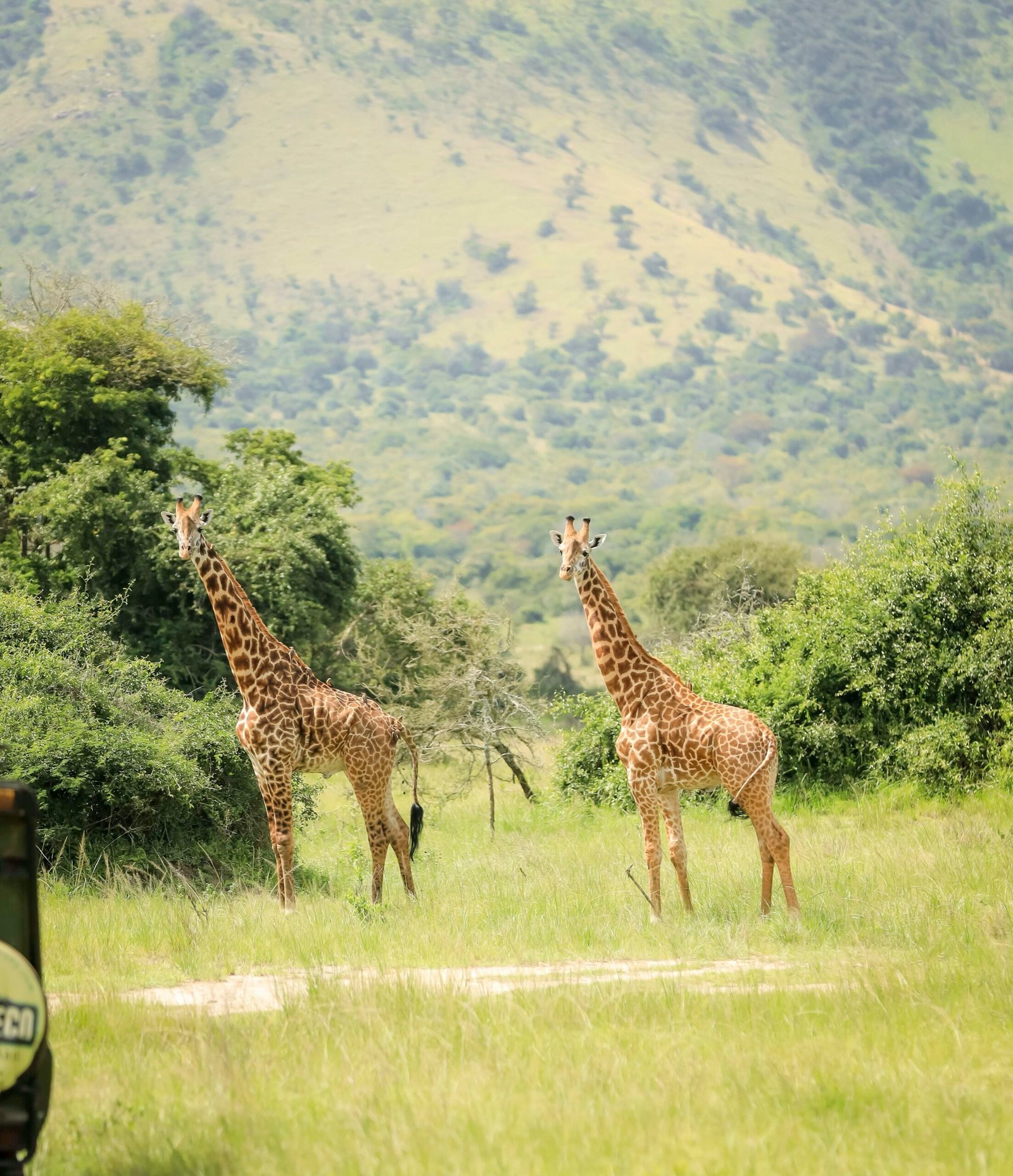
In the east, Akagera National Park is Rwanda’s savanna, with grassy plains, wetlands and lakes. Thanks to a successful conservation project, it’s now home to the Big Five: lions, leopards, elephants, buffalo and rhinos.
Explore the park on a game drive in your own vehicle or with a guide, and don’t miss a boat trip on Lake Ihema, where you’ll see hippos, crocodiles and many water birds. Akagera is an easy day trip from Kigali, but staying overnight lets you enjoy the early mornings, when the animals are most active.
8. Visit the Kigali Genocide Memorial
To understand Rwanda today, you need to learn about its past. In 1994, around a million people were killed in about 100 days during the genocide against the Tutsi.
The Kigali Genocide Memorial tells this story in a powerful and respectful way, and more than 250,000 victims are buried in its gardens. Entry is free, though donations are welcome. It’s an emotional visit, so plan a quiet afternoon afterwards.
9. Explore Kigali
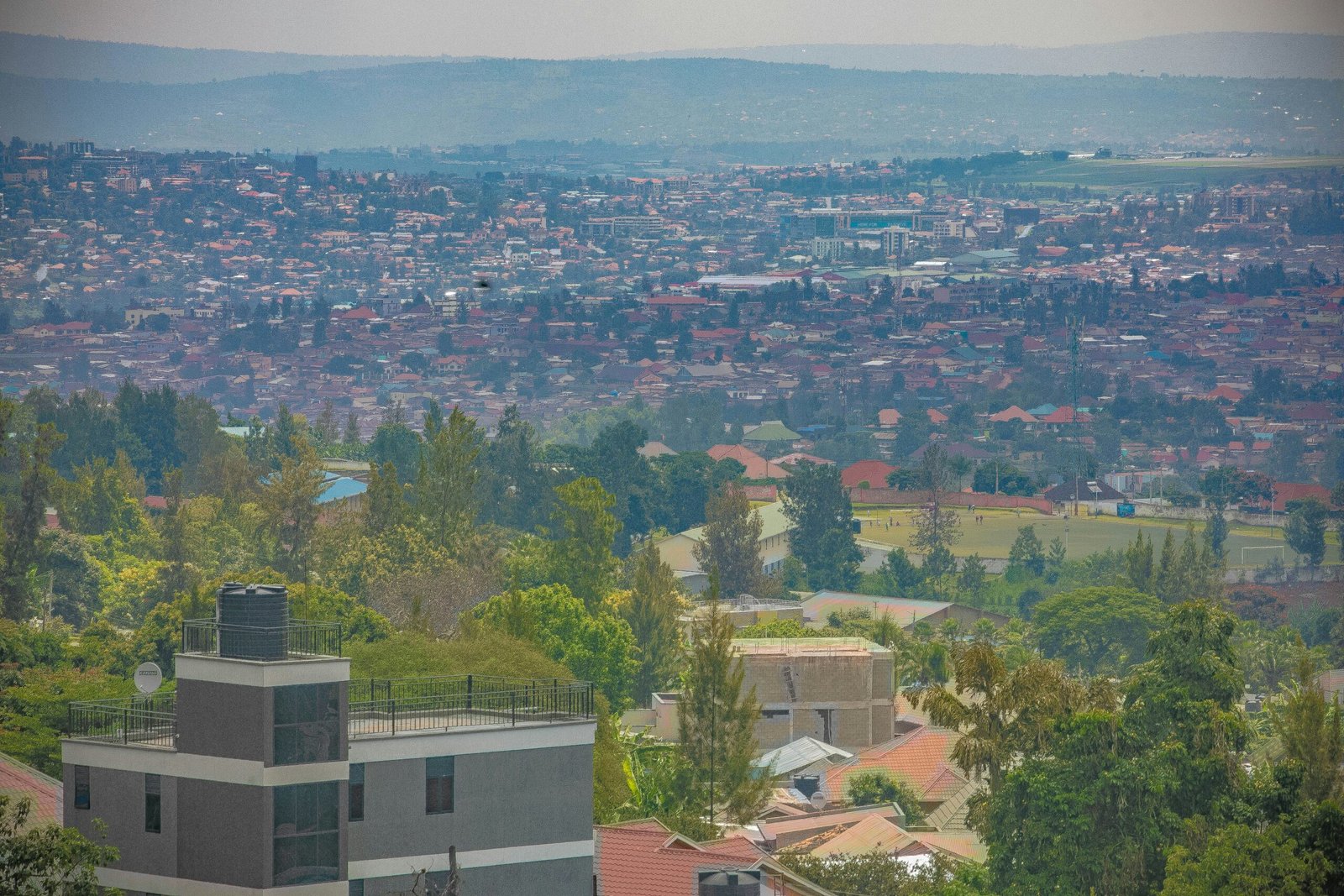
Kigali is one of the cleanest and safest capitals in Africa, spread across green hills. Plastic bags are banned, and the streets are lined with flowers and trees.
Walk through the colourful neighbourhood of Nyamirambo on a guided walking tour, shop for fabrics and baskets at Kimironko Market, and enjoy a cup of local coffee in one of the city’s many cafés. In the evening, head to a rooftop bar to watch the city lights spread across the hills.
10. Discover the Twin Lakes
Near Musanze, the twin lakes of Burera and Ruhondo lie between steep, terraced hills with the volcanoes in the background. They’re far from the tourist trail and incredibly peaceful.
Take a canoe trip across the water, walk through the farming villages on the shore, or simply enjoy the views. It’s a perfect half-day trip on a rest day between treks.
Where to Stay on a Budget
Rwanda has options for every budget:
- Guesthouses: simple, clean and affordable, found in every town
- Hostels: a few good hostels in Kigali, Musanze and Rubavu
- Lakeside lodges: good-value hotels on Lake Kivu, many with private beaches or gardens
- Eco-lodges: for a splurge, beautiful lodges near the national parks with views over the volcanoes or forest
Near Volcanoes National Park, staying in Musanze town is much cheaper than in the lodges close to the park entrance.
Eating on a Budget
Rwandan food is simple, fresh and filling:
- Brochettes: grilled skewers of goat, beef or fish, served everywhere
- Isombe: cassava leaves cooked with peanuts or palm oil
- Matoke: cooked green bananas, a staple dish
- Tilapia: fresh fish from the lakes, often grilled whole
- Rwandan coffee and tea: some of the best in Africa
Local restaurants serve a lunch buffet with many dishes at a low price. It’s the cheapest and best way to try Rwandan food.
What It Really Costs
Here’s a realistic daily budget per person for a comfortable mid-range trip, not counting international flights or the gorilla permit.
- Accommodation: $40 to $100 per person, sharing a double room in a good guesthouse or lodge
- Food: $15 to $35 a day, mixing local buffets and restaurants
- Transport: $30 to $70 a day per person, including a car with driver shared by two on park days
- Activities: budget for the highlights separately: the gorilla permit, golden monkey trekking, the Nyungwe canopy walk, chimpanzee tracking and park fees for Akagera
That works out to around $150 to $250 per person per day, plus the gorilla permit. Taking buses, eating at local buffets and staying in guesthouses can bring that down to $60 to $90.
A Sample 10-Day Itinerary
Day 1: Arrive in Kigali and visit the Kigali Genocide Memorial.
Day 2: Nyamirambo walking tour and Kimironko Market, then drive to Musanze.
Day 3: Gorilla trekking in Volcanoes National Park.
Day 4: Golden monkey trekking and a canoe trip on the twin lakes.
Day 5: Drive to Rubavu and relax on Lake Kivu.
Day 6: Boat trip to the islands, or a hike on the Congo Nile Trail.
Day 7: Travel along the lake to Karongi.
Day 8: Drive to Nyungwe and walk through the Gisakura tea plantations.
Day 9: Chimpanzee trek and the canopy walkway.
Day 10: Drive back to Kigali and fly home.
With more time, add two days in Akagera for a safari.
Practical Tips
- Book your gorilla permit early, ideally several months before you travel
- Don’t bring plastic bags, as they are banned and can be confiscated at the airport
- Respect Umuganda: on the last Saturday morning of every month, the country takes part in community work, and many shops and buses stop until midday
- Pack for cool mountains: it can be cold and wet in the parks, even when Kigali is warm
- Carry cash in Rwandan francs for markets and small restaurants
- Ask before taking photos of people, and be respectful at memorial sites
Booking Tips
- Airport transfer: book an airport transfer with Kiwitaxi from Kigali airport to your hotel, with a fixed price and a driver waiting for you
- eSIM: install a Yesim eSIM before you fly, so you have data for maps, bus times and messages to your driver from the moment you land
- Tours: popular options include a Kigali city tour, a day trip to Akagera National Park and a boat trip on Lake Kivu. You can compare and book many of them on Klook. Book your gorilla permit directly through the Rwanda Development Board or a licensed local tour operator
Final Thoughts
Rwanda is a country that changes the way you see Africa. Look into the eyes of a mountain gorilla, walk above the rainforest, spot lions in Akagera, relax on the shores of Lake Kivu and discover a capital that is clean, safe and full of hope.
Travel in the dry season, book your permits early and give yourself time to explore beyond the gorillas. Rwanda will stay in your heart long after you leave.
Prices checked in October 2026. Costs and opening times change, so always confirm before you book.