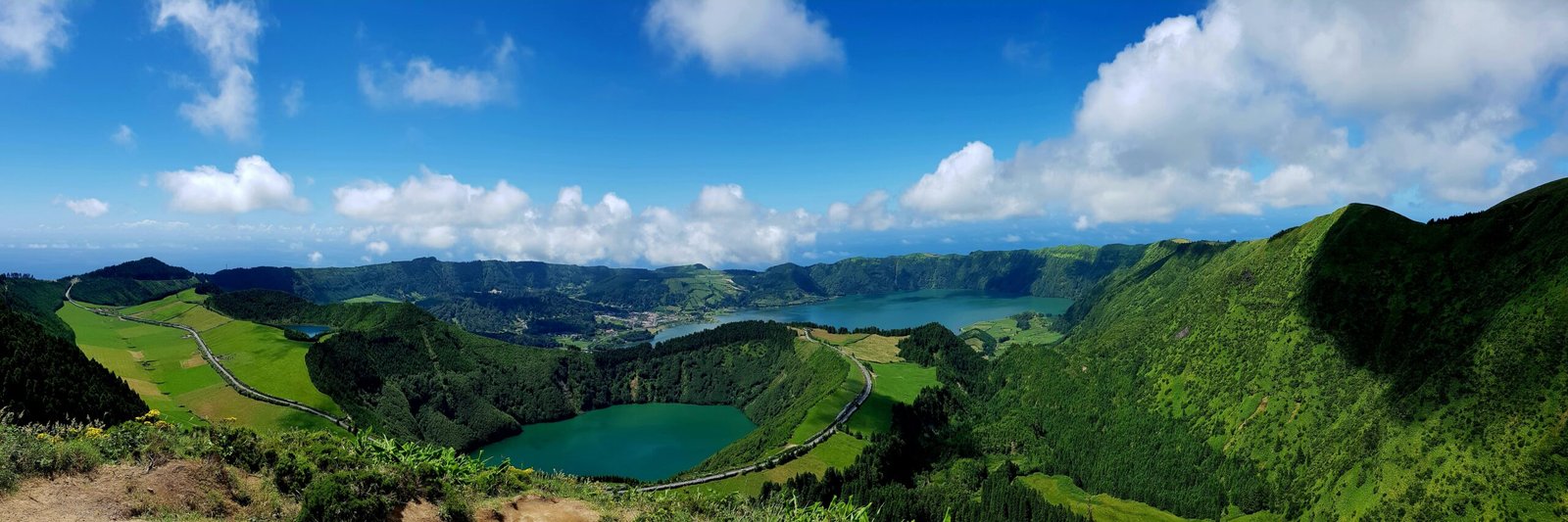
Two crater lakes, one blue and one green, lying side by side in a volcano, whales surfacing just off the coast, hot springs bubbling in the middle of the forest, tea plantations rolling down to the sea and hydrangeas lining every country road: the Azores are Europe’s best-kept secret.
These nine volcanic islands lie in the middle of the Atlantic Ocean, about halfway between Portugal and North America. They belong to Portugal, but they feel like a world of their own, with a green, wild landscape that’s often compared to Hawaii, Iceland and Ireland all at once.
The Azores are also surprisingly affordable. Flights from mainland Portugal are often cheap, the best experiences in nature are free, and with a rental car, a simple guesthouse and hearty local food, you can explore the islands on a real budget. This guide focuses on the main island, São Miguel, with tips for Pico and Faial if you have more time.
The Azores at a Glance
- Where: in the North Atlantic, about 1,400 km west of Lisbon
- Main airport: Ponta Delgada (PDL) on São Miguel, with flights from Lisbon, Porto and several European and North American cities
- Currency: euro (EUR)
- Entry: the Azores are part of Portugal and the Schengen Area. Many non-EU visitors can travel visa-free but will need to register online with ETIAS once it starts. Check the current rules for your passport
- Language: Portuguese. English is widely spoken in tourist areas
- Best time: May to September
- Budget: around €70 to €100 a day for budget travellers, €130 to €200 for a comfortable mid-range trip
When to Go
The Azores have a mild climate all year, rarely very hot or very cold. Temperatures usually range from about 14°C in winter to 25°C in summer. The weather can change quickly, and you can see sun, rain and fog in the same afternoon.
May to September is the best time to visit. The days are long, the sea is warm enough for swimming from July, the hydrangeas bloom from June, and the hiking trails are in good condition. July and August are the busiest months.
April and October are quieter shoulder months, often with good weather and lower prices. Spring is the best season for spotting blue whales as they pass the islands. Winter is mild but rainy and windy, and some boat trips don’t run.
Our tip: visit in June or September for warm days, blooming flowers and fewer crowds than in high summer.
How Long Do You Need?
Plan at least five to seven days for São Miguel. That gives you time for Sete Cidades, Furnas, Lagoa do Fogo, whale watching and a few hikes. With ten days or more, add a second island, such as Pico for its volcano and vineyards, or Faial for its sailing harbour and volcanic landscapes.
Getting Around
- Rental car: the best way to explore São Miguel. Roads are good, distances are short, and you can cross the whole island in about 90 minutes. Book early for summer, as cars sell out
- Buses: connect Ponta Delgada with most towns, but they’re slow and don’t reach many viewpoints and trails
- Between the islands: short flights with Azores Airlines connect all nine islands. In summer, ferries link Pico, Faial and São Jorge, which are close together
- Tours: if you don’t want to drive, join day tours to Sete Cidades or Furnas from Ponta Delgada
Things to Do in the Azores
Here are the experiences we think are worth your time and money.
1. See the Twin Lakes of Sete Cidades
In the west of São Miguel, Sete Cidades is the most famous view in the Azores. Inside a huge volcanic crater lie two lakes, the Lagoa Azul and the Lagoa Verde, one blue and one green, connected by a small bridge.
The classic viewpoint is Miradouro da Vista do Rei, high on the crater rim. For even better views, walk part of the rim trail, where the lakes lie on one side and the ocean on the other. Afterwards, drive down to the village of Sete Cidades on the shore of the lakes, and rent a kayak or bike around the water. Go early, as clouds often cover the crater by midday.
2. Go Whale Watching
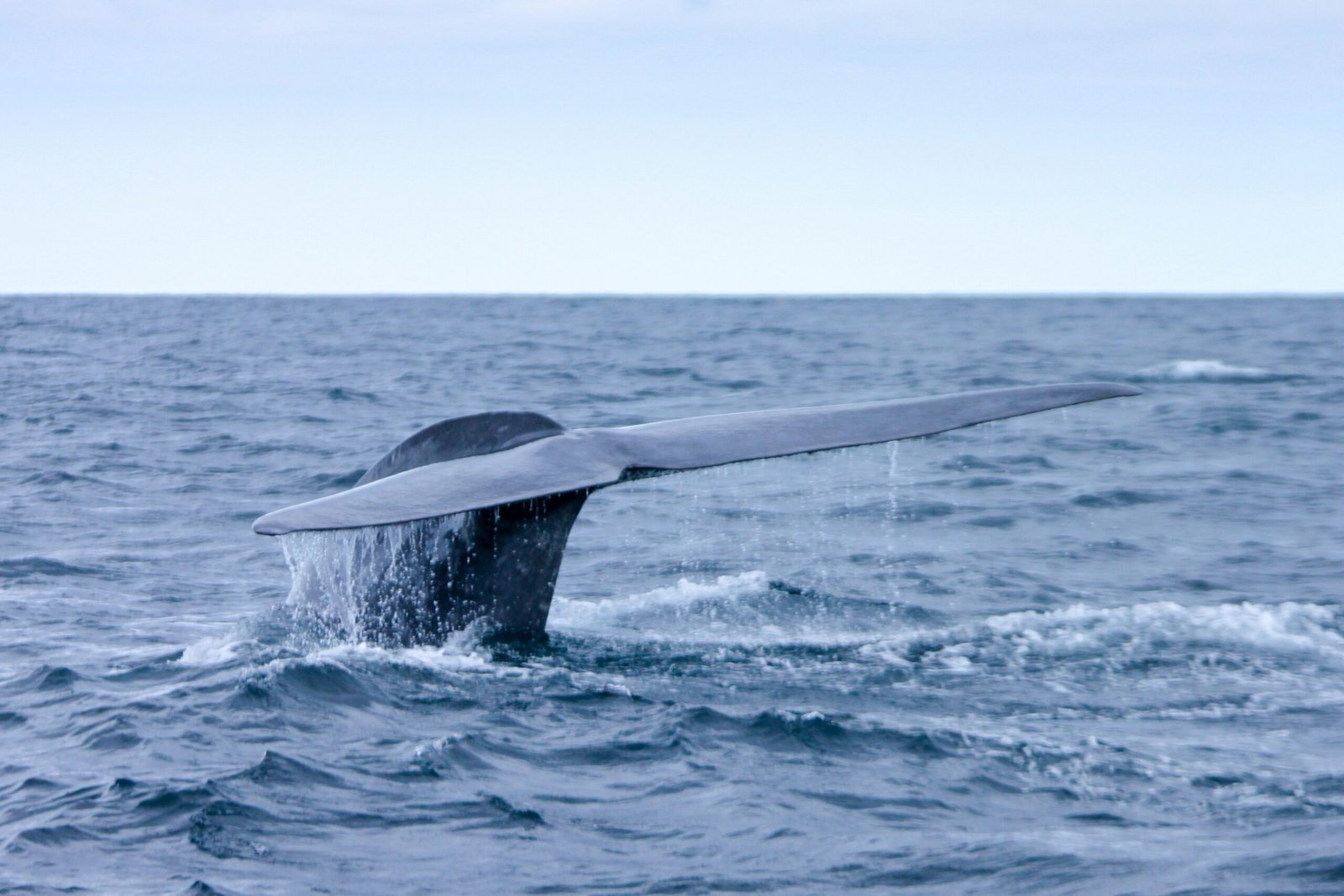
The Azores are one of the best places in the world to see whales. Around a third of all whale and dolphin species have been seen in these waters, and sperm whales live here all year round.
Join a whale watching boat trip from Ponta Delgada. Most trips last around three hours, and many operators work with lookouts on land who spot the whales from cliffs. In spring, you might see blue whales and fin whales passing by, and dolphins are almost guaranteed. Choose an operator that follows the rules for keeping a respectful distance.
3. Soak in the Hot Springs of Furnas
The village of Furnas sits inside an active volcanic valley. Steam rises from the ground, mud pools bubble beside the road and the air smells of sulphur.
Relax in the warm, orange water of the large thermal pool in Terra Nostra Park, a beautiful garden with giant ferns and old trees. For a more local experience, try the small hot pools of Poça da Dona Beija, especially in the evening. Wear an old swimsuit, as the iron-rich water can stain light fabrics.
4. Taste Cozido das Furnas
At Lagoa das Furnas, the lake next to the village, local restaurants cook a famous dish in a very unusual way. Large pots filled with meat, sausages and vegetables are buried in the hot volcanic ground in the morning and slowly cooked for around six hours.
Arrive at the lake in the late morning to watch the cooks dig up the pots, then eat your cozido in one of the restaurants in the village. It’s hearty, delicious and unlike anything you’ll eat anywhere else.
5. Hike to Lagoa do Fogo
In the middle of São Miguel, Lagoa do Fogo, the lake of fire, fills another volcanic crater. Unlike Sete Cidades, there are no villages here, only wild green slopes and a beach of pale sand on the shore.
Stop at the viewpoint on the road for a great view, or hike down to the lake on a steep trail for a quiet picnic. The area is a nature reserve, so stay on the paths and take your rubbish with you.
6. Visit Europe’s Oldest Tea Plantation
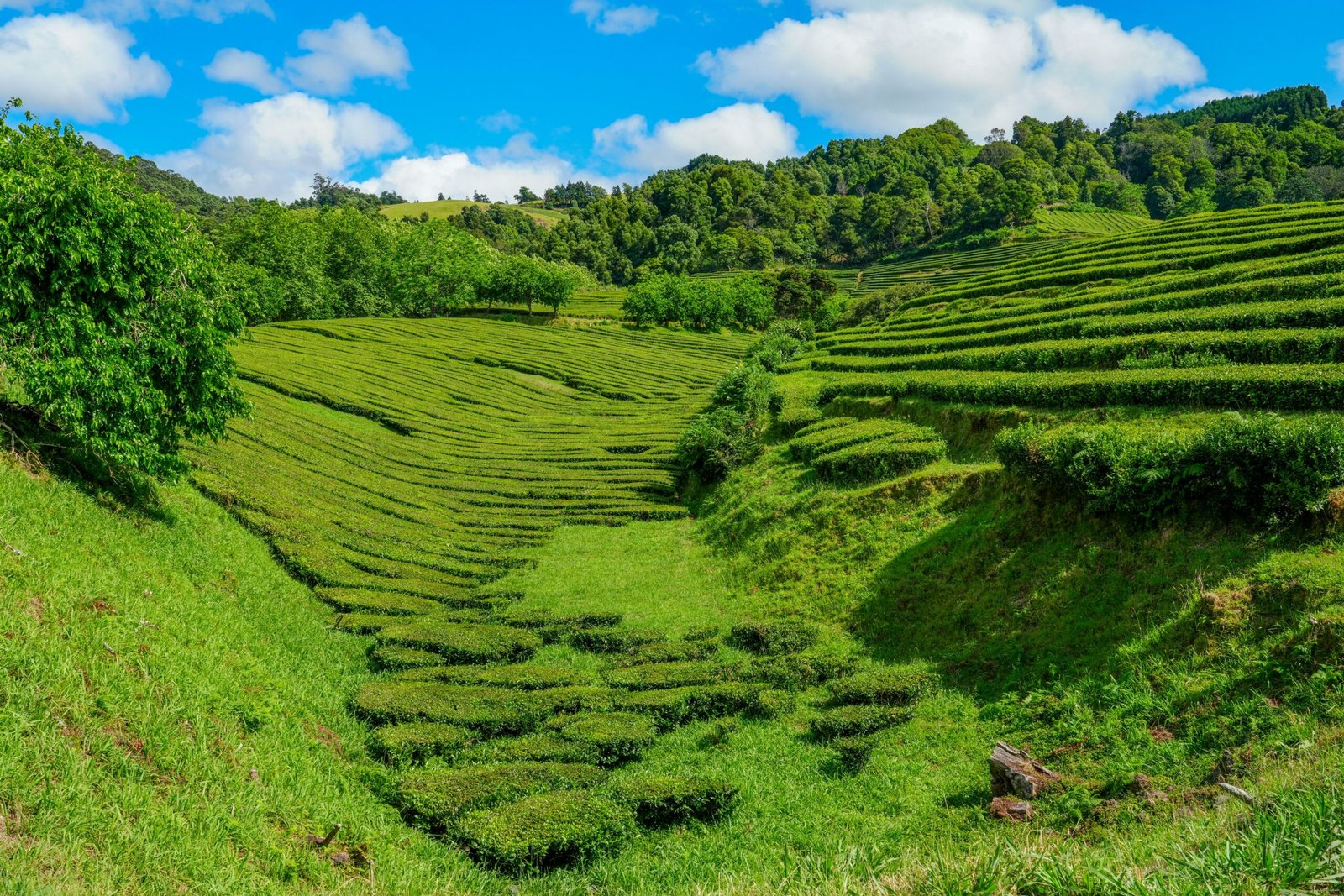
On the north coast, the Gorreana Tea Factory has been growing tea since the 19th century and is one of the oldest tea plantations in Europe. The bright green rows of tea bushes stretch down the hills towards the sea.
Entry is free. Walk through the plantation, watch how the tea is processed in the old factory and taste the green and black teas in the small shop. Nearby, the Porto Formoso tea factory is another lovely stop.
7. Chase Waterfalls in the Forest
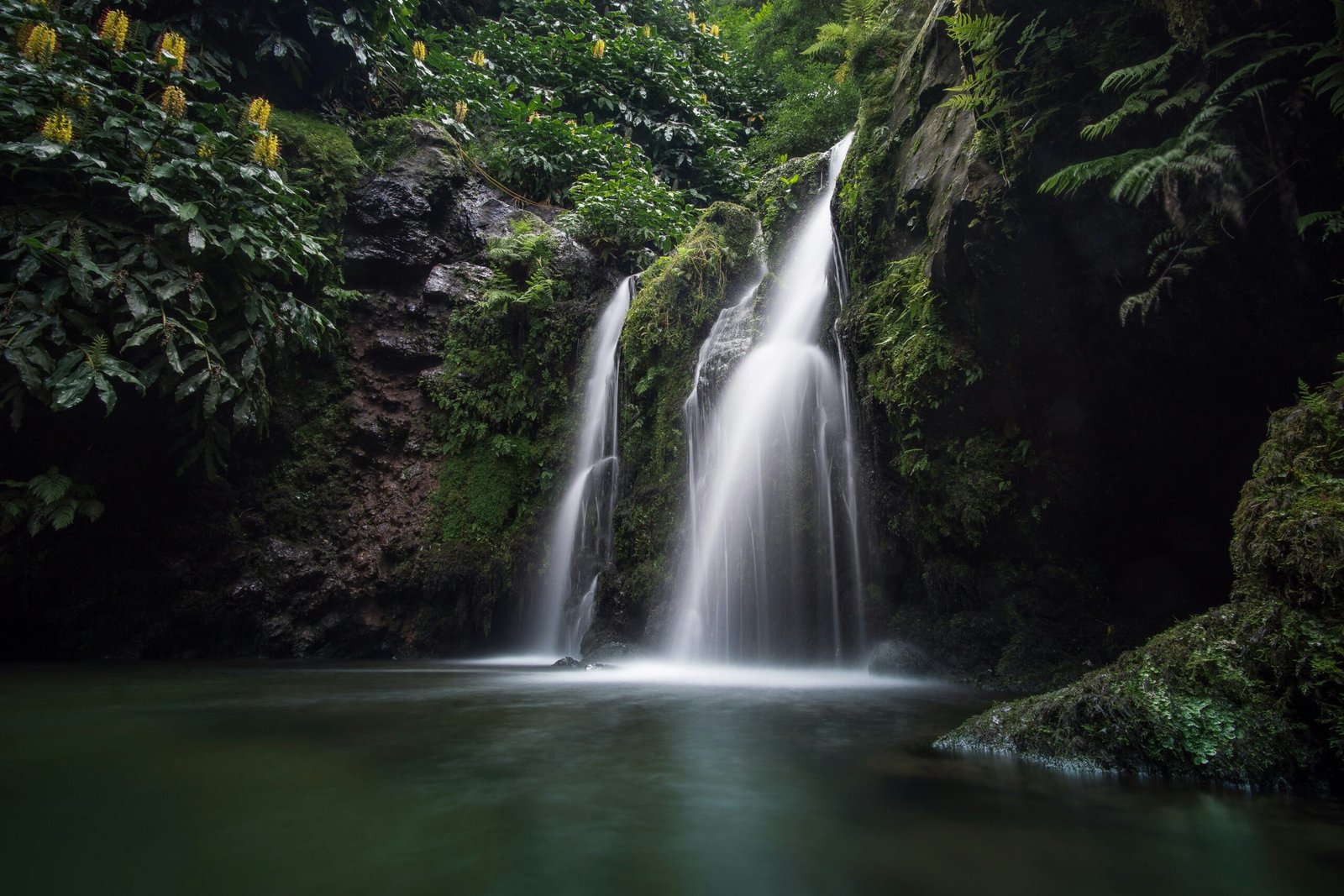
São Miguel is full of waterfalls hidden in the forest. In the northeast, the Ribeira dos Caldeirões Natural Park has a beautiful waterfall, old watermills and flower-filled paths, and it’s an easy stop on a drive around the island.
For a short hike, walk to Salto do Prego from the village of Faial da Terra, a lovely trail through the forest that ends at a waterfall where you can swim in the cool pool.
8. Swim in the Hot Ocean Pool of Ponta da Ferraria
At the western tip of São Miguel, Ponta da Ferraria is one of the most unusual swimming spots in Europe. Here, a hot spring flows into a natural rock pool right on the ocean, so the water is warm where the spring meets the sea.
Ropes help you hold on when the waves come in. Go at low tide, when the water is warmest, and only swim when the sea is calm. A thermal spa next to the pool is a good alternative on rough days.
9. Explore Ponta Delgada and the Coastal Villages
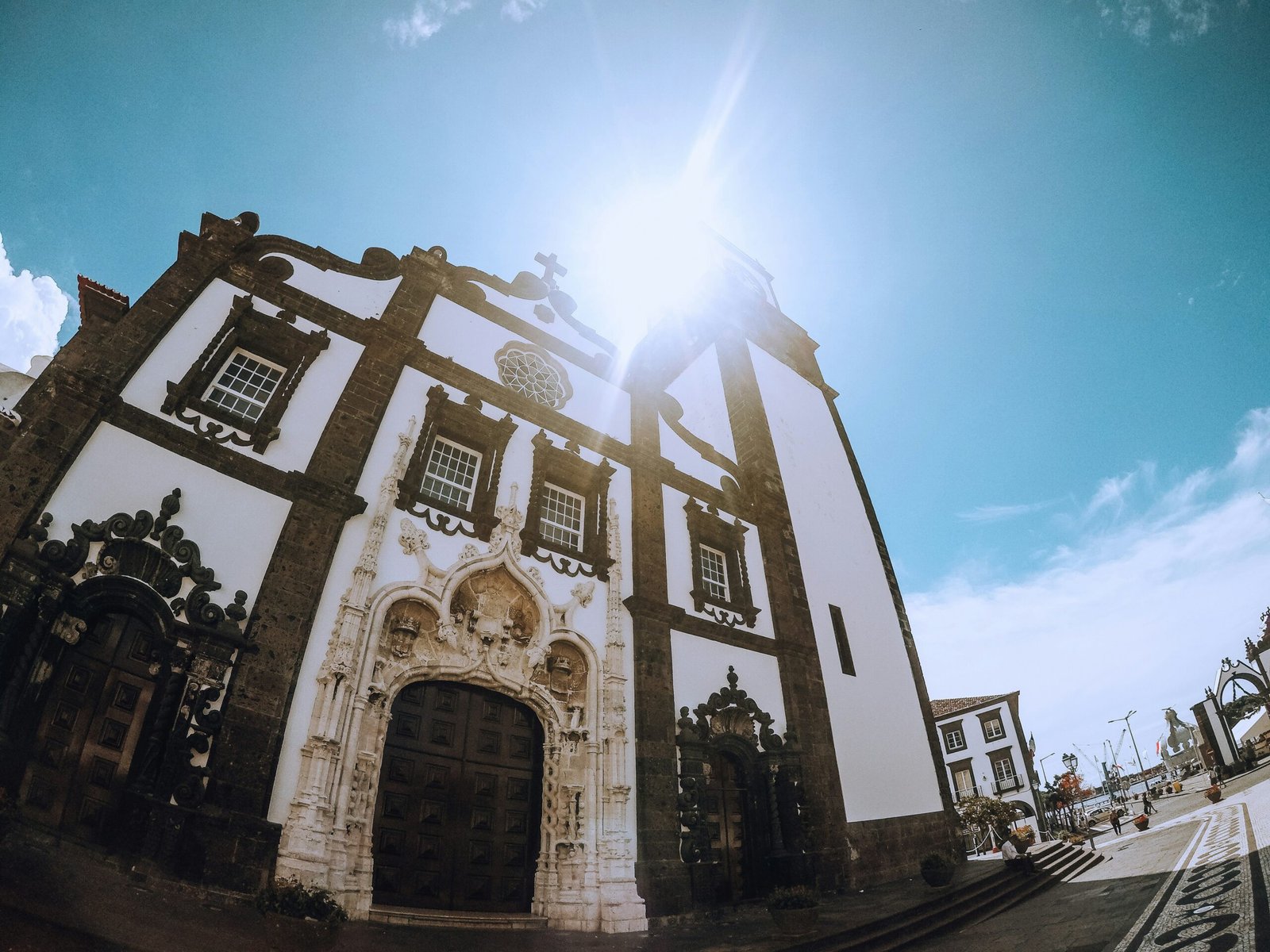
Ponta Delgada, the capital of the Azores, is a pretty town of whitewashed churches, black and white cobblestones and a long waterfront. Walk through the Portas da Cidade, the old city gates, visit the beautiful churches and stroll through the botanical gardens.
Just outside town, visit a pineapple plantation, where pineapples are grown in old greenhouses, and stop at the small fishing villages along the coast, like Mosteiros and Caloura, with their natural swimming pools and seafood restaurants.
10. Climb Mount Pico
If you have time for a second island, take a short flight or ferry to Pico, home to Mount Pico, the highest mountain in Portugal at 2,351 metres. The hike to the summit takes around seven to eight hours return and is steep, but the view over the clouds and the neighbouring islands is unforgettable.
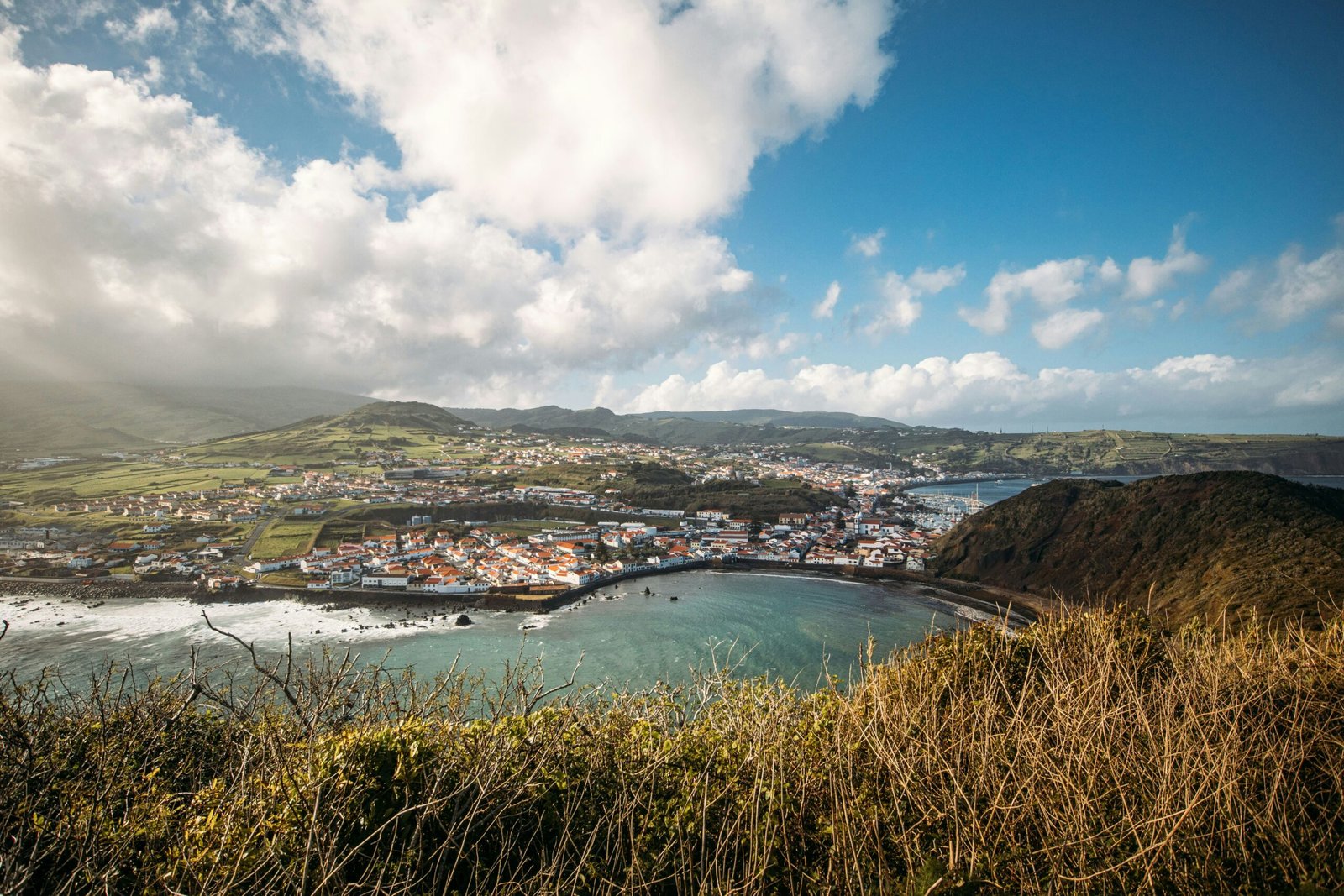
Pico is also famous for its UNESCO-listed vineyards, where grapes grow between walls of black lava stone, and for its whale watching. From Pico, take the ferry to Faial and visit the sailing harbour of Horta and the moon-like landscape of the Capelinhos volcano.
Where to Stay on a Budget
The Azores have good options for every budget:
- Guesthouses: family-run rooms in Ponta Delgada and the villages, often with a homemade breakfast
- Hostels: a few good hostels in Ponta Delgada
- Rural houses: stone cottages in the countryside, perfect for couples and families
- Apartments: good value with a kitchen to save money on food
Ponta Delgada is the best base for a first visit, as everything on São Miguel is within an hour’s drive. Book early for July and August.
Eating on a Budget
Azorean food is simple, fresh and generous:
- Cozido das Furnas: the famous stew cooked in volcanic ground
- Lapas: grilled limpets with garlic butter and lemon
- Bolo lêvedo: a soft, slightly sweet bread from Furnas, great for breakfast
- Queijo de São Jorge: a strong, tasty cheese from the island of São Jorge
- Azorean pineapple: small, sweet and grown in greenhouses
Look for the prato do dia, the dish of the day, in local restaurants. It’s cheap and filling. Supermarkets sell great local cheese, bread and fruit for picnics.
What It Really Costs
Here’s a realistic daily budget per person for a comfortable mid-range trip, not counting flights.
- Accommodation: €40 to €90 per person, sharing a double room in a guesthouse or apartment
- Food: €30 to €50 a day, mixing picnics, local lunches and restaurant dinners
- Transport: €20 to €40 a day per person, including a rental car shared by two and fuel
- Activities: budget for the highlights separately: whale watching, entry to Terra Nostra Park and the hot springs, and an inter-island flight or ferry
That works out to around €130 to €200 per person per day. Visiting in the shoulder season, cooking some of your own meals and enjoying the free hikes and viewpoints can bring that down noticeably.
A Sample 7-Day Itinerary
Day 1: Arrive in Ponta Delgada and explore the old town and waterfront.
Day 2: Sete Cidades, the crater rim walk and Ponta da Ferraria.
Day 3: Whale watching in the morning, a pineapple plantation in the afternoon.
Day 4: Lagoa do Fogo, then the Gorreana tea plantation on the north coast.
Day 5: Furnas, cozido for lunch and the hot pools of Terra Nostra.
Day 6: Waterfalls of Ribeira dos Caldeirões and the hike to Salto do Prego.
Day 7: A last swim at Mosteiros, then fly home.
With more time, add three or four days on Pico and Faial.
Practical Tips
- Check the webcams before visiting Sete Cidades or Lagoa do Fogo, as clouds often hide the views
- Pack layers and a rain jacket, even in summer
- Book your rental car early, as cars sell out in high season
- Bring an old swimsuit for the iron-rich hot springs
- Respect the sea: swim only where it’s safe, as the Atlantic can be rough
- Stay on marked trails and take your rubbish with you
Booking Tips
- Airport transfer: if you don’t rent a car at the airport, book an airport transfer with Kiwitaxi from Ponta Delgada airport to your hotel, with a fixed price and a driver waiting for you
- eSIM: if you’re coming from outside the EU, install a Yesim eSIM before you fly, so you have data for maps, weather webcams and tour bookings from the moment you land
- Tours: popular options include a whale watching trip from Ponta Delgada, a Sete Cidades jeep tour and a Furnas day tour with cozido lunch. You can compare and book most of them on Klook
Final Thoughts
The Azores are a paradise for nature lovers. Look down on the blue and green lakes of Sete Cidades, watch whales in the open Atlantic, soak in hot springs in the forest, eat a stew cooked by a volcano and walk through Europe’s oldest tea plantation.
Rent a car, pack a rain jacket and let the islands surprise you. The Azores are wild, green and peaceful, and still feel like a secret.
Prices checked in October 2026. Costs and opening times change, so always confirm before you book.
Leave a Reply