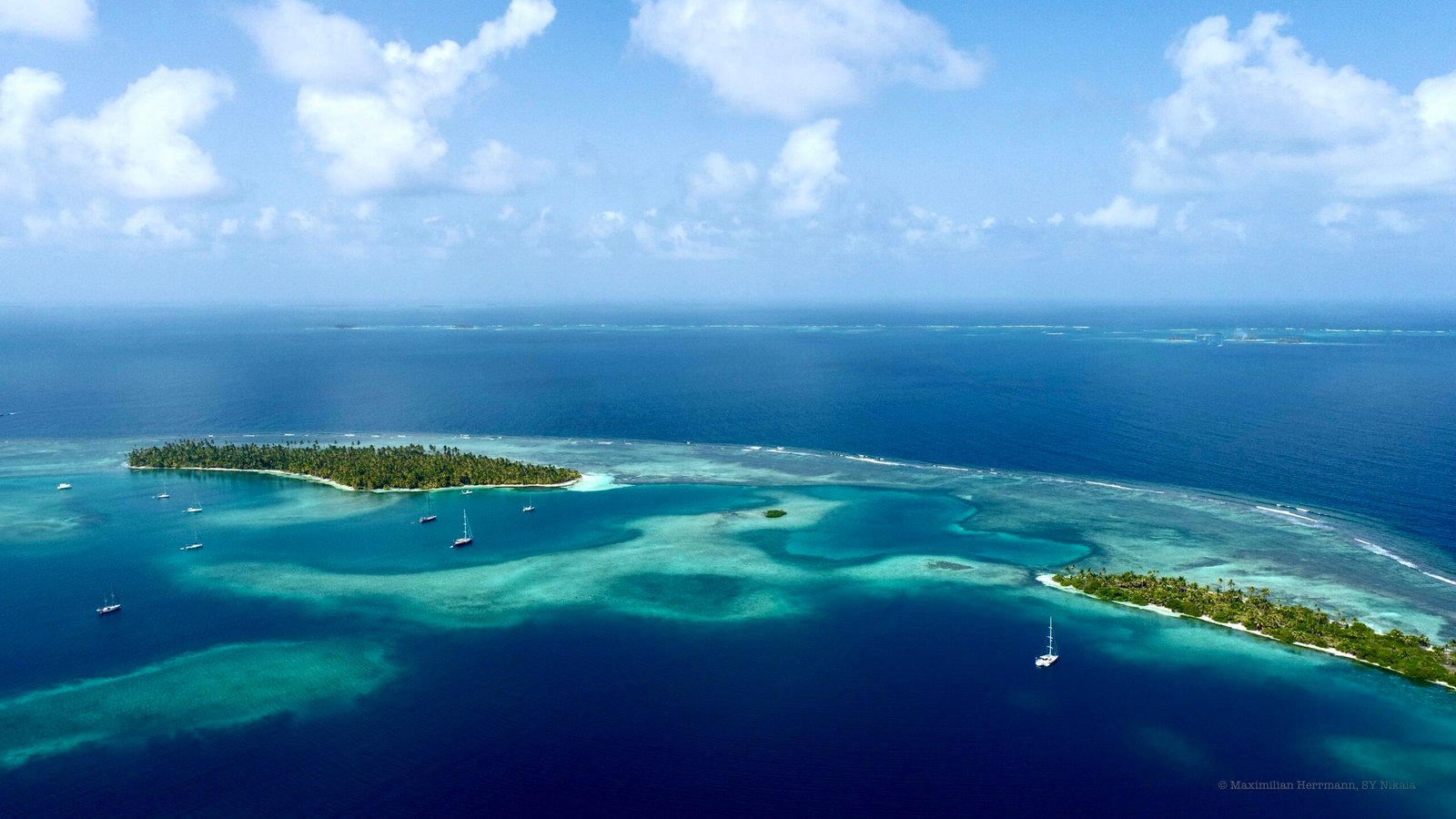
Tiny islands with just a few palm trees floating in a turquoise sea, wooden houses on stilts above the water, giant ships squeezing through the locks of one of the world’s great engineering wonders, sloths hanging in the rainforest and a colourful colonial old town just across the bay from a gleaming skyline: Panama has far more to offer than its famous canal.
This narrow country connects Central and South America, with the Caribbean Sea on one side and the Pacific Ocean on the other. In a single trip, you can explore a modern capital, sleep on a remote island in the San Blas archipelago, snorkel in Bocas del Toro and hike through cloud forest in the mountains around Boquete.
Panama uses the US dollar, has excellent roads and cheap domestic flights, and is one of the easiest countries in Latin America to travel. With simple guesthouses, local food and shared island trips, it’s also very affordable. This guide shows you how.
Panama at a Glance
- Where: in Central America, between Costa Rica and Colombia, with coasts on the Caribbean and the Pacific
- Main airport: Tocumen International Airport (PTY), about 30 to 40 minutes from Panama City
- Currency: US dollar (USD). Panama also has its own coins, the balboa, which are worth the same
- Entry: many nationalities can visit visa-free for a limited stay with an onward ticket. Check the current rules for your passport
- Language: Spanish. English is spoken in tourist areas and widely in Bocas del Toro
- Best time: mid-December to April, the dry season
- Budget: around $50 to $70 a day for budget travellers, $120 to $200 for a comfortable mid-range trip
When to Go
Mid-December to April is the dry season on most of the country and the best time to visit Panama City, the San Blas Islands and Boquete. The skies are sunny, the sea is calm and the hiking trails are dry. It’s also the busiest and most expensive season.
May to November is the green season, with tropical showers, usually in the afternoon. Mornings are often sunny, the landscape is lush and prices are lower.
Bocas del Toro has its own weather pattern. It can rain at any time of year, but September and October and February and March are usually the driest months there, with the calmest, clearest sea.
Our tip: visit in February or March for dry weather across the whole country and good conditions in Bocas del Toro.
How Long Do You Need?
Plan at least ten days. That gives you three days in Panama City and the canal, two or three nights on the San Blas Islands, and four days in Bocas del Toro. With two weeks, add Boquete in the mountains, which fits nicely between the city and Bocas.
Getting Around
- Domestic flights: short and cheap flights from Albrook Airport in Panama City connect to Bocas del Toro and David, near Boquete. They save you a long day on the bus
- Buses: long-distance buses run from the Albrook Bus Terminal to all major towns. They’re cheap but slow
- To San Blas: most travellers book a package that includes a 4×4 jeep from Panama City to the coast, the boat to the islands, meals and accommodation
- In Bocas del Toro: water taxis connect the islands, and bikes are great for exploring Isla Colón
- In Panama City: the Metro is clean and cheap, and ride apps like Uber work well
Things to Do in Panama
Here are the experiences we think are worth your time and money.
1. Sleep on a Desert Island in San Blas
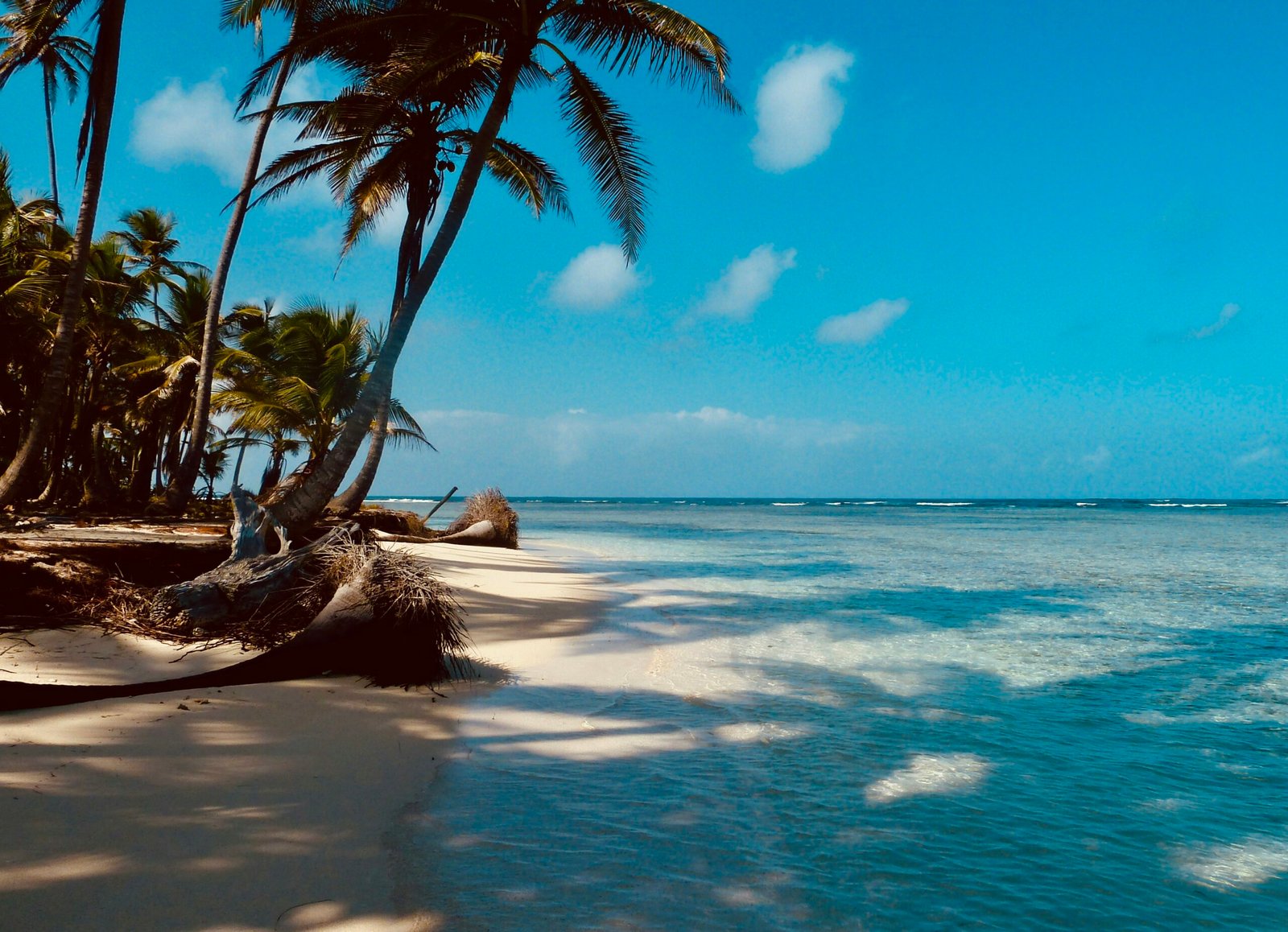
The San Blas Islands, called Guna Yala by the indigenous people who live there, are a group of around 365 islands off the Caribbean coast. Many are so small that you can walk around them in a few minutes, with nothing but white sand, palm trees and turquoise water.
The islands are an autonomous region governed by the Guna people, who protect their land and traditions. Accommodation is simple, usually a basic cabin or hammock with shared bathrooms, and meals of fresh fish, rice and plantains. Spend your days swimming, snorkelling and island hopping by boat to places like the Natural Pool, where the water is just knee-deep far from the shore. A two- or three-day trip is perfect.
2. Respect Guna Culture
Visiting San Blas is a chance to learn about one of the most independent indigenous cultures in the Americas. The Guna have their own laws, language and traditions, and many women still wear their colourful mola blouses, made of layered, hand-sewn fabric.
Buying a mola directly from the women who make them is the best souvenir you can take home. Always ask before taking photos of people, and follow the rules of each island, which can differ.
3. Island Hop in Bocas del Toro
On the Caribbean coast near Costa Rica, Bocas del Toro is a laid-back archipelago of jungle-covered islands, mangroves and coral reefs. Most travellers stay in Bocas Town on Isla Colón, a colourful little town of wooden houses on stilts, with restaurants and bars over the water.
Join a boat tour to snorkel at the Zapatilla Cays, two uninhabited islands with white sand beaches, and look for dolphins in Dolphin Bay. On Isla Bastimentos, walk through the forest to Red Frog Beach, where you might spot tiny red poison dart frogs on the way.
4. Visit Starfish Beach
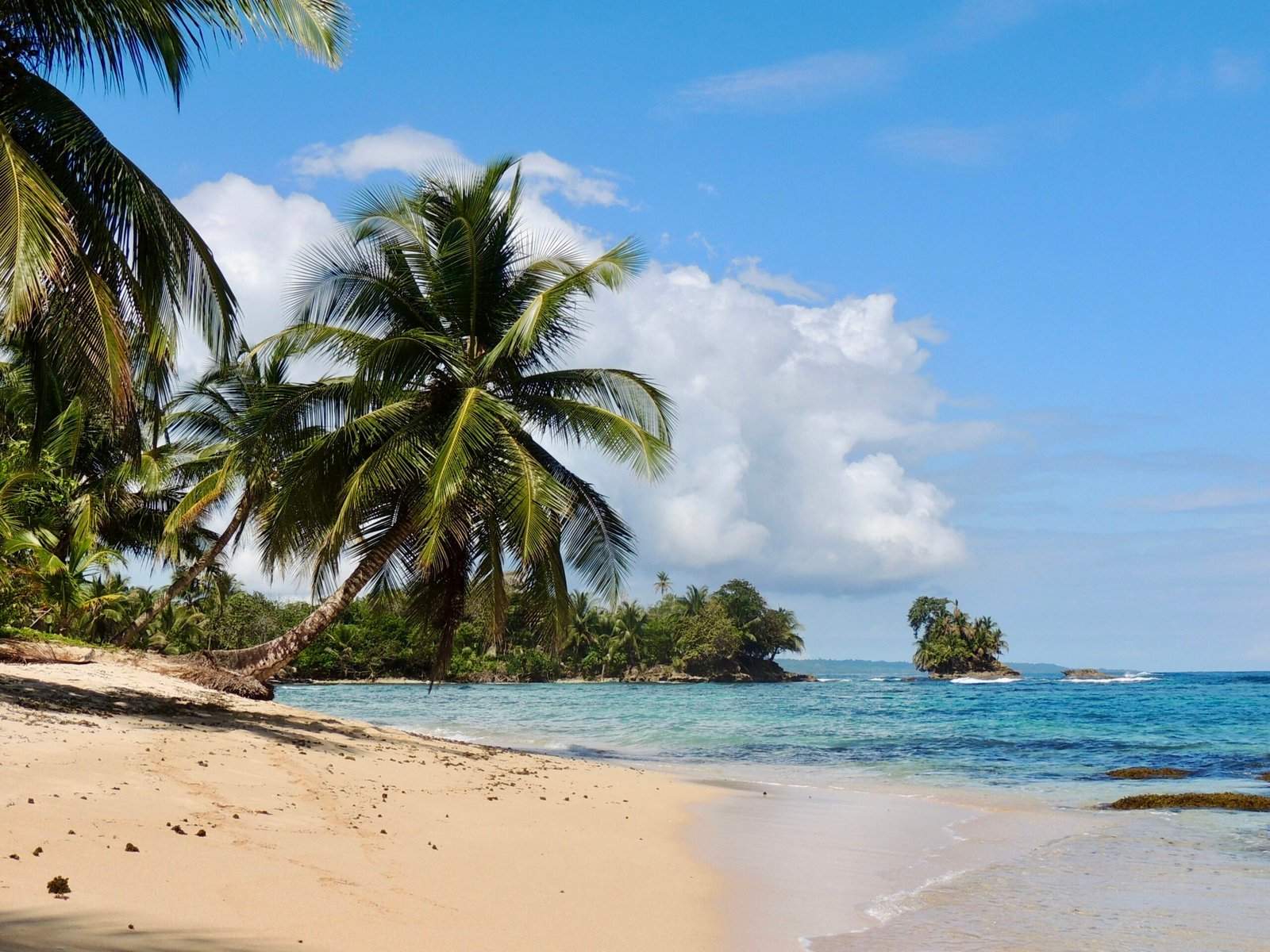
On the northern tip of Isla Colón, Playa Estrella, or Starfish Beach, gets its name from the large orange starfish that live in the calm, shallow water just off the sand.
Rent a bike in Bocas Town and ride to Boca del Drago, then walk along the shore to the beach. Look at the starfish, but never pick them up or take them out of the water, as it can kill them. The beach has a few simple restaurants serving fresh fish and coconuts.
5. Explore Casco Viejo
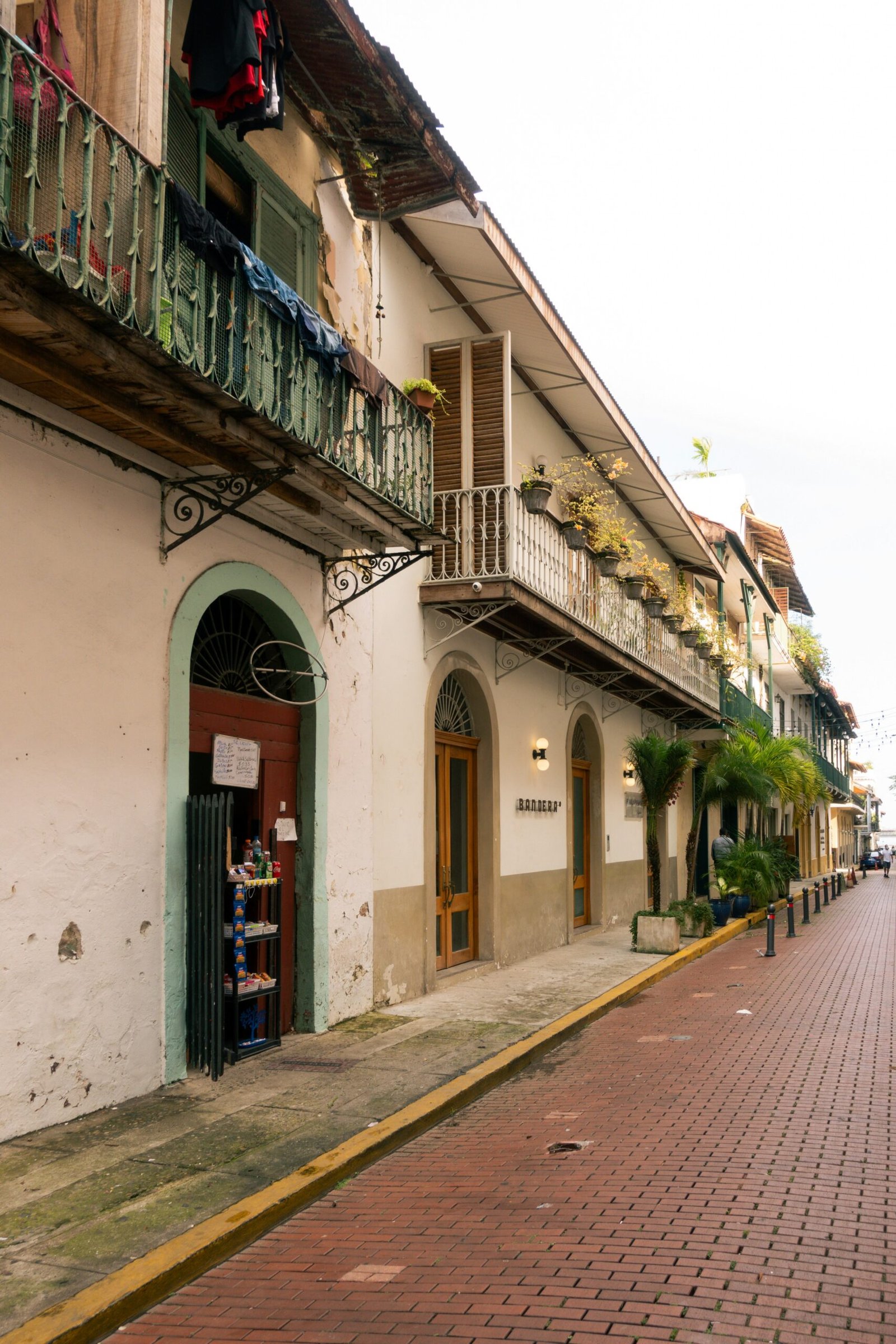
Panama City’s old town, Casco Viejo, is a UNESCO World Heritage Site and one of the most charming neighbourhoods in Central America. Its narrow streets are lined with restored colonial buildings, wrought-iron balconies, flower boxes and lively plazas.
Wander from Plaza de la Independencia to the old French plaza at the edge of the sea, visit the Metropolitan Cathedral and the golden altar of the Church of San José, and enjoy the views of the modern skyline across the bay. In the evening, the rooftop bars of Casco Viejo are perfect for a sunset drink.
6. Watch the Ships at the Panama Canal
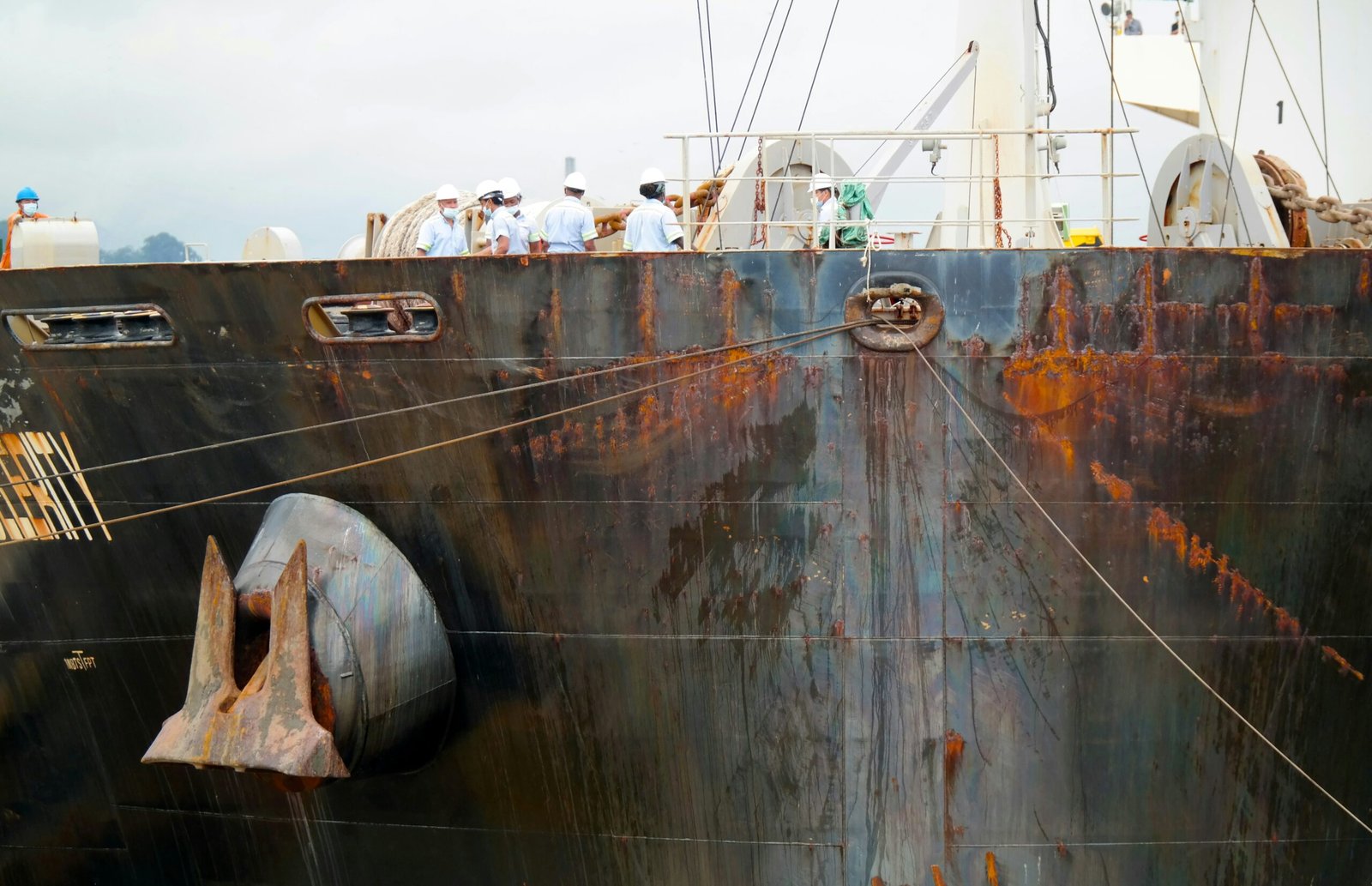
The Panama Canal is one of the greatest engineering achievements in history. Every year, thousands of ships pass through its locks, which lift them up and down between the Atlantic and the Pacific.
The best place to watch is the Miraflores Locks Visitor Center, just outside Panama City. From the viewing platforms, you can watch huge container ships squeeze through the locks with only a few metres to spare. Check the schedule before you go, as most ships pass in the morning and afternoon. For a closer look, join a partial canal transit on a boat.
7. Walk the Cinta Costera and Visit Panama Viejo
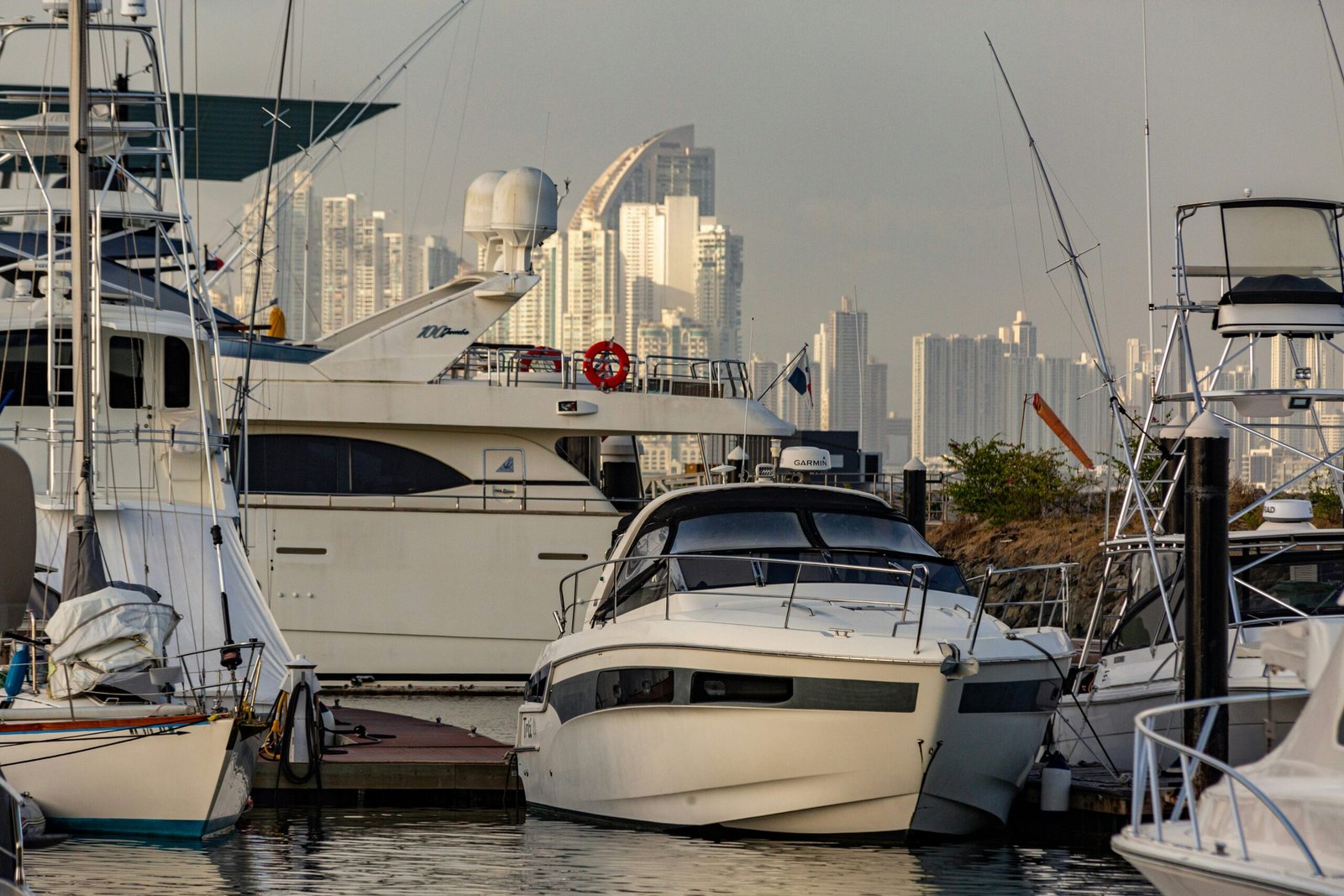
The Cinta Costera is a long seaside promenade that connects Casco Viejo with the modern city. It’s perfect for a walk or a bike ride at sunset, with views of the skyscrapers and the ships waiting to enter the canal.
At the other end of the city, the ruins of Panama Viejo, the original Spanish city founded in 1519, are another UNESCO site. Climb the old cathedral tower for a great view. Nearby, the colourful Biomuseo, designed by the architect Frank Gehry, tells the story of how the isthmus of Panama changed the world.
8. Spot Sloths and Monkeys in the Rainforest
Just a short drive from the city, Soberanía National Park protects a large area of rainforest along the canal. Walk along Pipeline Road, one of the best birdwatching trails in the world, where you might see toucans, monkeys and sloths.
Another favourite is a boat trip on Gatún Lake, the huge artificial lake that forms part of the canal. Tours visit the small islands known as Monkey Island, where howler, capuchin and tamarin monkeys live in the trees, while giant ships glide past in the background.
9. Drink Coffee and Hike in Boquete
In the cool highlands of western Panama, the mountain town of Boquete is surrounded by cloud forest, rivers and coffee farms. It’s famous for Geisha coffee, one of the most expensive and highly rated coffees in the world.
Join a coffee farm tour to learn how the beans are grown and roasted, then hike the Lost Waterfalls Trail to three hidden waterfalls or the Quetzal Trail, where you might spot the colourful resplendent quetzal. Fit hikers can climb Volcán Barú, the highest point in Panama, for a sunrise from which you can sometimes see both oceans.
10. Escape to the Pearl Islands
In the Gulf of Panama, the Pearl Islands are a quieter alternative to the Caribbean. A ferry from Panama City takes you to Contadora in about 90 minutes.
The island has beautiful beaches with clear water for swimming and snorkelling, and from July to October, humpback whales pass through the gulf. It’s an easy weekend escape from the city.
Where to Stay on a Budget
Panama has options for every budget:
- Hostels: found in Panama City, Bocas Town and Boquete, many with pools and private rooms
- Guesthouses: simple, friendly and good value, especially in Boquete and Bocas
- Overwater cabins: wooden cabins on stilts above the water in Bocas del Toro
- Island cabins: basic huts and hammocks on the San Blas Islands, usually with meals included
In Panama City, stay in Casco Viejo for atmosphere or in El Cangrejo for better value.
Eating on a Budget
Panamanian food is a mix of Spanish, African, indigenous and Caribbean flavours:
- Sancocho: a hearty chicken soup with yam and coriander, the national dish
- Patacones: fried green plantains, served with almost everything
- Ceviche: fresh fish marinated in lime, best at the Mercado de Mariscos, the fish market in Panama City
- Arroz con pollo: chicken with rice, cheap and filling
- Raspao: shaved ice with sweet syrup and condensed milk, a street favourite
Look for small local restaurants called fondas, where a lunch plate costs just a few dollars.
What It Really Costs
Here’s a realistic daily budget per person for a comfortable mid-range trip, not counting international flights.
- Accommodation: $40 to $90 per person, sharing a double room in a good guesthouse or small hotel
- Food: $20 to $40 a day, mixing local fondas and restaurants
- Transport: $15 to $35 a day on average, including a domestic flight, buses, water taxis and ride apps
- Activities: budget for the highlights separately: the San Blas trip, boat tours in Bocas del Toro, the Miraflores Locks and a coffee tour in Boquete
That works out to around $120 to $200 per person per day. Staying in hostels, eating in fondas and taking buses can bring that down to $50 to $70.
A Sample 10-Day Itinerary
Day 1: Arrive in Panama City and explore Casco Viejo.
Day 2: Miraflores Locks in the morning, then the Cinta Costera and the fish market.
Day 3: Gatún Lake and Monkey Island, or Pipeline Road for wildlife.
Day 4: Jeep and boat to the San Blas Islands.
Day 5: Island hopping and the Natural Pool in San Blas.
Day 6: Return to Panama City and fly to Bocas del Toro.
Day 7: Boat tour to the Zapatilla Cays and Dolphin Bay.
Day 8: Red Frog Beach on Isla Bastimentos.
Day 9: Bike to Starfish Beach.
Day 10: Fly back to Panama City and fly home.
With more time, add three days in Boquete.
Practical Tips
- Bring small US dollar bills, as change can be hard to get on the islands
- Pack light for San Blas, as boats are small and you might get wet
- Use reef-safe sunscreen and never touch coral or starfish
- Use insect repellent, especially in the rainforest and on the islands
- Carry your passport on the trip to San Blas, as there are checkpoints on the road
- Respect the Guna rules and pay the community fees for entering Guna Yala
Booking Tips
- Airport transfer: Tocumen airport is a long taxi ride from the old town, so book an airport transfer with Kiwitaxi to Casco Viejo or your hotel in advance, with a fixed price and a driver waiting for you
- eSIM: install a Yesim eSIM before you fly, so you have data for maps, ride apps and boat times from the moment you land
- Tours: popular options include a Panama Canal and Miraflores Locks tour, a San Blas Islands trip, a Gatún Lake Monkey Island boat tour and a Casco Viejo walking tour. You can compare and book most of them on Klook
Final Thoughts
Panama is so much more than a canal. Sleep on a tiny island in San Blas, snorkel among the reefs of Bocas del Toro, watch giant ships pass through the locks, wander the colourful streets of Casco Viejo and sip some of the world’s best coffee in the mountains of Boquete.
Travel in the dry season, mix the Caribbean with the city and the mountains, and take your time. Panama will surprise you at every turn.
Prices checked in October 2026. Costs and opening times change, so always confirm before you book.
Leave a Reply