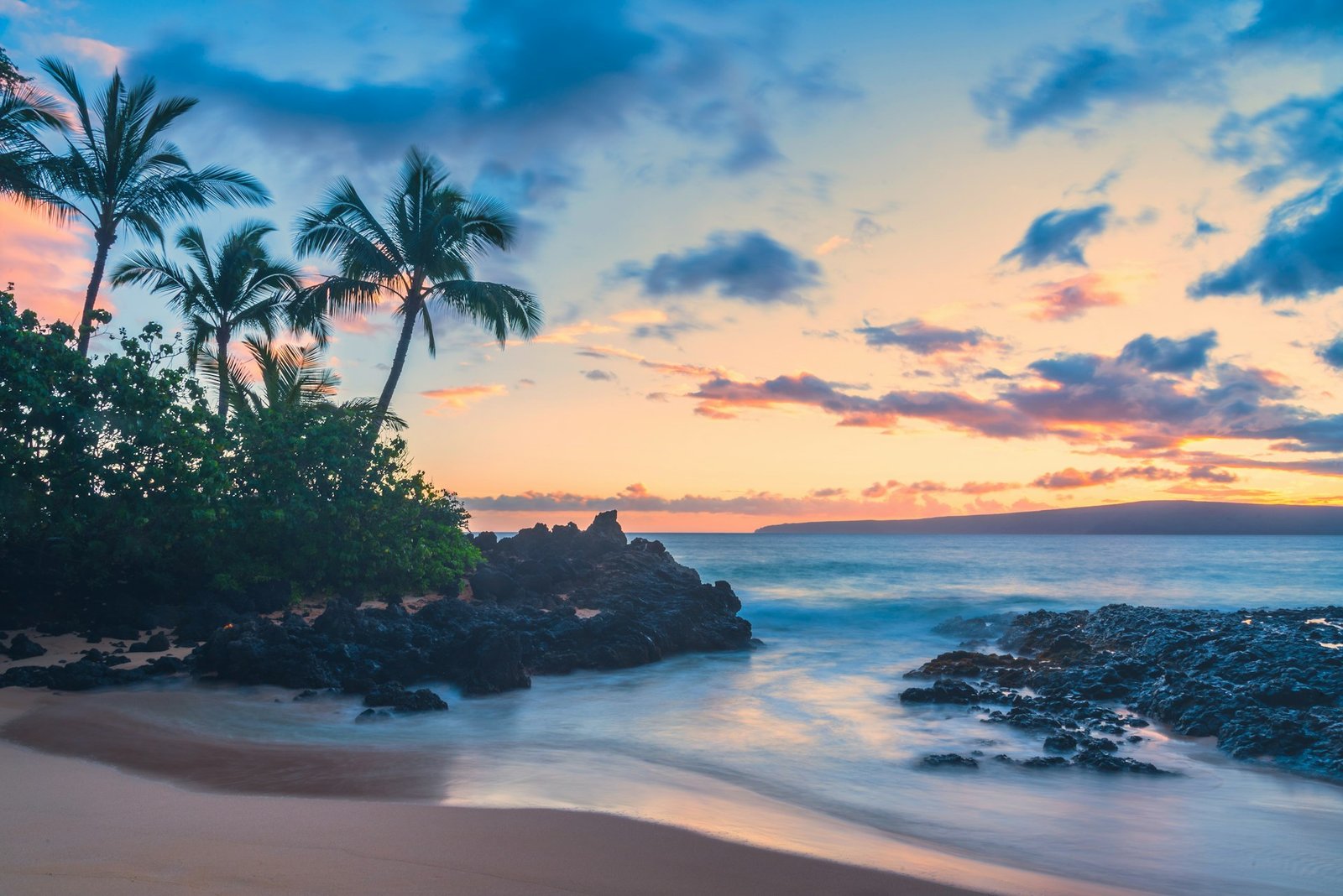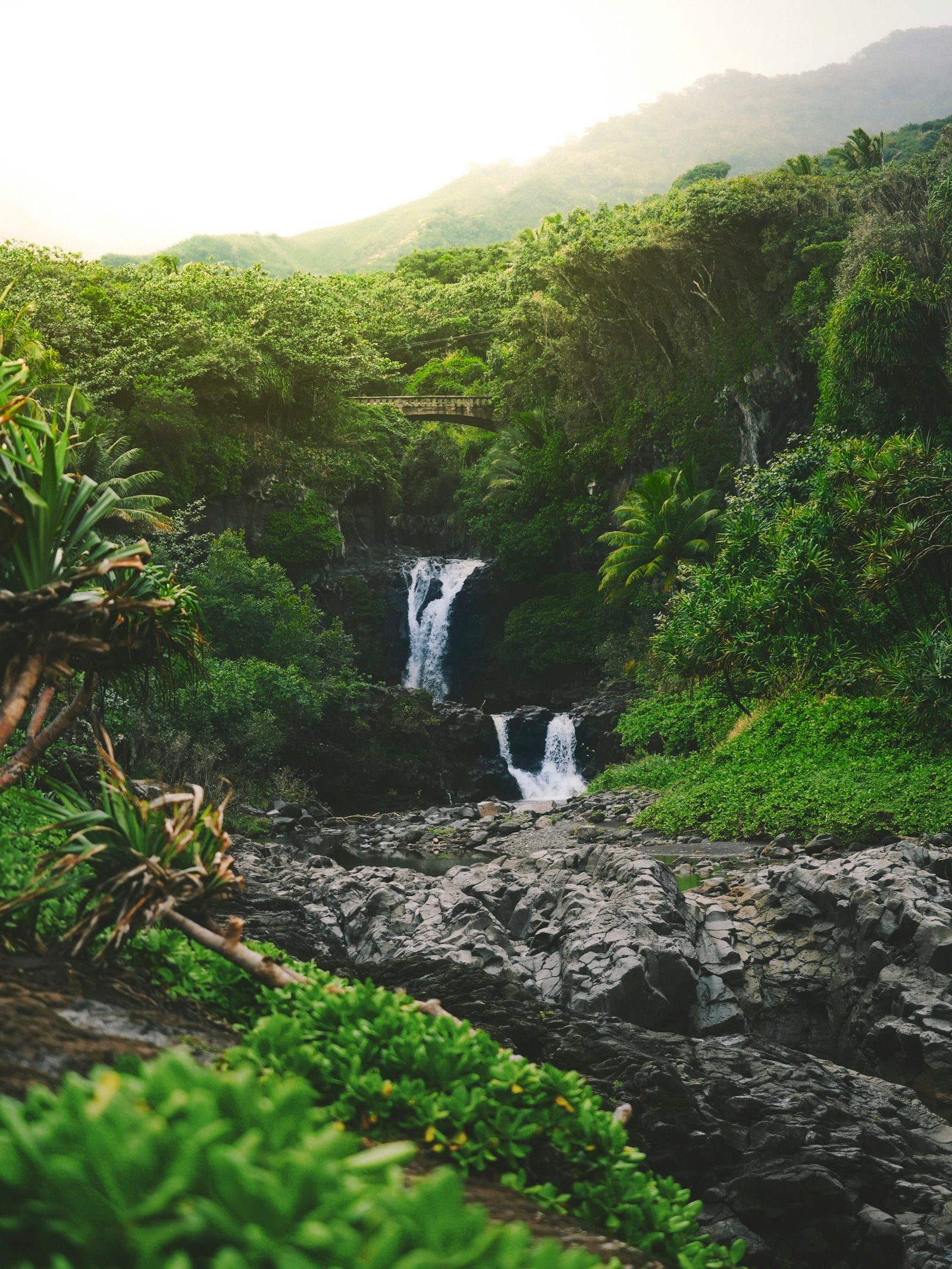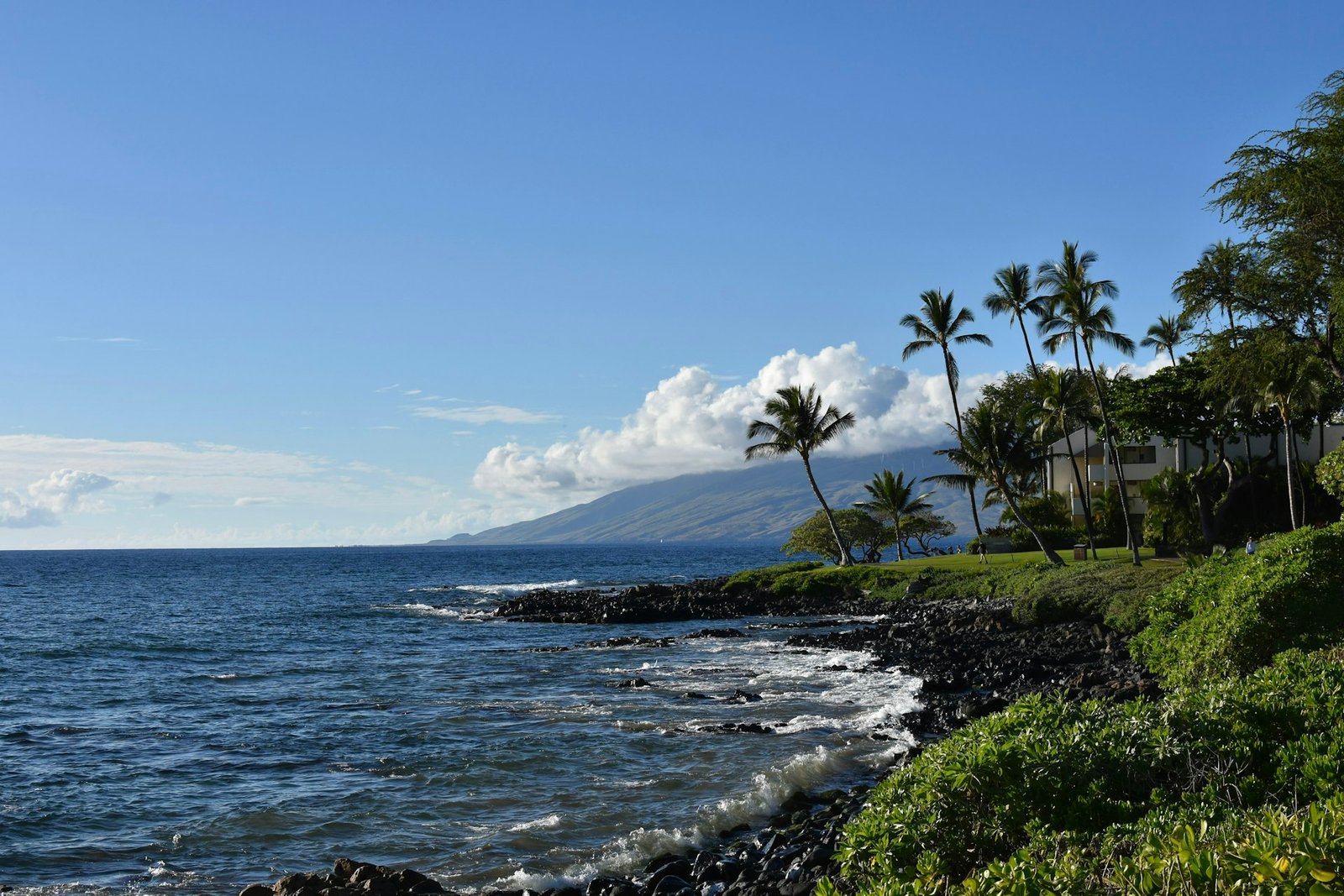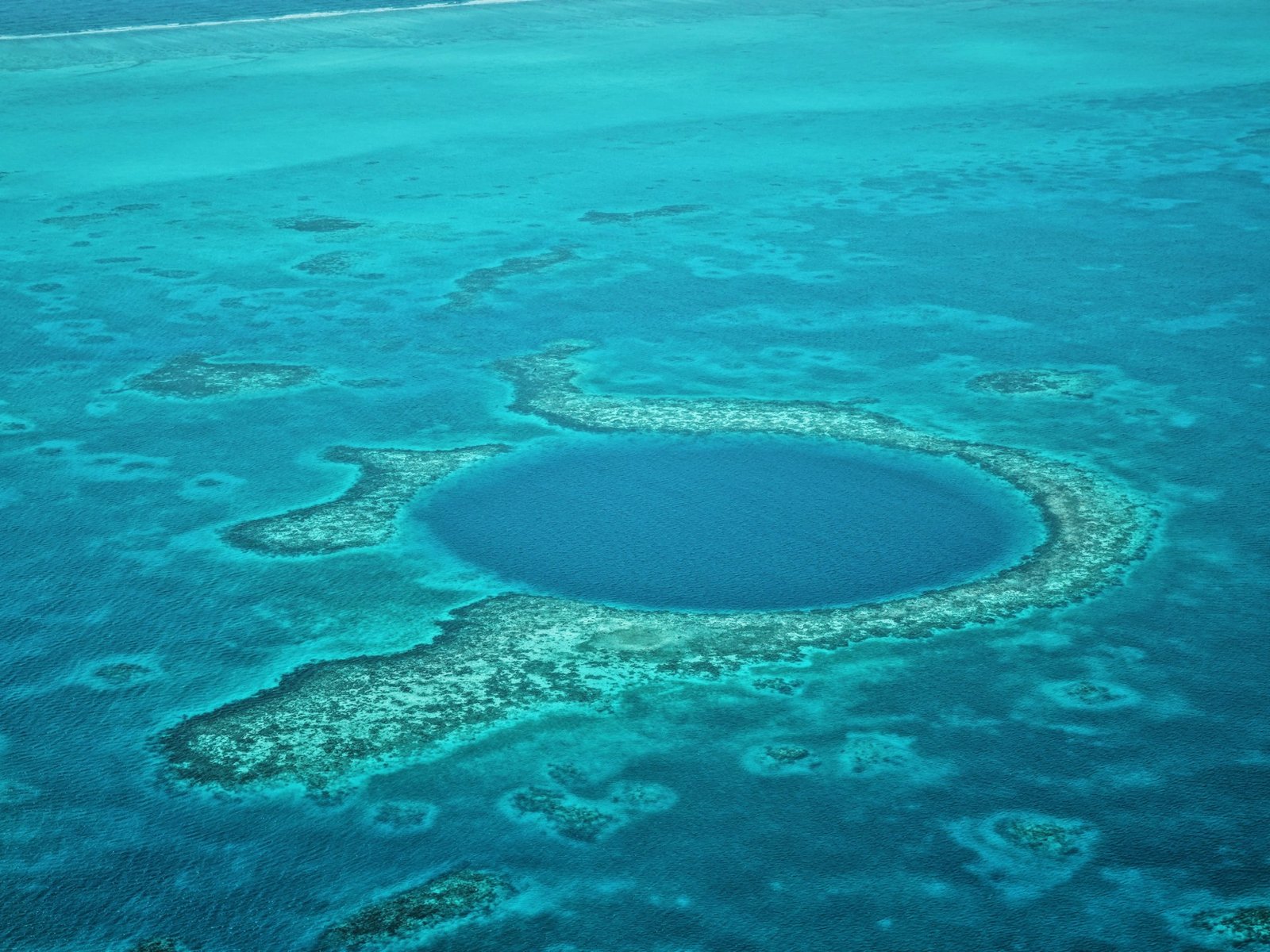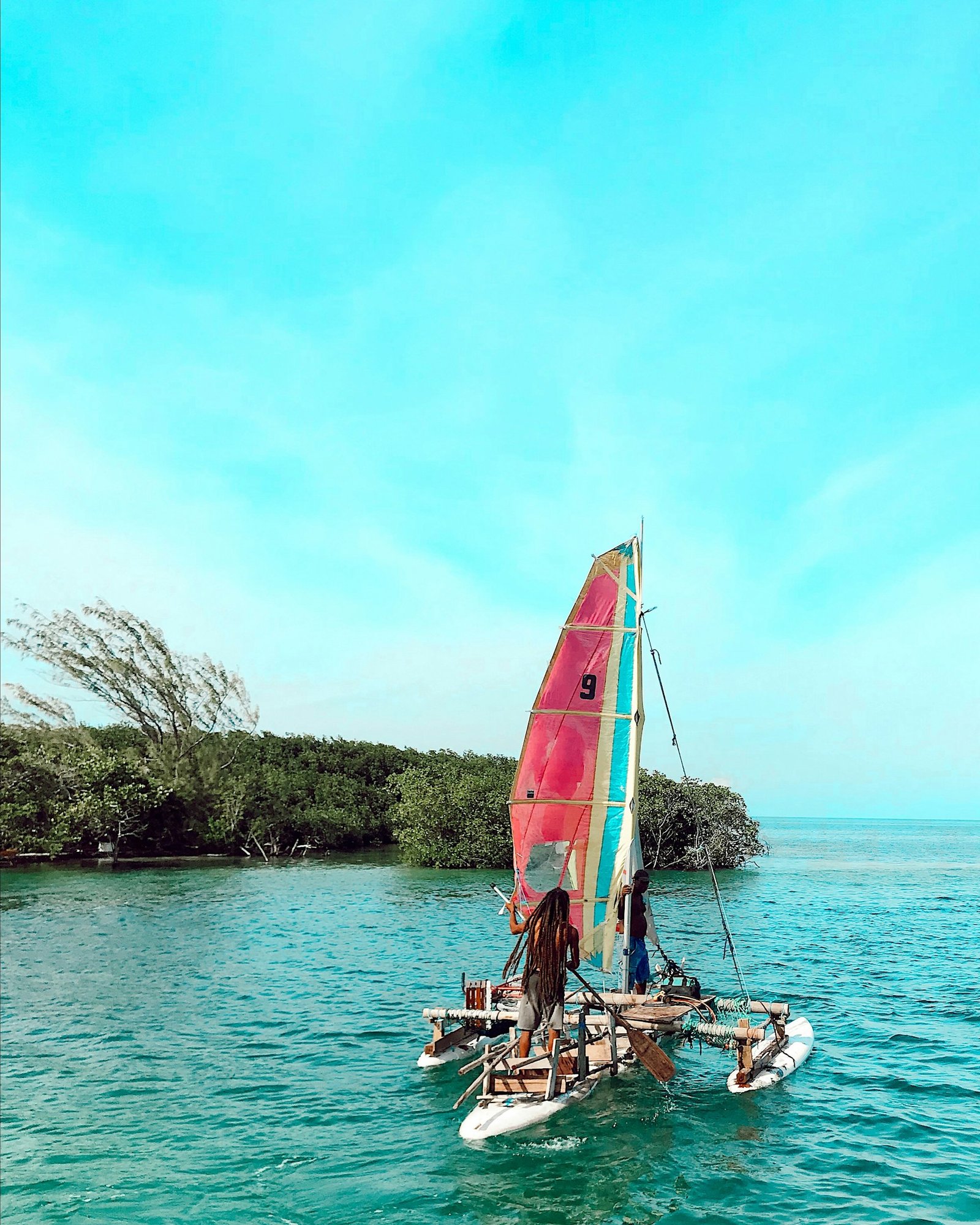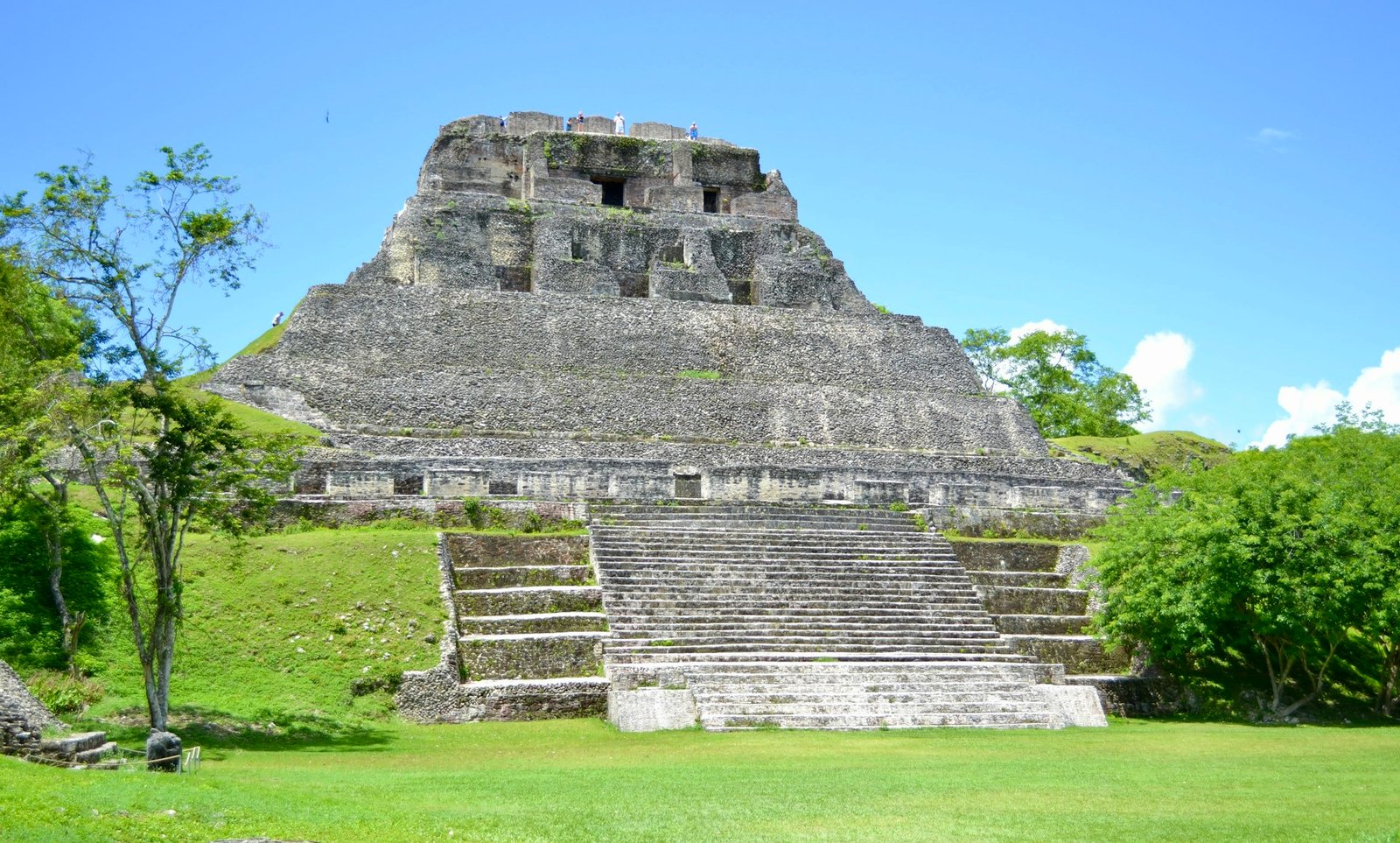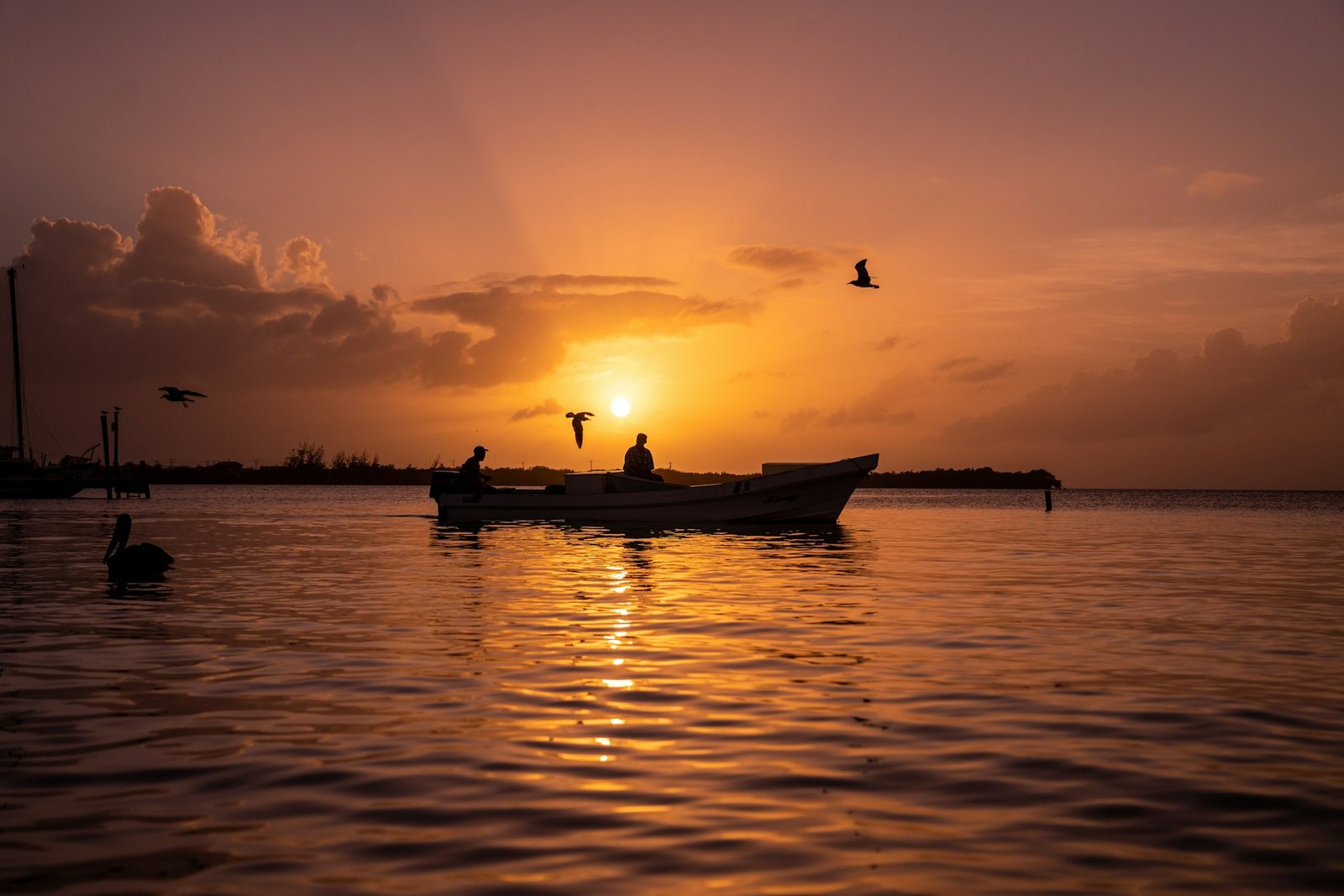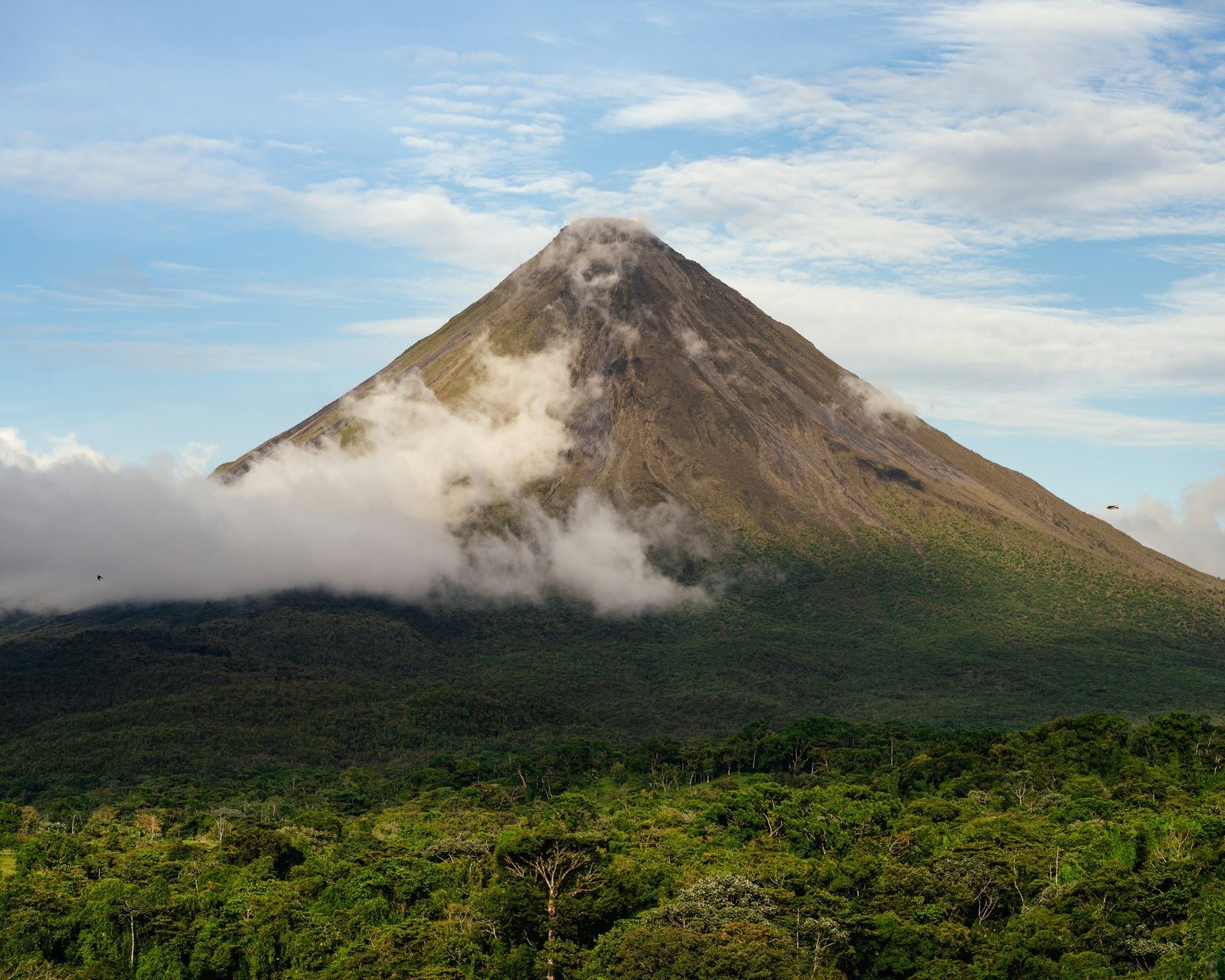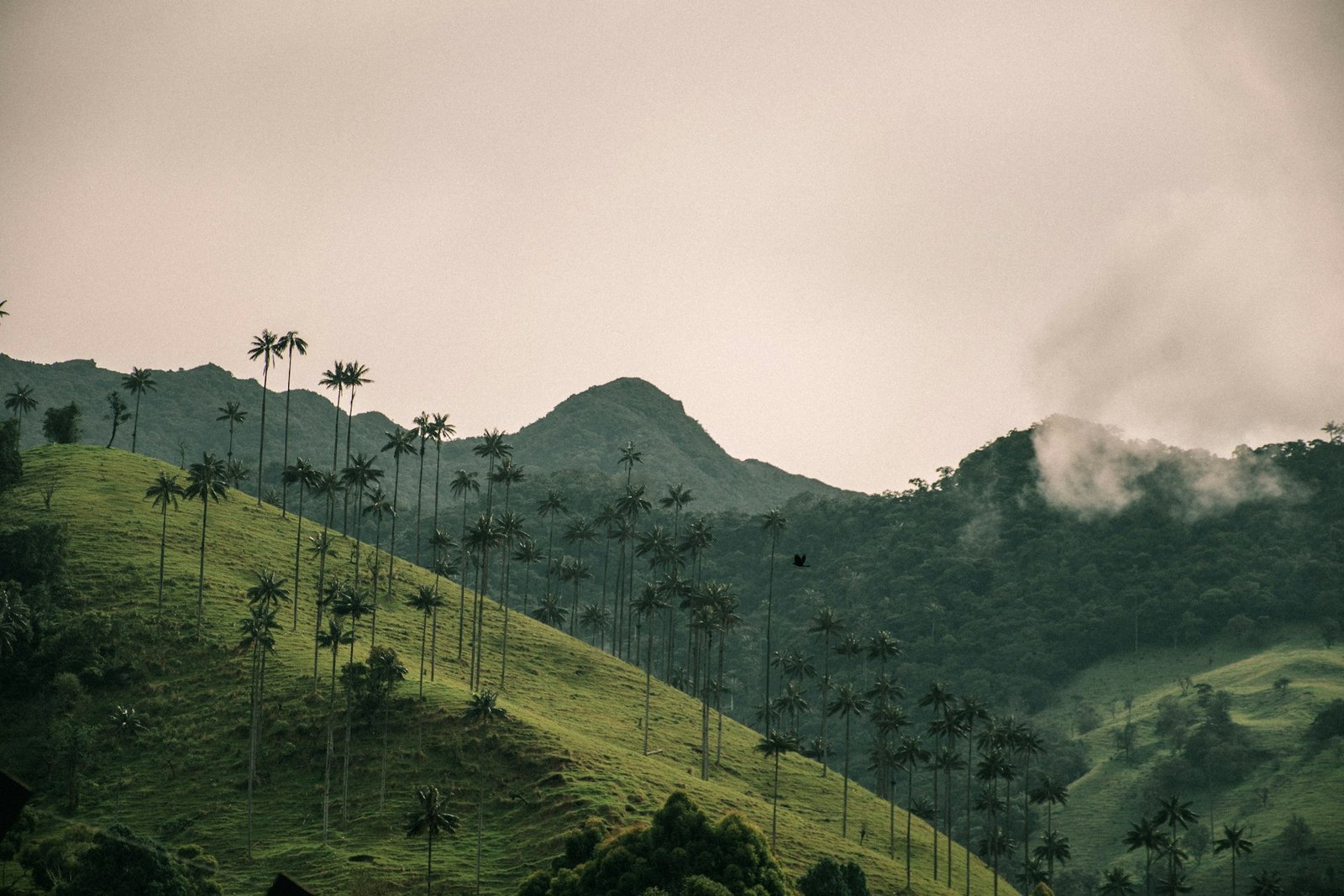
The tallest palm trees in the world rising out of misty green hills, colourful colonial streets full of flowers and balconies, a giant rock towering over a lake dotted with islands, coffee farms on steep mountain slopes and wild Caribbean beaches framed by jungle: Colombia is one of the most exciting countries in South America.
For years, many travellers stayed away. Today, Colombia is one of the most popular destinations on the continent, and it’s easy to see why. The country has two coastlines, the Andes, the Amazon, lively cities and some of the friendliest people you’ll meet anywhere.
Colombia is also great value. A comfortable guesthouse room, a filling set lunch and a cup of the world’s best coffee cost very little, and domestic flights make it easy to cover long distances. This guide shows you the best places to visit, how to plan your route and what it really costs.
Colombia at a Glance
- Where: in the north of South America, with coasts on the Caribbean Sea and the Pacific Ocean
- Main airports: Bogotá (BOG), Medellín (MDE) and Cartagena (CTG)
- Currency: Colombian peso (COP)
- Entry: many visitors can travel visa-free for up to 90 days, but must fill in the online Check-MIG form before arrival. Others need a visa. Check the current rules for your passport
- Language: Spanish. English is spoken in tourist areas, but learning a few words of Spanish helps a lot
- Best time: December to March and July to August, the drier months
- Budget: around $40 to $60 a day for budget travellers, $80 to $150 for a comfortable mid-range trip
When to Go
Colombia is close to the equator, so the temperature depends more on altitude than on the season. The Caribbean coast is hot all year, Medellín has a mild spring-like climate, and Bogotá is cool.
The best time to visit is during the drier months, December to March and July to August. Christmas, New Year and Easter are very busy, especially in Cartagena, so book early.
April to May and October to November are wetter, with afternoon showers in the mountains. The landscape is greener, prices are lower and there are fewer tourists.
Our tip: visit in late January to March for dry weather, fewer crowds than at Christmas and perfect beach days.
How Long Do You Need?
Plan at least two weeks for Colombia. That gives you time for Cartagena, the coffee region, Medellín and Guatapé, and a few days on the Caribbean coast around Tayrona. With three weeks, you can add Bogotá, the Rosario Islands or the mountain village of Minca.
Getting Around
Colombia is big and mountainous, so travel takes longer than you’d expect:
- Domestic flights: cheap and fast, often the best way to cover long distances between Cartagena, Medellín, Bogotá and the coffee region
- Buses: comfortable long-distance buses connect all major towns, but journeys through the mountains are slow
- Local transport: use ride apps in the cities, and the jeeps called Willys in the coffee region
- Medellín Metro: clean, safe and cheap, with cable cars climbing the hillsides
Things to Do in Colombia
Here are the experiences we think are worth your time and money.
1. Wander the Walled City of Cartagena
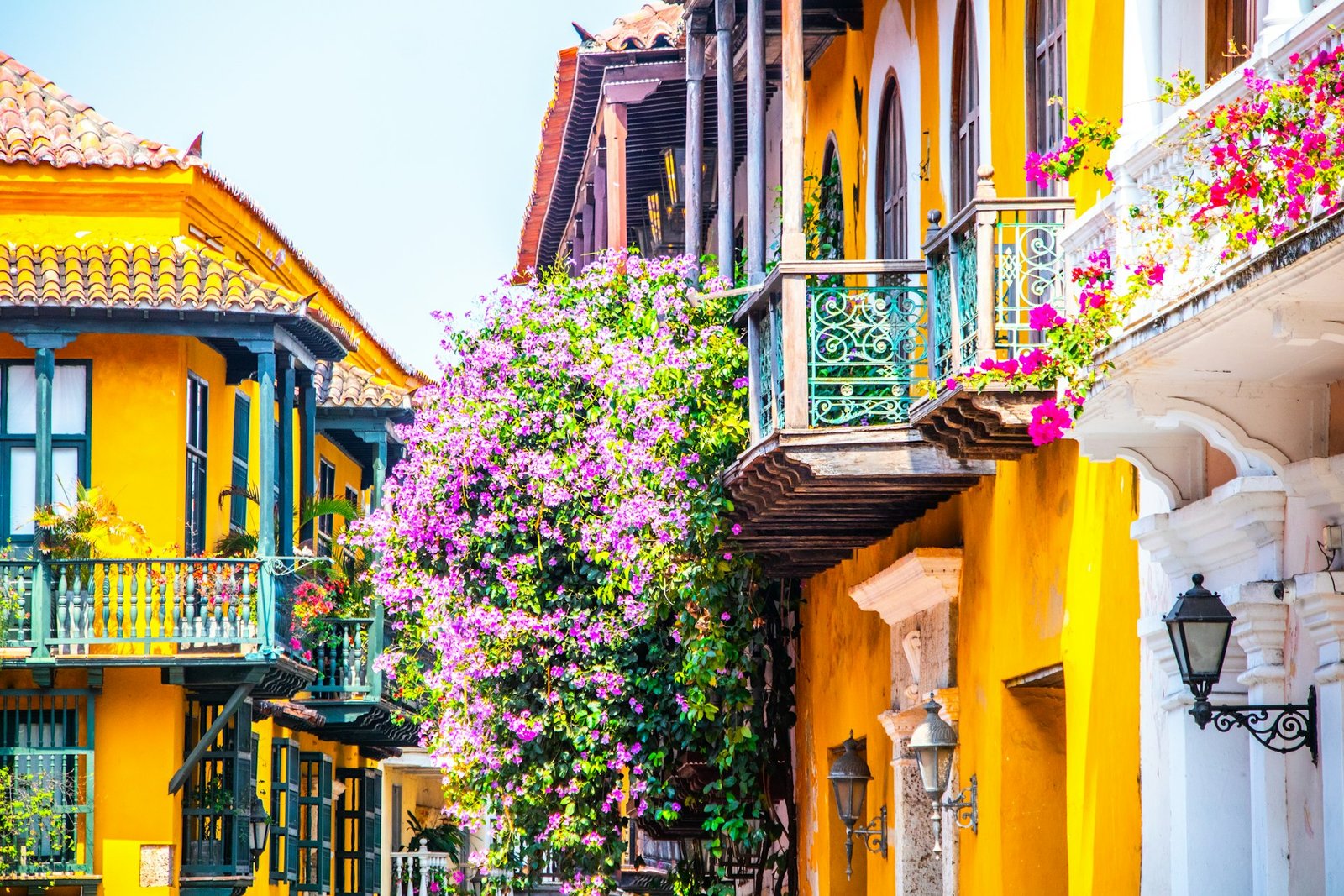
Cartagena is one of the most beautiful colonial cities in the Americas. Inside its old stone walls, a UNESCO World Heritage Site, narrow streets are lined with colourful houses, wooden balconies overflowing with flowers and grand churches and plazas.
Walk the city walls at sunset, visit the huge Castillo San Felipe de Barajas fortress and explore the old town early in the morning before the heat and the crowds. In the evening, the plazas fill with street performers, food stalls and music.

2. Explore Getsemaní
Just outside the walls, the neighbourhood of Getsemaní is Cartagena’s creative heart. Its streets are covered with colourful murals and umbrellas hanging above the lanes, and the plazas are full of life after dark.
Plaza de la Trinidad is the place to be in the evening, with street food, music and locals and travellers mixing together. Getsemaní is also one of the best areas to stay in Cartagena, with good-value hostels and boutique hotels.
3. Island-Hop to the Rosario Islands
About an hour by boat from Cartagena, the Rosario Islands are a group of small coral islands with white sand beaches and turquoise water, protected as a national park.
Join a boat trip to snorkel over the reefs, relax on the beach and enjoy fresh fish for lunch. For a quieter experience, stay overnight on one of the islands or visit the beaches of nearby Barú.
4. Hike Among the Wax Palms of Cocora Valley
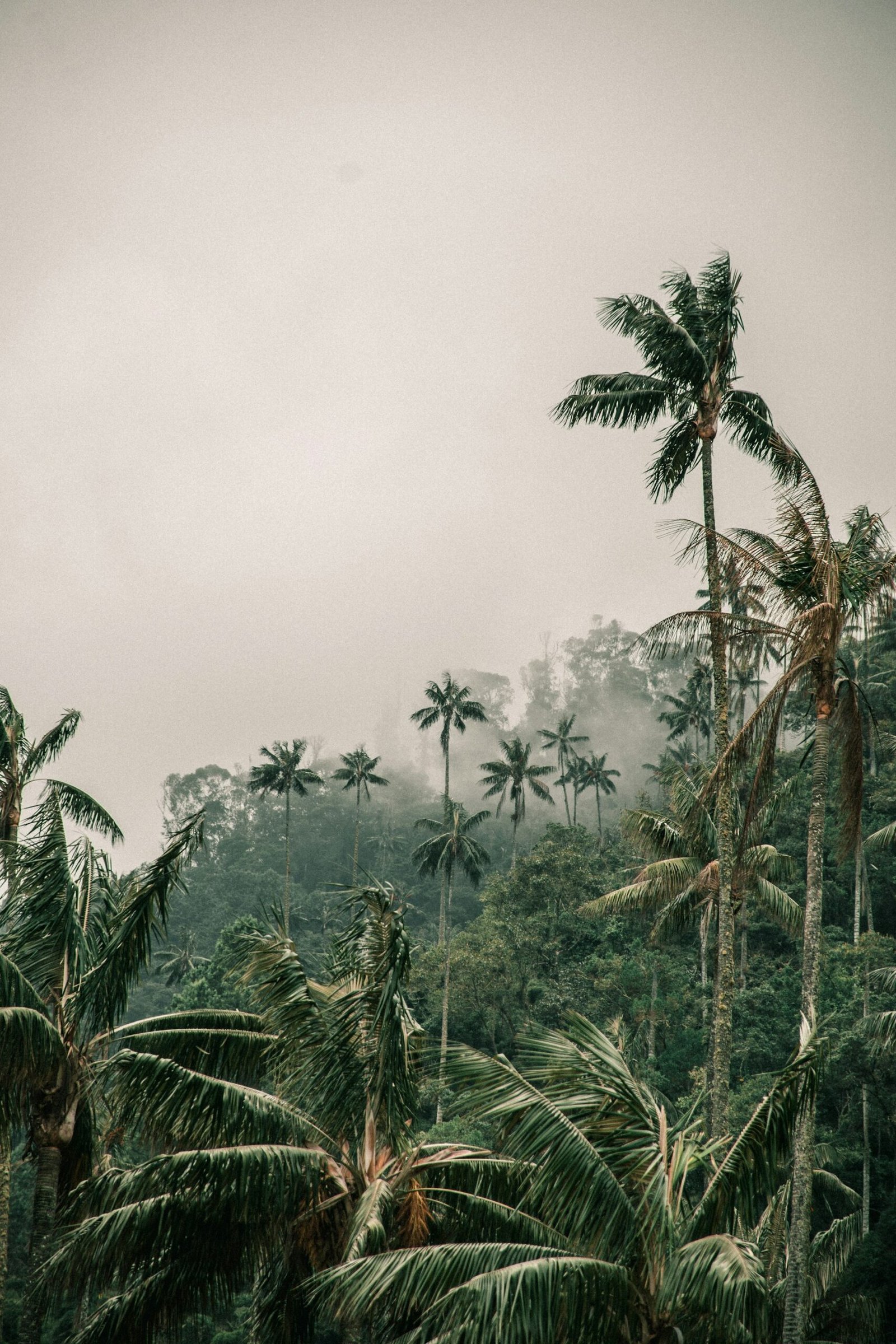
The Cocora Valley near Salento is one of the most magical landscapes in South America. Here, the wax palm, Colombia’s national tree and the tallest palm in the world, grows up to 60 metres high, rising out of rolling green hills and cloud forest.
The classic loop hike takes about five to six hours, crossing wobbly wooden bridges through the forest before reaching the famous palm-covered hills. If you’re short on time, you can walk straight to the palms and back in two hours. Go early in the morning, when the mist hangs between the palms.
5. Tour a Coffee Farm in Salento
Colombia is famous for its coffee, and the coffee region around Salento is the best place to learn about it. On a coffee farm tour, you’ll walk through the plantations, pick coffee cherries and learn how the beans are dried, roasted and brewed, before tasting a fresh cup.
Salento itself is a charming little town with colourful houses, craft shops and a viewpoint over the valley. Nearby, the quieter town of Filandia is just as pretty and much less touristy.
6. Discover Medellín and Comuna 13
Once known as one of the most dangerous cities in the world, Medellín has transformed itself into a modern, friendly city with a perfect spring-like climate all year round.
Join a guided tour of Comuna 13, a hillside neighbourhood with colourful street art, outdoor escalators and an inspiring story of change. Ride the Metrocable cable cars for great views over the city, and relax in the parks and cafés of El Poblado and Laureles.
7. Climb El Peñol
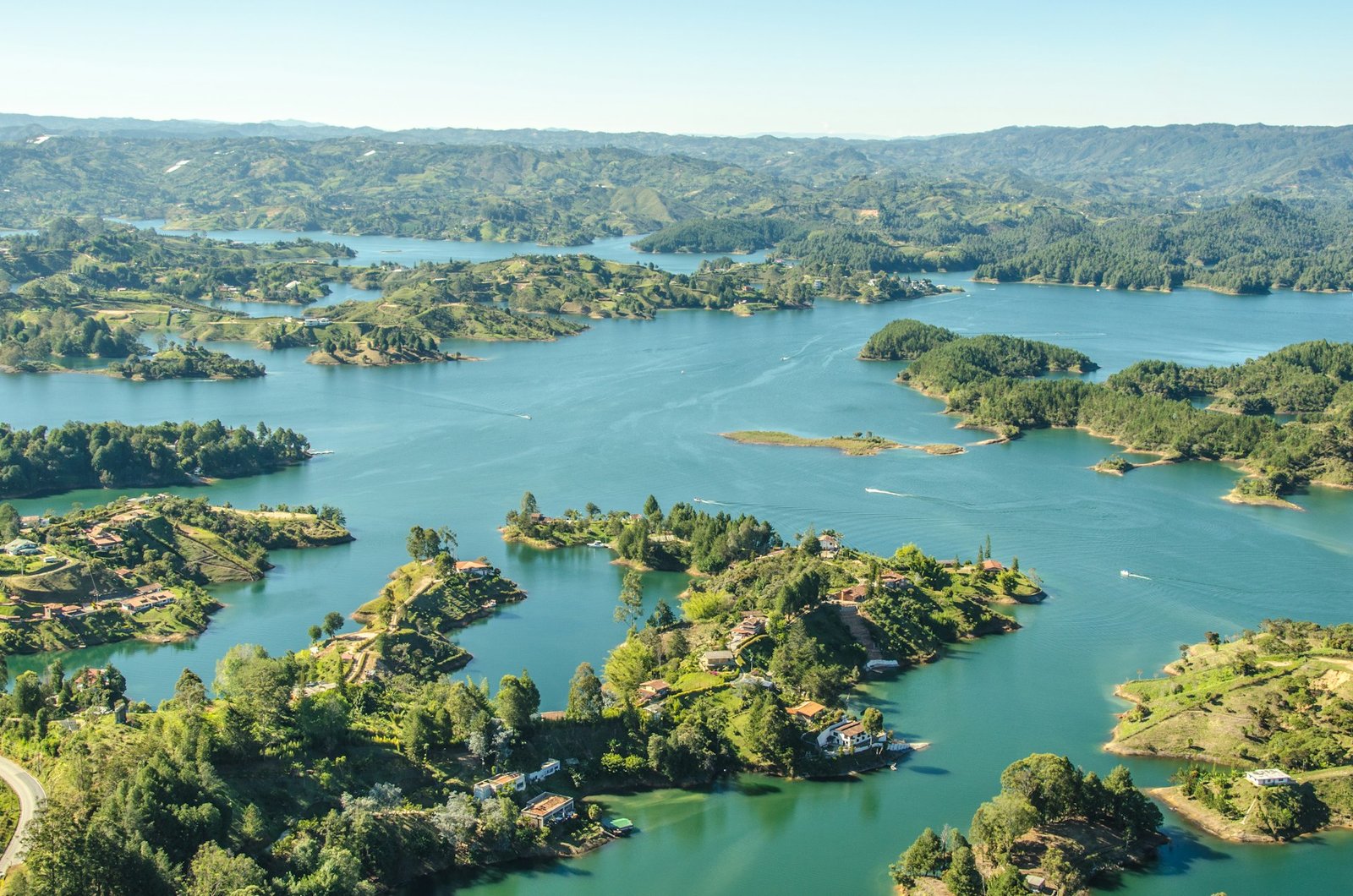
About two hours from Medellín, El Peñol is a giant granite rock rising more than 200 metres above the surrounding countryside. A staircase of around 700 steps zigzags up the side of the rock.
The climb is steep, but the view from the top is unforgettable: a maze of blue lakes, green islands and peninsulas stretching to the horizon, created when the valley was flooded for a reservoir. Come in the morning, before the day-trip crowds arrive.
8. Stroll the Colourful Streets of Guatapé
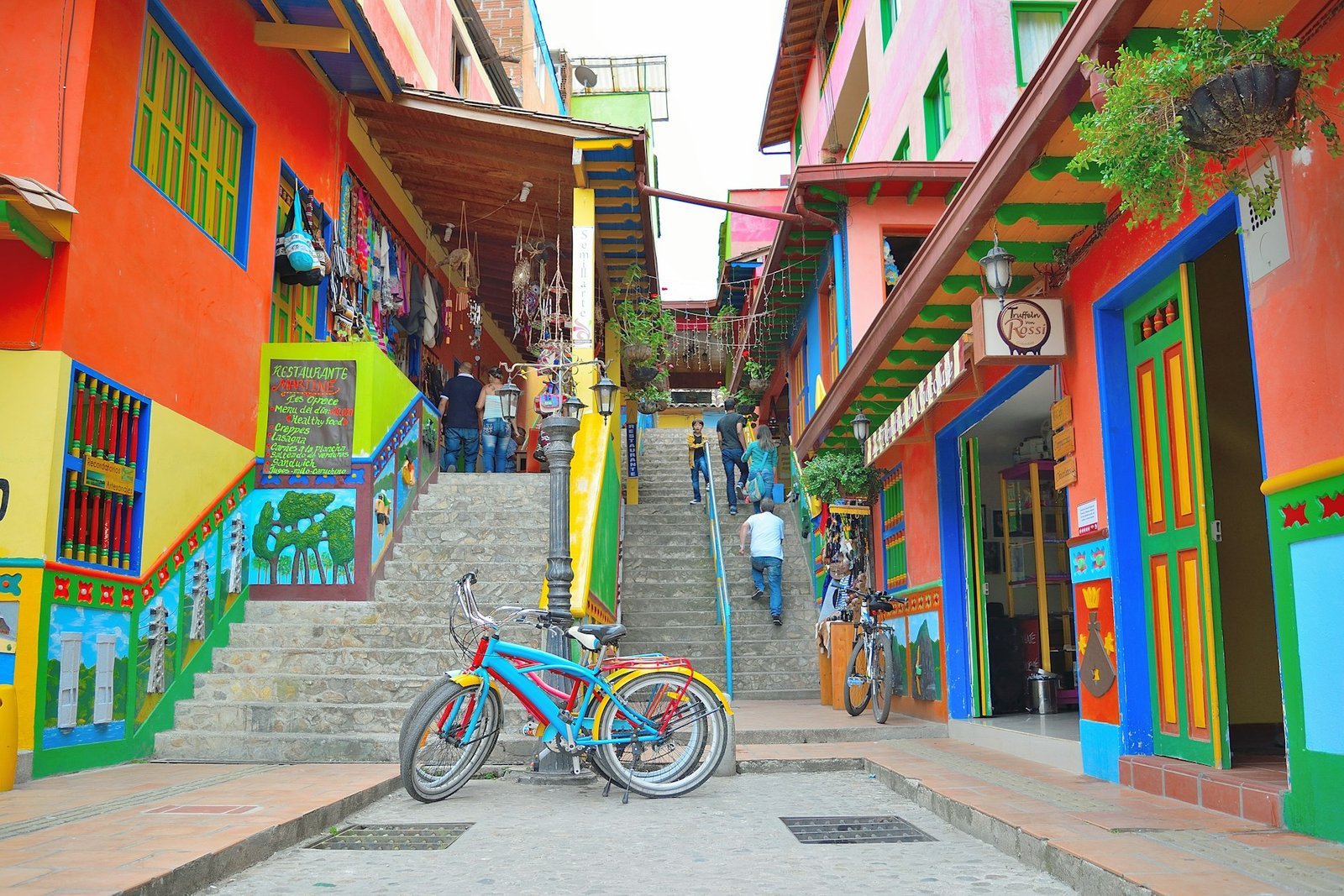
Next to El Peñol, the small town of Guatapé is one of the most colourful places in Colombia. Almost every house is decorated with zócalos, bright painted reliefs along the bottom of the walls showing animals, flowers and scenes from local life.
Wander the cobbled streets, climb the colourful staircases, have lunch by the lake and take a boat trip on the reservoir. Guatapé is a popular day trip from Medellín, but staying overnight lets you enjoy it when the crowds have gone.
9. Hike to the Beaches of Tayrona
On the Caribbean coast near Santa Marta, Tayrona National Park is where the jungle-covered mountains meet the sea. Hiking trails lead through the rainforest, where you might see monkeys, to beautiful beaches with giant boulders and golden sand.
The most famous beach is Cabo San Juan, with a small hut on a rock overlooking two bays. Many beaches have strong currents, so only swim where it’s marked as safe. The park closes for a few weeks each year to let nature recover, so check the dates before you go.

10. Explore Bogotá
Colombia’s capital, Bogotá, sits high in the Andes at 2,600 metres. Its historic centre, La Candelaria, is full of colonial buildings, street art and cosy cafés.
Don’t miss the Gold Museum, with more than 50,000 pre-Columbian gold objects, and take the cable car or funicular up Monserrate for a view over the huge city. Join a street art tour or a bike tour to see a different side of the capital.
Booking Tips
A few things are worth sorting out before you arrive:
- Airport transfer: book an airport transfer in advance with a service like Kiwitaxi, especially in Medellín, where the airport is about 45 minutes from the city
- eSIM: install an eSIM from a provider like Yesim before you fly, so you can use maps and ride apps as soon as you land
- Cartagena tours: popular options include a Cartagena Walled City Walking Tour, a Rosario Islands Boat Trip with Snorkelling and a Cartagena Street Food Tour. You can compare and book most of them on Klook
- Medellín tours: look for a Comuna 13 Graffiti Tour, a Guatapé and El Peñol Day Trip from Medellín and a Medellín Coffee Farm Tour
- Coffee region: book a Cocora Valley Hike with Guide or a Coffee Farm Tour in Salento in advance in the busy season
Booking the big experiences online usually costs about the same as booking locally, and you’ll know exactly what’s included.
Where to Stay on a Budget
Colombia has excellent value accommodation:
- Hostels: found everywhere, many with pools, rooftop bars and private rooms
- Guesthouses and boutique hotels: stylish small hotels in colonial houses, especially in Cartagena and Salento
- Coffee farm stays: sleep on a working coffee farm in the coffee region
- Eco-lodges: simple lodges in the jungle near Tayrona and in Minca
In Cartagena, stay in Getsemaní for value and atmosphere. In Medellín, El Poblado and Laureles are the most popular areas for travellers.
Eating on a Budget
Colombian food is hearty, fresh and full of flavour:
- Arepas: corn flatbreads, grilled and filled with cheese, eggs or meat
- Bandeja paisa: a huge plate of beans, rice, meat, sausage, egg, plantain and avocado from the Medellín region
- Ajiaco: a creamy chicken and potato soup from Bogotá
- Empanadas: fried pastries filled with meat or potatoes, sold everywhere
- Fresh fruit juices: made with exotic fruits like lulo, maracuyá and guanábana
Look for the menú del día, a set lunch with soup, a main course and a drink, served in local restaurants for very little money.
What It Really Costs
Here’s a realistic daily budget per person for a comfortable mid-range trip, not counting international flights.
- Accommodation: $30 to $70 per person, sharing a guesthouse or boutique hotel room
- Food: $20 to $40 a day, mixing set lunches, street food and restaurant dinners
- Transport: $15 to $30 a day on average, including ride apps, buses and a few domestic flights
- Activities: budget for the highlights separately: a Rosario Islands boat trip, Tayrona entry, a coffee farm tour, a Comuna 13 tour and the climb up El Peñol
That works out to around $80 to $150 per person per day. Staying in hostels, eating set lunches and taking buses can bring that down to $40 to $60.
A Sample 14-Day Itinerary
Days 1 to 3: Cartagena’s walled city, Getsemaní and a boat trip to the Rosario Islands.
Days 4 to 6: Travel to Santa Marta, then hike in Tayrona National Park and relax in Minca.
Days 7 to 9: Fly to Medellín, take the Comuna 13 tour and ride the Metrocable.
Day 10: Day trip to Guatapé and El Peñol.
Days 11 to 13: Travel to Salento, hike in the Cocora Valley and visit a coffee farm.
Day 14: Fly home via Bogotá, with time for the Gold Museum if your flight allows.
Practical Tips
- Fill in the Check-MIG form online before you arrive
- Use ride apps in the cities instead of hailing taxis on the street
- Stay alert: keep your phone out of sight in busy streets and don’t carry valuables at night
- Pack layers: it’s hot on the coast, mild in Medellín and cool in Bogotá and the mountains
- Carry some cash, as many small shops and buses don’t accept cards
- Learn some Spanish: a few basic phrases will make your trip much easier
Final Thoughts
Colombia is a country full of colour, energy and warmth. Walk the walls of Cartagena at sunset, hike among the giant wax palms of Cocora, sip fresh coffee on a mountain farm, climb El Peñol for one of the best views in South America and finish on the wild beaches of Tayrona.
Give yourself at least two weeks, fly between the regions and stay curious. Colombia will win your heart.
Prices checked in October 2026. Costs and opening times change, so always confirm before you book.