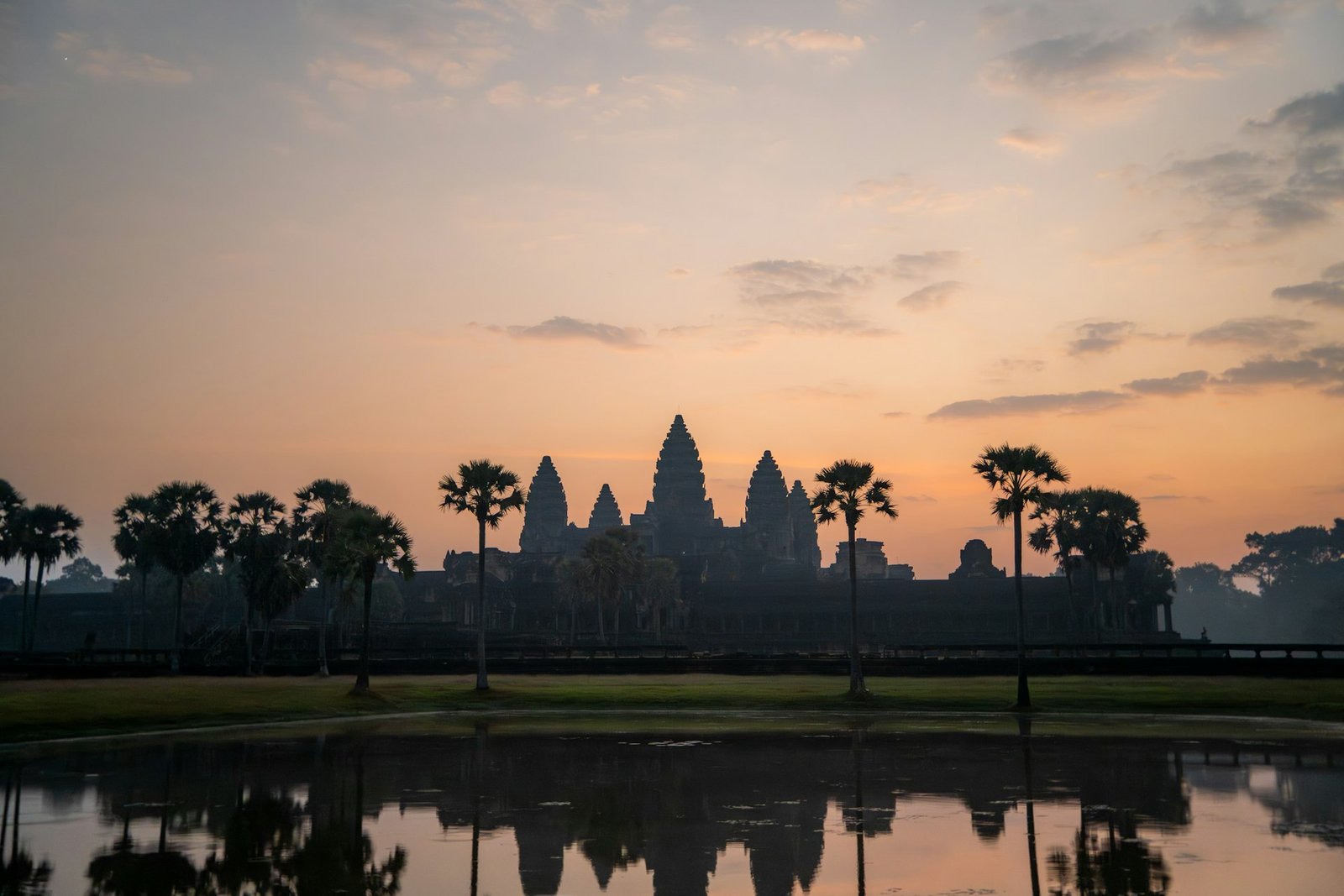
The sun rising behind the five towers of Angkor Wat, giant tree roots swallowing an ancient temple, two hundred stone faces smiling down at you from the Bayon, lazy river sunsets in Kampot and white sand beaches on islands without a single road: Cambodia packs an incredible amount into one small country.
Most travellers come for Angkor, the largest religious monument in the world, and leave wishing they had stayed longer. Beyond the temples, Cambodia has a lively capital on the Mekong, sleepy riverside towns, pepper farms, floating villages and some of the most relaxed islands in Southeast Asia.
Cambodia is also one of the best-value destinations in the region. A comfortable guesthouse room, a plate of fish amok and a tuk-tuk across town cost very little. Your biggest single expense will probably be the Angkor Pass, and it’s worth every cent. This guide shows you how to see the best of Cambodia on a real budget.
Cambodia at a Glance
- Where: in mainland Southeast Asia, between Thailand, Laos and Vietnam
- Main airports: Siem Reap-Angkor International Airport (SAI), about 50 km from Siem Reap town, and Techo International Airport (KTI), which replaced the old Phnom Penh airport
- Currency: Cambodian riel (KHR), but US dollars are used everywhere. Small change is often given in riel
- Entry: most visitors need a visa. You can apply online for an e-Visa before you travel or get a visa on arrival at the main airports. Check the current rules for your passport
- Language: Khmer. English is widely spoken in tourist areas
- Best time: November to March, the cool and dry season
- Budget: around $35 to $50 a day for budget travellers, $70 to $120 for a comfortable mid-range trip
When to Go
November to March is the best time to visit. The rains have stopped, the countryside is still green, and temperatures are pleasant, usually between 25 and 32°C. December and January are the busiest months at Angkor, so book your guesthouse early.
April and May are the hottest months, with temperatures often above 35°C. Exploring the temples in this heat is tough, so start very early and rest in the middle of the day.
June to October is the rainy season. Showers usually come in the afternoon, the landscape turns bright green and the moats of Angkor fill with water. Prices drop and the temples are much quieter. Some island boats run less often when the sea is rough.
Our tip: visit in November or February for dry weather, green rice fields and fewer crowds than in the peak weeks.
How Long Do You Need?
Plan at least ten days for Cambodia. That gives you three days for the temples of Angkor, two days in Phnom Penh, two days in Kampot and Kep, and three days on the islands. With two weeks, you can slow down and add a floating village on the Tonle Sap or more time at the beach.
Getting Around
Cambodia is easy to travel on a budget:
- Buses: comfortable buses connect Siem Reap, Phnom Penh, Kampot and Sihanoukville. Giant Ibis is one of the most reliable companies. Phnom Penh to Siem Reap takes about six hours
- Tuk-tuks: the classic way to get around town. Use the Grab or PassApp apps for fixed prices instead of bargaining
- Ferries: fast boats run from Sihanoukville to Koh Rong and Koh Rong Samloem in about 45 to 60 minutes
- Flights: domestic flights link Siem Reap, Phnom Penh and Sihanoukville if you’re short on time
Things to Do in Cambodia
Here are the experiences we think are worth your time and money.
1. Watch the Sunrise at Angkor Wat
There are few sights in the world like Angkor Wat at dawn. As the sky turns pink and orange, the silhouette of the five lotus-shaped towers slowly appears, reflected in the lotus pond in front of the temple.
Built in the 12th century, Angkor Wat is the largest religious monument on earth. After sunrise, explore the long galleries with their detailed stone carvings and climb to the upper level for a view over the jungle. You need an Angkor Pass, available for one, three or seven days. The three-day pass is the best value for most visitors. Wear clothes that cover your shoulders and knees, as you won’t be allowed into the upper temple otherwise.
2. Explore the Jungle Temple of Ta Prohm
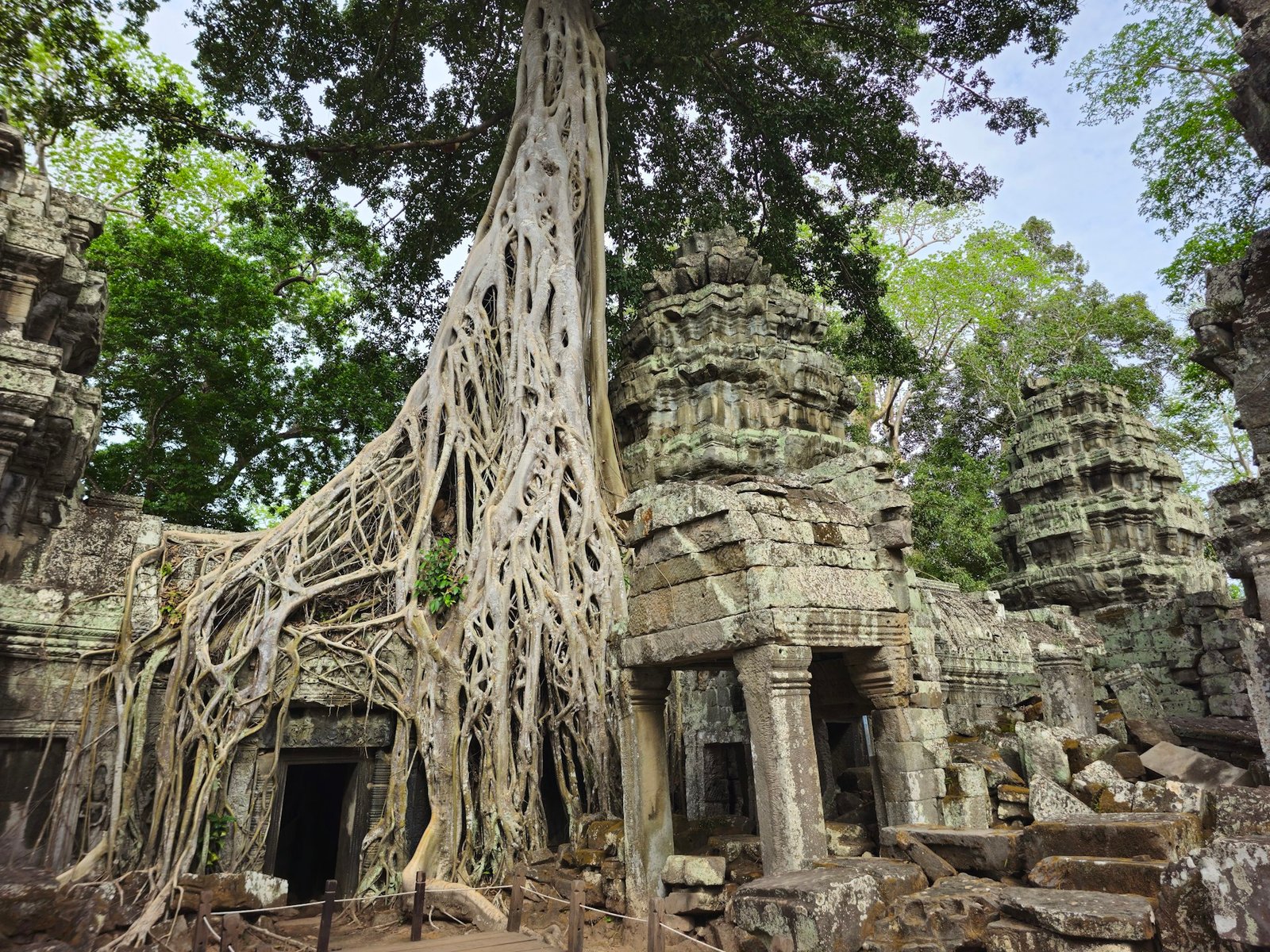
Ta Prohm is the temple that nature took back. Giant silk-cotton and strangler fig trees grow straight out of the walls, their roots wrapping around doorways and toppled stones like enormous fingers.
Unlike many other temples, Ta Prohm has been left largely as it was found, which gives it an incredible atmosphere. Come early in the morning or late in the afternoon, when the light filters through the trees and the tour groups have gone.
3. Meet the Faces of the Bayon
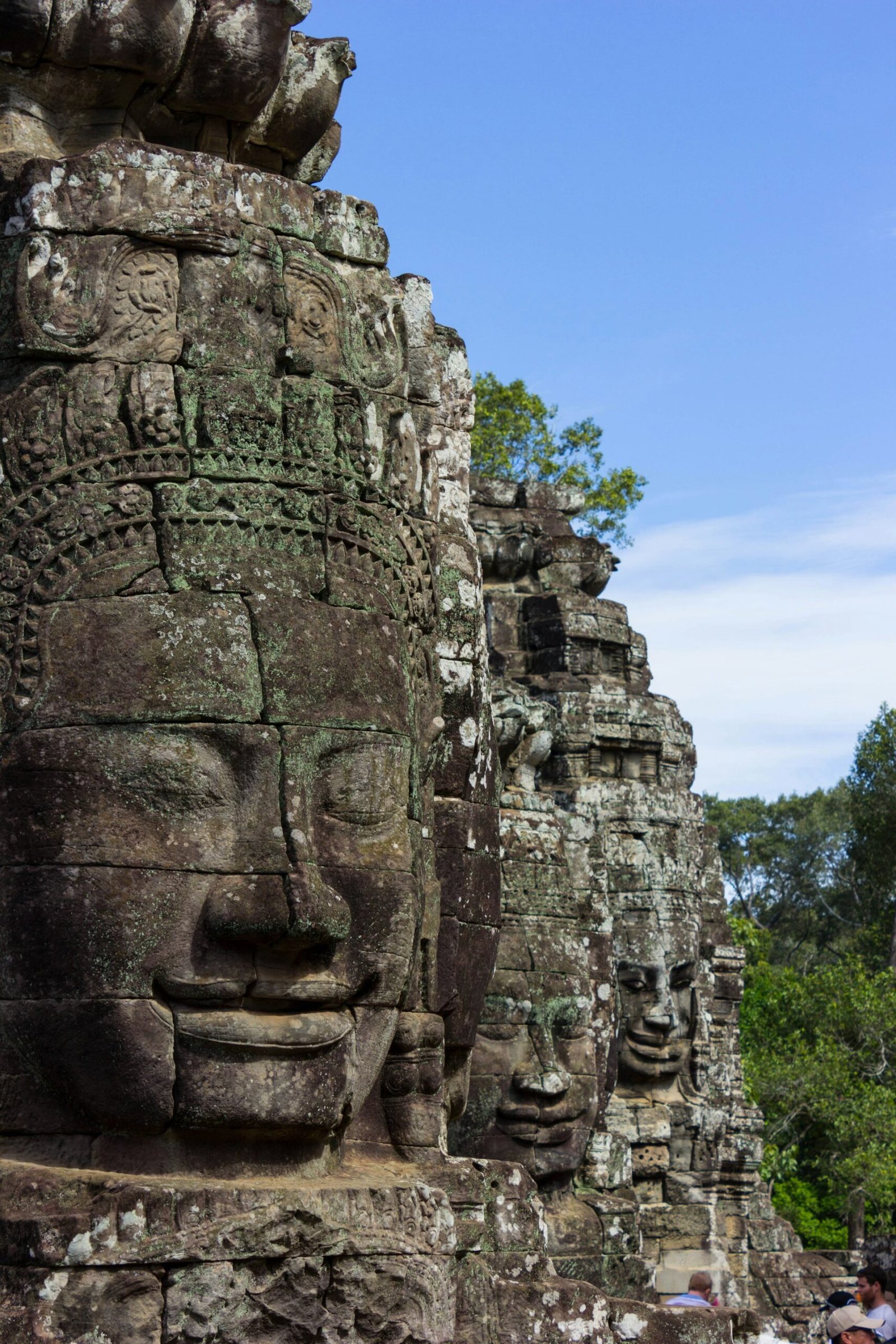
In the heart of the ancient city of Angkor Thom stands the Bayon, one of the most fascinating temples of all. Its towers are covered with around 200 giant stone faces, calm and smiling, looking out in every direction.
Walk through the narrow passages and look closely at the walls, where carvings show scenes of battles, markets and everyday life in the Khmer Empire. Afterwards, walk along the Terrace of the Elephants and the Terrace of the Leper King nearby.
4. Venture to Banteay Srei and the Outer Temples
About 35 km from the main temples, Banteay Srei is small but beautiful. Its pink sandstone is covered with some of the finest carvings in all of Angkor, so detailed that they look almost like lace.
Combine it with a visit to Kbal Spean, a short jungle hike to a river where Hindu gods are carved into the riverbed, and the peaceful temple of Banteay Samre. Hire a tuk-tuk for the day, or join a small-group tour that includes the outer temples.
5. Enjoy Siem Reap After Dark
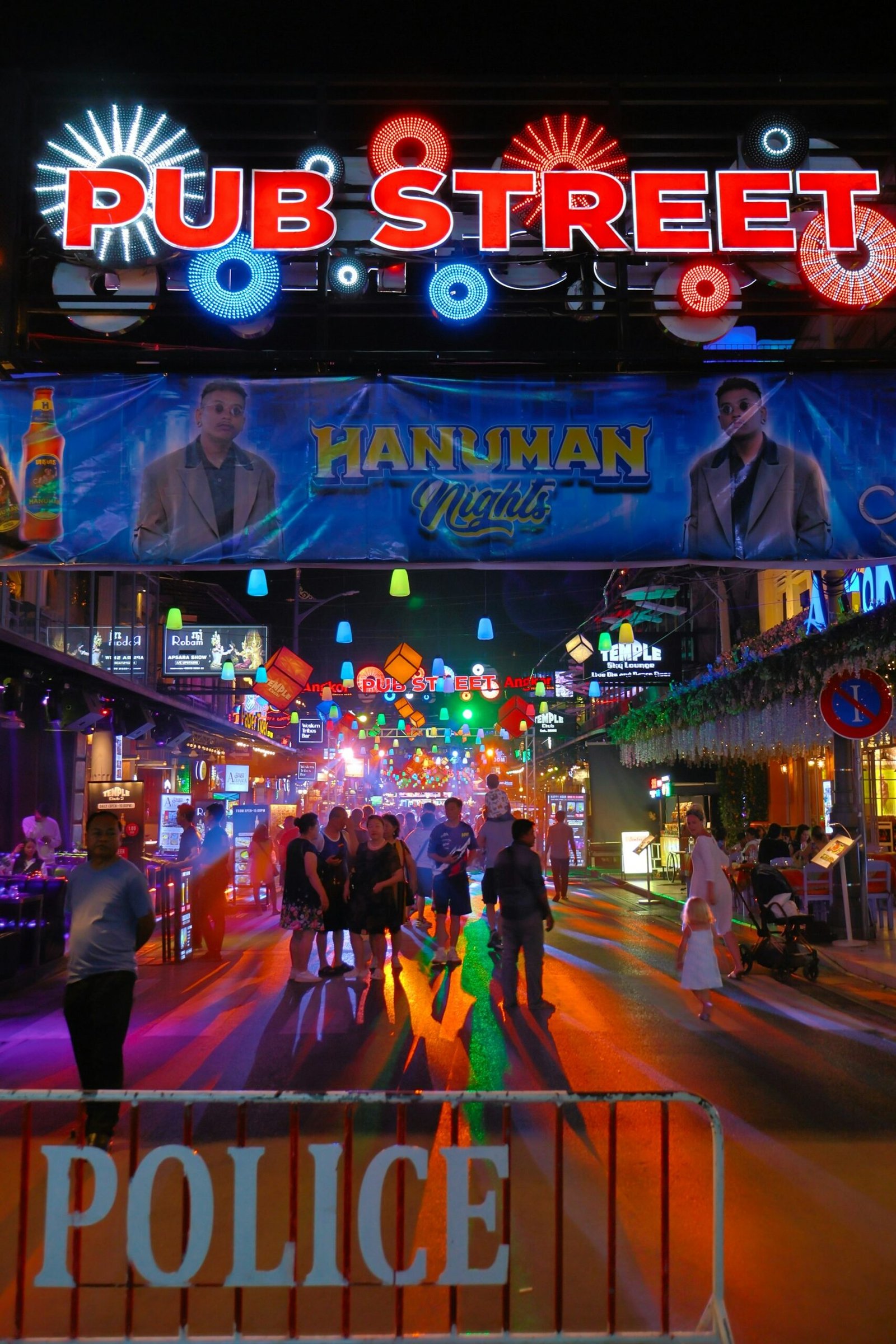
After a long day at the temples, Siem Reap comes alive. Pub Street is the heart of the action, with neon lights, cheap drinks, street food and music spilling out of the bars.
For something different, browse the Angkor Night Market for scarves, paintings and souvenirs, or book a show at Phare, The Cambodian Circus, where young Cambodian artists perform acrobatics, theatre and live music. It’s one of the best evenings out in the country, and the money supports a local arts school.
6. Visit a Floating Village on the Tonle Sap
The Tonle Sap is the largest freshwater lake in Southeast Asia. Every year in the rainy season, the lake grows to several times its size, and whole villages live on stilts or on floating houses.
Visit Kampong Phluk, about an hour from Siem Reap, where houses stand on stilts up to ten metres high, and take a small boat through the flooded mangrove forest. Choose a responsible tour, as some floating village trips near Siem Reap are known for overpriced boat rides and donation scams.
7. Discover Phnom Penh
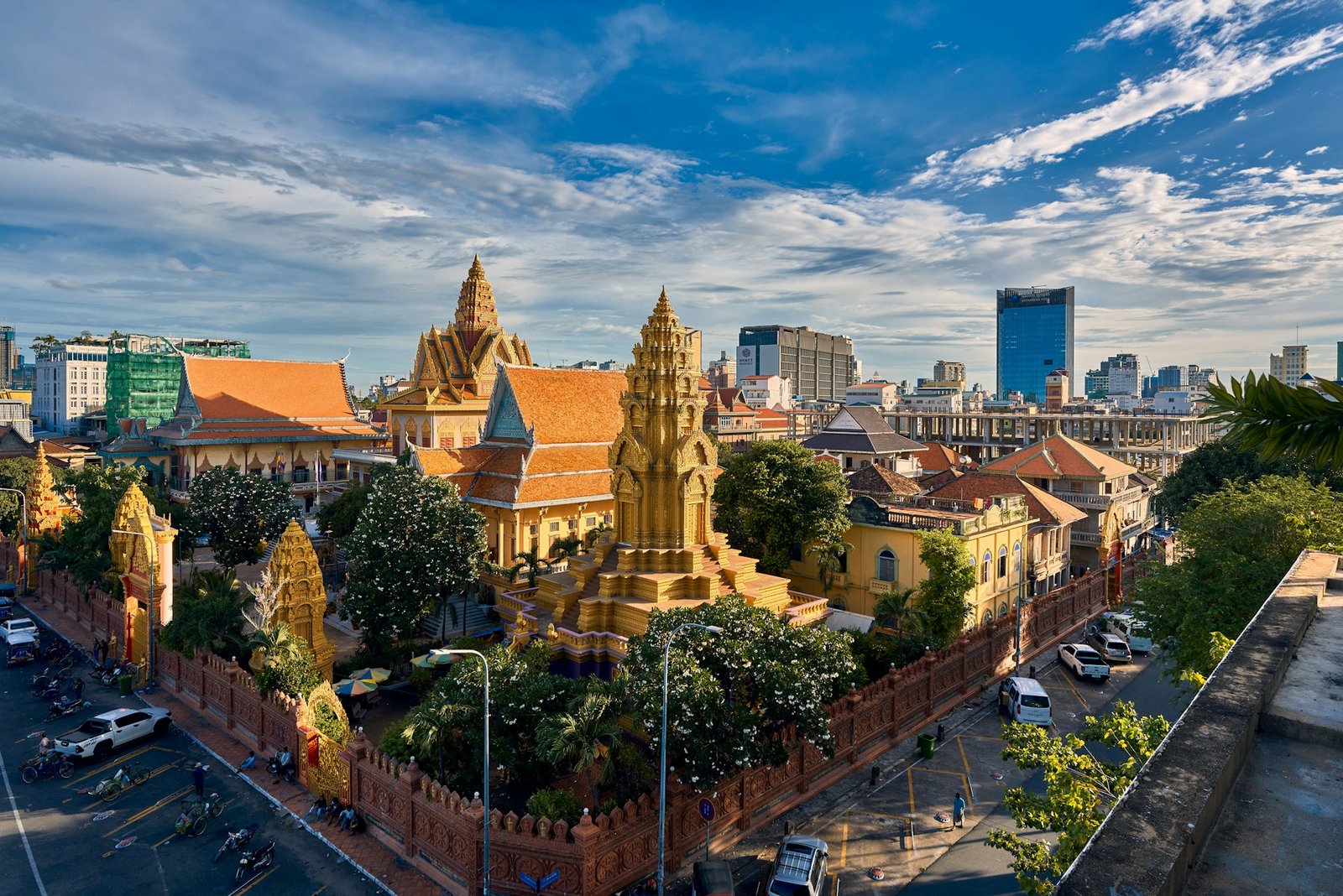
Cambodia’s capital, Phnom Penh, sits where the Mekong and Tonle Sap rivers meet. It’s busy, noisy and full of life, with French colonial buildings, golden temples and a fast-growing skyline.
Start at the Royal Palace and the Silver Pagoda, whose floor is covered with more than 5,000 silver tiles. Walk along the riverside promenade in the evening, browse the art deco Central Market and watch the sunset from a rooftop bar or on a river cruise.
8. Learn the History at Tuol Sleng and Choeung Ek
To understand modern Cambodia, you need to learn about its tragic past. Between 1975 and 1979, the Khmer Rouge regime killed around a quarter of the population.
The Tuol Sleng Genocide Museum, a former school that became a prison, and the Choeung Ek memorial, known as the Killing Fields, tell this story in a powerful and respectful way. The audio guide at Choeung Ek is excellent. It’s a heavy but important day, so plan something calm for the afternoon.
9. Slow Down in Kampot and Kep
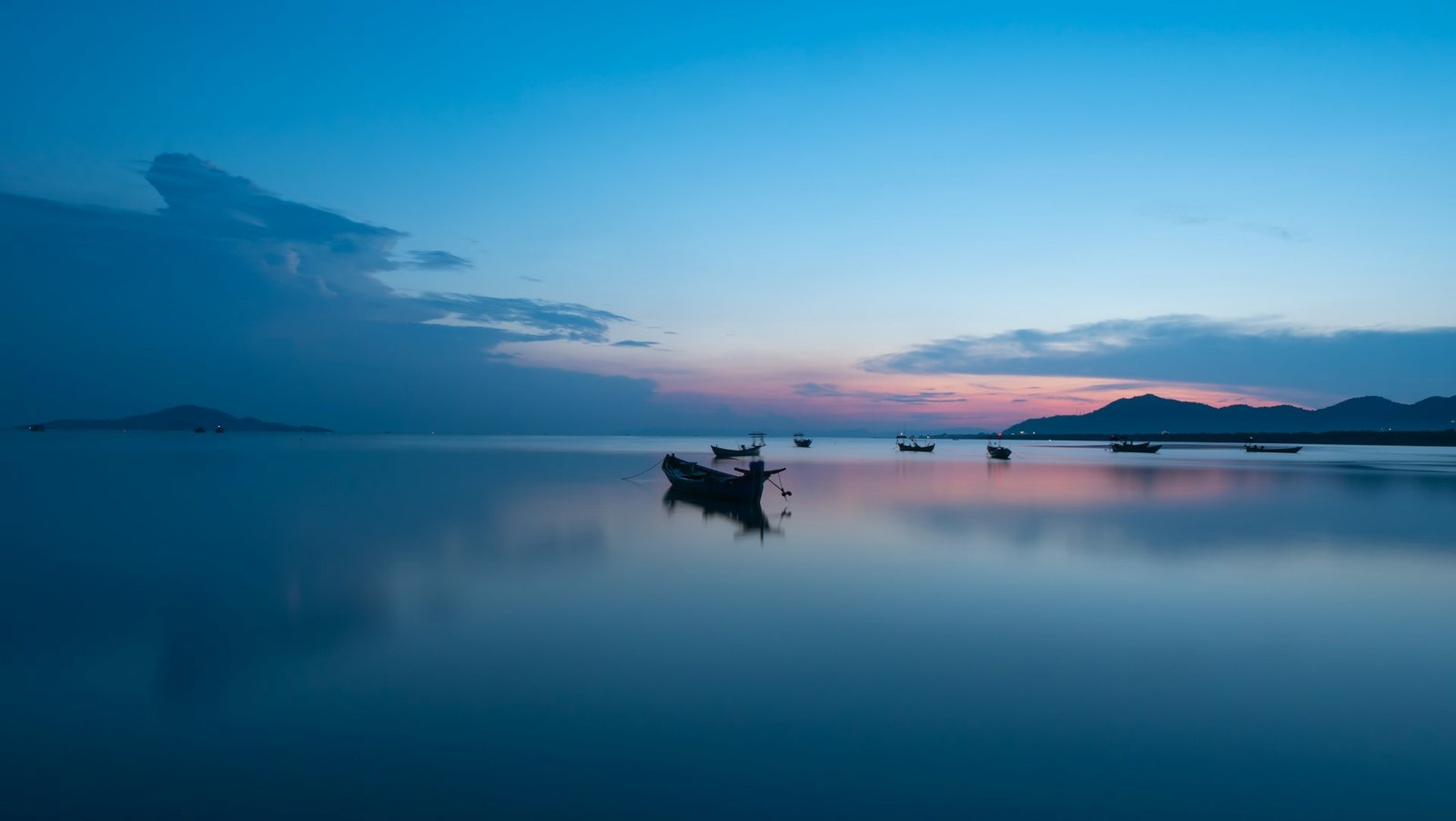
Kampot is a sleepy riverside town at the foot of the Bokor Mountains, with crumbling colonial buildings, friendly cafés and beautiful sunsets over the river.
Visit a pepper farm to taste the famous Kampot pepper, rent a scooter to explore the countryside and salt fields, or take a sunset boat trip on the river to see the fireflies. Just 30 minutes away, the seaside town of Kep is famous for its crab market, where you can eat fresh crab cooked with green Kampot pepper right by the sea.
10. Relax on Koh Rong and Koh Rong Samloem
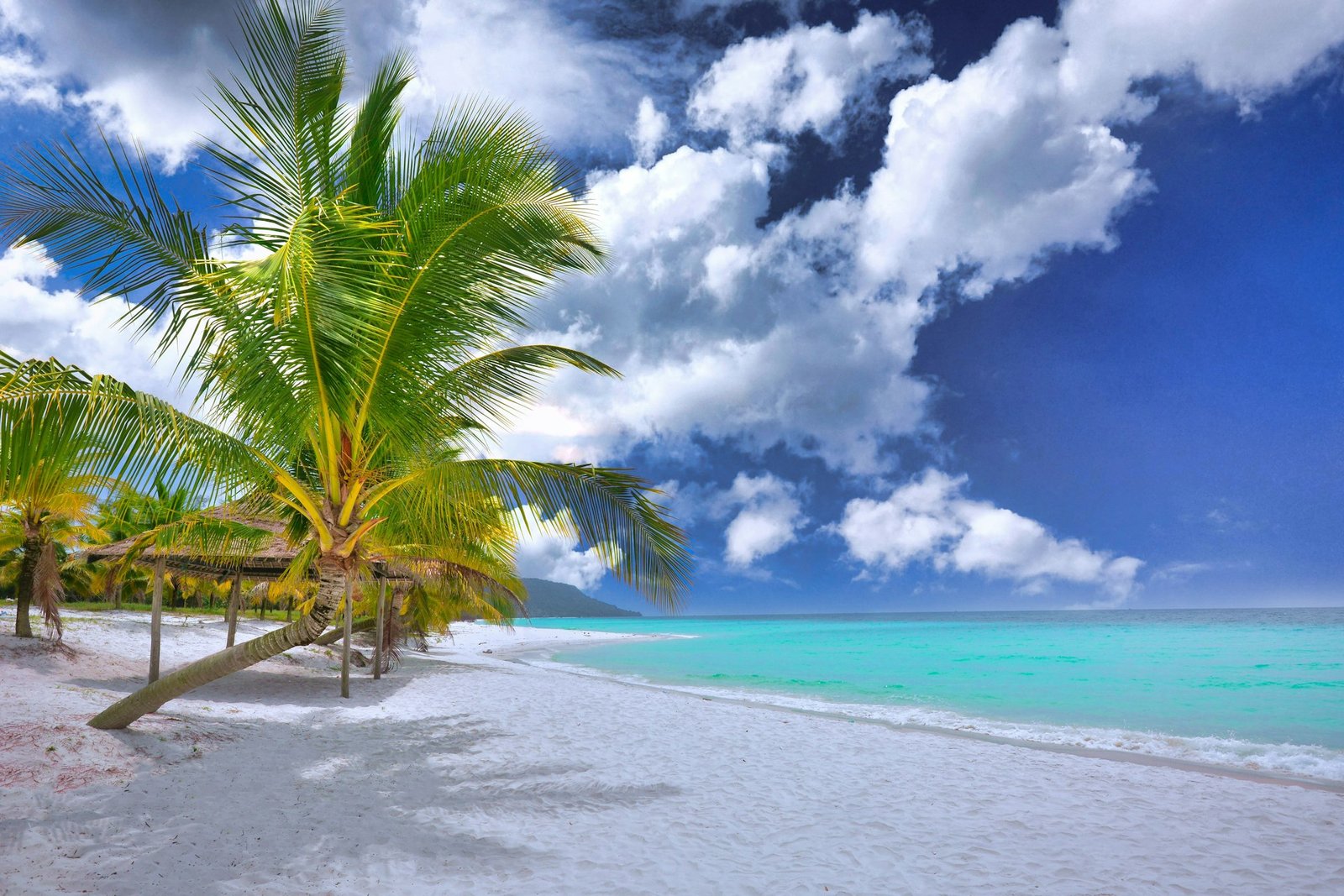
Off the south coast, the islands of Koh Rong and Koh Rong Samloem are Cambodia’s tropical paradise. Think long white sand beaches, turquoise water and jungle-covered hills, with hardly any roads or cars.
On Koh Rong, relax on Long Set Beach or the stunning Sok San Beach, and swim with glowing plankton at night. Koh Rong Samloem is even quieter, perfect for lazy days in a hammock at Saracen Bay or Lazy Beach. Join a snorkelling and island-hopping tour to see the nearby reefs and smaller islands.
Booking Tips
A few things are worth sorting out before you arrive:
- Airport transfer: Siem Reap’s new airport is about an hour from town, and the new Phnom Penh airport is also outside the city. Book an airport transfer in advance with a service like Kiwitaxi, so a driver is waiting for you with a fixed price
- eSIM: mobile data in Cambodia is cheap and fast. Install an eSIM from a provider like Yesim before you fly, so you can use maps, Grab and PassApp as soon as you land
- Angkor tours: popular options include an Angkor Wat Sunrise Small-Group Tour, a Full-Day Angkor Temples Tour by Tuk-Tuk and an Angkor Grand Circuit Tour with Banteay Srei. A good guide brings the carvings and history to life. You can compare and book most of them on Klook
- Day trips: look for a Kampong Phluk Floating Village Tour from Siem Reap, a Phnom Penh Killing Fields and S-21 Tour and a Kampot Pepper Farm and Kep Crab Market Day Trip
- Islands: book a Koh Rong Island Hopping and Snorkelling Tour or your ferry tickets in advance in the high season
Booking the big experiences online usually costs about the same as booking locally, and you’ll know exactly what’s included.
Where to Stay on a Budget
Cambodia has excellent value accommodation for every budget:
- Hostels: found in Siem Reap, Phnom Penh, Kampot and on the islands, many with swimming pools
- Guesthouses: simple, friendly and family-run, often with a private room for very little money
- Boutique hotels: Siem Reap in particular has many stylish small hotels with pools at surprisingly low prices
- Beach bungalows: wooden huts close to the sand on Koh Rong and Koh Rong Samloem
In Siem Reap, stay near the Old Market or along the river so you can walk to restaurants in the evening. In Phnom Penh, the area around the riverside and the Royal Palace is the most convenient.
Eating on a Budget
Cambodian food is fresh, fragrant and less spicy than Thai food. Don’t miss these dishes:
- Fish amok: a creamy fish curry with coconut milk, steamed in banana leaves, Cambodia’s national dish
- Lok lak: stir-fried beef with a lime and pepper dipping sauce
- Nom banh chok: fresh rice noodles with a green fish curry, a popular breakfast
- Bai sach chrouk: grilled pork with rice, a cheap and filling breakfast sold at street stalls
- Kampot pepper crab: the speciality of Kep
Street food and local restaurants are very cheap. A meal at a market or a simple local restaurant costs just a few dollars, and a fresh fruit shake costs even less.
What It Really Costs
Here’s a realistic daily budget per person for a comfortable mid-range trip, not counting flights.
- Accommodation: $20 to $50 per person, sharing a guesthouse room or boutique hotel
- Food: $15 to $30 a day, mixing street food, local restaurants and the odd Western meal
- Transport: $10 to $25 a day, including tuk-tuks, buses and ferries
- Activities: budget for the highlights separately: the Angkor Pass, a tuk-tuk or guide for the temples, the Phare circus, a floating village trip and island boat tours
That works out to around $70 to $120 per person per day. Staying in hostels, eating local food and taking buses can bring that down to $35 to $50.
A Sample 10-Day Itinerary
Day 1: Arrive in Siem Reap and enjoy your first evening on Pub Street.
Day 2: Sunrise at Angkor Wat, then the Bayon and Ta Prohm.
Day 3: Banteay Srei and the outer temples, then the Phare circus in the evening.
Day 4: Morning trip to the floating village of Kampong Phluk, then travel to Phnom Penh.
Day 5: The Royal Palace, the Silver Pagoda and a sunset river cruise.
Day 6: Tuol Sleng and Choeung Ek, then a quiet evening by the river.
Day 7: Travel to Kampot and watch the sunset on the river.
Day 8: Pepper farm and crab lunch in Kep.
Day 9: Travel to Koh Rong and relax on the beach.
Day 10: Island hopping and snorkelling, then head back for your flight home.
Add a few more days on the islands if you have time. You won’t regret it.
Practical Tips
- Bring small US dollar notes in good condition, as torn or damaged notes are often refused
- Cover up at the temples: shoulders and knees must be covered at Angkor and the Royal Palace
- Use Grab or PassApp for tuk-tuks to avoid bargaining
- Drink bottled or filtered water, and use plenty of sunscreen and insect repellent
- Be respectful at memorial sites: keep your voice down and dress modestly
- Don’t give money to children begging at the temples. Support local social businesses and training restaurants instead
Final Thoughts
Cambodia is a country that stays with you. Watch the sun rise over Angkor Wat, wander through the jungle temple of Ta Prohm, meet the smiling faces of the Bayon, learn about the country’s past in Phnom Penh, taste pepper crab in Kep and fall asleep to the sound of the waves on Koh Rong.
Travel in the cool season, take your time at the temples and leave room for the islands. Cambodia will give you far more than you expect, for far less than you’d think.
Prices checked in October 2026. Costs and opening times change, so always confirm before you book.
Leave a Reply