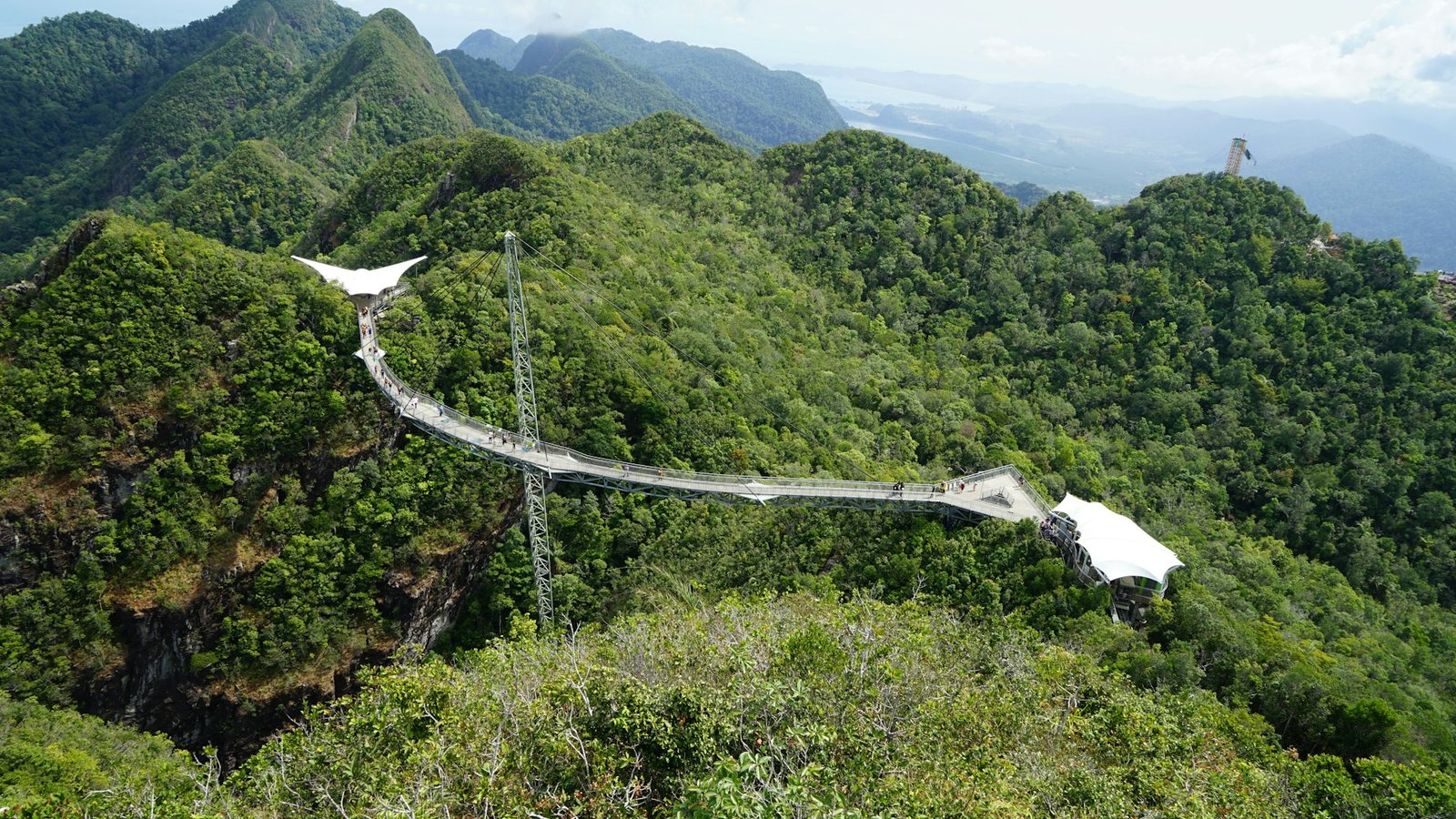
A curved bridge hanging high above the rainforest, a cable car gliding up a jungle mountain with the sea glittering below, quiet beaches lined with palm trees, mangrove forests full of eagles and monkeys, and a scattering of green islands glowing at sunset: Langkawi is Malaysia’s tropical playground.
This archipelago of 99 islands lies in the Andaman Sea, just off the northwest coast of Malaysia and close to the border with Thailand. Its ancient rocks and rainforests are protected as a UNESCO Global Geopark, and the main island is big enough to explore for a week, yet small enough to drive around in a day.
Langkawi is also one of the best-value beach destinations in Asia. It’s a duty-free island, so many things are cheaper than on the Malaysian mainland, and food, transport and accommodation are very affordable. With a rented car and a few nights in a simple beach hotel, you can enjoy paradise on a real budget. This guide shows you how.
Langkawi at a Glance
- Where: in the Andaman Sea, off the northwest coast of Malaysia, near the Thai border
- Main airport: Langkawi International Airport (LGK), with flights from Kuala Lumpur, Penang and Singapore
- Currency: Malaysian ringgit (MYR)
- Entry: many nationalities can visit Malaysia visa-free. Most visitors must also complete the online Malaysia Digital Arrival Card before arrival. Check the current rules for your passport
- Languages: Malay. English is widely spoken
- Best time: November to April, the dry season
- Budget: around $40 to $70 a day for budget travellers, $90 to $160 for a comfortable mid-range trip
When to Go
November to April is the dry season and the best time to visit. December to March is especially good, with sunny days, calm seas and little rain. It’s the busiest time, especially around Christmas, New Year and Chinese New Year.
April is hot but still mostly dry, and a good-value month with fewer visitors.
May to October is the rainy season, with tropical showers, usually in the afternoon. Many days are still sunny, the island is greener and prices are lower, but the sea can be rough and some boat trips may be cancelled.
Our tip: visit in February or March for the best weather, calm water and fewer crowds than at Christmas.
Where to Stay
Most visitors stay on the west coast of the main island, where the best beaches are.
Pantai Cenang
Pantai Cenang is the liveliest area, with a long beach, lots of restaurants, bars and shops, and accommodation for every budget. It’s the best base for first-time visitors.
Pantai Tengah and the North
Next door, Pantai Tengah is quieter and more relaxed. If you want peace and nature, the beaches of Tanjung Rhu and Datai Bay in the north are home to beautiful but more expensive resorts.
Getting Around
There is almost no public transport on Langkawi, so the easiest way to get around is to rent a car. Car rental is cheap, roads are quiet and well-maintained, and driving is on the left. Scooters are also available, but only rent one if you’re an experienced rider.
Grab, the app-based ride service, works well and is cheap. Taxis are available too, with fixed prices for common routes.
To arrive by sea, ferries run to Langkawi from Kuala Perlis and Kuala Kedah on the mainland, and from Penang.
Things to Do in Langkawi
Here are the experiences we think are worth your time and money.
1. Ride the Cable Car and Walk the Sky Bridge
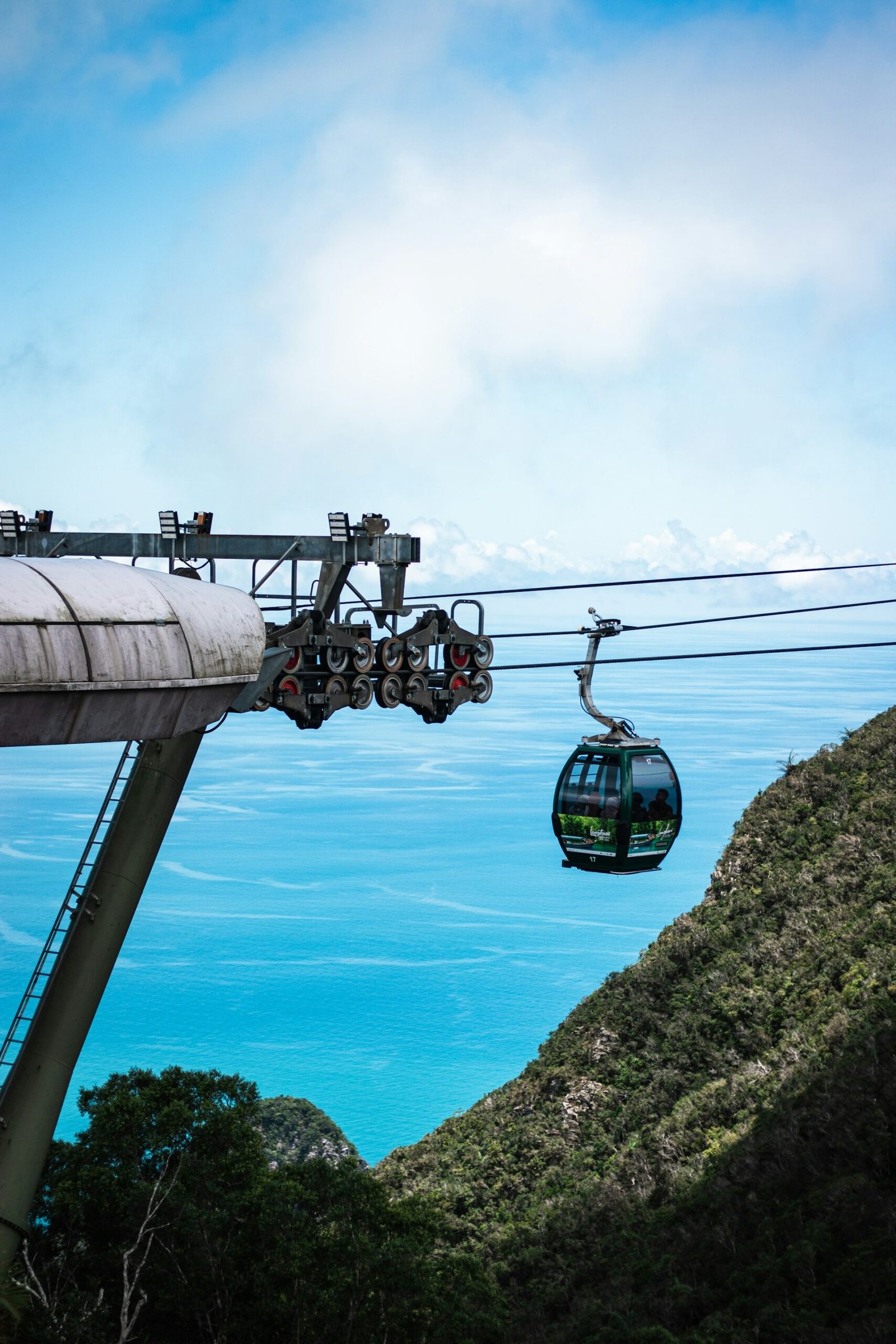
The SkyCab, one of the steepest cable cars in the world, takes you up to the top of Gunung Mat Cincang, more than 700 metres above the sea. The ride over ancient rainforest and waterfalls is spectacular, with the islands of the Andaman Sea spread out below.
At the top, walk out onto the Sky Bridge, a curved pedestrian bridge suspended high above the jungle. Go early in the morning, before the clouds roll in and the queues grow. Tickets are on the pricier side by Langkawi standards, but this is the island’s most famous experience.
2. Relax on Pantai Cenang
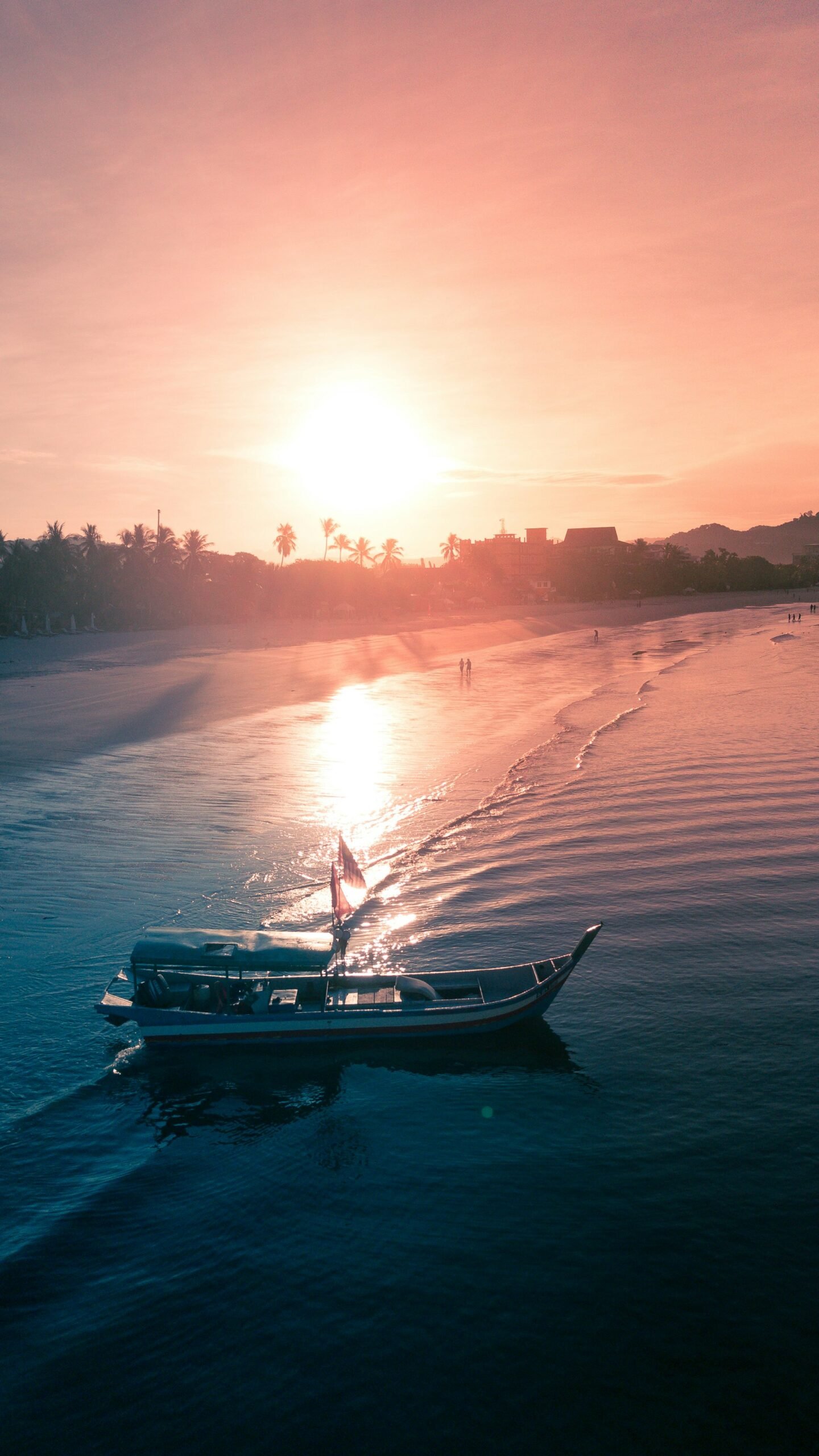
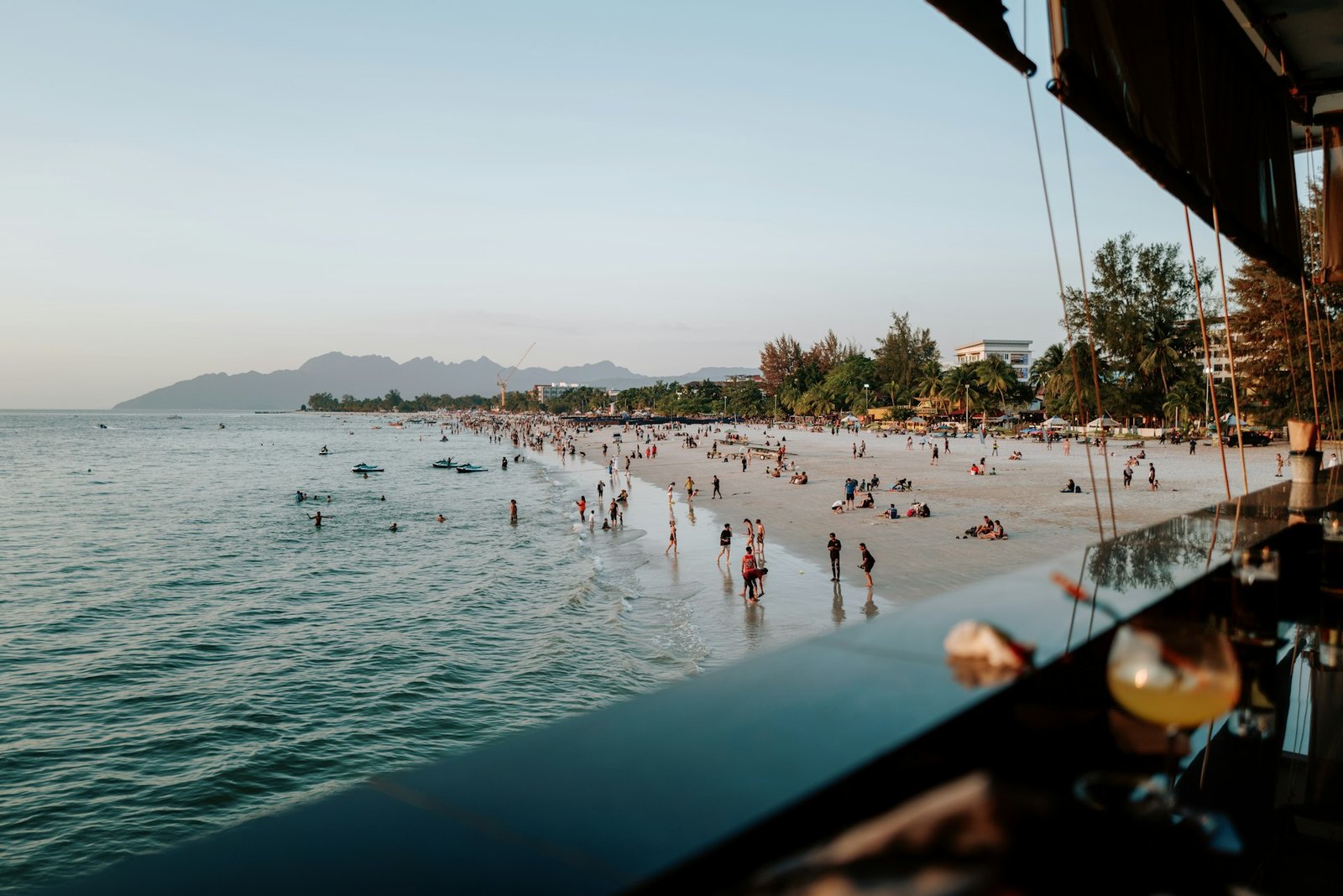
Pantai Cenang is Langkawi’s most popular beach, a long stretch of soft white sand lined with palm trees and casual beach bars. The water is warm and calm, perfect for swimming, and you can rent kayaks, paddleboards and jet skis.
In the evening, the beach comes alive. Watch the sunset with your feet in the sand, enjoy a cheap cocktail at one of the bars and join the crowd at the night market or along the main street.
3. Go Island Hopping
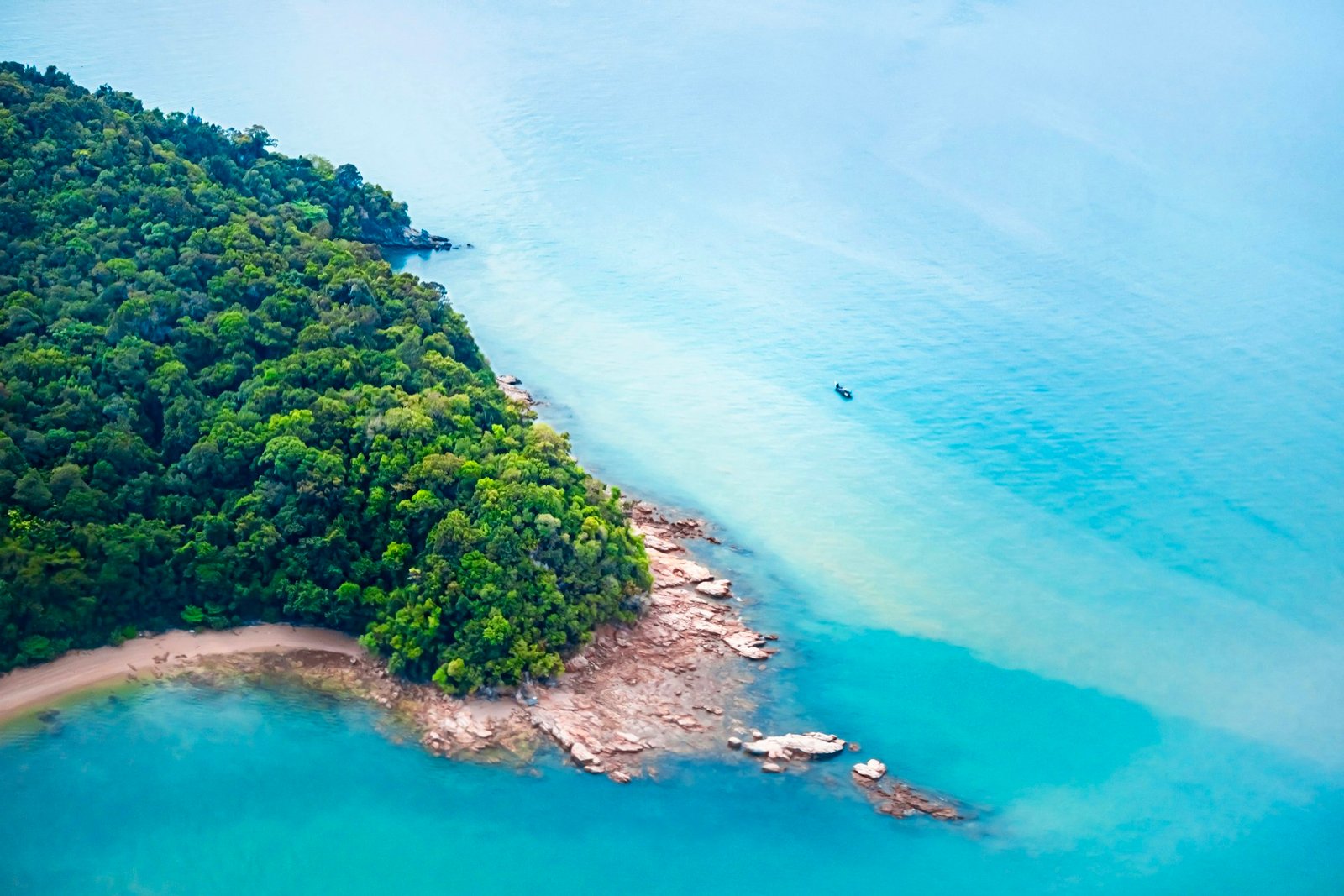
Langkawi’s island-hopping tour is one of the best-value trips on the island. In about four hours, a speedboat takes you to some of the smaller islands of the archipelago, past limestone cliffs, green jungle and hidden coves.
Tours usually stop at Pulau Beras Basah, a small island with a white sand beach and clear water for swimming, and at Pulau Dayang Bunting with its famous freshwater lake. Some tours also stop to watch eagles. Choose an operator that doesn’t feed them, as feeding harms the birds.
4. Swim in the Lake of the Pregnant Maiden
Tasik Dayang Bunting, the Lake of the Pregnant Maiden, is the largest freshwater lake in Langkawi. It sits on the island of Pulau Dayang Bunting, just a short walk from the sea, surrounded by jungle-covered limestone hills.
A legend says that women who swim in the lake will be blessed with children. Rent a pedal boat, swim in the calm water or just enjoy the view. Watch out for the cheeky monkeys on the path, and don’t carry food in your hands.
5. Explore the Kilim Mangroves
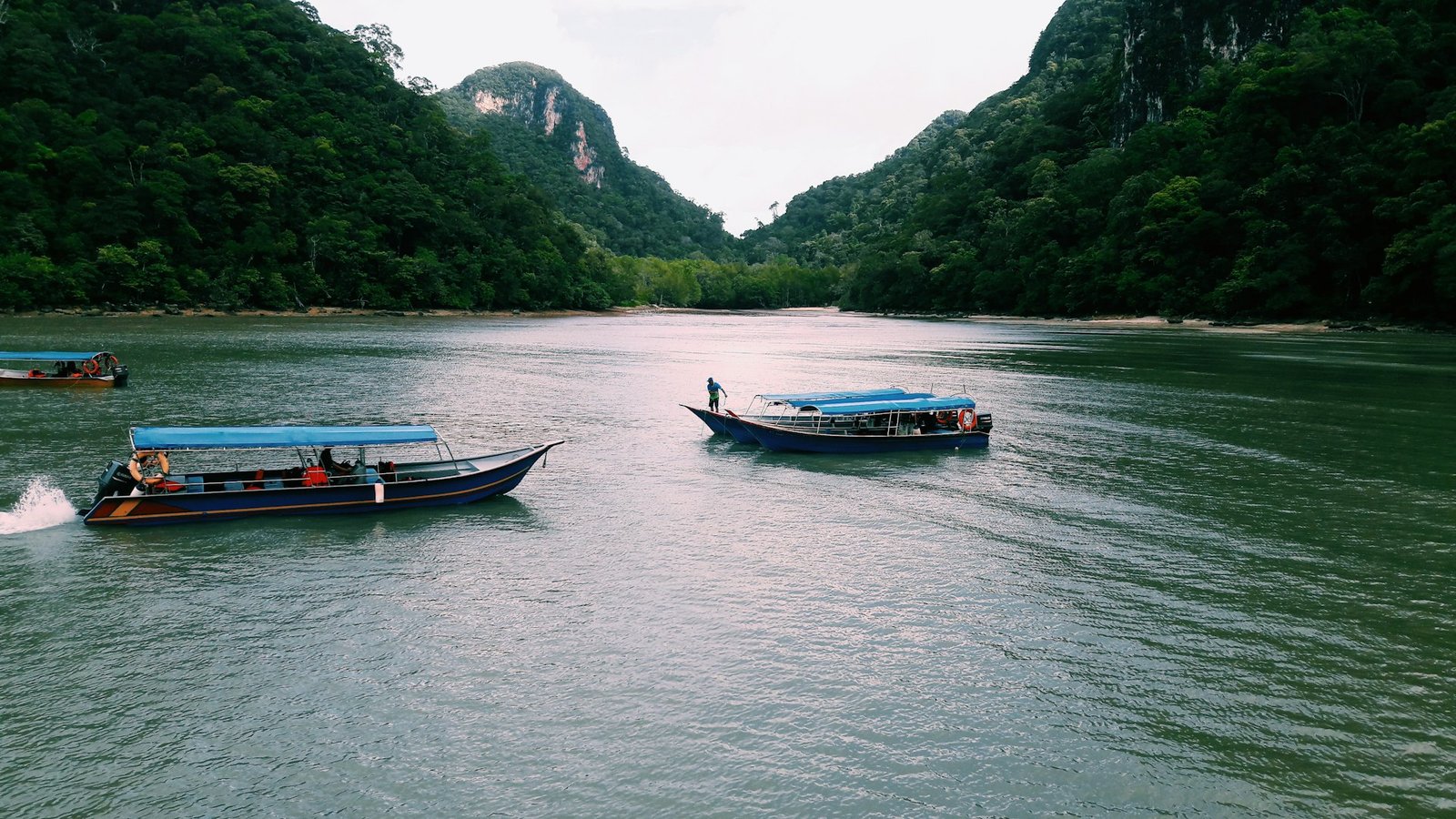
On the northeast coast, the Kilim Karst Geoforest Park is a maze of mangrove forests, limestone cliffs and narrow rivers. It’s one of the most beautiful natural areas in Langkawi and a key part of the UNESCO Geopark.
Join a boat tour through the mangroves to see bats in a cave, monkeys on the riverbanks and fish farms floating on the water. For a quieter experience, choose a kayak tour, which lets you paddle silently through the narrow channels and spot more wildlife.
6. Discover Tanjung Rhu Beach
In the north of the island, Tanjung Rhu is one of Langkawi’s most beautiful and peaceful beaches. Its fine sand and calm, shallow water stretch out towards small limestone islands, and at low tide you can sometimes walk across a sandbar.
It’s much quieter than Pantai Cenang, with only a few restaurants and resorts. Come for a lazy afternoon of swimming and reading in the shade of the trees, and stay for the sunset.
7. Hike to the Seven Wells Waterfall
Telaga Tujuh, the Seven Wells Waterfall, is a series of seven natural pools connected by small waterfalls, high up in the jungle on the slopes of Gunung Mat Cincang. A legend says that fairies once bathed here.
Climb the steps through the forest to the top pools, where you can swim in the cool, clear water and slide down smooth rocks. Bring good shoes, as the rocks are slippery, and come in the morning before the crowds. The waterfall is fullest after the rainy season.
8. Take a Sunset Cruise
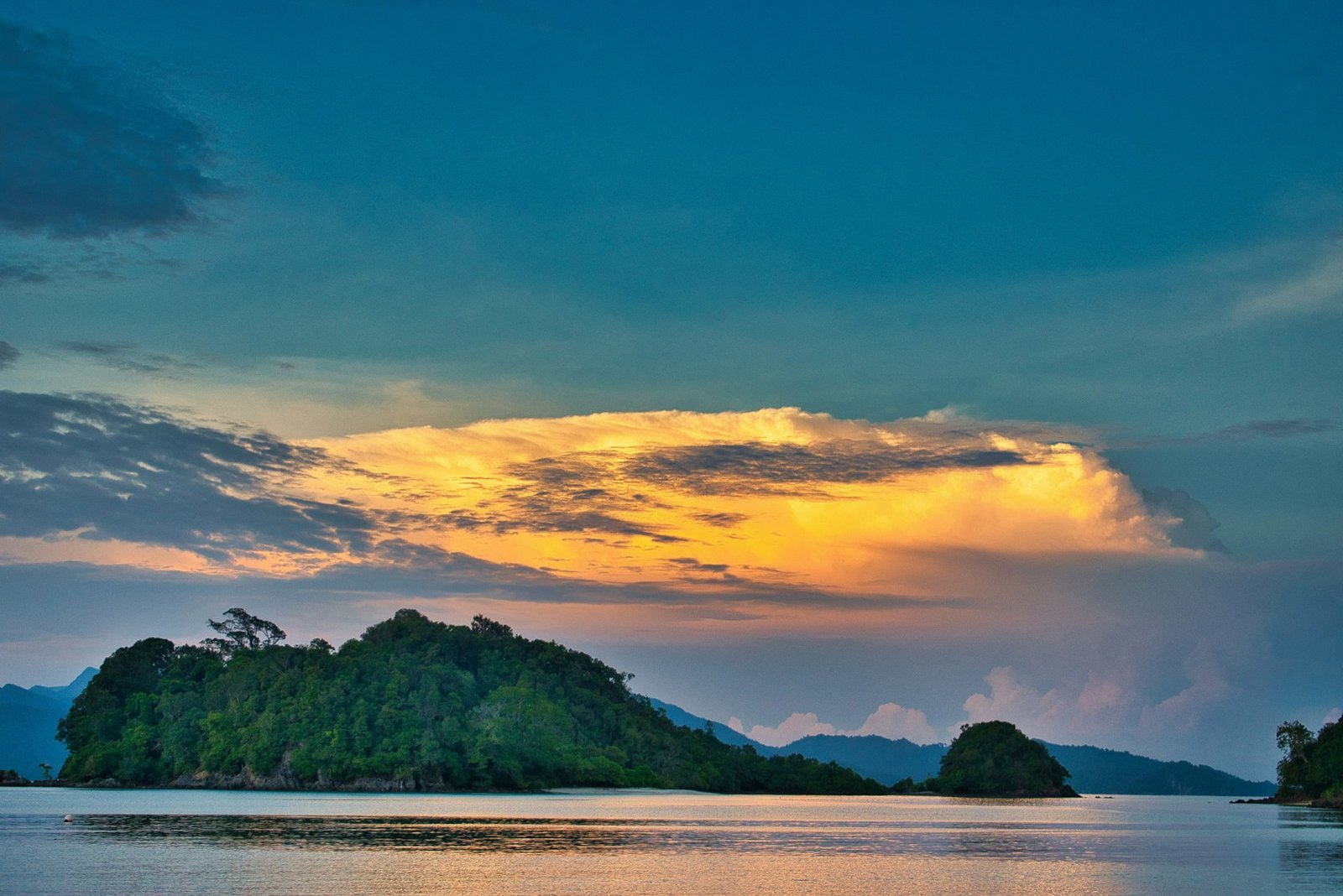
A sunset cruise on a catamaran or yacht is one of the most popular experiences in Langkawi. Most trips sail along the west coast and around the small islands, with stops for swimming, a jacuzzi net at the back of the boat and a buffet dinner on board.
As the sun goes down, the islands turn into dark silhouettes against a sky of orange and pink. It’s a splurge, but still good value compared with similar cruises in other parts of Asia.
9. Eat at the Night Markets
Langkawi’s night markets move to a different town every evening. They’re full of stalls selling cheap and delicious Malaysian food, from grilled satay and fried noodles to fresh fruit, desserts and cold drinks.
Ask your hotel where the market is on the day you want to go. Bring cash and an appetite, and try a little of everything. It’s one of the best ways to experience local life on the island.
10. Snorkel at Pulau Payar Marine Park
About an hour by boat from Langkawi, Pulau Payar Marine Park is the best place for snorkelling and diving in the area. The coral reefs around the small island are full of tropical fish, and you can often see baby blacktip reef sharks in the shallow water near the beach.
Day trips usually include snorkelling gear, lunch and the marine park fee. The water is clearest in the dry season. Never touch the coral or the animals, and use reef-safe sunscreen.
Where to Stay on a Budget
Langkawi offers great value for every budget:
- Guesthouses and hostels: simple, clean rooms near Pantai Cenang at low prices
- Beach chalets: wooden or concrete chalets close to the sand, often with a small garden
- Mid-range hotels: comfortable hotels with pools in Pantai Cenang and Pantai Tengah
- Luxury resorts: for a splurge, world-class resorts in the rainforest of Datai Bay and Tanjung Rhu
Book early for December to February. Outside the high season, you can often find good deals on the spot.
Eating on a Budget
Malaysian food is some of the best in Asia, and it’s very cheap:
- Nasi lemak: coconut rice with sambal, peanuts, egg and anchovies, the national dish
- Roti canai: flaky flatbread served with curry, perfect for breakfast
- Satay: grilled meat skewers with peanut sauce
- Laksa: spicy noodle soup, with a special local version called laksa Langkawi
- Cendol: a sweet dessert of shaved ice, coconut milk and palm sugar
Eat at local food stalls and the night markets for the cheapest meals. Thanks to the duty-free status, drinks are also cheaper here than on the mainland.
What It Really Costs
Here’s a realistic daily budget per person for a comfortable mid-range trip, not counting flights.
- Accommodation: $30 to $70 per person, sharing a double room in a good hotel with a pool
- Food: $15 to $30 a day, mixing local food stalls and restaurants
- Transport: $10 to $20 a day per person, including a rental car shared by two and fuel
- Activities: budget for the highlights separately: the cable car, island hopping, a mangrove tour, a sunset cruise and Pulau Payar
That works out to around $90 to $160 per person per day. Eating at night markets, renting a car to explore on your own and travelling outside the high season can bring that down noticeably.
A Sample 7-Day Itinerary
Day 1: Arrive in Langkawi and watch the sunset on Pantai Cenang.
Day 2: The cable car and Sky Bridge in the morning, then the Seven Wells Waterfall.
Day 3: Island-hopping tour with Pulau Beras Basah and the Lake of the Pregnant Maiden.
Day 4: Kayak or boat tour through the Kilim mangroves.
Day 5: Day trip to Pulau Payar Marine Park for snorkelling.
Day 6: Tanjung Rhu beach, then the night market.
Day 7: A last swim, then a sunset cruise before flying home the next day.
Practical Tips
- Rent a car: it’s the cheapest and easiest way to explore the island
- Carry cash for night markets, small restaurants and market stalls
- Dress modestly away from the beach, as Malaysia is a Muslim country, and cover your shoulders and knees in mosques
- Watch out for monkeys: keep food and bags closed and never feed them
- Swim where the locals swim and ask about jellyfish, which can appear at certain times of year
- Respect nature: don’t feed eagles or fish, don’t touch coral and take your rubbish with you
Booking Tips
- Airport transfer: book an airport transfer with Kiwitaxi from Langkawi airport to your hotel in Pantai Cenang or anywhere on the island, with a fixed price and a driver waiting for you
- eSIM: install a Yesim eSIM before you fly, so you have data for maps, Grab rides and tour bookings in Langkawi from the moment you land
- Tours: popular options include SkyCab cable car tickets, an island hopping trip, a Kilim mangrove boat tour and a sunset cruise. You can compare and book most of them on Klook
Final Thoughts
Langkawi is the perfect mix of beaches, jungle and island adventures. Ride the cable car to the Sky Bridge, hop between islands, swim in the Lake of the Pregnant Maiden, paddle through the mangroves and watch the sun set over the Andaman Sea.
Travel in the dry season, rent a car and eat at the night markets. Langkawi offers paradise at a price that will make you want to come back again and again.
Prices checked in October 2026. Costs and opening times change, so always confirm before you book.
Leave a Reply