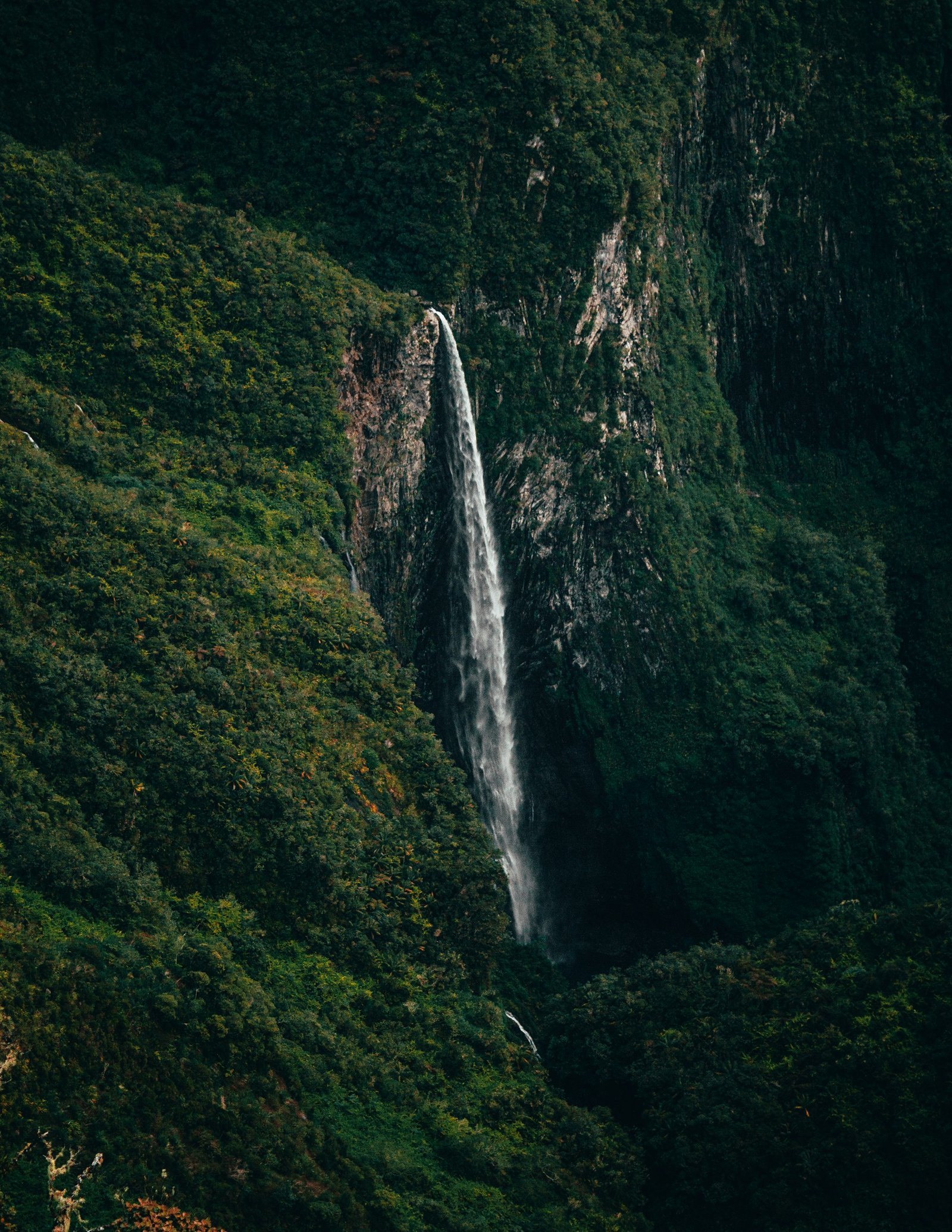
Waterfalls tumbling down sheer green cliffs, villages hidden in giant volcanic craters that no road can reach, an active volcano glowing under the stars, humpback whales leaping off the coast and a calm turquoise lagoon for a sunset swim: La Réunion is one of the most spectacular islands in the world.
This small island in the Indian Ocean, just east of Madagascar and close to Mauritius, is a part of France. Two volcanoes formed it, and their eruptions created a dramatic landscape of jagged peaks, deep valleys and huge natural amphitheatres called cirques. Around 40 percent of the island is a UNESCO World Heritage Site, and it’s a paradise for hikers and nature lovers.
Réunion isn’t a cheap destination, but it’s often better value than its neighbour Mauritius. You pay in euros, and the best experiences, from hikes and waterfalls to beaches and viewpoints, are free. With a rental car, simple guesthouses and Creole food from local snack bars, you can enjoy it on a real budget. This guide shows you how.
La Réunion at a Glance
- Where: in the Indian Ocean, about 700 km east of Madagascar and 200 km southwest of Mauritius
- Main airport: Roland Garros Airport (RUN) near Saint-Denis, with flights from Paris, Mauritius and other islands in the region
- Currency: euro (EUR)
- Entry: Réunion is part of France and the EU, but not part of the Schengen Area, so entry rules are slightly different from mainland France. Many nationalities can visit visa-free. Check the current rules for your passport
- Languages: French and Réunion Creole. English is not widely spoken, so a few French words help
- Best time: May to November, the dry season
- Budget: around $90 to $130 a day for budget travellers, $160 to $260 for a comfortable mid-range trip
When to Go
May to November is the dry, cooler season and the best time to visit, especially for hiking. The skies are clear, the trails are in good condition and temperatures on the coast are pleasant. In the mountains, nights can be cold, so pack warm clothes.
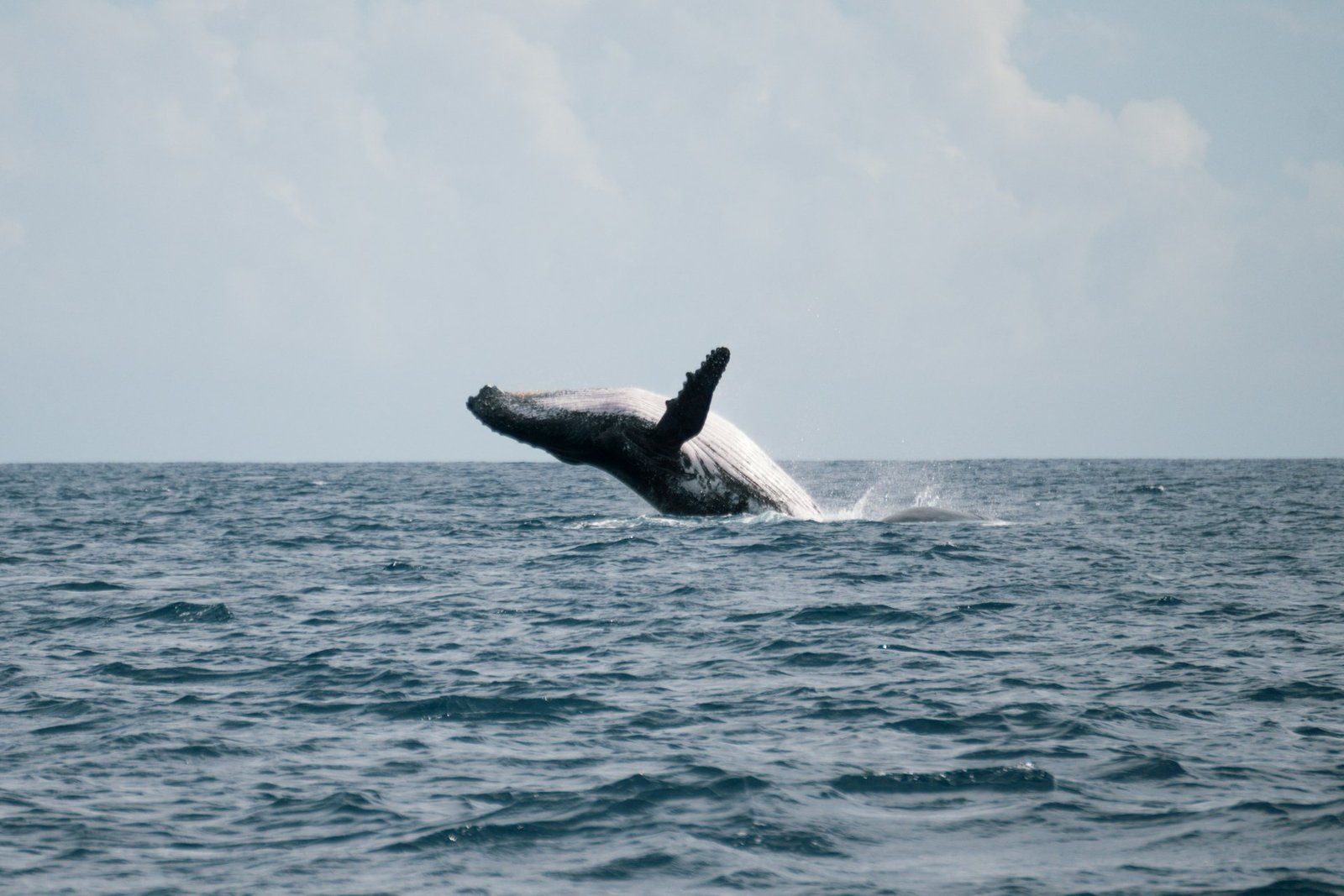
June to October is also the season for humpback whales, which come to the waters around the island to give birth.
December to April is the hot, humid and rainy season. It’s also cyclone season, especially from January to March. Heavy rain can close hiking trails and roads, but the waterfalls are at their most impressive.
Our tip: visit in September or October for dry weather, good hiking conditions and the end of the whale season.
How Long Do You Need?
Plan at least ten days for Réunion. The island looks small on the map, but mountain roads are slow and winding, and you’ll want time for hikes. Split your stay between the west coast for beaches and one or two nights in the cirques of Cilaos, Salazie or Mafate.
Getting Around
The best way to explore Réunion is with a rental car. Roads are good, but many are narrow and winding, especially in the mountains. The road to Cilaos alone has around 400 bends. Driving is on the right, as in mainland France.
There’s also a public bus network called Car Jaune, which connects the main towns and some mountain villages, but it’s slow. To reach the remote villages of Mafate, you have to walk, as no roads lead there.
Things to Do in La Réunion
Here are the experiences we think are worth your time and money.
1. Hike into the Cirque of Mafate
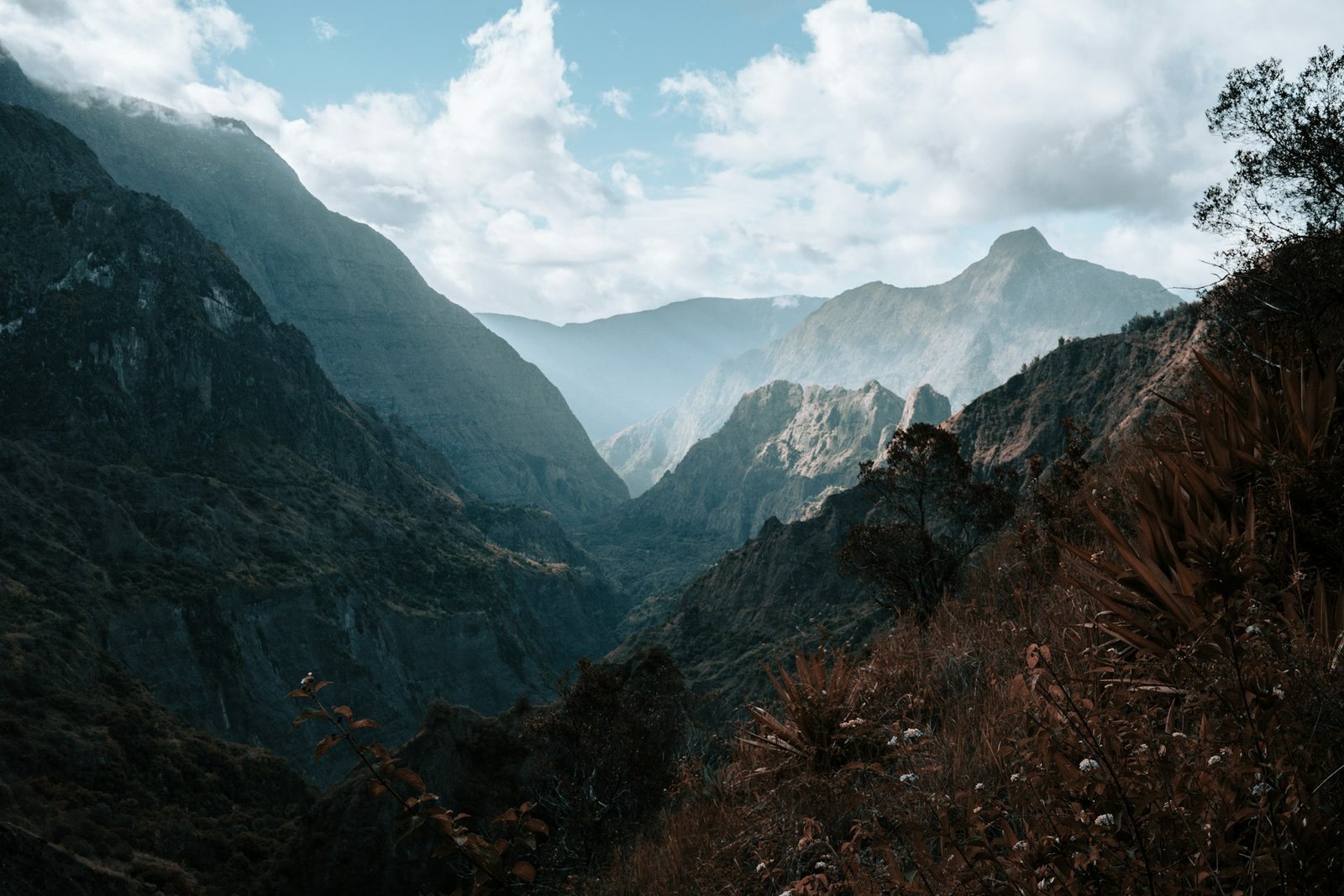
Mafate is the wildest of Réunion’s three cirques, a giant natural amphitheatre surrounded by towering green walls. There are no roads, so the few hundred people who live in its small villages are reached only on foot or by helicopter.
Hike in on one of the many trails and spend a night or two in a gîte, a simple mountain guesthouse where you’ll eat a home-cooked Creole dinner. Popular routes start from the Col des Bœufs car park. Book your gîte in advance, and bring cash, warm clothes and good boots.
2. Explore the Cirques of Cilaos and Salazie
The other two cirques can be reached by road. Cilaos, in the south, is a mountain town known for its hiking trails, hot springs, lentils and local wine. The drive up is an adventure in itself.
Salazie, in the northeast, is the greenest cirque, with waterfalls pouring down the cliffs. Stop at the Voile de la Mariée, the “Bride’s Veil” waterfall, and explore Hell-Bourg, a village of colourful Creole houses that’s considered one of the most beautiful villages in France.

3. Climb the Piton de la Fournaise Volcano
The Piton de la Fournaise is one of the most active volcanoes in the world, erupting almost every year. When it’s quiet, you can hike right up to the rim of its main crater, a moonscape of black lava and red rock.
The hike starts at the Pas de Bellecombe viewpoint and takes about five hours return. Start early, before the clouds roll in, and bring water, sun protection and warm layers. During eruptions, the trail is closed, but you may be able to see the glowing lava from safe viewpoints.
4. Watch the Sunrise from Piton des Neiges
At more than 3,000 metres, Piton des Neiges is the highest mountain in the Indian Ocean. Watching the sunrise from the top, with the clouds below you and the whole island at your feet, is an unforgettable experience.
Most hikers walk up from Cilaos in the afternoon, spend the night in the mountain refuge and climb to the summit before dawn. It’s a demanding hike, so you’ll need to be fit. Book the refuge well in advance.
5. Swim Beneath Waterfalls
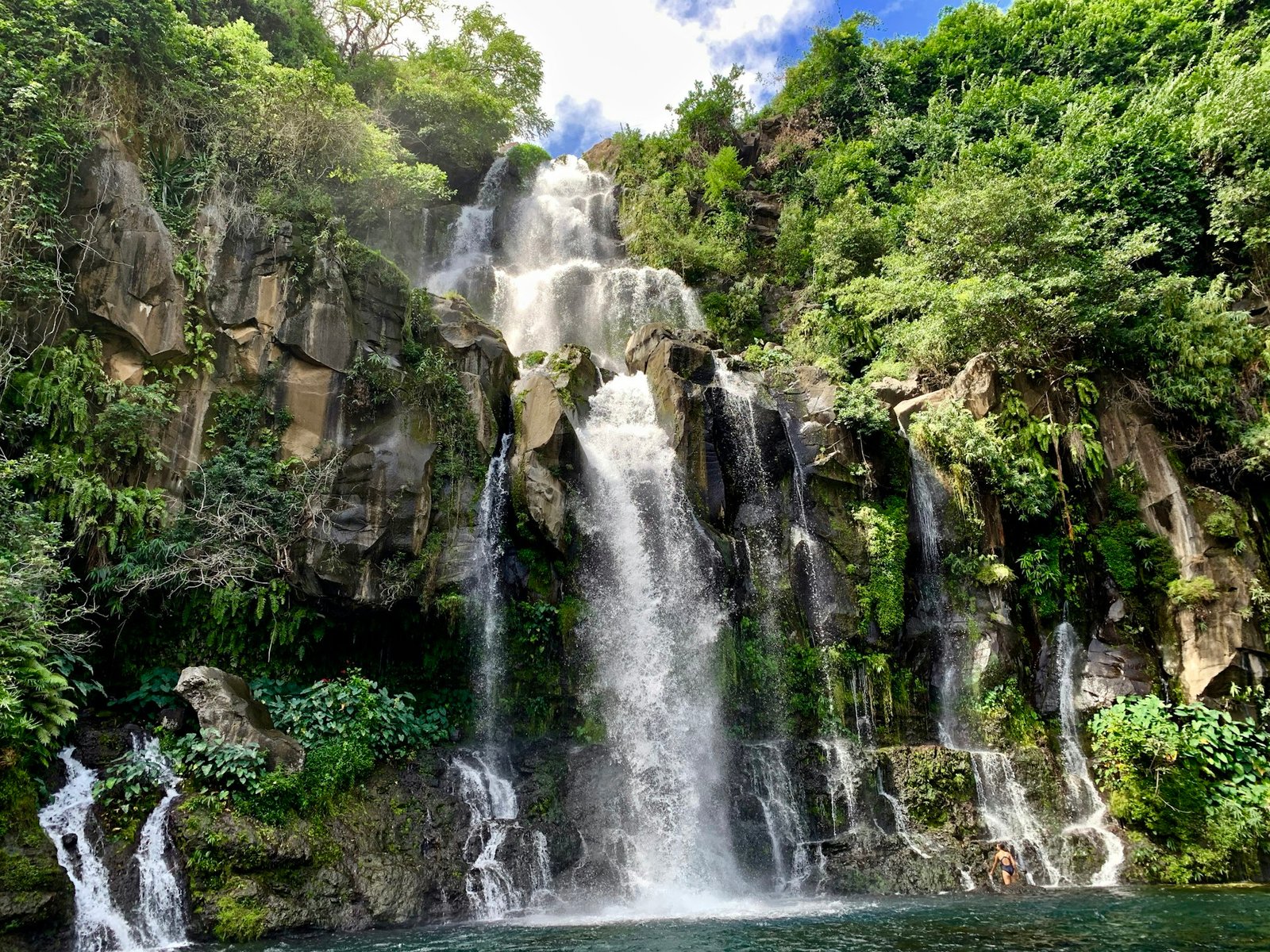
Réunion has more waterfalls than you can count, and many of them have natural pools where you can swim. Bassin des Aigrettes and Bassin Cormoran in the west are popular freshwater swimming spots.
In the south, the Langevin River has beautiful pools and the Cascade Langevin, while Cascade Niagara near Sainte-Suzanne is easy to reach. Check the weather before you go, as rivers can rise quickly after heavy rain. For more adventure, try canyoning with a guide, abseiling and jumping down waterfalls.
6. Relax on the Lagoon Beaches
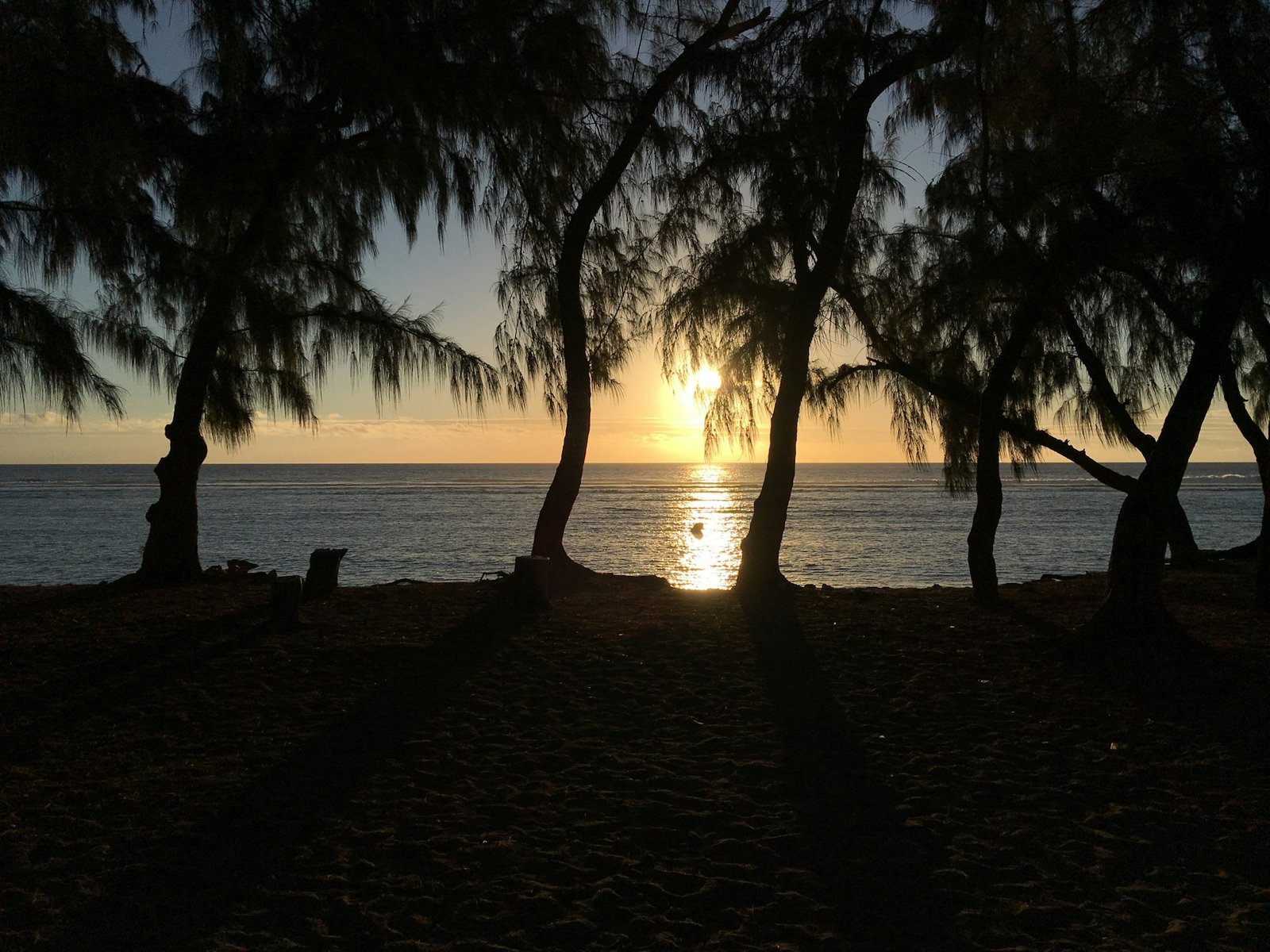
The best beaches are on the west coast, around Saint-Gilles-les-Bains and L’Ermitage, where a coral reef creates a calm, shallow lagoon. The water is warm and clear, perfect for swimming and snorkelling among colourful fish.
Swim only inside the lagoon or in supervised areas, as there is a risk of sharks along much of the coast and swimming is restricted in many places. In the evening, join the locals for a picnic and watch the sunset from the beach.
7. Go Whale Watching
From June to October, humpback whales come to the warm waters around Réunion to give birth and raise their calves. You can often see them from the coast, especially from the west, as they jump, slap their tails and play near the surface.
For a closer look, join a whale watching boat trip from Saint-Gilles. Choose an operator that follows the local code of conduct, keeping a safe distance and limiting the time spent with the whales.
8. Discover the Wild South
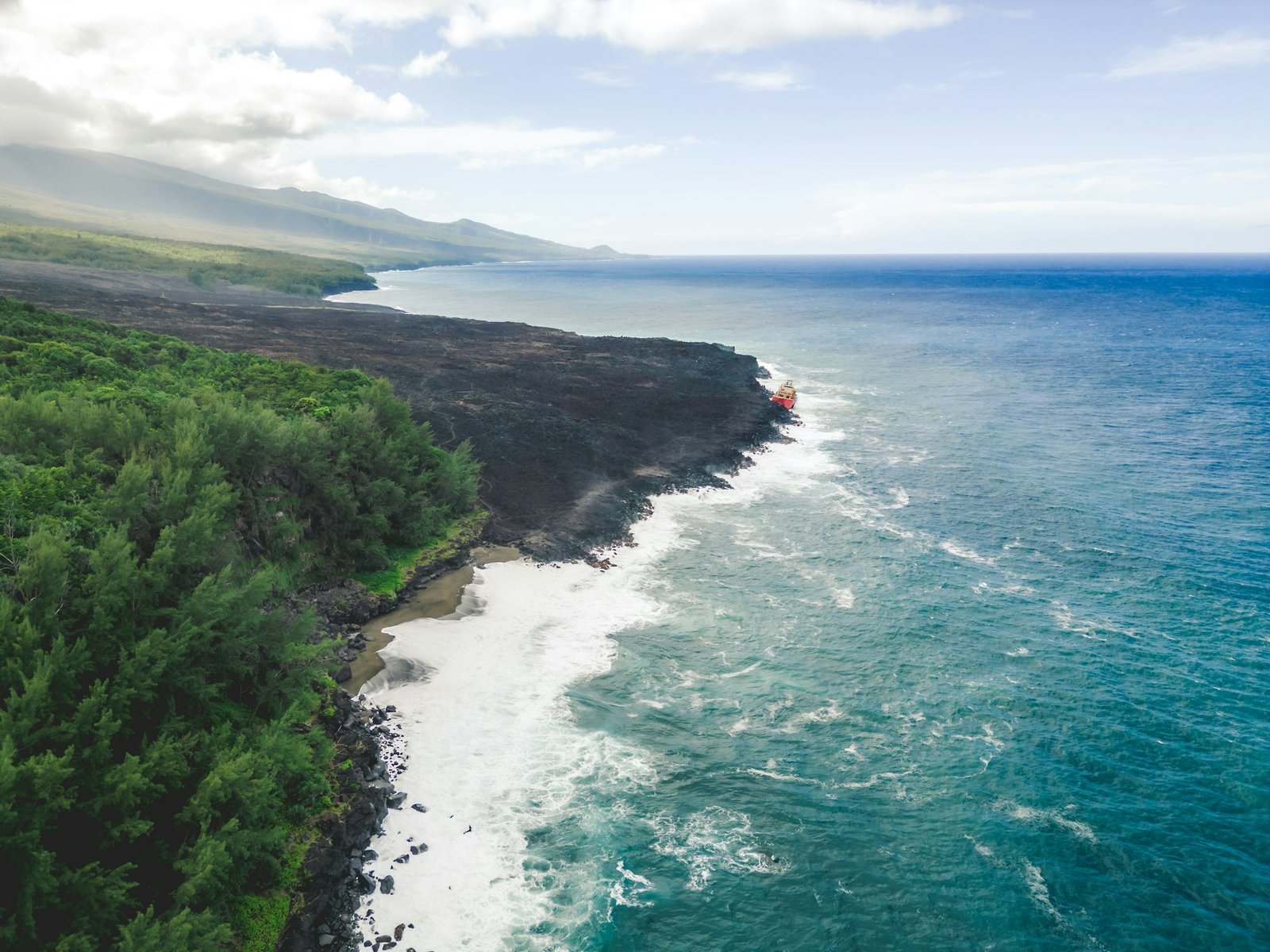
The south of the island is known as the Sud Sauvage, the wild south. Here, black lava fields from the volcano reach the sea, waves crash against rocky cliffs, and the coast is lined with tropical forest.
Drive the Route des Laves, where the road crosses lava flows from recent eruptions, and relax at Grand Anse, a beautiful beach with a natural seawater pool. Along the coast, you’ll also find dramatic viewpoints, waterfalls and the rusting wreck of an old ship on the rocks.
9. Go Paragliding over Saint-Leu
Saint-Leu, on the west coast, is one of the best places in the world for paragliding. Thanks to steady winds and good weather, flights run almost every day of the year.
Fly tandem with an experienced pilot from the hills above the town and glide down over the green slopes and the turquoise lagoon, landing on the beach. It’s a splurge, but one of the best ways to see the island.
10. Taste Creole Food and Visit the Markets
Réunion’s food is a delicious mix of French, African, Indian and Chinese cooking. Visit the market in Saint-Paul on Friday and Saturday mornings for tropical fruit, spices, vanilla, snacks and local crafts.
Visit a vanilla plantation in the east to learn how the island’s famous Bourbon vanilla is grown and harvested by hand. Afterwards, try a glass of rhum arrangé, rum infused with fruit and spices, a local speciality.
Where to Stay on a Budget
Réunion has good options for every budget:
- Gîtes: simple mountain guesthouses in the cirques, often with dinner and breakfast included
- Chambres d’hôtes: family-run B&Bs, a great way to meet locals and try home cooking
- Holiday apartments: good value on the west coast, with a kitchen to save money on food
- Hotels: comfortable beach hotels around Saint-Gilles for a splurge
Book early for July, August and the French school holidays, when many visitors arrive from mainland France.
Eating on a Budget
Creole food is hearty, spicy and affordable:
- Carri: a curry of chicken, fish or pork, served with rice, beans and spicy sauce, the island’s main dish
- Rougail saucisse: sausages cooked in a tomato and chilli sauce
- Samoussas and bouchons: cheap snacks sold at roadside stalls
- Tropical fruit: pineapple, mango, lychees and passion fruit
- Bourbon vanilla: some of the best vanilla in the world
Eat at local snack bars and food trucks, where a takeaway carri costs much less than a restaurant meal.
What It Really Costs
Here’s a realistic daily budget per person for a comfortable mid-range trip, not counting flights.
- Accommodation: $50 to $110 per person, sharing a double room in a guesthouse, gîte or apartment
- Food: $30 to $55 a day, mixing snack bars, self-catering and restaurant dinners
- Transport: $25 to $45 a day per person, including a rental car shared by two and fuel
- Activities: budget for the highlights separately: canyoning, a whale watching trip, a paragliding flight and nights in the mountain gîtes
That works out to around $160 to $260 per person per day. Hiking, swimming in free natural pools and eating at snack bars can bring that down noticeably.
A Sample 10-Day Itinerary
Day 1: Arrive in Saint-Denis and drive to Saint-Gilles for a sunset on the beach.
Day 2: Swim and snorkel in the lagoon, or join a whale watching trip in season.
Day 3: Paragliding over Saint-Leu, then the waterfall pools of the west.
Day 4: Drive to the Col des Bœufs and hike into Mafate for a night in a gîte.
Day 5: Hike out of Mafate and drive to Salazie and Hell-Bourg.
Day 6: Waterfalls of Salazie, then drive south along the east coast with a stop at a vanilla plantation.
Day 7: Hike to the crater of the Piton de la Fournaise.
Day 8: The wild south: Route des Laves, Grand Anse and the Langevin River.
Day 9: Drive to Cilaos and explore the town and its trails.
Day 10: Drive back to the airport and fly home.
Practical Tips
- Swim only in the lagoon or supervised areas: shark attacks have happened outside protected zones
- Start hikes early, as clouds often cover the mountains by late morning
- Check trail conditions on the official website before hiking, especially after rain
- Pack for all weather: it can be hot on the coast and cold in the mountains on the same day
- Learn a few words of French, as English isn’t widely spoken
- Respect nature: stay on the marked trails and take your rubbish with you
Booking Tips
- Airport transfer: if you don’t rent a car at the airport, book an airport transfer with Kiwitaxi from Roland Garros airport to your hotel in Saint-Denis, Saint-Gilles or anywhere on the island, with a fixed price and a driver waiting for you
- eSIM: if you’re coming from outside the EU, install a Yesim eSIM before you fly, so you have data for maps, hiking trail updates and tour bookings in La Réunion from the moment you land
- Tours: popular options include a guided hike in Mafate, a canyoning trip, a whale watching boat trip and a tandem paragliding flight over Saint-Leu. You can compare and book most of them on Klook
Final Thoughts
La Réunion is an island of adventure. Hike into the hidden world of Mafate, climb an active volcano, swim beneath waterfalls, watch whales leap off the coast and end the day with a sunset swim in the lagoon.
Travel in the dry season, rent a car, pack your hiking boots and take your time. Réunion will surprise you at every turn of its winding roads.
Prices checked in October 2026. Costs and opening times change, so always confirm before you book.
Leave a Reply