
Sri Lanka is small. You could drive across it in a day. Yet this teardrop-shaped island in the Indian Ocean packs in more variety than many countries ten times its size: an ancient fortress on top of a giant rock, misty hills covered in tea plantations, wild elephants and leopards, colonial forts, golden beaches and one of the most beautiful train journeys on earth.
It’s also wonderfully affordable. A comfortable guesthouse often costs less than a cheap hotel in Europe, a plate of rice and curry with half a dozen dishes costs a few dollars, and the friendly people make you feel welcome from the moment you arrive.
Two weeks is the perfect amount of time for a first visit. This guide shows you the best route, the experiences that are really worth it and what the trip will actually cost.
Sri Lanka at a Glance
- Where: an island in the Indian Ocean, just south of India
- Main airport: Colombo Bandaranaike International Airport (CMB), about 35 km north of Colombo
- Currency: Sri Lankan rupee (LKR). One US dollar is roughly 300 rupees
- Entry: most visitors need an Electronic Travel Authorization (ETA) or e-visa before arrival, which you can apply for online. Rules and fees have changed several times in recent years, so check the official requirements before you book
- Language: Sinhala and Tamil. English is widely spoken in tourist areas
- Best time: December to April for the west and south coasts and the hill country
- Budget: around $30 to $45 a day for backpackers, $60 to $110 for a comfortable mid-range trip
When to Go
Sri Lanka has two monsoon seasons that hit different parts of the island at different times, so there’s always somewhere with good weather.
December to April is the best time for the classic route. The south and west coasts are sunny and dry, the sea is calm, the hill country is clear and the Cultural Triangle is pleasant. It’s the main tourist season, so book popular places ahead, especially around Christmas and New Year.
May to September brings the southwest monsoon to the west and south coasts, with rain and rough seas. But this is the best time for the east coast, with beaches like Arugam Bay, famous for surfing, and Trincomalee.
October and November are the wettest months across much of the island.
Our tip: travel in January, February or March for the best weather on the classic route through the Cultural Triangle, the hill country and the south coast.
Getting Around
Sri Lanka’s roads are slow and winding, so distances take longer than you’d expect. You have a few options:
- Private driver: the most popular choice for a first trip. Hiring a car with a driver for your whole route is surprisingly affordable, and drivers often double as guides
- Trains: slow, cheap and wonderfully scenic, especially in the hill country. Book reserved seats in advance for the most popular routes
- Buses: extremely cheap and go everywhere, but they’re crowded and the driving can be wild
- Tuk-tuks: perfect for short trips. Use the PickMe or Uber apps in towns to get fair prices
Things to Do in Sri Lanka
Here are the experiences we think are worth your time and money.
1. Climb Sigiriya, the Lion Rock
Rising 200 metres above the jungle, Sigiriya is Sri Lanka’s most famous sight. In the 5th century, King Kashyapa built a palace on top of this enormous rock, with gardens, pools and a gateway shaped like a giant lion. Today, only the huge stone paws remain, but the climb is unforgettable.
You’ll pass ancient frescoes of women painted on the rock face, the polished Mirror Wall and the lion’s paws before climbing the last steep staircase to the summit, with sweeping views over the forest. There are around 1,200 steps in total. Go as early as possible to avoid the heat and the crowds. The entrance fee for foreigners is on the expensive side, but it’s the highlight of the Cultural Triangle.
Sigiriya sits in the middle of the Cultural Triangle, a region full of ancient cities and temples. Don’t miss the Dambulla Cave Temple, with five caves full of Buddha statues and painted ceilings, and the ruins of Polonnaruwa, an ancient royal capital that’s best explored by bicycle.
2. Watch the Sunrise from Pidurangala Rock
Just next to Sigiriya, Pidurangala Rock is the best place to see Sigiriya itself. The climb takes about 30 to 45 minutes, past an old temple and through the forest, with a short scramble over boulders at the end.
From the top, you’ll have a perfect view of Lion Rock rising out of the jungle. Go for sunrise or sunset, when the light is golden and the sky turns pink and purple. The entrance fee is much lower than at Sigiriya.

3. Ride the Train from Kandy to Ella
The train journey from Kandy to Ella is often called one of the most beautiful train rides in the world. For around six to seven hours, the old blue train winds slowly through the hill country, past tea plantations, waterfalls, misty mountains and tiny villages.
Book a reserved seat in second or third class, or an observation car, well in advance, as tickets sell out quickly in high season. Locals and travellers alike hang out of the open doors to enjoy the view, but always be careful.
In Ella, walk to the famous Nine Arches Bridge, a stone railway viaduct in the middle of the jungle. Check the train times locally and wait for a train to cross for the classic photo.

4. Explore the Tea Country
Sri Lanka is one of the biggest tea producers in the world, and the hill country around Nuwara Eliya, Haputale and Ella is covered in bright green tea plantations. Women in colourful saris still pick the leaves by hand.
Visit a working tea factory to see how the leaves are withered, rolled and dried, and taste fresh Ceylon tea at the end of the tour. Many factory tours are free or cheap. Near Haputale, Lipton’s Seat is a viewpoint where Sir Thomas Lipton once looked out over his tea empire.
For a great hike, walk across the high plateau of Horton Plains National Park to World’s End, a sheer cliff that drops almost 900 metres. Go early, before the clouds roll in.

5. Hike Little Adam’s Peak and Ella Rock
Ella is a laid-back mountain village with great cafés and some of the best short hikes in Sri Lanka. Little Adam’s Peak is an easy walk through tea plantations to a viewpoint over the valley, perfect for sunrise. Ella Rock is longer and tougher, but the views are even better.
Afterwards, visit the Ravana Falls just outside town, or relax with a massage and a curry in one of Ella’s friendly restaurants.
6. See Wild Elephants on Safari
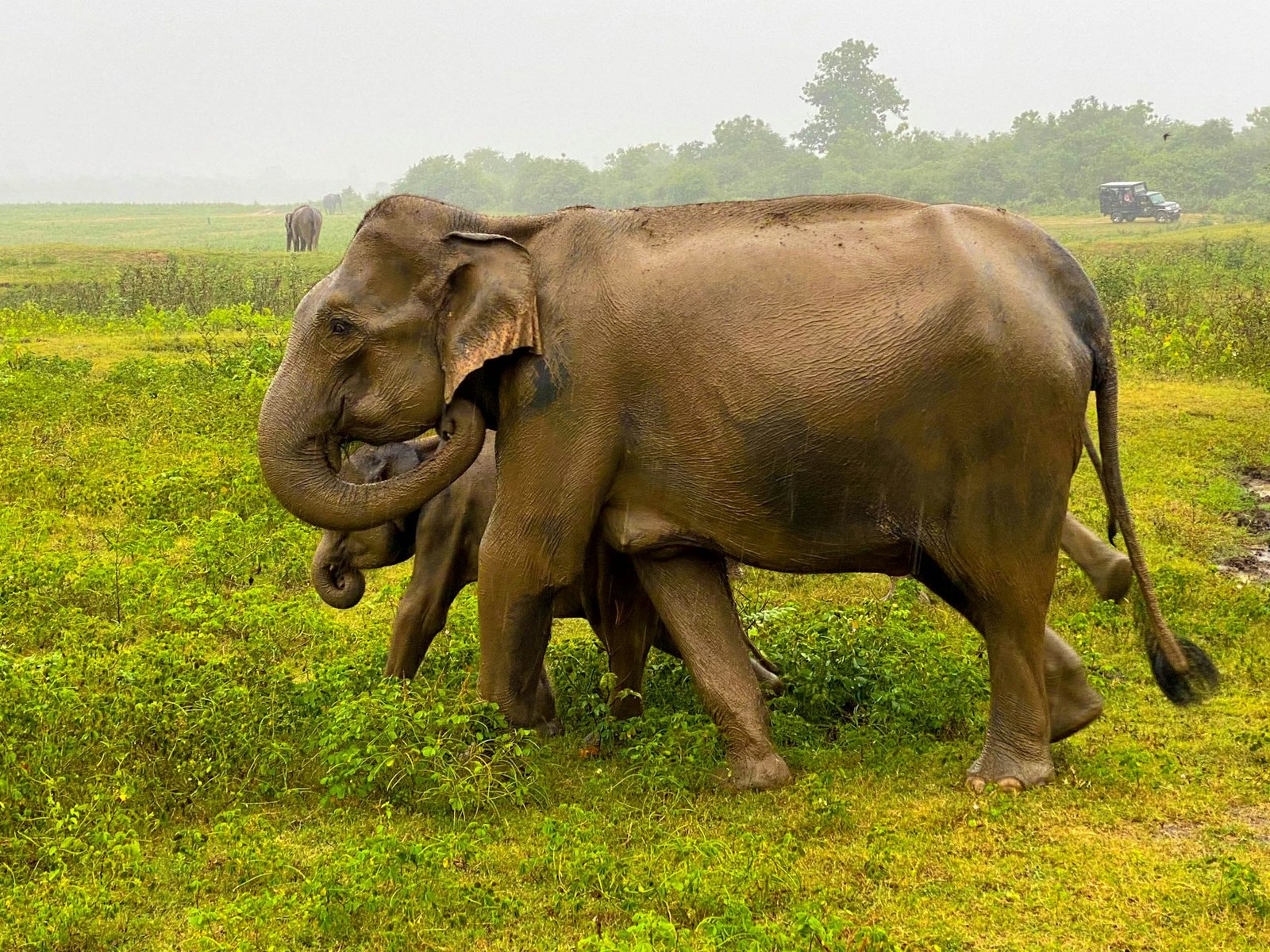
Sri Lanka has one of the highest densities of wild Asian elephants in the world, and seeing them on a jeep safari is one of the highlights of a trip.
Udawalawe National Park is the best place to see elephants all year round, with large herds grazing on open grassland. Between August and October, hundreds of elephants gather around the reservoir in Minneriya and Kaudulla near Sigiriya, an event known as The Gathering.
Jeep safaris are budget to mid-range in price. Choose a responsible operator that keeps a respectful distance and doesn’t chase the animals.
7. Look for Leopards in Yala
Yala National Park in the southeast has one of the highest densities of leopards in the world. Besides leopards, you can see elephants, crocodiles, buffalo, peacocks and, with a lot of luck, sloth bears.
Yala is popular and the main zone can get crowded with jeeps. For a quieter experience, ask your driver about the less visited zones. Morning safaris give you the best chance of seeing animals. Note that parts of the park usually close for a few weeks between September and October.
8. Relax in Mirissa and Watch Whales
On the south coast, Mirissa has a beautiful curved beach lined with palm trees, beach restaurants and guesthouses. Climb up to Coconut Tree Hill for the famous view of palm trees on a green headland above the sea.
From November to April, Mirissa is one of the best places in the world to see blue whales, the largest animals that have ever lived. Whale-watching trips leave early in the morning. Choose a responsible operator, and take seasickness tablets if you need them.

9. See the Stilt Fishermen and Surf the South Coast
Along the south coast between Koggala and Ahangama, you can still see the famous stilt fishermen, perched on wooden poles in the shallow water. Today, many of them pose for photos in exchange for a small tip, so it’s polite to offer one if you take pictures.
The south coast is also great for surfing. Weligama has gentle waves and dozens of surf schools for beginners, while Hiriketiya and Ahangama suit more experienced surfers. Lessons and board rental are budget-friendly.

10. Walk the Walls of Galle Fort
Galle Fort is a UNESCO World Heritage Site and one of the best-preserved colonial forts in Asia. Built by the Portuguese and expanded by the Dutch, its thick walls enclose a charming old town of narrow streets, churches, mosques, boutiques, cafés and galleries.
Walk along the ramparts at sunset, past the white lighthouse, and watch local boys jump from the walls into the sea. Galle is a perfect place to spend a night or two.
Kandy and the Temple of the Tooth
Before you board the train to Ella, spend a day in Kandy, the last royal capital of Sri Lanka. Its most important sight is the Temple of the Sacred Tooth Relic, which holds a tooth said to belong to the Buddha. Visit during the evening ceremony, when drums sound and crowds of pilgrims bring offerings of flowers. Dress respectfully, with shoulders and knees covered, and remove your shoes.
Where to Stay on a Budget
Sri Lanka has excellent value accommodation:
- Guesthouses and homestays: family-run, friendly and often with a delicious home-cooked breakfast or dinner
- Hostels: plenty of good options in Ella, Kandy, Mirissa and Galle, with private rooms as well as dorms
- Boutique hotels: stylish small hotels, especially in Galle and the hill country, at prices far below what you’d pay elsewhere
- Safari lodges and tented camps: a lovely splurge near Yala or Udawalawe
Eating on a Budget
Sri Lankan food is spicy, fresh and full of flavour:
- Rice and curry: the national dish, with rice and several small curries of vegetables, lentils, fish or chicken. Local restaurants serve it for very little at lunchtime
- Kottu: chopped flatbread stir-fried with vegetables, egg and meat on a hot griddle. You’ll hear the clanging of the knives before you see the stall
- Hoppers: bowl-shaped pancakes made from rice flour and coconut milk, often with an egg cooked in the middle
- Fresh fruit: mangoes, papayas, pineapples and king coconuts are sold everywhere
Ask for “less spicy” if you’re not used to chilli. The local food is often very hot.
What It Really Costs
Here’s a realistic daily budget per person for a comfortable mid-range trip, not counting international flights.
- Accommodation: $20 to $50 per person, sharing a double room in a good guesthouse or small hotel
- Food: $10 to $25 a day, eating mostly local food with the occasional restaurant meal
- Transport: $20 to $40 a day per person, including a private driver shared by two, plus trains and tuk-tuks
- Activities: budget for the highlights separately: Sigiriya, a jeep safari, a whale-watching trip and park entrance fees, which are higher for foreigners
That works out to around $60 to $110 per person per day. Backpackers who use buses and trains can travel for much less.
A Sample 14-Day Itinerary
Day 1: Arrive in Colombo and drive to Negombo or straight to the Cultural Triangle.
Days 2 to 4: Sigiriya, Pidurangala at sunrise, the Dambulla Cave Temple, Polonnaruwa and an elephant safari in Minneriya (in season).
Day 5: Drive to Kandy. The Temple of the Tooth and the botanical gardens.
Days 6 to 8: Train from Kandy to Ella. Little Adam’s Peak, the Nine Arches Bridge, tea factories and Ella Rock.
Day 9: Safari in Udawalawe or Yala, then continue to the south coast.
Days 10 to 12: Mirissa and the south coast. Whale watching (in season), surfing in Weligama and the stilt fishermen.
Days 13 to 14: Galle Fort, then drive back to the airport for your flight home.
Practical Tips
- Apply for your ETA online before you travel, only through the official website
- Dress respectfully at temples: cover shoulders and knees, and take off your shoes and hat
- Never pose with your back to a Buddha statue for photos, and don’t wear clothing with Buddha images
- Carry cash for small guesthouses, tuk-tuks and markets
- Drink bottled or filtered water and use plenty of sun protection
- Get a local SIM or eSIM at the airport. Data is cheap and fast
Booking Tips
- Airport transfer: book an airport transfer with Kiwitaxi from Colombo airport to Negombo, Colombo or straight to Sigiriya, with a fixed price and a driver waiting for you
- eSIM: install a Yesim eSIM before you fly, so you have data for maps, PickMe and train tickets in Sri Lanka from the moment you land
- Tours: popular options include a Sigiriya and Dambulla day trip, an elephant safari in Udawalawe or Minneriya, a Yala leopard safari and whale watching in Mirissa. You can compare and book most of them on Klook
Final Thoughts
Sri Lanka is one of those destinations that surprises almost everyone who visits. In just two weeks, you can climb an ancient rock fortress, ride a blue train through the tea hills, watch elephants at a waterhole, spot blue whales off the coast and end your days on a palm-lined beach.
Travel between January and March, take your time on the roads and say yes to every cup of tea you’re offered. Sri Lanka will win your heart with its beauty, its flavours and its warmth.
Prices checked in October 2026. Costs and opening times change, so always confirm before you book.
Leave a Reply