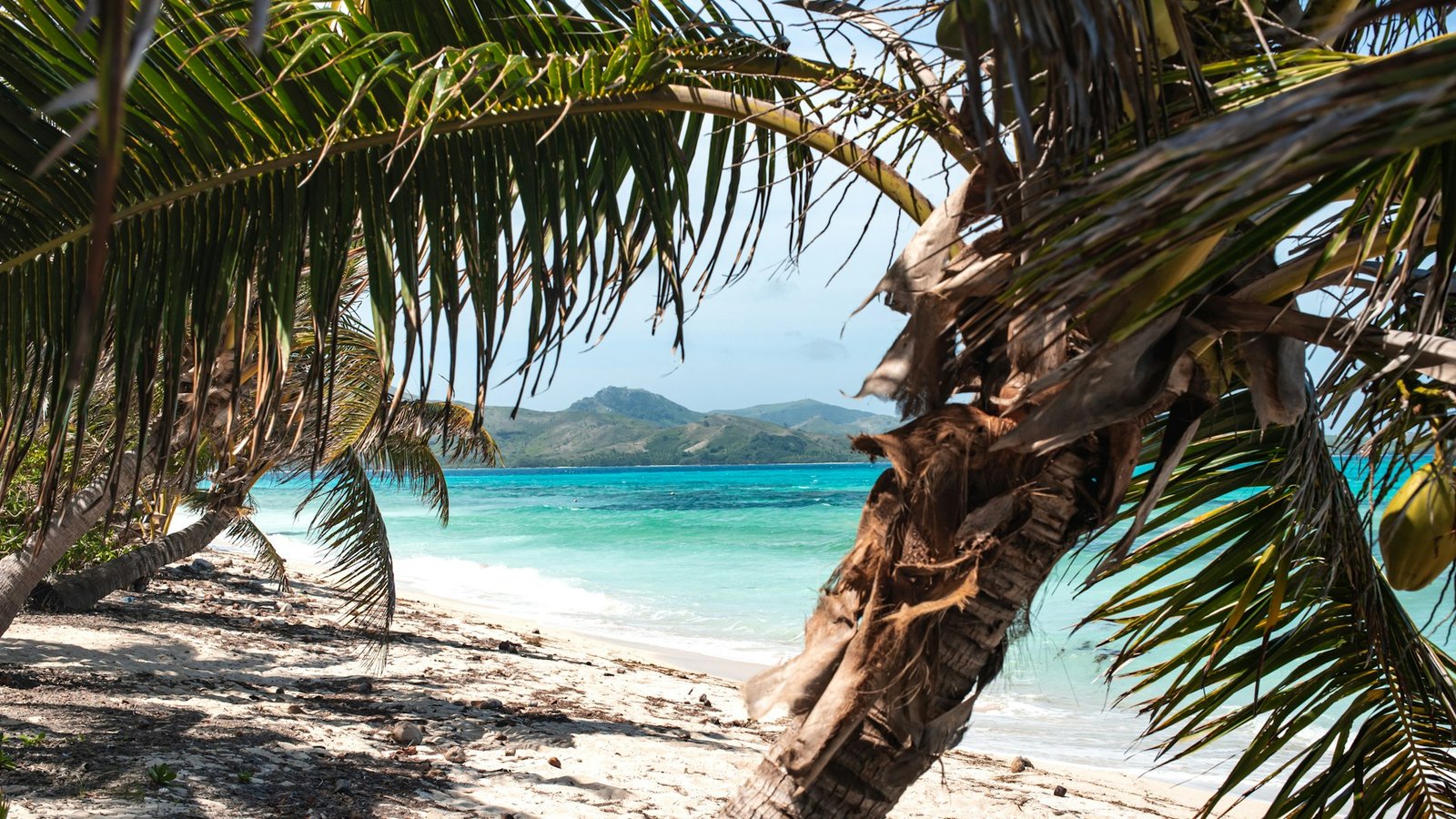
“Bula!” You’ll hear it the moment you step off the plane in Fiji, and you’ll hear it again from every taxi driver, shopkeeper and child you pass for the rest of your trip. It means hello, welcome and good health all at once, and it sums up what makes Fiji so special: some of the warmest, friendliest people on earth.
The scenery isn’t bad either. Fiji is made up of more than 300 islands in the South Pacific, with white sand beaches, palm trees leaning over turquoise lagoons and coral reefs so colourful that Fiji is often called the soft coral capital of the world.
Many people think Fiji is only for honeymooners in luxury resorts. In reality, it’s one of the easiest and most affordable island destinations in the South Pacific, with backpacker lodges and family-run resorts on islands just as beautiful as the five-star ones. This guide shows you how to plan the perfect island-hopping trip.
Fiji at a Glance
- Where: the South Pacific, about four hours by plane from Sydney and three hours from Auckland
- Main airport: Nadi (NAN) on the main island of Viti Levu
- Currency: Fijian dollar (FJD). One US dollar is roughly 2.2 to 2.3 Fijian dollars
- Entry: visitors from many countries, including the EU, the UK, the US, Canada, Australia and New Zealand, get a free visitor permit on arrival. Your passport must be valid for at least six months. Always check the current rules for your nationality
- Language: English, Fijian and Fiji Hindi. English is spoken everywhere
- Best time: May to October, the dry season
- Budget: around $70 to $110 a day for budget travellers, $150 to $250 for a comfortable mid-range trip
When to Go
May to October is the dry season and the best time to visit. Days are sunny and warm, around 25 to 28 degrees Celsius, with lower humidity and calm seas. It’s also the season of the manta rays in the Yasawa Islands. July and the Australian and New Zealand school holidays are the busiest times.
November to April is the wet season. It’s hotter and more humid, with short, heavy tropical showers. It’s also cyclone season, especially from January to March. Prices are lower, and the underwater visibility is often excellent, but you should keep your plans flexible and buy good travel insurance.
Our tip: travel in May, June, September or October for great weather, fewer crowds and fair prices.
Fiji’s Island Groups
Most visitors fly into Nadi and then head out to the islands. These are the main areas:
- The Mamanuca Islands: close to Nadi, with small resort islands, calm lagoons and lots of day trips. Perfect for a short stay or for families
- The Yasawa Islands: a long chain of islands to the north, with dramatic hills, wild beaches and simple, affordable lodges. The best area for island hopping on a budget
- The Coral Coast: the south coast of Viti Levu, with resorts, villages, rivers and adventure activities
- Taveuni and the outer islands: quieter, greener and less visited, with some of the best diving in the world

Getting Around
To travel between the Mamanuca and Yasawa Islands, take the big yellow catamaran called the Yasawa Flyer. It leaves Port Denarau near Nadi every morning and stops at the islands along the way, where small boats from the resorts pick you up. You can buy single tickets or a hop-on hop-off pass that lets you travel up and down the chain for a set number of days.
On Viti Levu, buses are cheap and run along the main coastal roads. Taxis are affordable, but agree on the price before you get in. For Taveuni and other outer islands, you’ll need a domestic flight with Fiji Airways or a ferry.
Things to Do in Fiji
Here are the experiences we think are worth your time and money.
1. Island-Hop Through the Yasawas
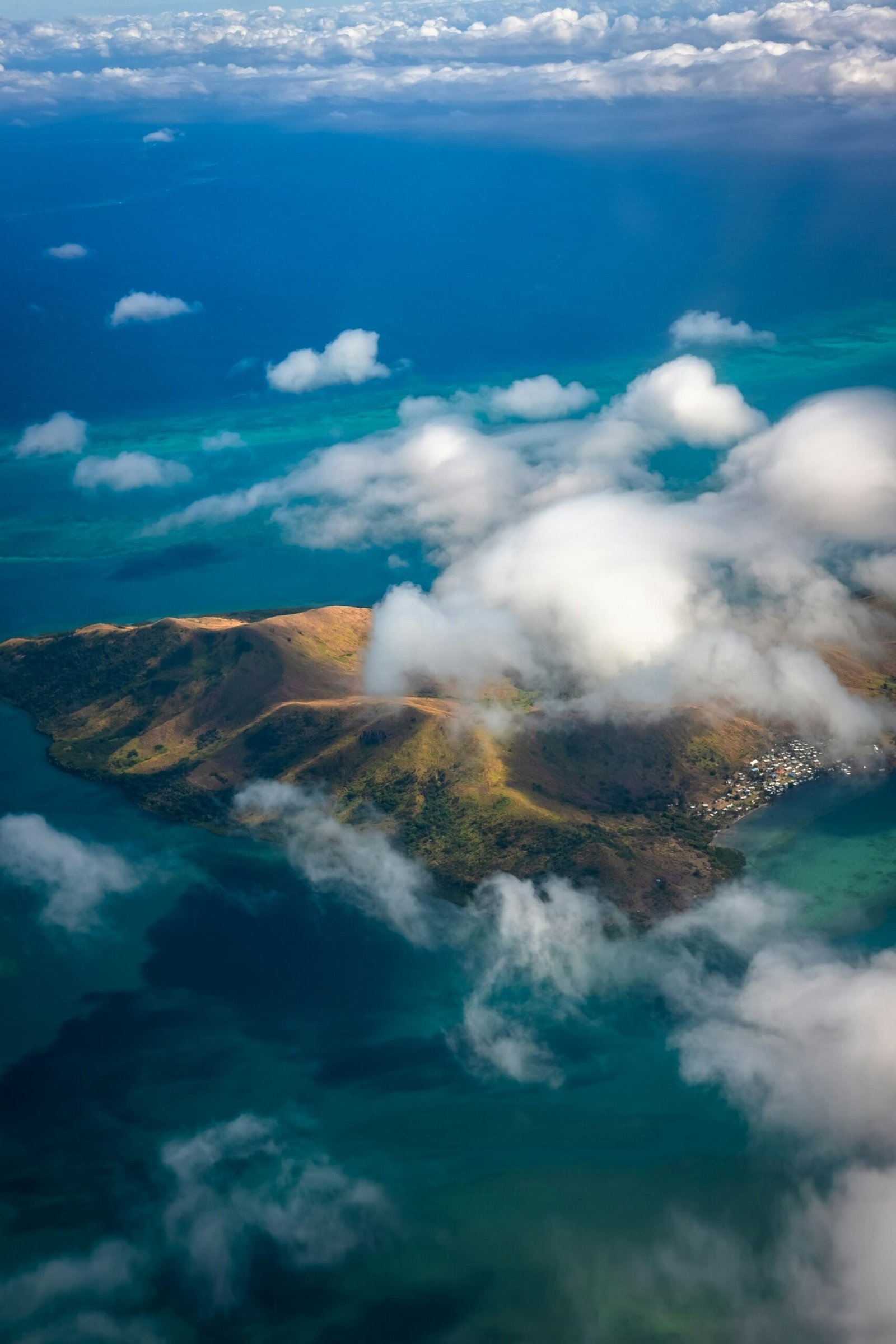
The Yasawa Islands are the Fiji of your dreams. Volcanic hills covered in grass and palms rise above empty white beaches, the water is crystal clear, and the lodges are small, simple and friendly.
Take the Yasawa Flyer from Nadi and stay two or three nights on a few different islands. Islands like Waya, Naviti, Nacula and Nanuya have lodges for every budget, from backpacker dorms to boutique resorts. Most lodges include meals in a daily meal plan, because there are no shops or restaurants on the islands. Days are spent snorkelling, hiking to viewpoints, visiting villages and watching the sunset.
On tiny Nanuya Lailai, you’ll find the famous Blue Lagoon, where the 1980 film of the same name was shot.

2. Swim with Manta Rays
From around May to October, large manta rays come to feed in a narrow channel between the islands of Drawaqa and Naviti in the Yasawas. Several nearby resorts offer snorkelling trips when the mantas are spotted, usually early in the morning.
Swimming next to these gentle giants, with wingspans of up to four metres, is one of the most incredible experiences in the South Pacific. Sightings aren’t guaranteed, so plan at least two nights nearby to give yourself a good chance.
3. Explore the Sawa-i-Lau Caves
At the northern end of the Yasawas, the island of Sawa-i-Lau hides a limestone cave filled with clear, cool water. Sunlight falls through an opening in the roof, and you can swim inside. Brave swimmers can dive through a short underwater tunnel into a second, darker chamber with a guide.
In Fijian legend, the cave is sacred. Trips are organised by the nearby resorts and are budget-friendly. A small fee goes to the local village.
4. Take a Day Trip in the Mamanucas
If you’re short on time, a day cruise from Port Denarau to one of the Mamanuca islands is a great way to experience Fiji’s islands. Many trips include lunch, snorkelling gear and time to relax on the beach.
Popular stops include Beachcomber Island, South Sea Island and Mana Island. You can also visit Cloud 9, a two-storey floating bar and pizza restaurant in the middle of a reef, or sail past Monuriki, the island where the film “Cast Away” was shot. Day trips range from budget to mid-range.

5. Snorkel and Dive the Coral Reefs
Fiji has some of the most colourful coral reefs in the world. You can snorkel straight from the beach on many islands, and most resorts rent masks and fins or include them for free.
For divers, Fiji is world class. Taveuni and the Somosomo Strait are home to the famous Rainbow Reef and the Great White Wall, a vertical wall covered in pale soft corals that glow in the light. In the Beqa Lagoon on the south coast, divers can see bull sharks up close on guided shark dives. Beginners can take an introductory dive or a full Open Water course at many dive shops.

6. Visit a Village and Join a Kava Ceremony
Fiji’s culture is still very much alive in its villages, and many tours and resorts offer village visits. Visitors usually bring a small gift of kava root, called a sevusevu, for the village chief.
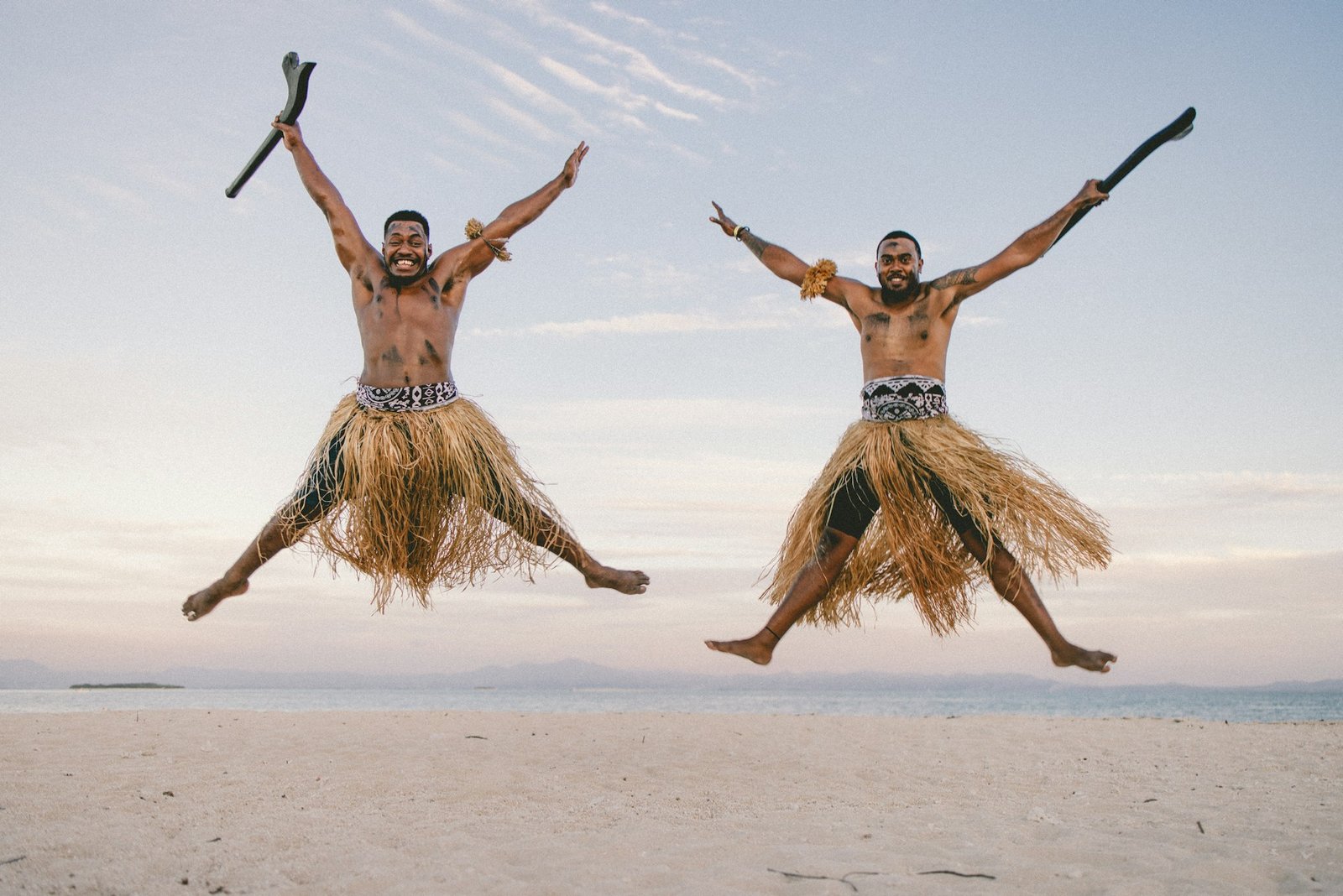
You’ll probably be invited to drink kava, a traditional drink made from the ground root of a pepper plant, mixed with water and served in a coconut shell. Clap once, say “bula” and drink it in one go. It tastes earthy and makes your lips slightly numb. Dress modestly, with shoulders and knees covered, and remove your hat and sunglasses in the village.
Many resorts also hold evening performances of traditional meke dances and fire dancing.
7. Go White-Water Rafting on the Upper Navua River
Inland from Pacific Harbour on the south coast, the Upper Navua River flows through a deep gorge with towering cliffs, dozens of waterfalls and thick rainforest. Rafting trips take you through easy rapids and calm stretches past some of the most beautiful scenery in Fiji.
If you prefer something calmer, take a boat trip or a bamboo raft along the lower Navua River to a village and a waterfall. Pacific Harbour is also Fiji’s adventure capital, with ziplining and shark dives nearby.
8. Climb the Sigatoka Sand Dunes
On the Coral Coast, the Sigatoka Sand Dunes National Park protects huge, wind-shaped dunes up to 60 metres high, right next to the ocean. Walking trails lead through the forest and over the dunes to the beach. It’s a surprising landscape on a tropical island and a budget-friendly half-day trip.
9. Explore the Outer Islands
If you have more time, leave the main tourist areas behind. Taveuni, known as the Garden Island, is green, wild and quiet. In the Bouma National Heritage Park, a trail leads to the three Tavoro Waterfalls, where you can swim in natural pools. You can also stand with one foot on each side of the 180th meridian, the line that once marked the date line.
In the Lomaiviti group, the old capital Levuka on the island of Ovalau is a UNESCO World Heritage Site, with wooden colonial buildings along the waterfront. Nearby Makogai is home to a giant clam breeding project. These islands see very few tourists, and that’s exactly their charm.
10. Relax in the Sabeto Mud Pool and Garden of the Sleeping Giant
Just outside Nadi, the Sabeto Hot Springs and Mud Pool is a fun way to spend your first or last day. Cover yourself in warm mud, let it dry in the sun and then wash it off in the natural hot springs. It’s cheap, relaxing and your skin will feel amazing.
Nearby, the Garden of the Sleeping Giant has a beautiful collection of orchids and a peaceful walk through the rainforest at the foot of the mountains.
Where to Stay on a Budget
You don’t need a luxury resort to enjoy Fiji:
- Backpacker resorts: the Yasawas and Mamanucas have friendly lodges with dorms and private bures (traditional huts), often right on the beach. Meal plans are usually included or required
- Family-run eco-lodges: small, locally owned places that give you a real feel for island life
- Mid-range resorts: many islands have comfortable resorts with pools, restaurants and activities at fair prices
- Hotels in Nadi: cheap and convenient for your first and last night, especially near the airport and Wailoaloa Beach
On the islands, always check what’s included in the meal plan, as you’ll usually have no other place to eat.
Eating on a Budget
Fijian food is a mix of Fijian, Indian and Chinese influences:
- Try kokoda: raw fish marinated in lime juice and coconut milk, Fiji’s version of ceviche
- Eat a lovo: a traditional feast cooked in an underground oven, often served at resorts once a week
- Order a curry: thanks to Fiji’s large Indian community, the curries are excellent and cheap
- Shop at the markets: the markets in Nadi and Suva are full of tropical fruit, vegetables and snacks at local prices
In Nadi, eating at local cafés and curry houses is much cheaper than at the resorts.
What It Really Costs
Here’s a realistic daily budget per person for a comfortable mid-range trip, not counting international flights.
- Accommodation with meals: $80 to $160 per person, sharing a bure or room with a meal plan on the islands
- Food and drink in Nadi: $20 to $40 a day on the days you’re on the main island
- Transport: $20 to $50 a day on average, including the Yasawa Flyer pass and transfers
- Activities: budget for the highlights separately: manta ray snorkelling, a Mamanuca day trip, a dive or two and a rafting trip
That works out to around $150 to $250 per person per day. Backpackers who stay in dorms and choose basic meal plans can travel for much less.
A Sample 12-Day Itinerary
Day 1: Arrive in Nadi. Relax at Wailoaloa Beach.
Day 2: Sabeto Mud Pool and the Garden of the Sleeping Giant.
Days 3 to 4: Take the Yasawa Flyer to the Mamanucas. Snorkelling, beach time and a visit to Cloud 9.
Days 5 to 6: Continue to Waya or Naviti in the Yasawas. Hiking and a village visit.
Days 7 to 8: Drawaqa area for manta rays (in season), then north to Nacula or Nanuya, the Blue Lagoon and the Sawa-i-Lau Caves.
Day 9: Back to Nadi on the Yasawa Flyer.
Days 10 to 11: The Coral Coast and Pacific Harbour: the Sigatoka Sand Dunes and rafting on the Upper Navua River.
Day 12: Back to Nadi and fly home.
Practical Tips
- Embrace Fiji Time: life moves slowly here, so be patient and relax
- Bring cash for the islands. Many small lodges don’t take cards, and there are no ATMs outside the main towns
- Respect village customs: dress modestly, don’t wear hats and always ask before taking photos of people
- Use reef-safe sunscreen and never touch or stand on the coral
- Bring seasickness tablets if you’re sensitive. The boat transfers can be bumpy
- Tipping isn’t expected, but many resorts have a staff Christmas fund where you can leave a contribution
Booking Tips
- Airport transfer: book an airport transfer with Kiwitaxi from Nadi airport to your hotel or to Port Denarau for the island boats, with a fixed price and a driver waiting for you
- eSIM: install a Yesim eSIM before you fly, so you have data for maps and messages in Fiji from the moment you land. Expect patchy coverage on the outer islands
- Tours: popular options include a Mamanuca island day cruise, a Cloud 9 trip, a Sabeto Mud Pool tour and white-water rafting on the Upper Navua River. You can compare and book most of them on Klook
Final Thoughts
Fiji is far more than a honeymoon destination. It’s a place where you can swim with manta rays in the morning, drink kava with a village chief in the afternoon and watch the sun set over an empty beach in the evening, all without spending a fortune.
Travel in the dry season, island-hop through the Yasawas and take time to get to know the people. They’re the real reason so many visitors leave Fiji saying “vinaka”, thank you, and promising to come back.
Prices checked in October 2026. Costs and opening times change, so always confirm before you book.
Leave a Reply