Vietnam is long and thin, stretching more than 1,600 km from the misty mountains on the Chinese border to the green water world of the Mekong Delta in the south. In between you’ll find limestone islands rising out of the sea, rice terraces carved into steep hillsides, lantern-lit old towns, wild caves, white beaches and some of the best street food on the planet.
It’s also one of the best-value countries in Asia. A bowl of steaming pho costs less than a coffee back home, a comfortable hotel room is often cheaper than a hostel bed in Europe, and even an overnight cruise in Ha Long Bay won’t destroy your budget if you choose well.
Two weeks is enough to see the highlights from north to south, as long as you plan your route well and don’t try to squeeze in everything. This guide shows you how we would do it, which experiences are really worth it and what the trip will actually cost.
Vietnam at a Glance
- Where: Southeast Asia, bordering China, Laos and Cambodia, with a long coastline on the South China Sea
- Main airports: Hanoi (HAN) in the north, Da Nang (DAD) in the centre and Ho Chi Minh City (SGN) in the south
- Currency: Vietnamese dong (VND). One US dollar is roughly 25,000 dong, so get used to lots of zeros
- Entry: citizens of many European countries can enter without a visa for a limited stay. Everyone else can apply online for an e-visa, valid for up to 90 days. Rules change, so check the official requirements for your passport before you book
- Language: Vietnamese. English is spoken in hotels and tourist areas, less so in the countryside
- Best time: it depends on the region, but February to April is a good compromise for a north-to-south trip
- Budget: around $30 to $45 a day for backpackers, $60 to $100 for a comfortable mid-range trip
When to Go
Because Vietnam is so long, the weather is never the same everywhere at once. That’s actually good news: there’s always a region with good weather.
The north (Hanoi, Ha Long Bay, Ninh Binh, Sapa) has four seasons. Winter from December to February can be surprisingly cool and grey, especially in the mountains. Summer from May to August is hot and wet. March to May and September to November are the most pleasant months.
The centre (Hue, Hoi An, Da Nang) is best from February to August, when it’s dry and sunny. From September to December heavy rain and typhoons can cause flooding, particularly in Hoi An.
The south (Ho Chi Minh City and the Mekong Delta) is tropical and warm all year. The dry season runs from December to April. From May to November there are short, heavy afternoon showers, but rarely all-day rain.
Our tip: if you want to travel the whole country in one trip, February to April gives you the best chance of good weather in all three regions. Avoid the week of Tet, the Vietnamese New Year in late January or February, when transport is fully booked and many shops close.
Getting Around
Most travellers move from north to south, or the other way round. You have three main options:
- Domestic flights: fast and affordable. Vietnam Airlines, Vietjet and Bamboo Airways connect Hanoi, Da Nang and Ho Chi Minh City several times a day. Book a few weeks ahead for the best prices
- Trains: the Reunification Express runs the length of the country. It’s slow, but the stretch between Hue and Da Nang over the coast is beautiful. Sleeper cabins with four beds are the most comfortable choice for night journeys
- Buses: sleeper buses are the cheapest way to travel, with reclining beds for overnight trips. They’re fine for short distances, but not very comfortable for tall people
Within cities, use the Grab app for taxis and motorbike taxis. It shows the price before you book, so you never have to haggle.
Our Two-Week Route
The classic route starts in the north and ends in the south, or the other way round. Here’s the order we recommend:
Hanoi → Ha Long Bay → Ninh Binh → Sapa → Hoi An → Ho Chi Minh City → Mekong Delta
Hanoi is the perfect start. The capital is loud, chaotic and full of life. In the Old Quarter, narrow streets are packed with motorbikes, street kitchens, tiny cafés and shops that have sold the same things for generations. Take a walk around Hoan Kiem Lake in the early morning, when locals do tai chi by the water, and try an egg coffee, a Hanoi speciality made with whipped egg yolk and sugar. It sounds strange, but it tastes like liquid tiramisu.
Crossing the road is an adventure in itself. Walk slowly and steadily, don’t stop suddenly and don’t run. The motorbikes will flow around you.

Things to Do in Vietnam
Here are the experiences we think are worth your time and money.
1. Cruise Through Ha Long Bay
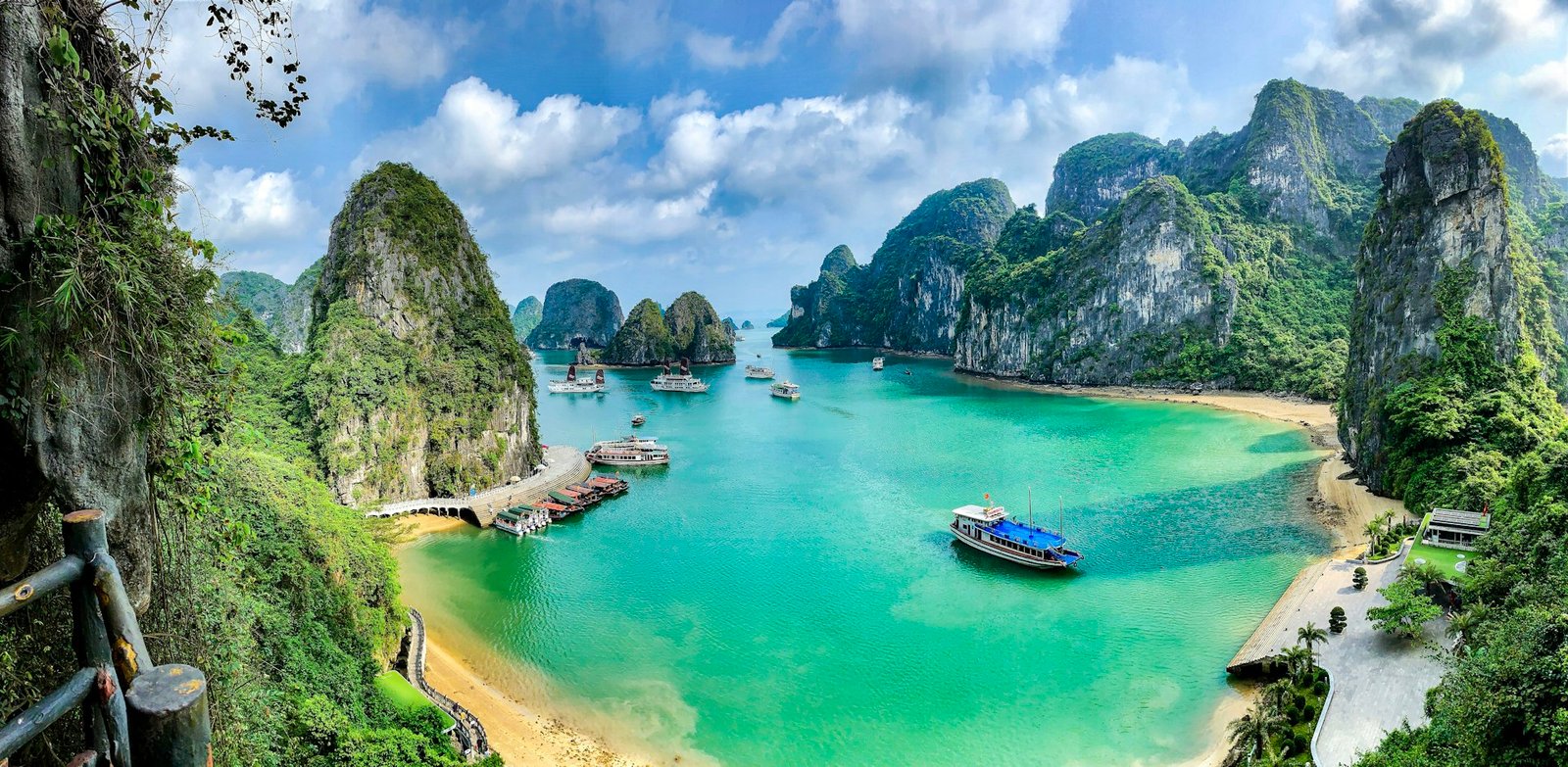
Ha Long Bay is the image most people have of Vietnam: almost 2,000 limestone islands rising out of emerald water, covered in jungle and full of hidden caves. It’s a UNESCO World Heritage Site and one of the most spectacular seascapes in the world.
The best way to see it is on an overnight cruise. You’ll sail between the islands, swim, visit caves and wake up to a quiet sunrise on the water. Cruises range from simple boats to elegant ships with balconies and spas, so there’s an option for most budgets. One night is enough for most travellers.
Our tip: choose a cruise that visits Lan Ha Bay or Bai Tu Long Bay. They have the same scenery as Ha Long Bay but far fewer boats. And always book with a well-reviewed company, because quality varies a lot.
2. Take a Boat Through Trang An in Ninh Binh
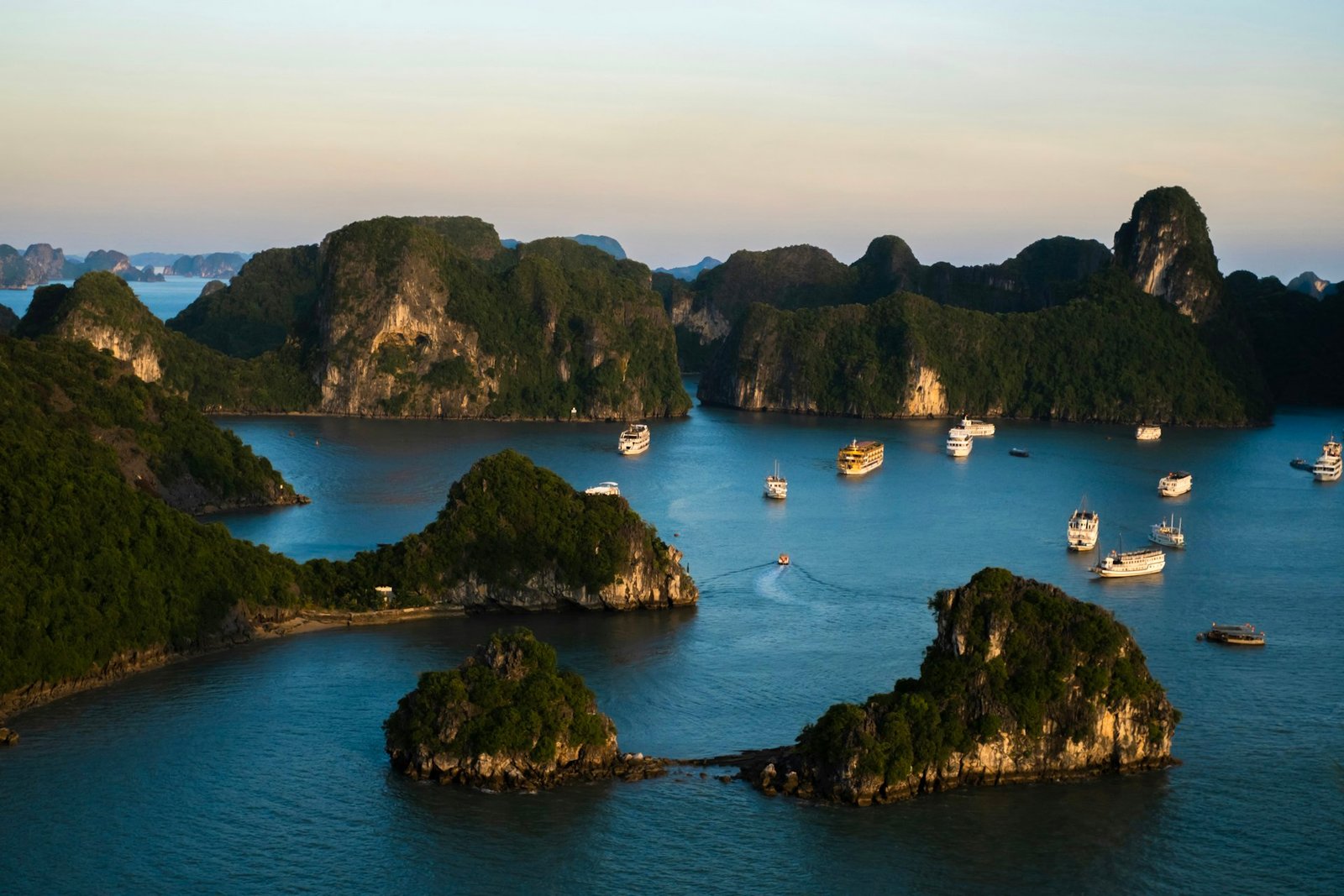
Often called “Ha Long Bay on land”, Ninh Binh is about two hours south of Hanoi. Here, the limestone mountains rise out of green rice fields instead of the sea.
The highlight is the Trang An boat trip, also a UNESCO World Heritage Site. A local rower, often a woman who paddles with her feet, takes you along quiet rivers, through low caves and past small temples hidden between the cliffs. The tour takes around two to three hours and is very good value.
Afterwards, climb the roughly 500 steps to the Hang Mua viewpoint for a stunning view over the rice fields and rivers, especially at sunset. Then rent a bicycle and ride through the countryside around Tam Coc. Ninh Binh deserves at least one night, not just a day trip.
3. Trek Through the Rice Terraces of Sapa
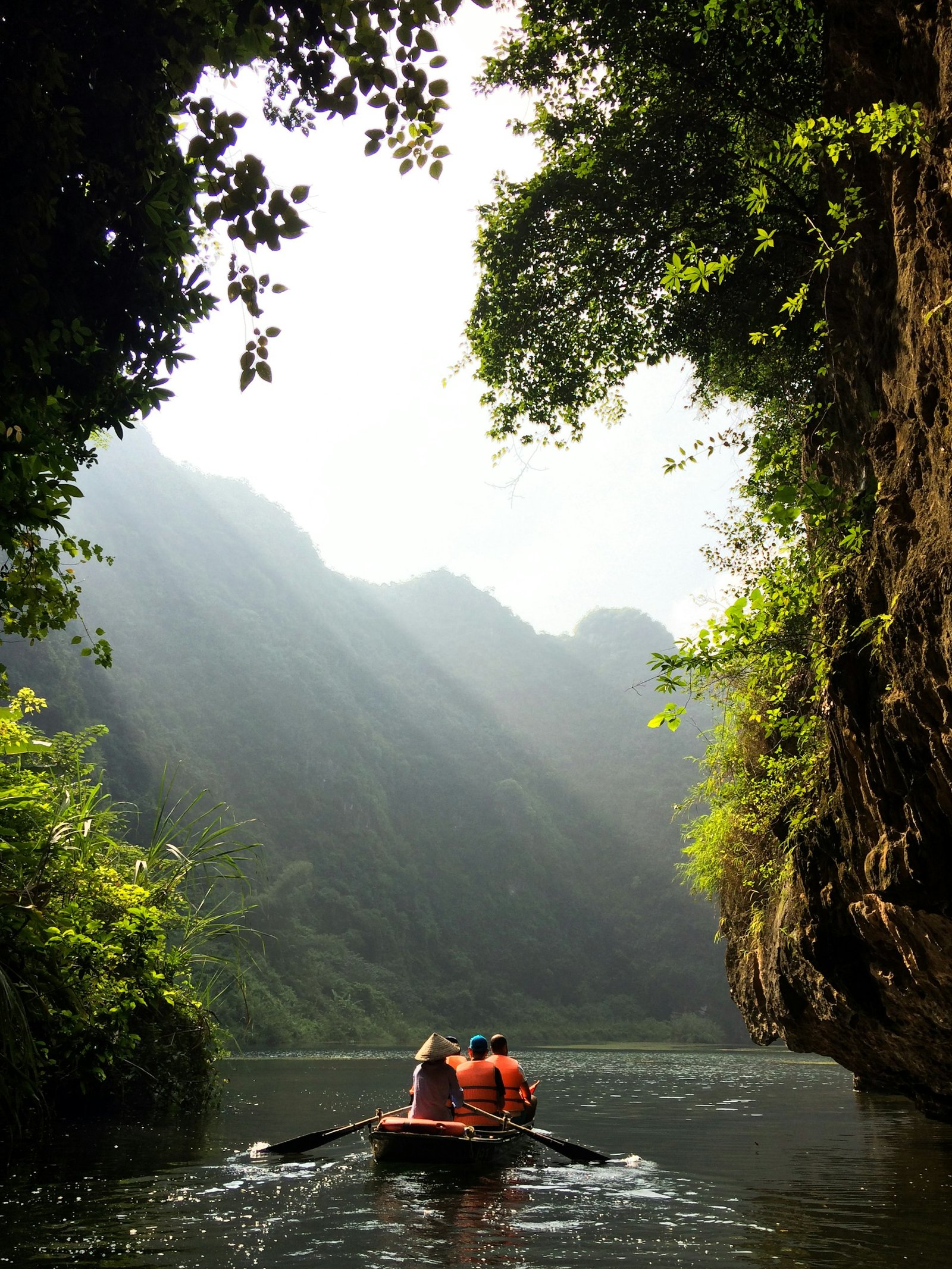
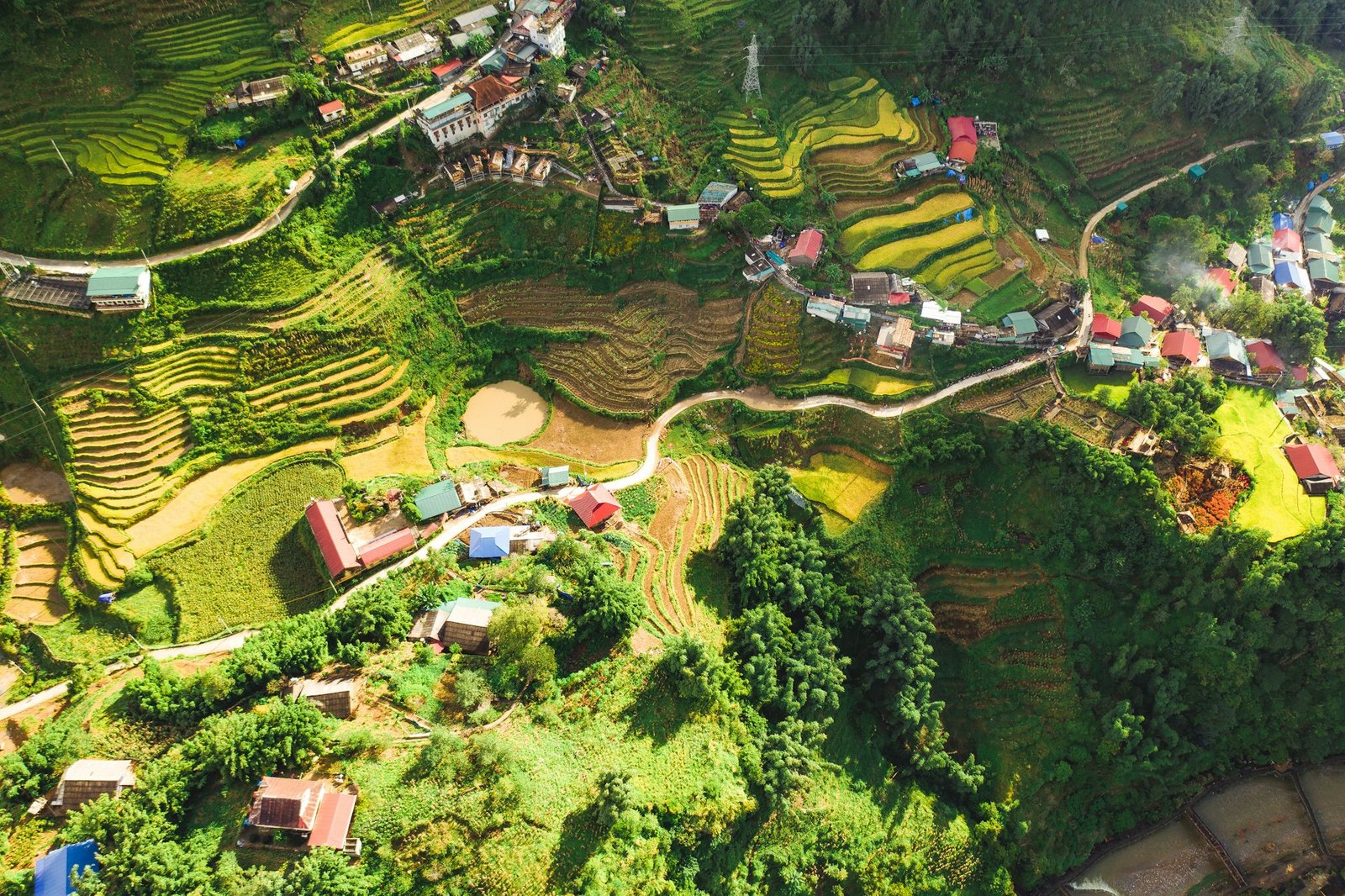
In the far north, close to the Chinese border, Sapa is surrounded by some of the most beautiful rice terraces in Asia. The mountains are home to ethnic minorities such as the Hmong and the Red Dao, who still live in traditional villages in the valleys.
The best way to experience the region is on a trek with a local guide. One-day walks lead through the terraces to villages like Lao Chai and Ta Van, and two-day treks include a night in a homestay with a local family. It’s simple but unforgettable, with home-cooked food and often a glass of homemade rice wine.
The terraces are greenest from June to August and turn golden just before the harvest in September. If you prefer something easier, the Fansipan cable car takes you up to the highest mountain in Indochina, at over 3,100 metres.
Getting there takes around five to six hours by bus or overnight train from Hanoi, so plan at least two nights.
4. Walk Through Hoi An by Lantern Light
Hoi An is the most charming town in Vietnam. Its well-preserved Old Town, another UNESCO World Heritage Site, is full of yellow merchant houses, Chinese temples and the famous Japanese Covered Bridge.
The magic happens in the evening, when hundreds of colourful silk lanterns light up the streets and the river. Take a small boat ride on the Thu Bon River and float a paper lantern on the water. It’s touristy, yes, but it’s still beautiful.
During the day, rent a bicycle and ride through the rice fields to An Bang Beach, or try a ride in a round basket boat in the coconut palm forest of Cam Thanh. A ticket is needed to enter the Old Town’s historic buildings.

5. Visit a Floating Market in the Mekong Delta
In the far south, the mighty Mekong River splits into countless channels before it reaches the sea. The Mekong Delta is a lush green world of rice paddies, fruit orchards, coconut palms and villages on the water.
The most famous sight is the Cai Rang Floating Market near Can Tho, where farmers sell fruit and vegetables directly from their boats. Get there at sunrise, when it’s busiest. Each boat hangs a sample of what it sells from a tall pole, so buyers can see from a distance.
Day trips from Ho Chi Minh City are possible, but they’re rushed. If you can, spend a night in Can Tho or in a homestay in Ben Tre and explore the small canals by canoe or bicycle.

6. Eat Your Way Through the Street Food
Vietnamese food is one of the great reasons to visit, and the best of it is sold on the street. Sit on a tiny plastic stool, order what everyone else is eating and enjoy.
Must-tries include:
- Pho: noodle soup with beef or chicken, the national breakfast
- Bun cha: grilled pork with noodles and herbs, a Hanoi favourite
- Banh mi: a crispy baguette filled with meat, pâté, pickled vegetables and chilli. Hoi An is famous for it
- Cao lau: thick noodles with pork and greens, found only in Hoi An
- Banh xeo: crispy rice pancakes you wrap in rice paper with herbs
A street food tour on your first evening in Hanoi is a great way to learn what to order and how to eat it. Most tours are budget-friendly and include plenty of tastings.
7. Ride the Hai Van Pass
Between Hue and Hoi An, the Hai Van Pass winds over a mountain range along the coast, with breathtaking views of the sea and empty beaches far below. It became world-famous after appearing on a popular TV car show.
The best way to experience it is on the back of a motorbike with an experienced local driver, or in a jeep tour. You don’t need to drive yourself. Many tours also stop at the beaches of Lang Co and the Marble Mountains near Da Nang.
8. Explore the Caves of Phong Nha
Phong Nha-Ke Bang National Park in central Vietnam is home to some of the largest caves in the world, including Son Doong, the biggest cave on earth. Son Doong can only be visited on a very expensive multi-day expedition, but there are many other caves that are much easier to reach.
Paradise Cave has an enormous chamber full of stalactites and stalagmites, explored on a wooden boardwalk. In Dark Cave, you’ll swim, zipline and wallow in a natural mud bath. Phong Nha is a little off the classic route, so add two extra days if caves are your thing.
9. Get Clothes Made or Take a Cooking Class in Hoi An
Hoi An is famous for its tailors. You can choose a fabric, show a photo of what you want and have a suit, dress or coat made to measure within one to two days. Prices are low compared to home, but quality varies, so choose a shop with good reviews and plan time for a second fitting.
If clothes aren’t your thing, take a cooking class. Many start with a trip to the local market to buy ingredients, followed by a boat ride to a farm or cooking school, where you learn to make spring rolls, banh xeo and pho. It’s one of the most fun ways to spend a morning in Vietnam.
10. Crawl Through the Cu Chi Tunnels
Near Ho Chi Minh City, the Cu Chi Tunnels are a huge underground network used during the Vietnam War. You can see hidden entrances, traps and underground kitchens, and even crawl through a short section of tunnel. It’s tight, dark and hot, and gives you a real feeling of how hard life was here.
Combine it with a visit to the War Remnants Museum in Ho Chi Minh City. It’s a difficult museum to visit, but it’s one of the most important in the country.
Where to Stay on a Budget
Accommodation in Vietnam is excellent value:
- Hostels: clean, social and often with a free breakfast and a rooftop bar. Private rooms are usually available too
- Guesthouses and homestays: family-run, friendly and often with home-cooked meals. In Ninh Binh, Sapa and the Mekong Delta, homestays are the best way to experience local life
- Mid-range hotels: surprisingly affordable, often with a pool, breakfast and a spa
- Boutique resorts: in Hoi An and the countryside around Ninh Binh, small resorts with pools in the rice fields are a lovely splurge at a fraction of the price you’d pay elsewhere
Book ahead for Tet, the Ha Long Bay cruises and the most popular homestays in Sapa.
Eating on a Budget
Eating out in Vietnam is cheap, and the cheapest food is often the best:
- Eat at street stalls and local restaurants where the menu is short and the place is full of locals
- Drink local coffee. Vietnamese iced coffee with condensed milk, called ca phe sua da, costs very little and is strong enough to keep you going all day
- Try the local beer. Each region has its own, and the fresh draught beer called bia hoi in Hanoi is one of the cheapest beers in the world
- Buy fruit at the markets. Mangoes, dragon fruit, rambutan and mangosteen are sweet, fresh and cheap
Avoid tap water, and drink bottled or filtered water instead. Most hotels offer free refills.
What It Really Costs
Here’s a realistic daily budget per person for a comfortable mid-range trip, not counting international flights.
- Accommodation: $20 to $45 per person, sharing a double room in a good mid-range hotel
- Food: $10 to $25 a day, eating mostly local food with the occasional nicer restaurant
- Transport: $10 to $25 a day on average, including Grab rides, a sleeper train and one or two domestic flights
- Activities: budget for the highlights separately: an overnight Ha Long Bay cruise, a Sapa trek with a homestay and a Mekong Delta trip are the big ones
That works out to around $60 to $100 per person per day, plus your cruise. Backpackers can travel comfortably for much less. If you want luxury, Vietnam is one of the best places in the world to enjoy it without spending a fortune.
A Sample 14-Day Itinerary
Days 1 to 2: Hanoi. Explore the Old Quarter, Hoan Kiem Lake and the Temple of Literature, and join a street food tour.
Days 3 to 4: Overnight cruise in Ha Long Bay or Lan Ha Bay.
Days 5 to 6: Ninh Binh. Trang An boat trip, Hang Mua viewpoint and cycling around Tam Coc.
Days 7 to 8: Overnight train or bus to Sapa. Two-day trek with a homestay in the rice terraces.
Day 9: Back to Hanoi and fly to Da Nang. Transfer to Hoi An.
Days 10 to 11: Hoi An. Old Town by lantern light, a cooking class, the beach and perhaps the Hai Van Pass.
Day 12: Fly to Ho Chi Minh City. Visit the War Remnants Museum and the Cu Chi Tunnels.
Days 13 to 14: Mekong Delta. Overnight in Can Tho and the Cai Rang Floating Market at sunrise, then back to Ho Chi Minh City for your flight home.
Practical Tips
- Get a local SIM or eSIM when you arrive. Data is cheap and you’ll need it for Grab and maps
- Carry cash. Many small restaurants and markets don’t take cards. ATMs are everywhere, but some charge a fee
- Bargain politely at markets, but not in restaurants or shops with fixed prices
- Dress respectfully in temples and pagodas, with shoulders and knees covered
- Travel insurance is a must, especially if you plan to ride a motorbike
- Don’t rent a motorbike unless you’re experienced. Traffic is chaotic, and many insurance policies don’t cover you without a valid licence
Booking Tips
- Airport transfer: book an airport transfer with Kiwitaxi from Hanoi, Da Nang or Ho Chi Minh City airport, or straight from Da Nang to Hoi An, with a fixed price and a driver waiting for you
- eSIM: install a Yesim eSIM before you fly, so you have data for Grab, maps and messages in Vietnam from the moment you land
- Tours: popular options include an overnight Ha Long Bay cruise, a Ninh Binh day trip, a Hanoi street food tour and a Mekong Delta tour. You can compare and book most of them on Klook
Final Thoughts
Vietnam is one of those countries that gets under your skin. One day you’re sailing between limestone islands in Ha Long Bay, the next you’re walking through rice terraces with a Hmong guide, eating banh mi on a plastic stool in Hoi An or watching the sun rise over the boats of a floating market in the Mekong Delta.
It’s not always easy. The traffic is wild, the distances are long and the weather can surprise you. But it’s friendly, safe, full of flavour and incredibly good value. Travel at the right time of year, plan your route from north to south and leave a little room for surprises. Vietnam will reward you with memories for a lifetime.
Prices checked in October 2026. Costs and opening times change, so always confirm before you book.
Leave a Reply