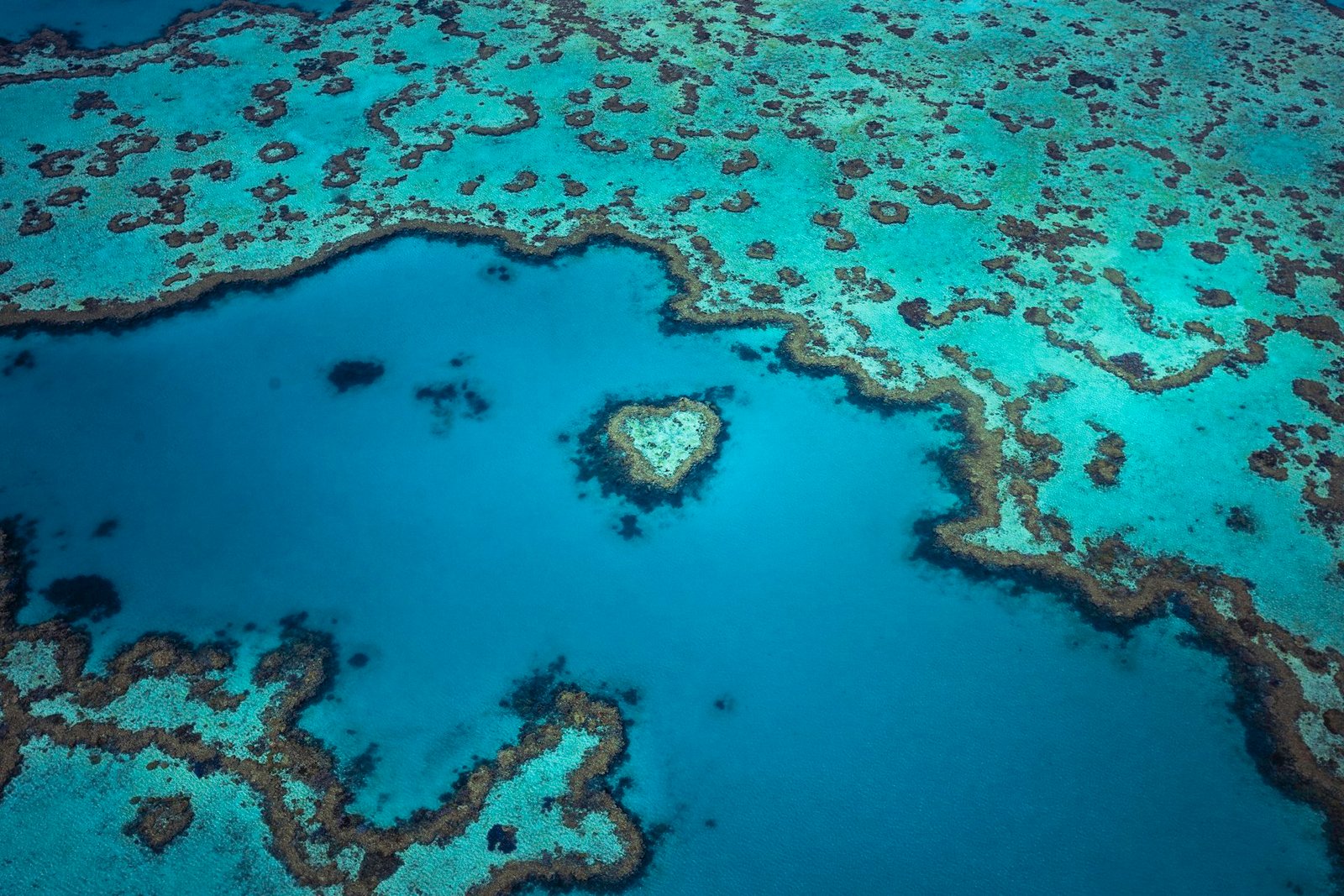
The Great Barrier Reef is so big that astronauts can see it from space. It stretches for more than 2,300 km along the coast of Queensland in northeastern Australia, made up of around 3,000 individual reefs and hundreds of islands. Floating above it with a snorkel, watching turtles glide past and schools of fish flash through the coral, is one of those experiences that stays with you for the rest of your life.
Just south of the reef’s most famous section lie the Whitsunday Islands, 74 tropical islands with white sand beaches, sailing boats anchored in quiet bays and what is often called the most beautiful beach in Australia.
Australia isn’t a cheap destination, and reef trips aren’t free. But with the right base, the right season and some smart choices, you can see the best of the reef and the Whitsundays without spending a fortune. This guide shows you how.
The Great Barrier Reef at a Glance
- Where: off the coast of Queensland, Australia, from the Torres Strait in the north to near Bundaberg in the south
- Main gateways: Cairns and Port Douglas in the north, Airlie Beach for the Whitsundays
- Airports: Cairns (CNS), Proserpine (PPP) near Airlie Beach and Hamilton Island (HTI)
- Currency: Australian dollar (AUD). One US dollar is roughly 1.5 Australian dollars
- Entry: most visitors need an electronic visa before travel. EU citizens can apply for a free eVisitor, while travellers from the US, Canada and some other countries use the ETA app
- Best time: June to October for dry, sunny weather and calm seas
- Budget: around $80 to $120 a day for budget travellers, $180 to $300 for a comfortable mid-range trip
An Honest Word About the Reef
You may have read that the Great Barrier Reef is “dead”. It isn’t. But it is under real pressure. Rising sea temperatures have caused several mass coral bleaching events in recent years, and some areas have been badly damaged. Other parts have recovered well, and many reefs, especially on the outer reef, are still full of colour and life.
The best thing you can do as a visitor is to choose a responsible tour operator, use reef-safe sunscreen, never touch or stand on the coral, and follow the guides’ instructions. Part of your ticket price goes to the reef’s management and protection, which is one more reason to visit.
When to Go
June to October is the best time for most travellers. It’s the dry season, with sunny days, low humidity, calm seas and pleasant temperatures of around 22 to 28 degrees Celsius. Water visibility is often best from around August to November.
November to May is the wet season. It’s hot, humid and rainy, and January to March can bring tropical cyclones. It’s also stinger season, when dangerous box jellyfish and Irukandji jellyfish can be found in coastal waters. Tour operators provide full-body stinger suits, and you should always wear one when swimming during these months.
Where to Base Yourself
Cairns: The Classic Gateway
Cairns is the main gateway to the northern Great Barrier Reef. It’s a relaxed tropical city with a big choice of accommodation, restaurants and reef tours. There’s no beach in the city itself, but the free Cairns Esplanade Lagoon is a lovely place to swim. From the marina, dozens of boats head out to the reef every morning.
Port Douglas: Smaller and Closer to Paradise
About an hour north of Cairns, Port Douglas is a smaller, more upmarket town with the beautiful Four Mile Beach. Boats from here reach the stunning Agincourt Reefs on the outer reef, and it’s the perfect base for the Daintree Rainforest.
Airlie Beach: Gateway to the Whitsundays
Airlie Beach is a lively little town with a big swimming lagoon, backpacker bars and the marina where sailing boats leave for the Whitsunday Islands. It’s the best base for island trips and sailing adventures.
Our tip: if you have two weeks, combine Cairns or Port Douglas with Airlie Beach. Domestic flights or the long drive down the coast connect the two areas.
Things to Do on the Great Barrier Reef
Here are the experiences we think are worth your time and money.
1. Visit Whitehaven Beach and Hill Inlet
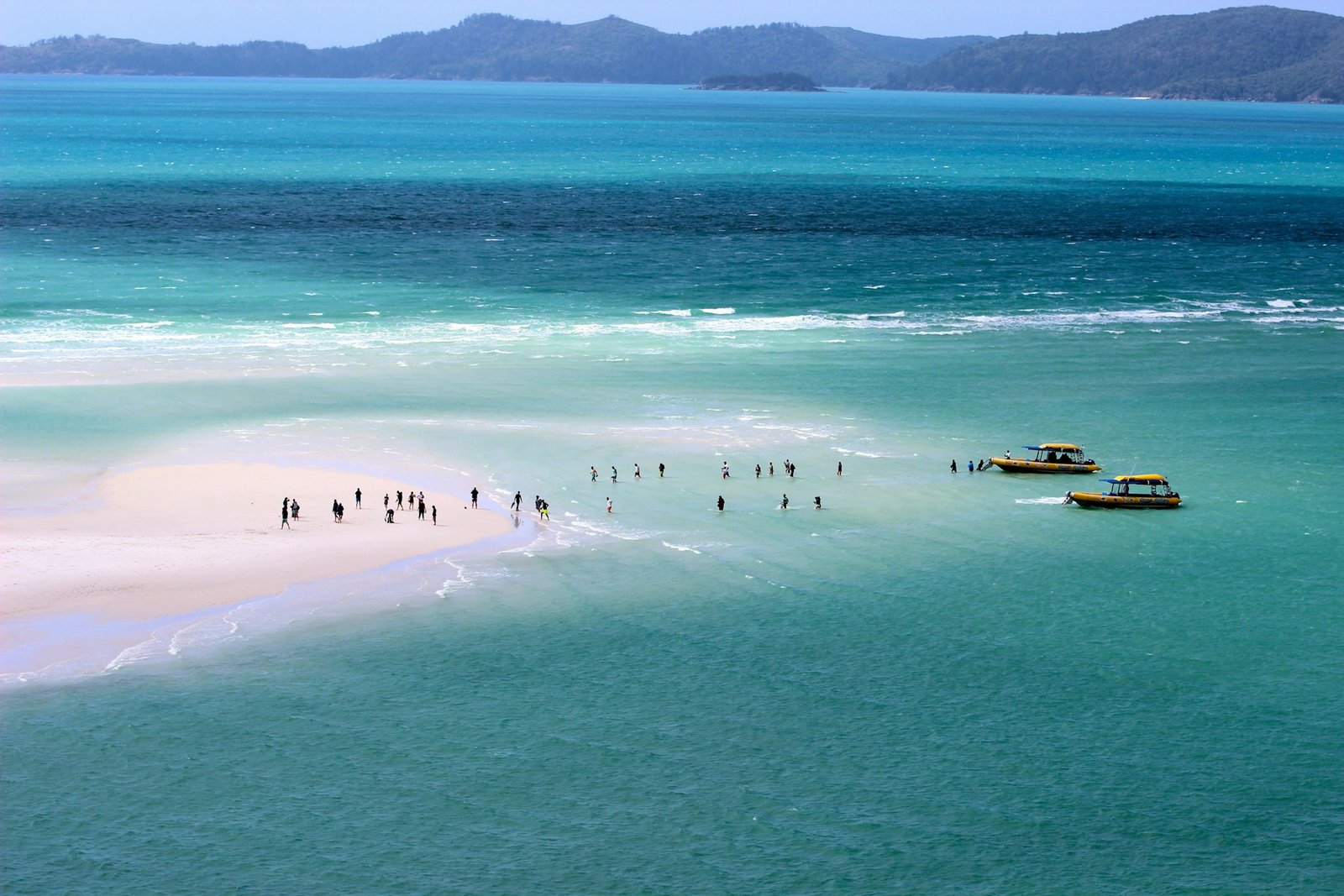
Whitehaven Beach on Whitsunday Island regularly appears on lists of the most beautiful beaches in the world. Its sand is made of almost pure silica, which makes it so fine and white that it squeaks under your feet and stays cool, even in the midday sun.
At the northern end, the view from the Hill Inlet Lookout is the most famous sight in the Whitsundays. As the tide moves in and out, the white sand and turquoise water create swirling patterns that change every hour. Try to visit at low tide for the best view.
Day trips from Airlie Beach to Whitehaven Beach are mid-range in price, and most include a stop at the lookout and time for swimming. There are no shops or facilities on the beach, so bring water, sunscreen and a hat.

2. Sail the Whitsundays
Sailing between the islands is the best way to experience the Whitsundays. The water is calm, protected by the outer reef, and every day brings a new bay or beach to explore.
Day sails take you to Whitehaven Beach and a snorkelling spot or two. Overnight sailing trips of two or three nights are even better: you sleep on board, wake up in a quiet bay and have the beaches to yourself before the day-trippers arrive. Overnight trips range from budget backpacker boats to small luxury yachts, so there’s an option for most budgets.
If you’re an experienced sailor, you can even charter a bareboat yacht and skipper it yourself.
3. Snorkel on the Outer Reef
The outer reef, far from the coast, usually has the clearest water and the healthiest coral. Full-day tours from Cairns, Port Douglas and Airlie Beach take you out on large, stable boats or to floating pontoons moored at the reef, with snorkelling gear, lunch and guides included.
You’ll see brain corals, staghorn corals and giant clams, along with parrotfish, clownfish and, often, green sea turtles. Many tours also offer guided snorkel tours with a marine biologist, which are well worth the small extra cost if you want to understand what you’re looking at.
Full-day reef trips are mid-range to expensive, but they’re the highlight of most trips to Queensland. Choose a smaller boat for a quieter, more personal experience, and check how many reef sites the tour visits.

4. Learn to Dive
The Great Barrier Reef is one of the best places in the world to try scuba diving. Most reef tours offer an introductory dive, where an instructor takes you under the water after a short briefing, with no experience needed.
If you want to get certified, several dive schools in Cairns offer Open Water courses that combine pool training with dives on the reef. Some even include a few nights on a liveaboard boat, where you can dive several times a day at remote reefs. For certified divers, the Ribbon Reefs and the famous Cod Hole, where huge potato cod swim right up to divers, are bucket-list sites.

5. Take a Scenic Flight
The Great Barrier Reef is so huge that the best way to understand it is from the air. Scenic flights by plane or helicopter from Airlie Beach and Cairns show you the reef’s endless patterns of blue and turquoise. From Airlie Beach, the most famous sight is Heart Reef, a small reef shaped like a perfect heart.
Flights are a splurge, but even a short helicopter flight is an unforgettable experience. Some tours combine a flight one way with a boat trip back.

6. Hike in the Whitsundays
The islands aren’t just for the beach. The Hill Inlet Lookout walk is short and easy. On Whitsunday Island, the Whitsunday Ngaro Sea Trail combines walking tracks with kayaking routes between campsites. On the mainland, the Honeyeater Lookout near Airlie Beach has wonderful views over the islands at sunset.
You can even camp on several islands in national park campsites. Book ahead and arrange transport with a water taxi.

7. Explore the Daintree Rainforest
North of Port Douglas, the Daintree Rainforest is one of the oldest rainforests on earth, much older than the Amazon. It’s one of the few places in the world where two World Heritage Sites meet, as the rainforest runs right down to the reef at Cape Tribulation.
Take a Daintree River cruise to spot crocodiles, walk the boardwalks through the forest and look out for the rare cassowary, a huge, colourful bird. Never swim in rivers or estuaries in tropical Queensland, as saltwater crocodiles live there.
8. Ride the Kuranda Scenic Railway
From Cairns, the Kuranda Scenic Railway winds through rainforest and past waterfalls up to the mountain village of Kuranda. Many visitors take the train up and return on the Skyrail Rainforest Cableway, which glides over the treetops. Kuranda itself has markets, a butterfly sanctuary and small cafés.
9. Visit a Reef Island
Small coral islands like Green Island and Fitzroy Island near Cairns are easy and cheap to reach by ferry. You can snorkel right from the beach, walk through the rainforest and spend a relaxed day without a big tour. On Fitzroy Island, visit the Cairns Turtle Rehabilitation Centre, where injured sea turtles are cared for.
10. Swim in the Lagoons
During stinger season, the safest place for a swim on the mainland is one of the free public lagoons. Both Cairns and Airlie Beach have large, beautifully landscaped saltwater swimming lagoons by the sea, with lifeguards, shade and free barbecues. It’s a typical Australian way to spend an afternoon.
Where to Stay on a Budget
Cairns and Airlie Beach have plenty of affordable accommodation:
- Hostels: dorm beds and private rooms, often with pools and tour desks that offer good deals
- Motels and apartments: comfortable and often with a kitchen, which helps you save on food
- Holiday parks: campsites with cabins, pools and barbecue areas, popular with families
- Island resorts: beautiful but expensive. If you want an island night, consider a sailing trip or camping instead
Book early for the Australian school holidays, especially in June, July and September.
Eating on a Budget
Eating out in Australia is expensive. To save money:
- Cook for yourself. Supermarkets like Woolworths, Coles and Aldi are everywhere, and most hostels and apartments have kitchens
- Use the free public barbecues at the lagoons and parks. It’s a very Australian thing to do
- Eat at the local pubs, many of which offer cheap lunch and dinner specials on certain days
- Try the seafood. Fresh prawns, barramundi and coral trout are local specialities. Buy them at a fish market for a picnic
Most reef day tours include lunch, which helps your budget on those days.
What It Really Costs
Here’s a realistic daily budget per person for a comfortable mid-range trip, not counting international flights.
- Accommodation: $50 to $100 per person, sharing a room in a motel or apartment
- Food: $30 to $60 a day if you cook some meals and eat out sometimes
- Transport: $15 to $40 a day on average, including a rental car or buses and some domestic flights
- Activities: budget for the big highlights separately: a full-day outer reef trip, a Whitehaven Beach day trip or overnight sail, and perhaps a scenic flight or dive
That works out to around $120 to $220 per person per day, plus your reef and sailing trips. A full-day outer reef tour and a Whitsundays day trip are the two things you shouldn’t skip.
A Sample 12-Day Itinerary
Days 1 to 2: Cairns. Relax at the Esplanade Lagoon and take a day trip to Green Island or Fitzroy Island.
Day 3: Kuranda Scenic Railway and Skyrail.
Days 4 to 6: Port Douglas. Full-day trip to the outer reef, then explore the Daintree Rainforest and Cape Tribulation.
Day 7: Fly or drive south to Airlie Beach.
Days 8 to 10: Two-night sailing trip around the Whitsundays, with Whitehaven Beach and Hill Inlet.
Days 11 to 12: Scenic flight over Heart Reef, a sunset at Honeyeater Lookout and a last swim in the Airlie Beach Lagoon.
Practical Tips
- Sun protection: the Australian sun is extremely strong. Use high-factor, reef-safe sunscreen, a hat and a rash guard
- Stinger suits: always wear one when swimming in the sea between November and May
- Crocodiles: never swim in rivers, creeks or estuaries in tropical Queensland, and obey all warning signs
- Seasickness: the boat ride to the outer reef can be rough. Take tablets before you leave if you’re sensitive
- Book ahead for sailing trips and outer reef tours in the high season
Booking Tips
- Airport transfer: book an airport transfer with Kiwitaxi from Cairns airport to your hotel or straight up the coast to Port Douglas, with a fixed price and no waiting
- eSIM: install a Yesim eSIM before you fly, so you have data for maps, tour bookings and weather updates in Australia from the moment you land
- Tours: popular options include an outer reef snorkelling trip from Cairns, a Whitehaven Beach day trip, a Heart Reef scenic flight and the Kuranda Scenic Railway. You can compare and book most of them on Klook
Final Thoughts
The Great Barrier Reef is one of the natural wonders of the world, and it’s facing a difficult future. That makes seeing it with your own eyes even more special. Whether you’re snorkelling with turtles on the outer reef, sailing between the Whitsunday Islands or standing on Hill Inlet Lookout as the tide paints swirls into the sand, it’s a trip you’ll never forget.
Travel in the dry season, choose a responsible operator, cook a few of your own meals and spend your money on the experiences that matter: a day on the outer reef and a few days at sea. You’ll come home with memories, and maybe a new love for the ocean.
Prices checked in October 2026. Costs and opening times change, so always confirm before you book.
Leave a Reply