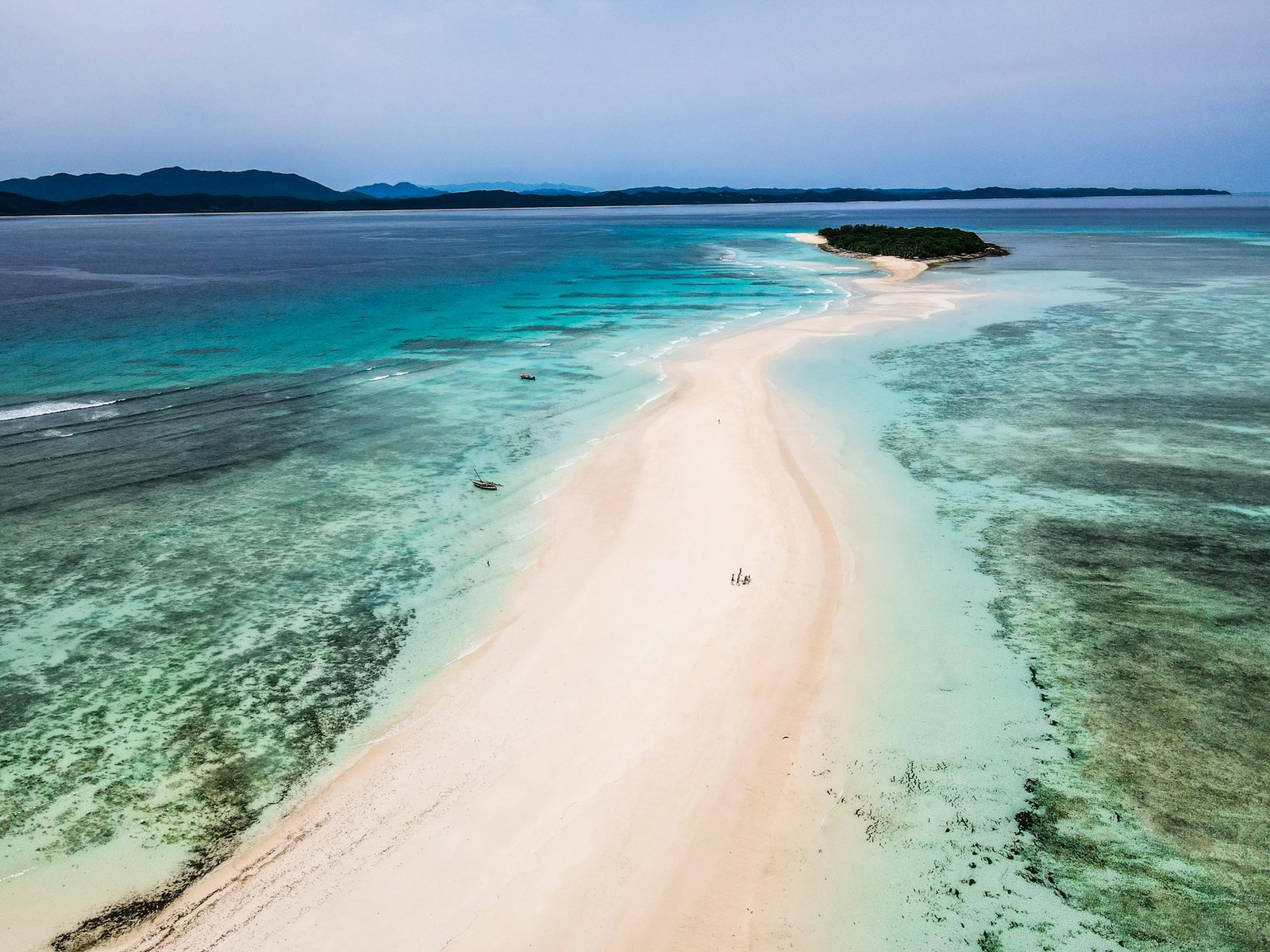
A white sandbar curving through turquoise water to a tiny tropical island, lemurs leaping through misty rainforest, giant baobab trees glowing red at sunset and wooden sailing boats gliding home at dusk: Madagascar feels like a world of its own.
The fourth-largest island on earth broke away from Africa millions of years ago, and life here went its own way. Around 90 percent of its plants and animals live nowhere else, from more than a hundred kinds of lemurs to chameleons the size of a fingernail. Add palm-lined beaches, coral reefs and some of the friendliest people you’ll ever meet, and you have one of the most unique destinations in the world.
Madagascar isn’t a polished resort destination. Roads are slow, things don’t always run on time and you’ll need patience. But that’s part of its charm, and day-to-day costs are low. Combine a few days on the beaches of Nosy Be with the rainforest and the baobabs, and you’ll have a trip you’ll never forget. This guide shows you how.
Madagascar at a Glance
- Where: in the Indian Ocean, about 400 km off the southeast coast of Africa
- Main airports: Antananarivo (TNR), the capital, and Nosy Be (NOS) for the beaches
- Currency: Malagasy ariary (MGA). Euros are widely accepted for larger payments
- Entry: most visitors need a visa, available online or on arrival for a fee. Check the current rules for your passport
- Languages: Malagasy and French. English is spoken in hotels and by many guides
- Best time: April to November, the dry season
- Budget: around $50 to $80 a day for budget travellers, $120 to $220 for a comfortable mid-range trip
When to Go
April to November is the dry season and the best time to visit. The days are sunny, the roads are in better shape and the national parks are easy to explore. September to November is especially good: it’s warm, and around Nosy Be it’s the season for whale sharks.
July to September is the season for humpback whales, which come to the waters off the east coast to give birth. The highlands, including Antananarivo and Andasibe, can be surprisingly cool at night in these months, so bring a warm layer.
December to March is the rainy season. It’s hot and humid, and cyclones can hit, especially from January to March. Some roads become impassable and a few parks close.
Our tip: visit in October or early November for warm weather, calm seas and the best chance to swim with whale sharks.
How Long Do You Need?
Madagascar is huge, and getting around takes time. Plan at least two weeks to combine the beaches of Nosy Be with the rainforest and the baobabs. With only one week, choose one region: either the beaches and islands of the north, or the rainforest and highlands around Andasibe.
Getting Around
Distances are long and many roads are rough, so domestic flights save a lot of time. Flights link Antananarivo with Nosy Be, Morondava and other regions, but schedules change often, so stay flexible.
On land, the most common way to travel is with a rental car and driver, which is affordable and much safer than driving yourself. Local minibuses called taxi-brousse are very cheap but slow, crowded and best avoided on long trips.
Around Nosy Be, everything happens by boat. Day trips to the nearby islands leave every morning from the main beaches and from the port of Hell-Ville.
Things to Do in Madagascar
Here are the experiences we think are worth your time and money.
1. Walk the Sandbar to Nosy Iranja
Nosy Iranja is one of the most beautiful places in the Indian Ocean. It’s actually two small islands, connected by a long white sandbar that appears at low tide. Walking across it, with turquoise water on both sides, feels like a dream.
Day trips by speedboat leave from Nosy Be in the morning and take about an hour and a half each way. A grilled seafood lunch on the beach is usually included. Bring reef-safe sunscreen and a hat, as there’s very little shade on the sandbar.

2. Spend a Night on Nosy Iranja
Most visitors only see Nosy Iranja on a day trip. If you stay overnight at the island’s small lodge, you’ll have the beaches almost to yourself once the day boats have gone.
Climb the hill to the old lighthouse for a sweeping view over the sandbar and the sea, especially at sunset. The island is also an important nesting site for sea turtles, and in season you may see them come ashore at night. Staying here is a splurge, but it’s one of the most magical nights you’ll ever spend on a beach.

3. Snorkel at Nosy Tanikely
Just off the coast of Nosy Be, Nosy Tanikely is a small protected marine reserve with some of the best snorkelling in Madagascar. The coral reef around the island is full of colourful fish, and you’ll often see sea turtles grazing on the sea grass.
Most day trips combine Nosy Tanikely with Nosy Komba, a nearby island where you can walk through a village and see black lemurs up close. Pay the small marine park fee, and never stand on the coral.
4. Swim with Whale Sharks
From around September to December, whale sharks, the largest fish in the world, come to feed in the waters around Nosy Be. Swimming next to one of these gentle giants is a once-in-a-lifetime experience.
Join a small-group boat trip with an operator that follows responsible guidelines: only a few swimmers in the water at a time, no touching and keeping a safe distance. Tours are on the pricier side, but they often include snorkelling, dolphins and a beach lunch. In other months, these trips focus on manta rays, dolphins and turtles.

5. Relax on Nosy Be’s Beaches
Nosy Be is Madagascar’s main beach island, with a relaxed island feel, ylang-ylang plantations and a scent of vanilla in the air. Andilana Beach in the north is the most beautiful, with soft white sand, calm water and amazing sunsets.
In the evening, head up Mont Passot, the highest point of the island, for a view over the crater lakes and the islands at sunset. You can explore Nosy Be by scooter or quad bike, or hire a driver for the day.
6. Meet the Lemurs of Andasibe
About four hours east of Antananarivo, Andasibe-Mantadia National Park is the best place to see lemurs in the wild. The rainforest here is home to the indri, the largest living lemur, whose haunting call echoes through the trees every morning.
Visit with a local guide, which is required in all national parks. A morning walk usually brings you close to indri families and other lemurs. A night walk is a great way to see chameleons, frogs and tiny mouse lemurs. Bring rain gear, as it can rain at any time of year.

7. Explore Lokobe and Nosy Komba
You don’t have to leave Nosy Be to see lemurs. Lokobe National Park, on the southeast tip of the island, protects the last patch of original rainforest on Nosy Be. You reach it by pirogue, a traditional outrigger canoe, and walk through the forest with a guide.
Look for black lemurs, sleepy owls, snakes and colourful chameleons, including the tiny panther chameleon. Many tours end with a traditional lunch in a village on the coast.
8. Watch the Sunset at the Avenue of the Baobabs
The Avenue of the Baobabs, near Morondava on the west coast, is Madagascar’s most famous sight. A dusty road is lined with giant baobab trees, some of them hundreds of years old and up to 30 metres tall.
Come at sunset, when the trees turn into dark silhouettes against a glowing sky, or at sunrise, when it’s quieter. Entry is cheap. Nearby, look for the Baobabs Amoureux, two baobabs twisted around each other. Morondava is best reached by a domestic flight from Antananarivo.

9. Discover the Tsingy de Bemaraha
North of Morondava, the Tsingy de Bemaraha National Park is a UNESCO World Heritage Site and one of the strangest landscapes on earth. Its name means “where one cannot walk barefoot”, and it’s a forest of razor-sharp limestone needles.
Guided routes lead over suspension bridges, ladders and narrow ledges high above the forest. It’s an adventure, but you’ll need a harness and a head for heights. The park can only be reached in the dry season, usually from around May to November, and the drive from Morondava is long and rough.
10. Sail a Traditional Boat at Sunset
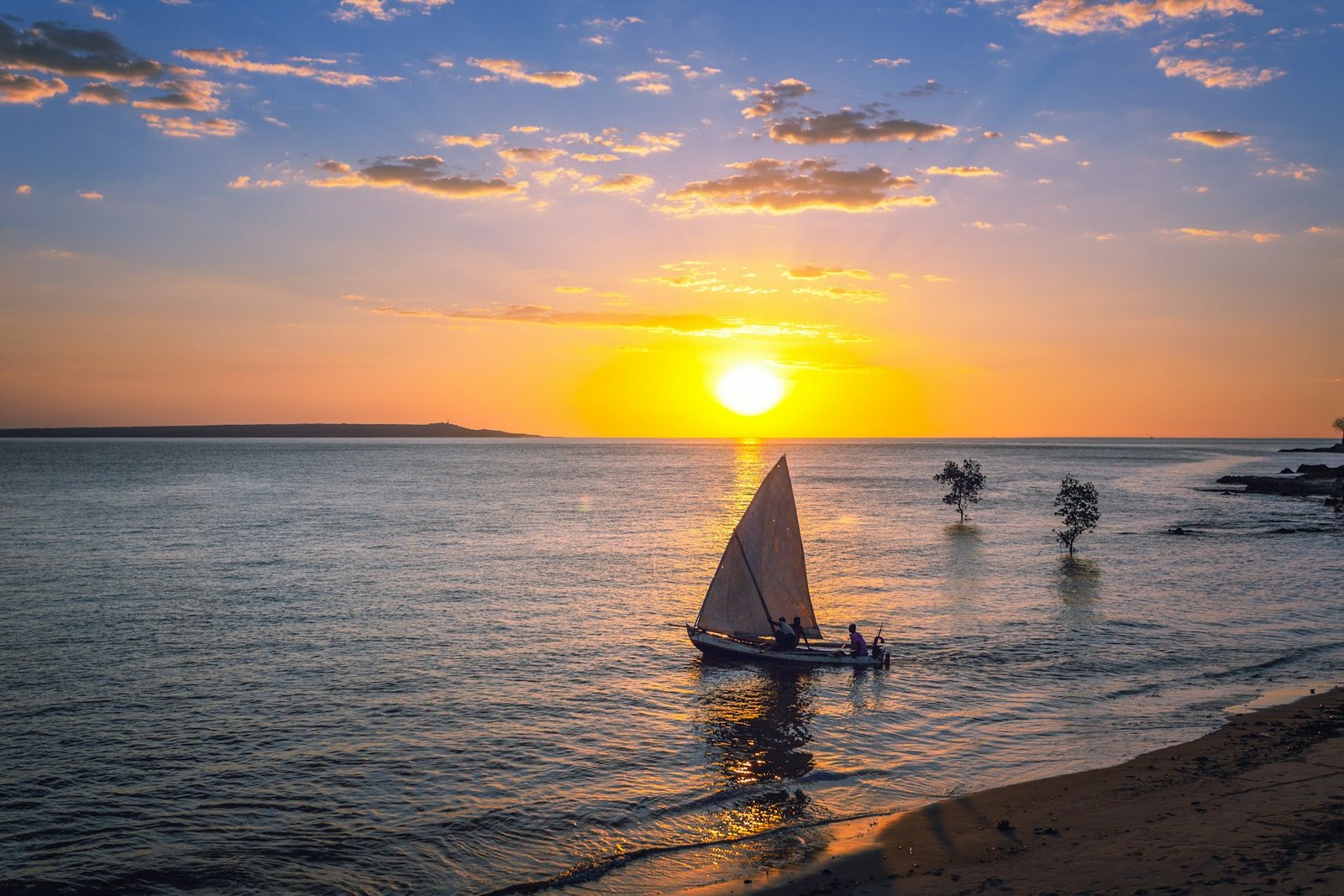
Madagascar’s coast is still sailed by traditional wooden boats: pirogues and dhow-style sailing boats used by fishermen and traders for centuries. Watching them glide home at sunset is one of the most beautiful sights in the country.
Join a sunset sail around Nosy Be, or a longer sailing trip to the islands of the north, sleeping on the boat or in beach camps. On the west coast, the waterfront of Mahajanga is famous for its sunsets over the sea and the boats in the bay.
Where to Stay on a Budget
Madagascar offers good value for money:
- Guesthouses: simple family-run guesthouses in towns and villages, often with breakfast
- Beach bungalows: wooden bungalows on Nosy Be, just steps from the sand
- Eco-lodges: near the national parks, like Andasibe, with rooms close to the forest
- Hotels: comfortable hotels in Antananarivo for your first and last night
Book early for July, August and the Christmas holidays, especially on Nosy Be. Smaller places may only take cash.
Eating on a Budget
Malagasy food is simple, fresh and inexpensive:
- Romazava: a beef and leafy greens stew, the national dish
- Zebu: the local humped cattle, served grilled or as steak
- Seafood: fresh fish, prawns, crab and octopus on the coast
- Mofo gasy: small, slightly sweet rice cakes for breakfast
- Fresh fruit and vanilla: mangoes, lychees and the world-famous Madagascar vanilla
Eat at small local restaurants called hotely for the cheapest meals. A plate of rice with zebu or chicken costs very little.
What It Really Costs
Here’s a realistic daily budget per person for a comfortable mid-range trip, not counting international flights.
- Accommodation: $35 to $90 per person, sharing a double room in a good guesthouse or beach bungalow
- Food: $15 to $35 a day, mixing local restaurants and tourist spots
- Transport: $30 to $70 a day on average, including a car with driver and boat transfers
- Activities: budget for the highlights separately: domestic flights, park entry and guides, island day trips, whale shark tours and a night on Nosy Iranja
That works out to around $120 to $220 per person per day. Travelling in a small group to share a driver, staying in guesthouses and eating local food can bring that down noticeably.
A Sample 12-Day Itinerary
Day 1: Arrive in Antananarivo and rest.
Day 2: Drive to Andasibe and take a night walk.
Day 3: Lemur walk in Andasibe-Mantadia, then drive back to Antananarivo.
Day 4: Fly to Morondava and watch the sunset at the Avenue of the Baobabs.
Day 5: Sunrise at the baobabs, then fly back to Antananarivo.
Day 6: Fly to Nosy Be and relax on Andilana Beach.
Day 7: Day trip to Nosy Tanikely and Nosy Komba.
Day 8: Lokobe National Park by pirogue, then sunset on Mont Passot.
Day 9: Boat trip to Nosy Iranja and a night on the island.
Day 10: Morning on Nosy Iranja, then back to Nosy Be.
Day 11: Whale shark tour in season, or a sunset sail.
Day 12: Fly home from Nosy Be.
Practical Tips
- Talk to your doctor about malaria protection and vaccinations well before you travel
- Carry cash: ATMs are only found in larger towns, and cards are rarely accepted outside hotels
- Plan for delays: domestic flights and roads are unpredictable, so leave a buffer day before your flight home
- Always use a licensed guide in national parks
- Bring a warm layer for the highlands and rain gear for the rainforest
- Respect the wildlife: never feed or touch lemurs, and don’t buy products made from protected plants or animals
Booking Tips
- Airport transfer: book an airport transfer with Kiwitaxi from Antananarivo or Nosy Be airport to your hotel, with a fixed price and a driver waiting for you, especially useful if you land late at night
- eSIM: install a Yesim eSIM before you fly, so you have data for maps and messages in Madagascar from the moment you land. Expect weak or no signal in the national parks and on the small islands
- Tours: popular options include a Nosy Iranja day trip, snorkelling at Nosy Tanikely, a Lokobe and Nosy Komba lemur tour and whale shark trips from Nosy Be. You can compare and book most of them on Klook
Final Thoughts
Madagascar is unlike anywhere else on earth. Walk the sandbar to Nosy Iranja, snorkel with turtles, swim with whale sharks, listen to the call of the indri in the rainforest and watch the sun set behind the giant baobabs.
Bring patience, travel in the dry season and let the island surprise you. Madagascar is the kind of adventure you’ll be talking about for years.
Prices checked in October 2026. Costs and opening times change, so always confirm before you book.
Leave a Reply