Dream destinations, real budgets

Category: Africa

Safaris in Kenya and Tanzania, island escapes in Mauritius and the Seychelles, and Morocco’s deserts. Africa’s highlights, made affordable.

  • Victoria Falls and Chobe Travel Guide: Waterfalls, Safaris and Real Costs

    Victoria Falls and Chobe Travel Guide: Waterfalls, Safaris and Real Costs

    A curtain of water almost two kilometres wide crashing into a deep gorge, a rainbow hanging in the spray, a swim at the very edge of the falls, a sunset cruise on the Zambezi with hippos snorting in the water and hundreds of elephants coming down to the river to drink: Victoria Falls and Chobe are one of the great travel combinations in Africa.

    The local name for the falls is Mosi-oa-Tunya, “the smoke that thunders”, and you’ll understand why long before you see them. The spray rises hundreds of metres into the sky and can be seen from far away. Victoria Falls sits on the border between Zimbabwe and Zambia, and just a short drive away lies Chobe National Park in Botswana, home to one of the largest elephant populations on earth.

    This isn’t the cheapest corner of Africa, but it’s far easier and more affordable than many people think. You don’t need a luxury lodge to see the falls or join a river safari in Chobe. This guide shows you how to plan the trip, which side of the falls to visit and what it really costs.

    Victoria Falls and Chobe at a Glance

    • Where: on the Zambezi River, on the border of Zimbabwe and Zambia, close to Botswana and Namibia
    • Main airports: Victoria Falls Airport (VFA) in Zimbabwe, Livingstone Airport (LVI) in Zambia and Kasane Airport (BBK) in Botswana
    • Currency: US dollars are widely used in Victoria Falls town. Zambia uses the kwacha and Botswana the pula, but dollars are accepted for most tours
    • Entry: rules differ for Zimbabwe, Zambia and Botswana. Some visitors can use the KAZA UniVisa, which covers Zimbabwe and Zambia, when it’s available. Check the current rules for your passport before you travel
    • Languages: English is widely spoken in all three countries
    • Best time: May to July for the most impressive falls, August to October for safari and Devil’s Pool
    • Budget: around $100 to $150 a day for budget travellers, $200 to $350 for a comfortable mid-range trip

    When to Go

    The falls change completely through the year, so the best time depends on what you want to see.

    February to June is the high-water season. The falls are at their most powerful, with huge clouds of spray and thundering noise. In April and May, the spray can be so heavy that it’s hard to see the falls at all, and you’ll get completely soaked. It’s still an incredible experience.

    June to August is often the best balance. The water is still high, the views are clearer, the weather is dry and pleasant, and it’s a great time for safari in Chobe.

    September to December is the low-water season. The falls are smaller, and parts of the Zambian side may run almost dry by November. This is the season for Devil’s Pool, white-water rafting and the best wildlife viewing in Chobe, when animals gather at the river.

    Our tip: visit in July or August for strong falls, dry weather and excellent safari in Chobe.

    How Long Do You Need?

    Plan at least four to five days. That gives you two days for the falls and activities, one day for a sunset cruise and the town, and a full day trip to Chobe. With a week, you can visit both sides of the falls, spend a night in Kasane for more safari time and add an adventure activity or two.

    Zimbabwe or Zambia: Which Side?

    You can see the falls from both countries, and both sides are worth visiting:

    • Zimbabwe side: the town of Victoria Falls is small, safe and walkable, and the falls are just a short walk from the centre. Around three quarters of the falls can be seen from here, with the most classic views
    • Zambia side: the town of Livingstone is about 10 km from the falls. The Zambian side offers closer views, the Knife-Edge Bridge and access to Devil’s Pool

    Most travellers stay on the Zimbabwe side and cross the Victoria Falls Bridge for a day trip to Zambia.

    Getting Around

    • On foot: Victoria Falls town is easy to explore on foot, and the entrance to the falls is a short walk from most hotels
    • Taxis and transfers: taxis are cheap, and most tours include pick-up from your hotel
    • Crossing the border: you can cross the Victoria Falls Bridge on foot or by taxi to reach the Zambian side
    • To Chobe: Kasane, the gateway to Chobe, is about 80 km from Victoria Falls town. Most travellers join a day trip that includes transport and the border crossing

    Things to Do at Victoria Falls and Chobe

    Here are the experiences we think are worth your time and money.

    1. Walk Through the Rainforest on the Zimbabwe Side

    The main path on the Zimbabwe side leads through a lush rainforest, kept green all year by the spray of the falls. Along the way, 16 viewpoints look out over the falls, from the statue of David Livingstone to the dramatic Main Falls and Danger Point.

    On sunny days, rainbows appear in the spray almost everywhere you look. Bring a raincoat or rent a poncho at the entrance in the high-water season, and keep your phone in a waterproof bag. Allow at least two hours.
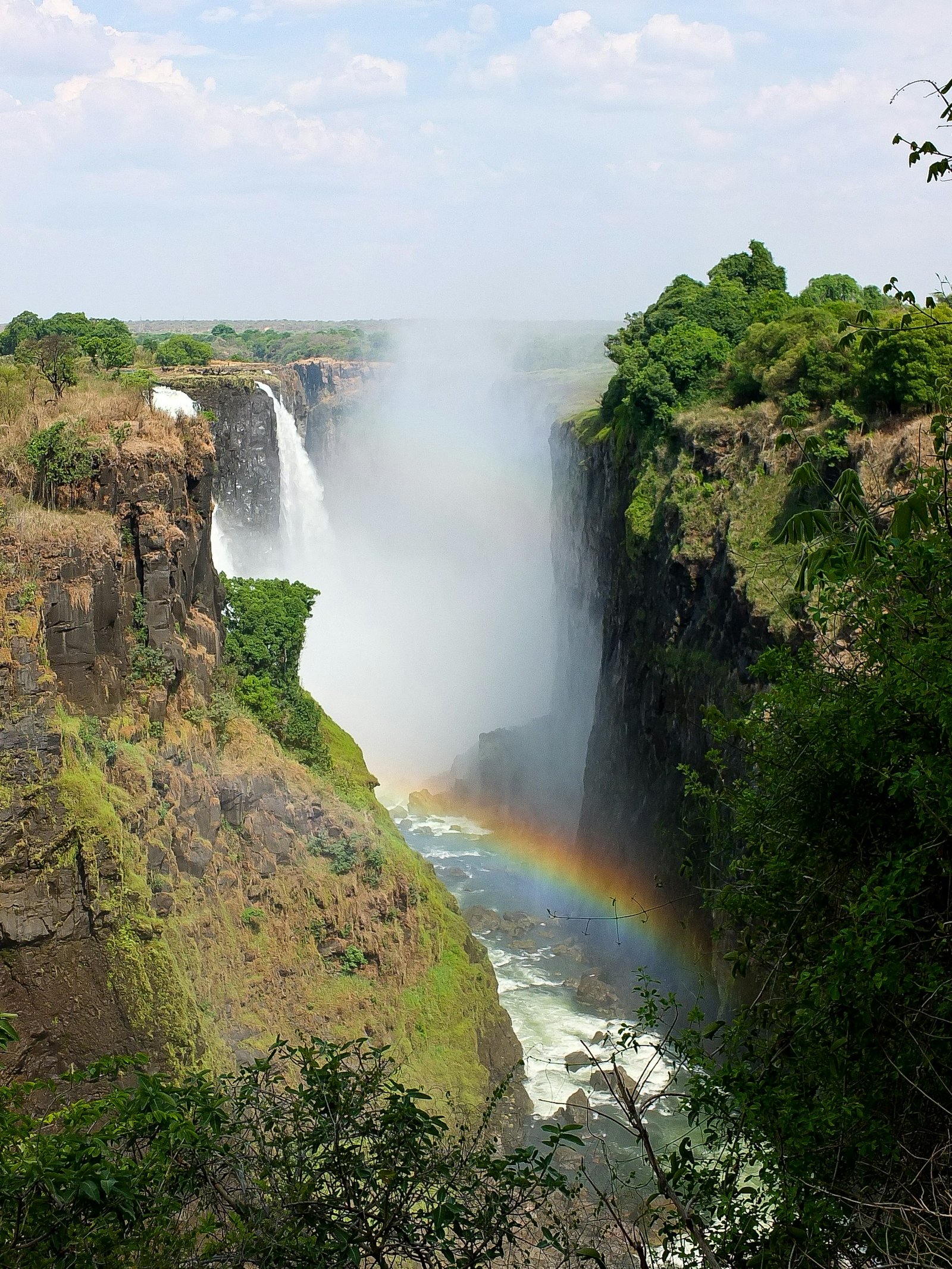
    A rainbow in the spray of Victoria Falls, Zimbabwe

    2. See the Falls from the Zambian Side

    Across the border, the Zambian side gets you even closer to the water. Walk across the Knife-Edge Bridge, which crosses a narrow gorge right in front of the Eastern Cataract. In the high-water season, the spray here is like walking through a rainstorm.

    Follow the path down to the Boiling Pot, where the Zambezi swirls at the bottom of the gorge after crashing over the falls. Entry to the Zambian side is cheaper than the Zimbabwe side, and it makes a great half-day trip.
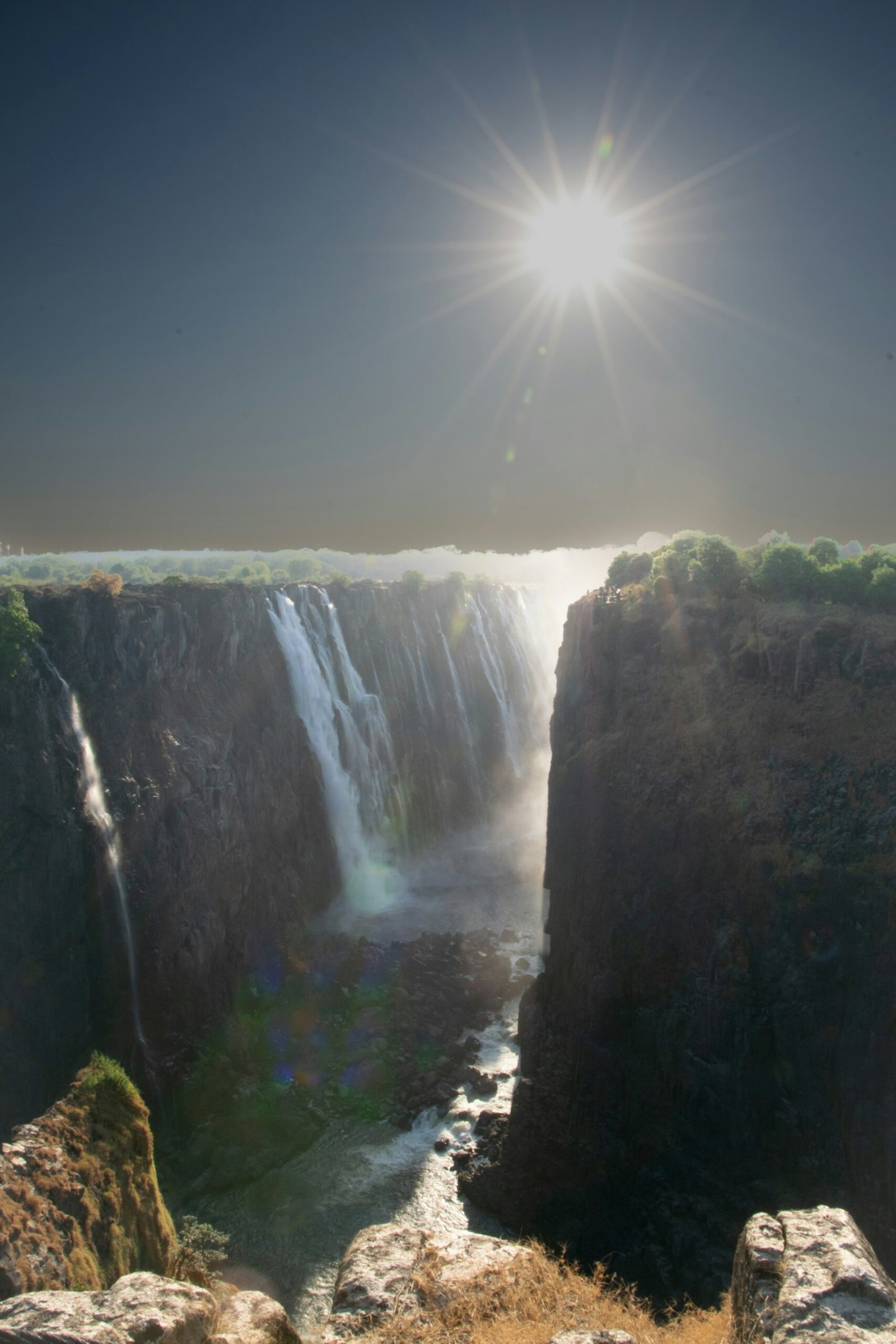
    Sunlight shining over the cliffs and water of Victoria Falls

    3. Swim in Devil’s Pool

    From around August to January, when the water is low, you can swim in Devil’s Pool, a natural rock pool right at the edge of the falls. A rock lip just below the surface stops you from going over, while the water drops more than 100 metres just in front of you.

    You can only visit on a guided tour from Livingstone Island on the Zambian side, which includes a boat ride and breakfast or lunch. Spaces are limited, so book well in advance. When the water is too high for the pool, the tour visits Angel’s Pool or the island itself.
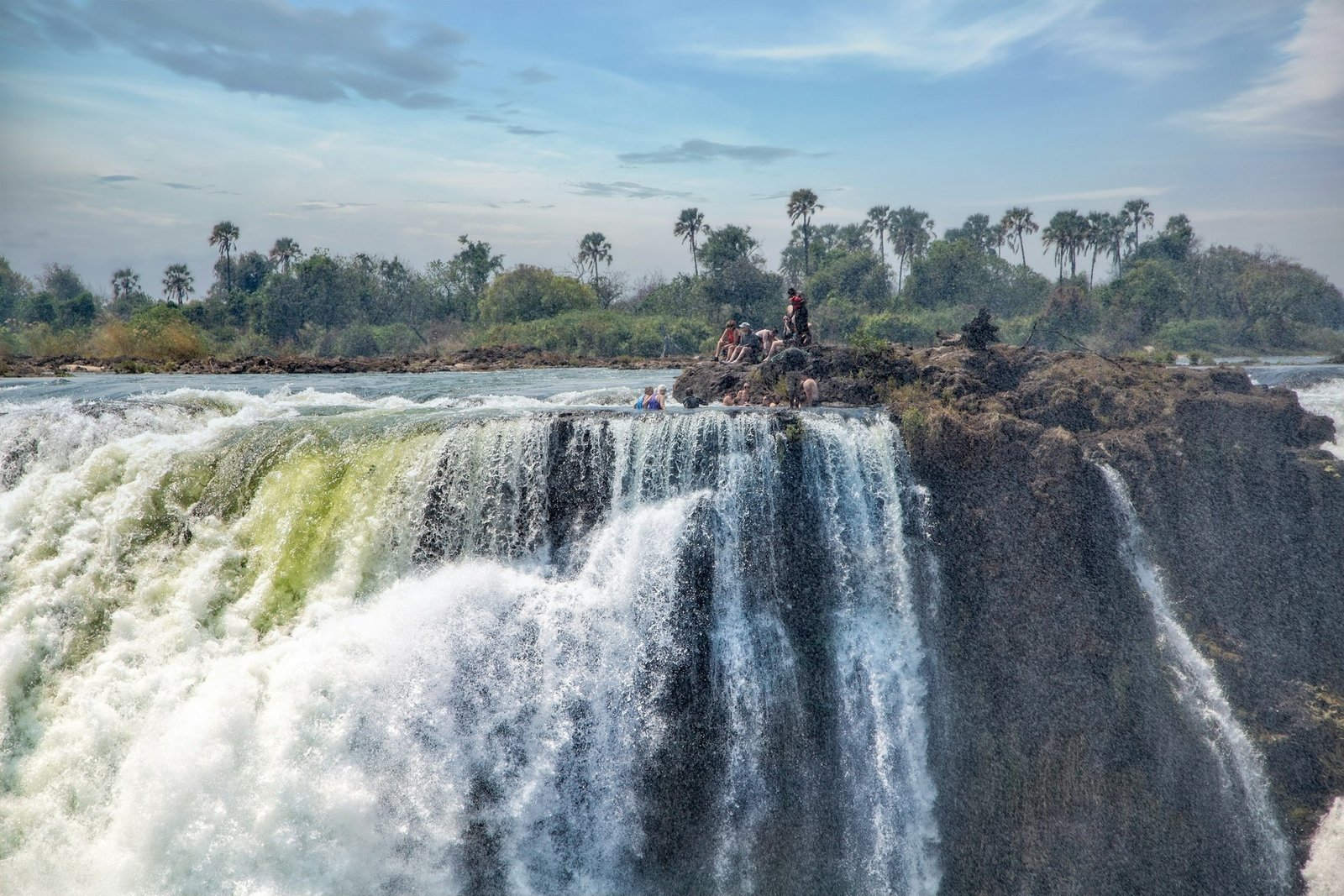
    Water spray at the edge of Victoria Falls near Devil's Pool

    4. Cross the Victoria Falls Bridge

    The Victoria Falls Bridge was completed in 1905 and connects Zimbabwe and Zambia high above the Zambezi. Walk across for great views of the falls and the gorge, and watch the old steam train cross on special trips.

    Adrenaline lovers can try the famous bungee jump from the middle of the bridge, more than 100 metres above the river, or the bridge swing and zip line across the gorge. For something calmer, the bridge tour takes you underneath the bridge on walkways to learn about its history.

    The Victoria Falls Bridge over the Zambezi River with the falls below

    5. Take a Sunset Cruise on the Zambezi

    Above the falls, the Zambezi River is wide, calm and full of wildlife. A sunset cruise is one of the most relaxing experiences in the area, as you watch hippos, crocodiles and elephants on the islands while the sky turns orange and red.

    Most cruises include drinks and snacks, and some offer dinner on board. Book a smaller boat for a more peaceful experience.

    6. Fly Over the Falls

    To really understand the size of Victoria Falls, you need to see them from above. A short helicopter flight, known as the Flight of Angels, circles over the falls and the zigzag gorges below.

    Flights take around 12 to 15 minutes and are not cheap, but many visitors call it the highlight of their trip. The best light is in the morning or late afternoon, when rainbows often appear in the spray.

    7. Raft the Batoka Gorge

    The Batoka Gorge below the falls has some of the most exciting white-water rafting in the world, with big rapids and towering cliffs on both sides. The best rafting is from August to December, when the water is low and the rapids are at their wildest.

    You don’t need any experience, as guides explain everything at the start, but you need to be fit enough to climb the steep path out of the gorge at the end of the day.

    8. Go on a River Safari in Chobe

    Chobe National Park in Botswana is famous for its huge herds of elephants, especially in the dry season, when tens of thousands come to the Chobe River to drink and swim.

    A boat safari on the river is the best way to see them up close. You’ll also see hippos, crocodiles, buffalo, antelope and hundreds of bird species. Many day trips from Victoria Falls combine a morning boat cruise with an afternoon game drive and lunch in Kasane.
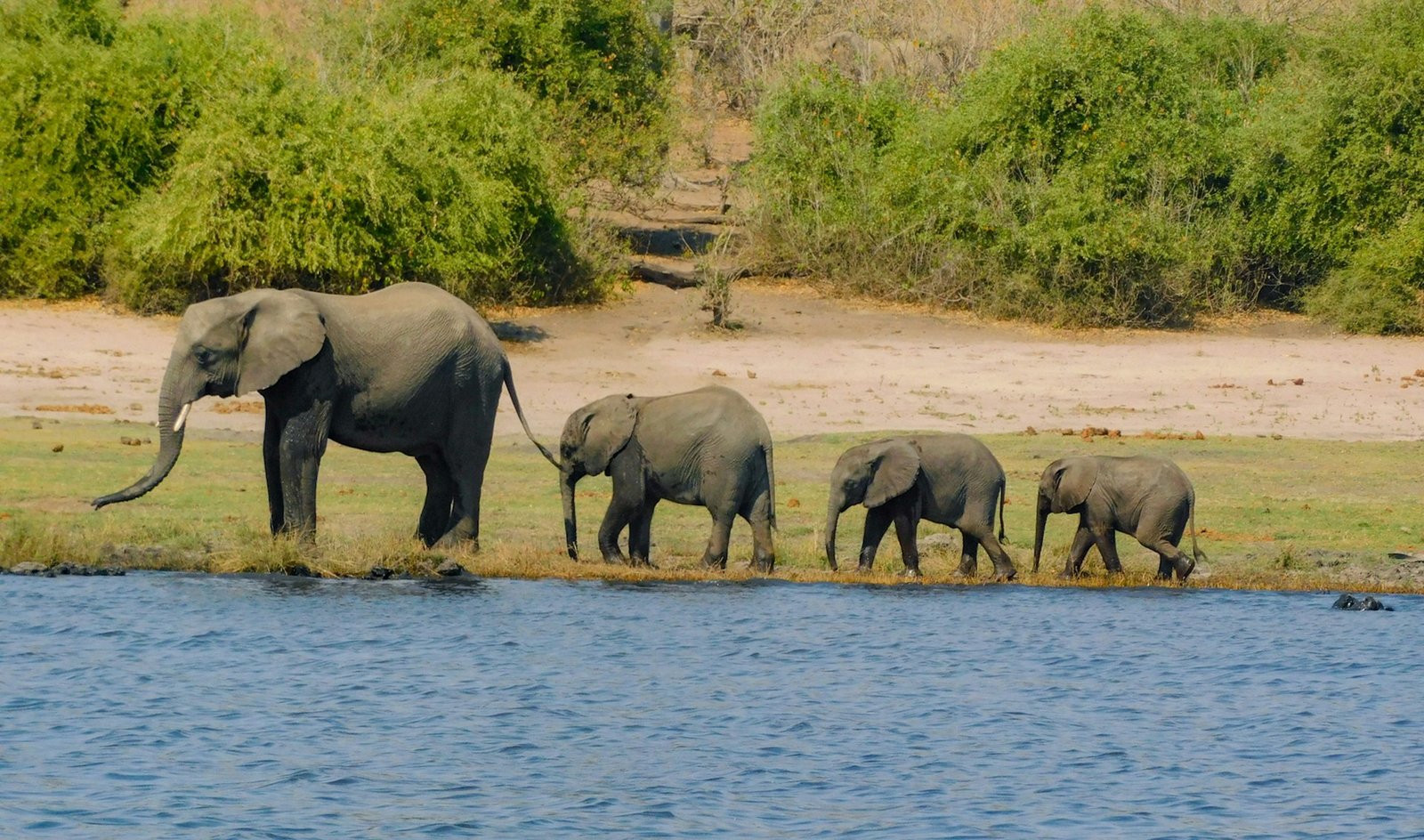
    A mother elephant and her young walking along the river in Chobe National Park, Botswana

    9. Head Out on a Game Drive in Chobe

    On a game drive through the Chobe Riverfront, you’ll follow sandy tracks along the river in an open safari vehicle. Look out for elephants, giraffes, zebras, lions and, with luck, a leopard resting in the trees.

    For more time with the animals, spend a night or two in Kasane and join an early morning or late afternoon drive, when the animals are most active and the light is beautiful.
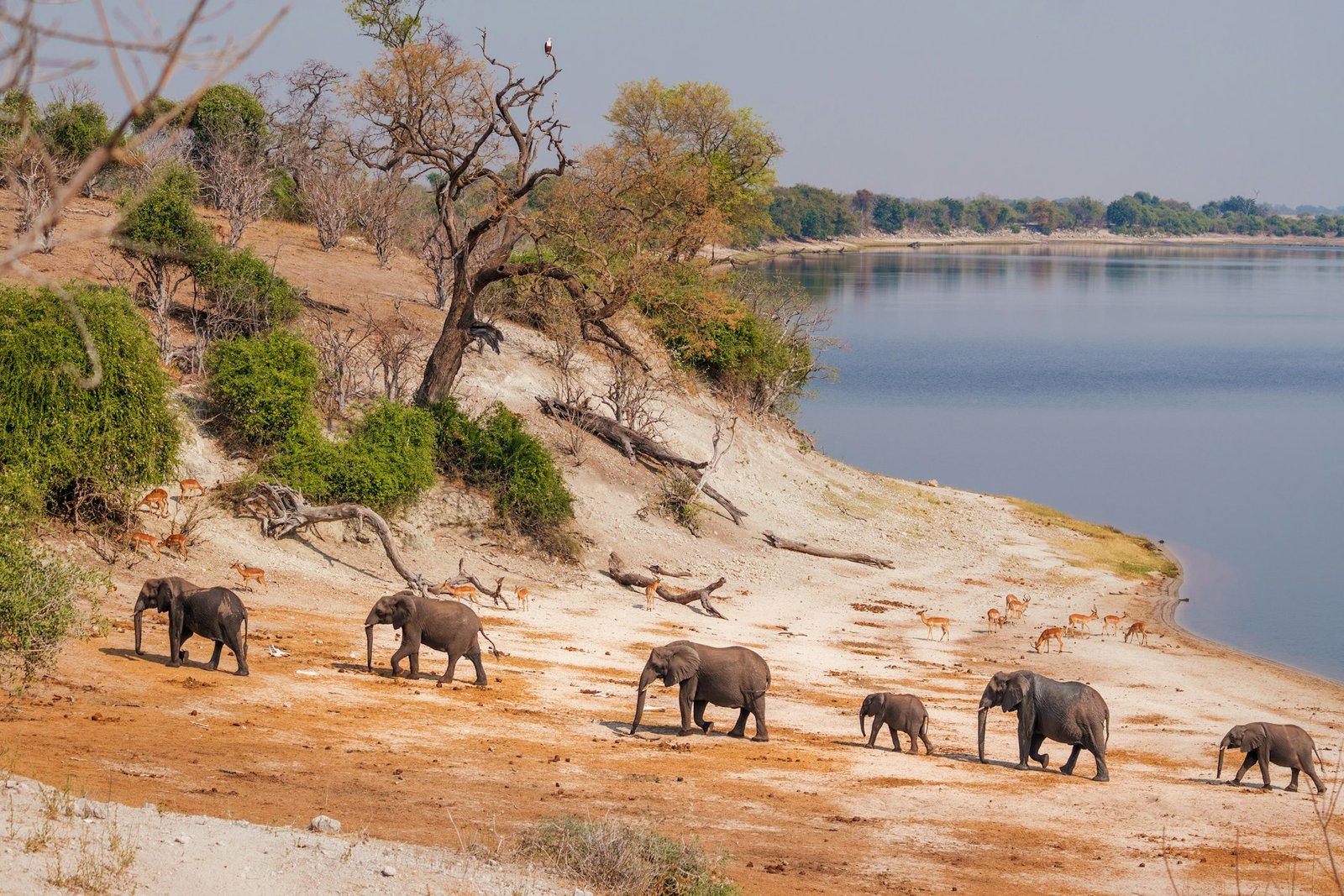
    A herd of elephants walking along the riverbank in Chobe National Park, Botswana

    10. Watch the Lunar Rainbow

    On nights around the full moon in the high-water season, the moonlight creates a lunar rainbow in the spray of the falls, a rare sight you can see in only a few places in the world.

    Special evening entry tickets are sold for a few nights each month. Check the dates before you go and bring a camera that works well in low light.

    Booking Tips

    A few things are worth sorting out before you arrive:

    • Airport transfer: book an airport transfer in advance with a service like Kiwitaxi, so a driver is waiting for you at Victoria Falls, Livingstone or Kasane airport
    • eSIM: you’ll cross several borders on this trip, so a regional eSIM from a provider like Yesim saves you from buying a new SIM card in every country
    • Falls tours: popular options include a Guided Tour of Victoria Falls (Zimbabwe Side), a Livingstone Island and Devil’s Pool Tour and a Helicopter Flight of Angels over Victoria Falls. You can compare and book most of them on Klook
    • River and safari: look for a Zambezi River Sunset Cruise and a Chobe National Park Day Trip from Victoria Falls with boat cruise and game drive
    • Adventure: book White-Water Rafting in the Batoka Gorge or the Victoria Falls Bridge Bungee Jump in advance in the busy season

    Booking the big experiences online usually costs about the same as booking locally, and you’ll know exactly what’s included.

    Where to Stay on a Budget

    Victoria Falls town has good options for every budget:

    • Backpacker lodges: simple rooms and dorms with a pool and a bar, often with their own tour desk
    • Guesthouses and lodges: comfortable rooms in quiet gardens, many within walking distance of the falls
    • Self-catering apartments: great value for families and groups
    • Safari lodges: for a splurge, lodges along the Zambezi or in Kasane with river views and game drives included

    In Livingstone, you’ll find more lodges along the river, a short drive from the falls. In Kasane, staying one night lets you join early morning safaris.

    Eating on a Budget

    The food in the area is a mix of local African dishes and international favourites:

    • Sadza or nshima: a thick maize porridge served with stews, vegetables or grilled meat, the staple food in Zimbabwe and Zambia
    • Bream: fresh fish from the Zambezi, often grilled
    • Braai: a southern African barbecue with grilled meat and sausages
    • Game meat: try kudu or warthog at a restaurant offering local specialities
    • Boma dinner: a traditional buffet with drumming, dancing and local food, a fun evening out

    Local restaurants and supermarkets in Victoria Falls town and Kasane are the cheapest places to eat. Self-catering apartments can save you a lot of money.

    What It Really Costs

    Here’s a realistic daily budget per person for a comfortable mid-range trip, not counting flights.

    • Accommodation: $50 to $120 per person, sharing a guesthouse or lodge room
    • Food: $30 to $60 a day, mixing local restaurants, cafés and the odd special dinner
    • Transport: $10 to $30 a day, including taxis and transfers
    • Activities: budget for the highlights separately: entry to the falls on both sides, a sunset cruise, a Chobe day trip, Devil’s Pool and a helicopter flight if you can

    That works out to around $200 to $350 per person per day, including a few activities. Staying in a backpacker lodge, cooking your own meals and choosing your activities carefully can bring that down to around $100 to $150.

    A Sample 5-Day Itinerary

    Day 1: Arrive in Victoria Falls and take a sunset cruise on the Zambezi.

    Day 2: Walk through the rainforest on the Zimbabwe side, then cross the Victoria Falls Bridge.

    Day 3: Day trip to Zambia for the Knife-Edge Bridge and Devil’s Pool in season.

    Day 4: Full-day trip to Chobe National Park with a boat cruise and game drive.

    Day 5: Helicopter flight or rafting in the morning, then fly home.

    Add two days in Kasane for more time on safari if you can.

    Practical Tips

    • Bring small US dollar notes, as change can be hard to get
    • Pack a raincoat and a waterproof bag for your phone and camera in the high-water season
    • Use sunscreen and insect repellent, and ask your doctor about malaria prevention before you travel
    • Carry your passport when crossing to Zambia or Botswana, and check the visa rules in advance
    • Keep your distance from wildlife, including the baboons and warthogs that wander through town
    • Book popular activities early, especially Devil’s Pool and helicopter flights in the busy season

    Final Thoughts

    Victoria Falls and Chobe are a perfect introduction to southern Africa. Walk through the misty rainforest, see rainbows in the spray, swim at the edge of the falls, cruise the Zambezi at sunset and watch herds of elephants on the Chobe River.

    Choose the right season, stay on the Zimbabwe side and plan a day for Chobe. It’s a trip you’ll talk about for years.

    Prices checked in October 2026. Costs and opening times change, so always confirm before you book.
  • La Réunion Travel Guide: Waterfalls, Volcanoes and Lagoon Beaches

    La Réunion Travel Guide: Waterfalls, Volcanoes and Lagoon Beaches

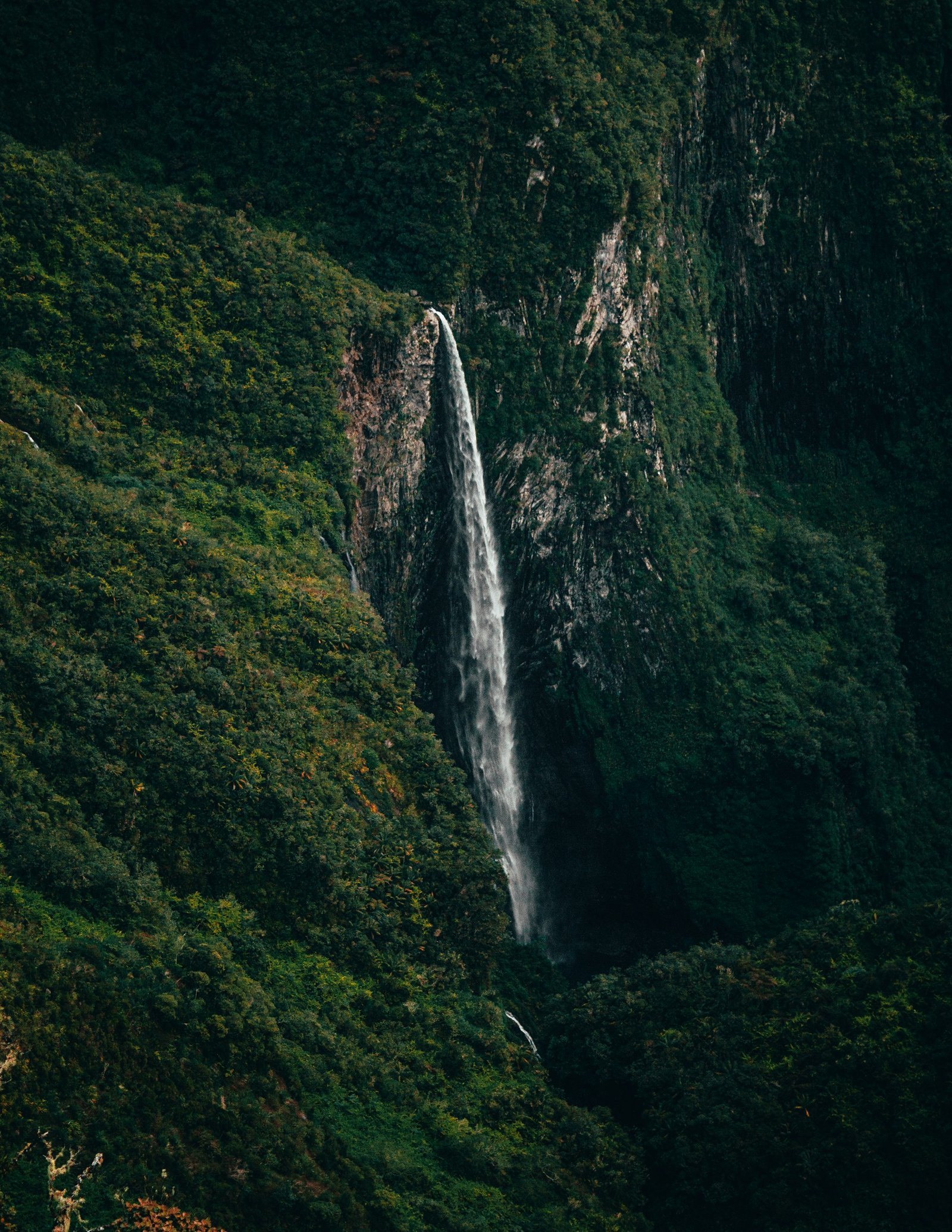
    Waterfalls tumbling down sheer green cliffs, villages hidden in giant volcanic craters that no road can reach, an active volcano glowing under the stars, humpback whales leaping off the coast and a calm turquoise lagoon for a sunset swim: La Réunion is one of the most spectacular islands in the world.

    This small island in the Indian Ocean, just east of Madagascar and close to Mauritius, is a part of France. Two volcanoes formed it, and their eruptions created a dramatic landscape of jagged peaks, deep valleys and huge natural amphitheatres called cirques. Around 40 percent of the island is a UNESCO World Heritage Site, and it’s a paradise for hikers and nature lovers.

    Réunion isn’t a cheap destination, but it’s often better value than its neighbour Mauritius. You pay in euros, and the best experiences, from hikes and waterfalls to beaches and viewpoints, are free. With a rental car, simple guesthouses and Creole food from local snack bars, you can enjoy it on a real budget. This guide shows you how.

    La Réunion at a Glance

    • Where: in the Indian Ocean, about 700 km east of Madagascar and 200 km southwest of Mauritius
    • Main airport: Roland Garros Airport (RUN) near Saint-Denis, with flights from Paris, Mauritius and other islands in the region
    • Currency: euro (EUR)
    • Entry: Réunion is part of France and the EU, but not part of the Schengen Area, so entry rules are slightly different from mainland France. Many nationalities can visit visa-free. Check the current rules for your passport
    • Languages: French and Réunion Creole. English is not widely spoken, so a few French words help
    • Best time: May to November, the dry season
    • Budget: around $90 to $130 a day for budget travellers, $160 to $260 for a comfortable mid-range trip

    When to Go

    May to November is the dry, cooler season and the best time to visit, especially for hiking. The skies are clear, the trails are in good condition and temperatures on the coast are pleasant. In the mountains, nights can be cold, so pack warm clothes.

    June to October is also the season for humpback whales, which come to the waters around the island to give birth.

    December to April is the hot, humid and rainy season. It’s also cyclone season, especially from January to March. Heavy rain can close hiking trails and roads, but the waterfalls are at their most impressive.

    Our tip: visit in September or October for dry weather, good hiking conditions and the end of the whale season.

    How Long Do You Need?

    Plan at least ten days for Réunion. The island looks small on the map, but mountain roads are slow and winding, and you’ll want time for hikes. Split your stay between the west coast for beaches and one or two nights in the cirques of Cilaos, Salazie or Mafate.

    Getting Around

    The best way to explore Réunion is with a rental car. Roads are good, but many are narrow and winding, especially in the mountains. The road to Cilaos alone has around 400 bends. Driving is on the right, as in mainland France.

    There’s also a public bus network called Car Jaune, which connects the main towns and some mountain villages, but it’s slow. To reach the remote villages of Mafate, you have to walk, as no roads lead there.

    Things to Do in La Réunion

    Here are the experiences we think are worth your time and money.

    1. Hike into the Cirque of Mafate

    Mafate is the wildest of Réunion’s three cirques, a giant natural amphitheatre surrounded by towering green walls. There are no roads, so the few hundred people who live in its small villages are reached only on foot or by helicopter.

    Hike in on one of the many trails and spend a night or two in a gîte, a simple mountain guesthouse where you’ll eat a home-cooked Creole dinner. Popular routes start from the Col des Bœufs car park. Book your gîte in advance, and bring cash, warm clothes and good boots.

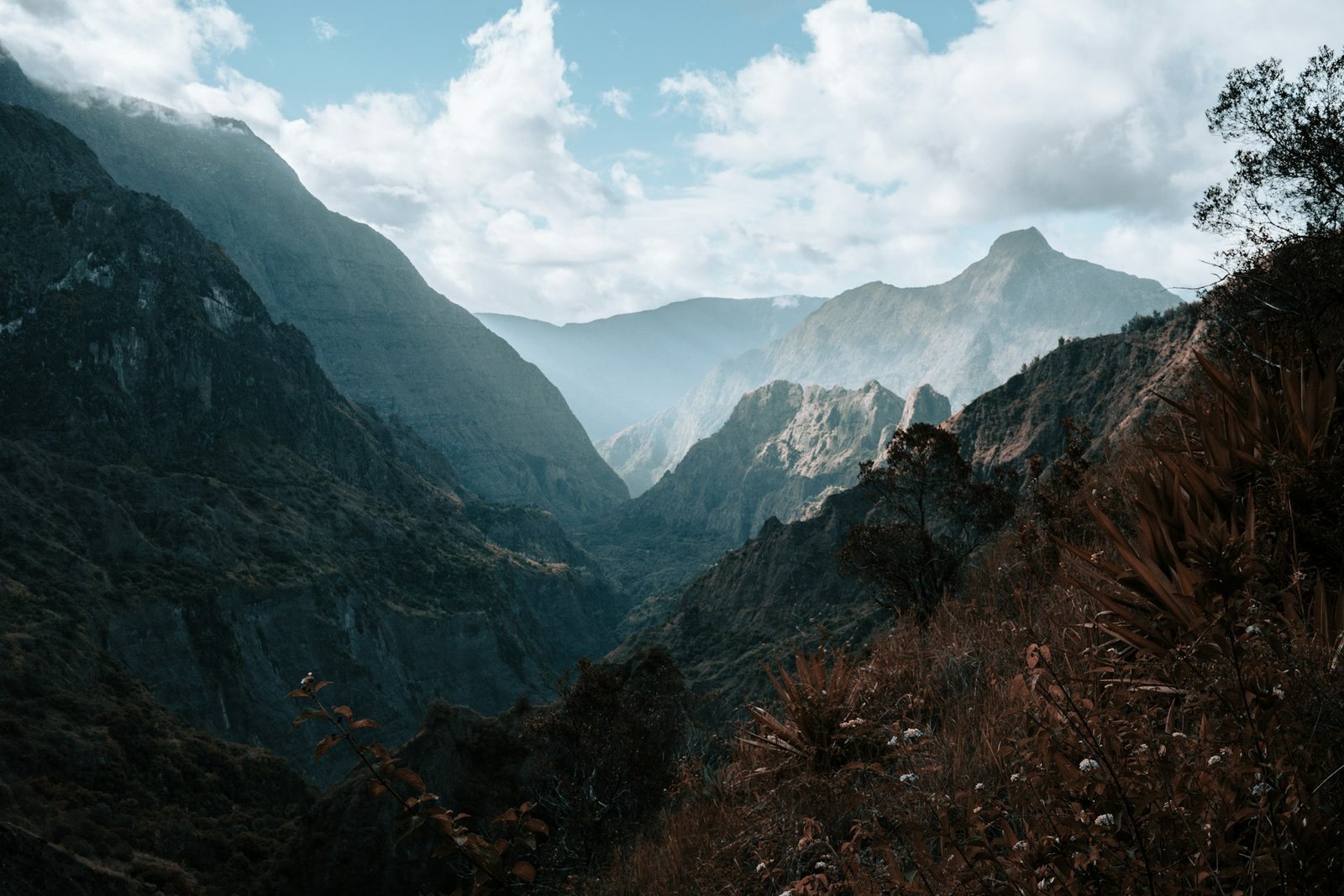
    Mountains of the Cirque de Mafate at sunset, La Réunion

    2. Explore the Cirques of Cilaos and Salazie

    The other two cirques can be reached by road. Cilaos, in the south, is a mountain town known for its hiking trails, hot springs, lentils and local wine. The drive up is an adventure in itself.

    Salazie, in the northeast, is the greenest cirque, with waterfalls pouring down the cliffs. Stop at the Voile de la Mariée, the “Bride’s Veil” waterfall, and explore Hell-Bourg, a village of colourful Creole houses that’s considered one of the most beautiful villages in France.

    Green valley with a river running between steep mountains, La Réunion

    3. Climb the Piton de la Fournaise Volcano

    The Piton de la Fournaise is one of the most active volcanoes in the world, erupting almost every year. When it’s quiet, you can hike right up to the rim of its main crater, a moonscape of black lava and red rock.

    The hike starts at the Pas de Bellecombe viewpoint and takes about five hours return. Start early, before the clouds roll in, and bring water, sun protection and warm layers. During eruptions, the trail is closed, but you may be able to see the glowing lava from safe viewpoints.

    4. Watch the Sunrise from Piton des Neiges

    At more than 3,000 metres, Piton des Neiges is the highest mountain in the Indian Ocean. Watching the sunrise from the top, with the clouds below you and the whole island at your feet, is an unforgettable experience.

    Most hikers walk up from Cilaos in the afternoon, spend the night in the mountain refuge and climb to the summit before dawn. It’s a demanding hike, so you’ll need to be fit. Book the refuge well in advance.

    5. Swim Beneath Waterfalls

    Réunion has more waterfalls than you can count, and many of them have natural pools where you can swim. Bassin des Aigrettes and Bassin Cormoran in the west are popular freshwater swimming spots.

    In the south, the Langevin River has beautiful pools and the Cascade Langevin, while Cascade Niagara near Sainte-Suzanne is easy to reach. Check the weather before you go, as rivers can rise quickly after heavy rain. For more adventure, try canyoning with a guide, abseiling and jumping down waterfalls.

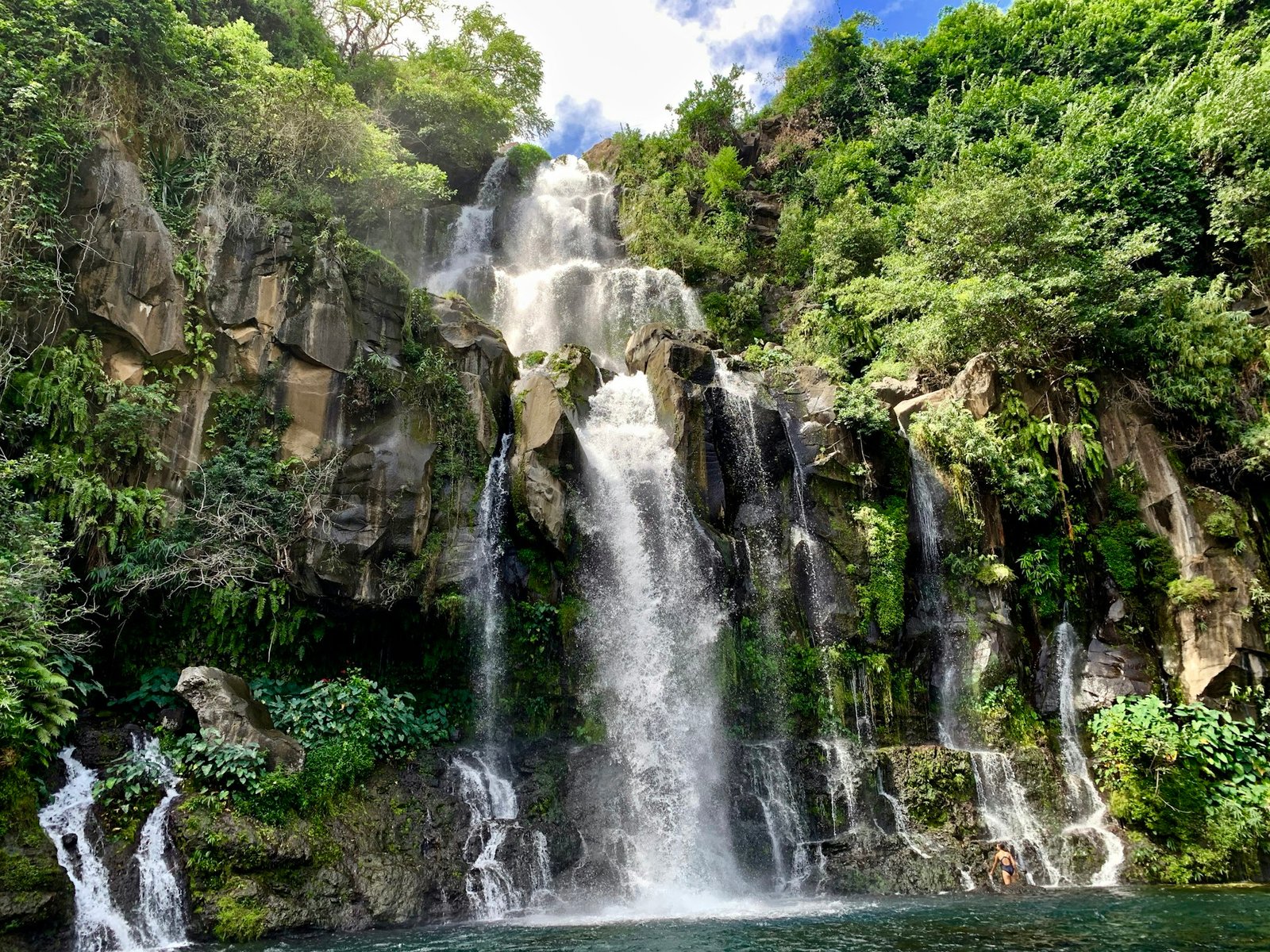
    Waterfall in the middle of the rainforest on La Réunion

    6. Relax on the Lagoon Beaches

    The best beaches are on the west coast, around Saint-Gilles-les-Bains and L’Ermitage, where a coral reef creates a calm, shallow lagoon. The water is warm and clear, perfect for swimming and snorkelling among colourful fish.

    Swim only inside the lagoon or in supervised areas, as there is a risk of sharks along much of the coast and swimming is restricted in many places. In the evening, join the locals for a picnic and watch the sunset from the beach.

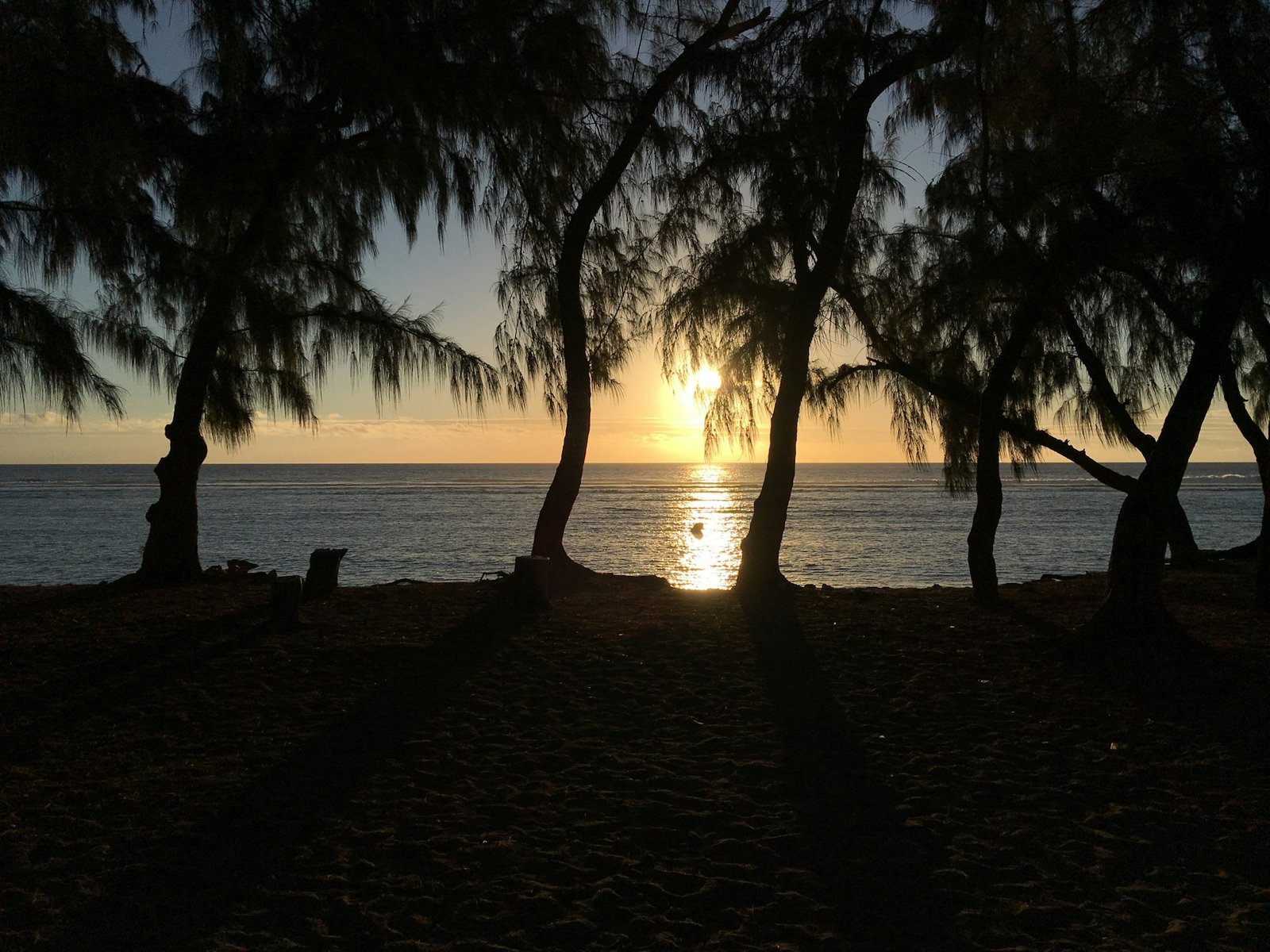
    Sunset behind trees on the beach at Saint-Gilles-les-Bains, La Réunion

    7. Go Whale Watching

    From June to October, humpback whales come to the warm waters around Réunion to give birth and raise their calves. You can often see them from the coast, especially from the west, as they jump, slap their tails and play near the surface.

    For a closer look, join a whale watching boat trip from Saint-Gilles. Choose an operator that follows the local code of conduct, keeping a safe distance and limiting the time spent with the whales.

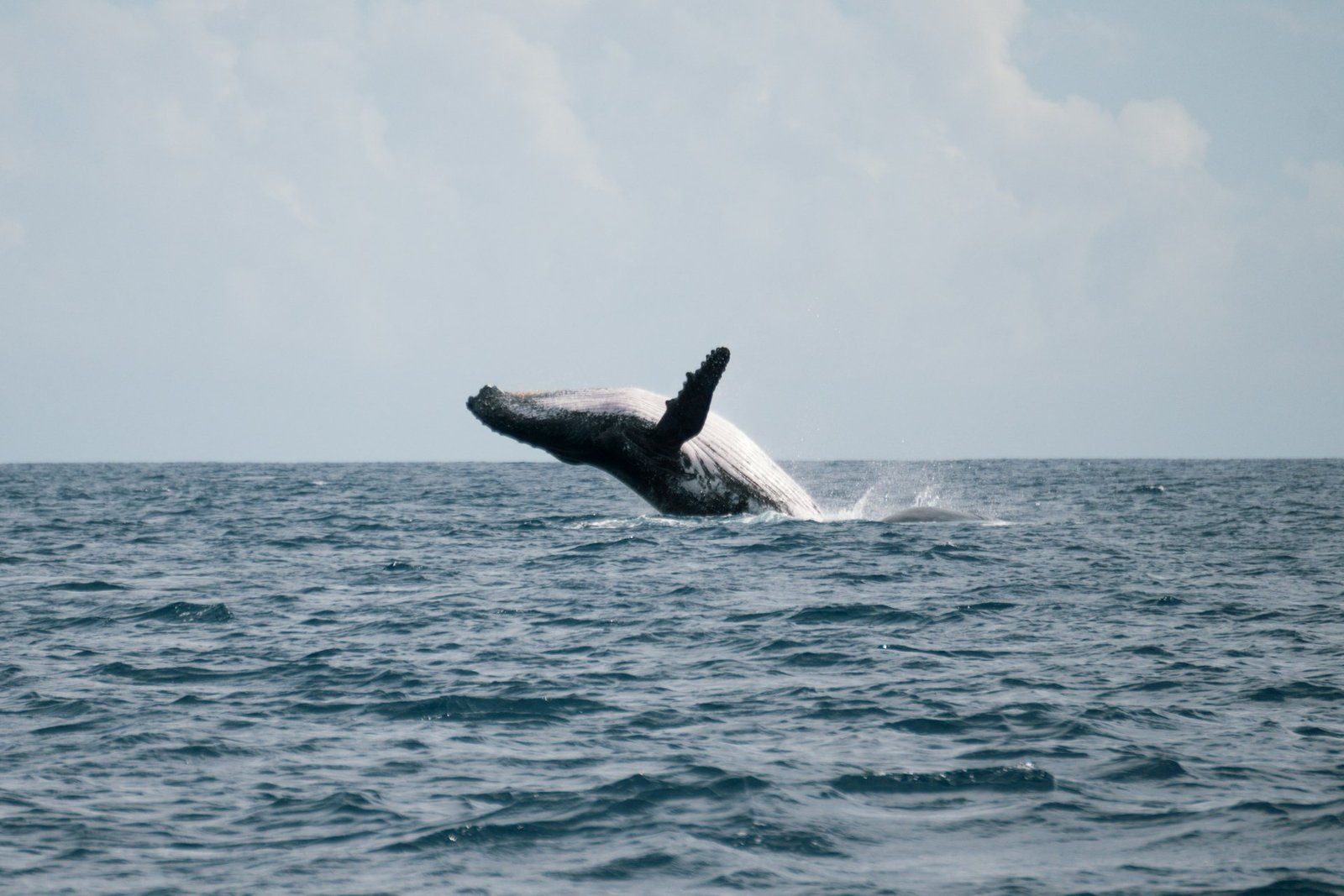
    A humpback whale jumping out of the water off the coast of La Réunion

    8. Discover the Wild South

    The south of the island is known as the Sud Sauvage, the wild south. Here, black lava fields from the volcano reach the sea, waves crash against rocky cliffs, and the coast is lined with tropical forest.

    Drive the Route des Laves, where the road crosses lava flows from recent eruptions, and relax at Grand Anse, a beautiful beach with a natural seawater pool. Along the coast, you’ll also find dramatic viewpoints, waterfalls and the rusting wreck of an old ship on the rocks.

    Aerial view of the green coast and an old shipwreck on La Réunion

    9. Go Paragliding over Saint-Leu

    Saint-Leu, on the west coast, is one of the best places in the world for paragliding. Thanks to steady winds and good weather, flights run almost every day of the year.

    Fly tandem with an experienced pilot from the hills above the town and glide down over the green slopes and the turquoise lagoon, landing on the beach. It’s a splurge, but one of the best ways to see the island.

    10. Taste Creole Food and Visit the Markets

    Réunion’s food is a delicious mix of French, African, Indian and Chinese cooking. Visit the market in Saint-Paul on Friday and Saturday mornings for tropical fruit, spices, vanilla, snacks and local crafts.

    Visit a vanilla plantation in the east to learn how the island’s famous Bourbon vanilla is grown and harvested by hand. Afterwards, try a glass of rhum arrangé, rum infused with fruit and spices, a local speciality.

    Where to Stay on a Budget

    Réunion has good options for every budget:

    • Gîtes: simple mountain guesthouses in the cirques, often with dinner and breakfast included
    • Chambres d’hôtes: family-run B&Bs, a great way to meet locals and try home cooking
    • Holiday apartments: good value on the west coast, with a kitchen to save money on food
    • Hotels: comfortable beach hotels around Saint-Gilles for a splurge

    Book early for July, August and the French school holidays, when many visitors arrive from mainland France.

    Eating on a Budget

    Creole food is hearty, spicy and affordable:

    • Carri: a curry of chicken, fish or pork, served with rice, beans and spicy sauce, the island’s main dish
    • Rougail saucisse: sausages cooked in a tomato and chilli sauce
    • Samoussas and bouchons: cheap snacks sold at roadside stalls
    • Tropical fruit: pineapple, mango, lychees and passion fruit
    • Bourbon vanilla: some of the best vanilla in the world

    Eat at local snack bars and food trucks, where a takeaway carri costs much less than a restaurant meal.

    What It Really Costs

    Here’s a realistic daily budget per person for a comfortable mid-range trip, not counting flights.

    • Accommodation: $50 to $110 per person, sharing a double room in a guesthouse, gîte or apartment
    • Food: $30 to $55 a day, mixing snack bars, self-catering and restaurant dinners
    • Transport: $25 to $45 a day per person, including a rental car shared by two and fuel
    • Activities: budget for the highlights separately: canyoning, a whale watching trip, a paragliding flight and nights in the mountain gîtes

    That works out to around $160 to $260 per person per day. Hiking, swimming in free natural pools and eating at snack bars can bring that down noticeably.

    A Sample 10-Day Itinerary

    Day 1: Arrive in Saint-Denis and drive to Saint-Gilles for a sunset on the beach.

    Day 2: Swim and snorkel in the lagoon, or join a whale watching trip in season.

    Day 3: Paragliding over Saint-Leu, then the waterfall pools of the west.

    Day 4: Drive to the Col des Bœufs and hike into Mafate for a night in a gîte.

    Day 5: Hike out of Mafate and drive to Salazie and Hell-Bourg.

    Day 6: Waterfalls of Salazie, then drive south along the east coast with a stop at a vanilla plantation.

    Day 7: Hike to the crater of the Piton de la Fournaise.

    Day 8: The wild south: Route des Laves, Grand Anse and the Langevin River.

    Day 9: Drive to Cilaos and explore the town and its trails.

    Day 10: Drive back to the airport and fly home.

    Practical Tips

    • Swim only in the lagoon or supervised areas: shark attacks have happened outside protected zones
    • Start hikes early, as clouds often cover the mountains by late morning
    • Check trail conditions on the official website before hiking, especially after rain
    • Pack for all weather: it can be hot on the coast and cold in the mountains on the same day
    • Learn a few words of French, as English isn’t widely spoken
    • Respect nature: stay on the marked trails and take your rubbish with you

    Booking Tips

    • Airport transfer: if you don’t rent a car at the airport, book an airport transfer with Kiwitaxi from Roland Garros airport to your hotel in Saint-Denis, Saint-Gilles or anywhere on the island, with a fixed price and a driver waiting for you
    • eSIM: if you’re coming from outside the EU, install a Yesim eSIM before you fly, so you have data for maps, hiking trail updates and tour bookings in La Réunion from the moment you land
    • Tours: popular options include a guided hike in Mafate, a canyoning trip, a whale watching boat trip and a tandem paragliding flight over Saint-Leu. You can compare and book most of them on Klook

    Final Thoughts

    La Réunion is an island of adventure. Hike into the hidden world of Mafate, climb an active volcano, swim beneath waterfalls, watch whales leap off the coast and end the day with a sunset swim in the lagoon.

    Travel in the dry season, rent a car, pack your hiking boots and take your time. Réunion will surprise you at every turn of its winding roads.

    Prices checked in October 2026. Costs and opening times change, so always confirm before you book.

  • Madagascar Travel Guide: Nosy Be Beaches, Lemurs and Baobabs

    Madagascar Travel Guide: Nosy Be Beaches, Lemurs and Baobabs

    A white sandbar curving through turquoise water to a tiny tropical island, lemurs leaping through misty rainforest, giant baobab trees glowing red at sunset and wooden sailing boats gliding home at dusk: Madagascar feels like a world of its own.

    The fourth-largest island on earth broke away from Africa millions of years ago, and life here went its own way. Around 90 percent of its plants and animals live nowhere else, from more than a hundred kinds of lemurs to chameleons the size of a fingernail. Add palm-lined beaches, coral reefs and some of the friendliest people you’ll ever meet, and you have one of the most unique destinations in the world.

    Madagascar isn’t a polished resort destination. Roads are slow, things don’t always run on time and you’ll need patience. But that’s part of its charm, and day-to-day costs are low. Combine a few days on the beaches of Nosy Be with the rainforest and the baobabs, and you’ll have a trip you’ll never forget. This guide shows you how.

    Madagascar at a Glance

    • Where: in the Indian Ocean, about 400 km off the southeast coast of Africa
    • Main airports: Antananarivo (TNR), the capital, and Nosy Be (NOS) for the beaches
    • Currency: Malagasy ariary (MGA). Euros are widely accepted for larger payments
    • Entry: most visitors need a visa, available online or on arrival for a fee. Check the current rules for your passport
    • Languages: Malagasy and French. English is spoken in hotels and by many guides
    • Best time: April to November, the dry season
    • Budget: around $50 to $80 a day for budget travellers, $120 to $220 for a comfortable mid-range trip

    When to Go

    April to November is the dry season and the best time to visit. The days are sunny, the roads are in better shape and the national parks are easy to explore. September to November is especially good: it’s warm, and around Nosy Be it’s the season for whale sharks.

    July to September is the season for humpback whales, which come to the waters off the east coast to give birth. The highlands, including Antananarivo and Andasibe, can be surprisingly cool at night in these months, so bring a warm layer.

    December to March is the rainy season. It’s hot and humid, and cyclones can hit, especially from January to March. Some roads become impassable and a few parks close.

    Our tip: visit in October or early November for warm weather, calm seas and the best chance to swim with whale sharks.

    How Long Do You Need?

    Madagascar is huge, and getting around takes time. Plan at least two weeks to combine the beaches of Nosy Be with the rainforest and the baobabs. With only one week, choose one region: either the beaches and islands of the north, or the rainforest and highlands around Andasibe.

    Getting Around

    Distances are long and many roads are rough, so domestic flights save a lot of time. Flights link Antananarivo with Nosy Be, Morondava and other regions, but schedules change often, so stay flexible.

    On land, the most common way to travel is with a rental car and driver, which is affordable and much safer than driving yourself. Local minibuses called taxi-brousse are very cheap but slow, crowded and best avoided on long trips.

    Around Nosy Be, everything happens by boat. Day trips to the nearby islands leave every morning from the main beaches and from the port of Hell-Ville.

    Things to Do in Madagascar

    Here are the experiences we think are worth your time and money.

    1. Walk the Sandbar to Nosy Iranja

    Nosy Iranja is one of the most beautiful places in the Indian Ocean. It’s actually two small islands, connected by a long white sandbar that appears at low tide. Walking across it, with turquoise water on both sides, feels like a dream.

    Day trips by speedboat leave from Nosy Be in the morning and take about an hour and a half each way. A grilled seafood lunch on the beach is usually included. Bring reef-safe sunscreen and a hat, as there’s very little shade on the sandbar.

    White sand beach with turquoise water and trees on Nosy Iranja, Madagascar

    2. Spend a Night on Nosy Iranja

    Most visitors only see Nosy Iranja on a day trip. If you stay overnight at the island’s small lodge, you’ll have the beaches almost to yourself once the day boats have gone.

    Climb the hill to the old lighthouse for a sweeping view over the sandbar and the sea, especially at sunset. The island is also an important nesting site for sea turtles, and in season you may see them come ashore at night. Staying here is a splurge, but it’s one of the most magical nights you’ll ever spend on a beach.

    View from the hill over the beach and turquoise sea of Nosy Iranja, Madagascar

    3. Snorkel at Nosy Tanikely

    Just off the coast of Nosy Be, Nosy Tanikely is a small protected marine reserve with some of the best snorkelling in Madagascar. The coral reef around the island is full of colourful fish, and you’ll often see sea turtles grazing on the sea grass.

    Most day trips combine Nosy Tanikely with Nosy Komba, a nearby island where you can walk through a village and see black lemurs up close. Pay the small marine park fee, and never stand on the coral.

    4. Swim with Whale Sharks

    From around September to December, whale sharks, the largest fish in the world, come to feed in the waters around Nosy Be. Swimming next to one of these gentle giants is a once-in-a-lifetime experience.

    Join a small-group boat trip with an operator that follows responsible guidelines: only a few swimmers in the water at a time, no touching and keeping a safe distance. Tours are on the pricier side, but they often include snorkelling, dolphins and a beach lunch. In other months, these trips focus on manta rays, dolphins and turtles.

    People on a boat trip on the sea near Nosy Be, Madagascar

    5. Relax on Nosy Be’s Beaches

    Nosy Be is Madagascar’s main beach island, with a relaxed island feel, ylang-ylang plantations and a scent of vanilla in the air. Andilana Beach in the north is the most beautiful, with soft white sand, calm water and amazing sunsets.

    In the evening, head up Mont Passot, the highest point of the island, for a view over the crater lakes and the islands at sunset. You can explore Nosy Be by scooter or quad bike, or hire a driver for the day.

    6. Meet the Lemurs of Andasibe

    About four hours east of Antananarivo, Andasibe-Mantadia National Park is the best place to see lemurs in the wild. The rainforest here is home to the indri, the largest living lemur, whose haunting call echoes through the trees every morning.

    Visit with a local guide, which is required in all national parks. A morning walk usually brings you close to indri families and other lemurs. A night walk is a great way to see chameleons, frogs and tiny mouse lemurs. Bring rain gear, as it can rain at any time of year.

    A lemur on a branch in the rainforest of Andasibe, Madagascar

    7. Explore Lokobe and Nosy Komba

    You don’t have to leave Nosy Be to see lemurs. Lokobe National Park, on the southeast tip of the island, protects the last patch of original rainforest on Nosy Be. You reach it by pirogue, a traditional outrigger canoe, and walk through the forest with a guide.

    Look for black lemurs, sleepy owls, snakes and colourful chameleons, including the tiny panther chameleon. Many tours end with a traditional lunch in a village on the coast.

    8. Watch the Sunset at the Avenue of the Baobabs

    The Avenue of the Baobabs, near Morondava on the west coast, is Madagascar’s most famous sight. A dusty road is lined with giant baobab trees, some of them hundreds of years old and up to 30 metres tall.

    Come at sunset, when the trees turn into dark silhouettes against a glowing sky, or at sunrise, when it’s quieter. Entry is cheap. Nearby, look for the Baobabs Amoureux, two baobabs twisted around each other. Morondava is best reached by a domestic flight from Antananarivo.

    Giant baobab trees along the Avenue of the Baobabs near Morondava, Madagascar

    9. Discover the Tsingy de Bemaraha

    North of Morondava, the Tsingy de Bemaraha National Park is a UNESCO World Heritage Site and one of the strangest landscapes on earth. Its name means “where one cannot walk barefoot”, and it’s a forest of razor-sharp limestone needles.

    Guided routes lead over suspension bridges, ladders and narrow ledges high above the forest. It’s an adventure, but you’ll need a harness and a head for heights. The park can only be reached in the dry season, usually from around May to November, and the drive from Morondava is long and rough.

    10. Sail a Traditional Boat at Sunset

    Madagascar’s coast is still sailed by traditional wooden boats: pirogues and dhow-style sailing boats used by fishermen and traders for centuries. Watching them glide home at sunset is one of the most beautiful sights in the country.

    Join a sunset sail around Nosy Be, or a longer sailing trip to the islands of the north, sleeping on the boat or in beach camps. On the west coast, the waterfront of Mahajanga is famous for its sunsets over the sea and the boats in the bay.

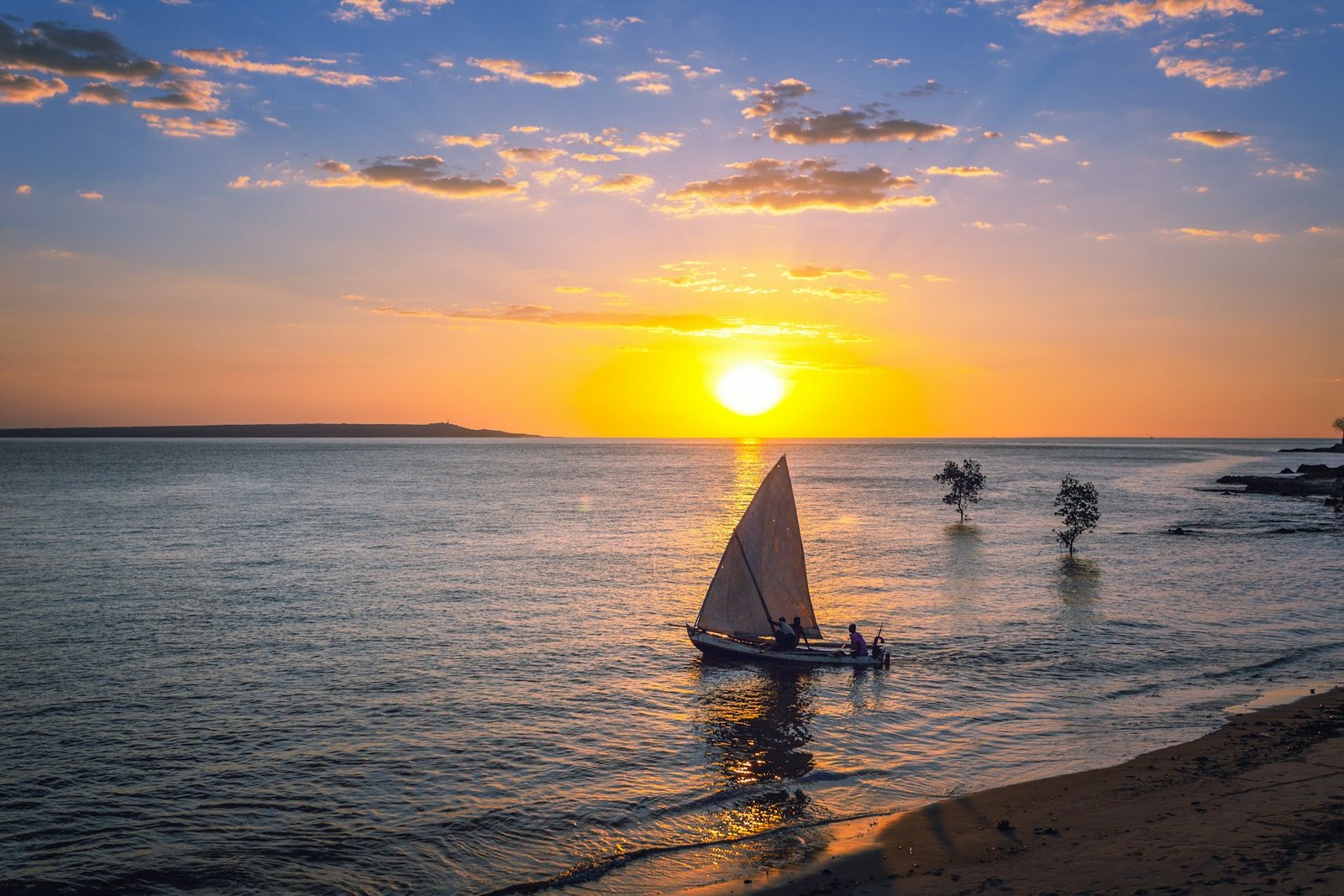
    Silhouette of a traditional sailing boat at sunset in Mahajanga, Madagascar

    Where to Stay on a Budget

    Madagascar offers good value for money:

    • Guesthouses: simple family-run guesthouses in towns and villages, often with breakfast
    • Beach bungalows: wooden bungalows on Nosy Be, just steps from the sand
    • Eco-lodges: near the national parks, like Andasibe, with rooms close to the forest
    • Hotels: comfortable hotels in Antananarivo for your first and last night

    Book early for July, August and the Christmas holidays, especially on Nosy Be. Smaller places may only take cash.

    Eating on a Budget

    Malagasy food is simple, fresh and inexpensive:

    • Romazava: a beef and leafy greens stew, the national dish
    • Zebu: the local humped cattle, served grilled or as steak
    • Seafood: fresh fish, prawns, crab and octopus on the coast
    • Mofo gasy: small, slightly sweet rice cakes for breakfast
    • Fresh fruit and vanilla: mangoes, lychees and the world-famous Madagascar vanilla

    Eat at small local restaurants called hotely for the cheapest meals. A plate of rice with zebu or chicken costs very little.

    What It Really Costs

    Here’s a realistic daily budget per person for a comfortable mid-range trip, not counting international flights.

    • Accommodation: $35 to $90 per person, sharing a double room in a good guesthouse or beach bungalow
    • Food: $15 to $35 a day, mixing local restaurants and tourist spots
    • Transport: $30 to $70 a day on average, including a car with driver and boat transfers
    • Activities: budget for the highlights separately: domestic flights, park entry and guides, island day trips, whale shark tours and a night on Nosy Iranja

    That works out to around $120 to $220 per person per day. Travelling in a small group to share a driver, staying in guesthouses and eating local food can bring that down noticeably.

    A Sample 12-Day Itinerary

    Day 1: Arrive in Antananarivo and rest.

    Day 2: Drive to Andasibe and take a night walk.

    Day 3: Lemur walk in Andasibe-Mantadia, then drive back to Antananarivo.

    Day 4: Fly to Morondava and watch the sunset at the Avenue of the Baobabs.

    Day 5: Sunrise at the baobabs, then fly back to Antananarivo.

    Day 6: Fly to Nosy Be and relax on Andilana Beach.

    Day 7: Day trip to Nosy Tanikely and Nosy Komba.

    Day 8: Lokobe National Park by pirogue, then sunset on Mont Passot.

    Day 9: Boat trip to Nosy Iranja and a night on the island.

    Day 10: Morning on Nosy Iranja, then back to Nosy Be.

    Day 11: Whale shark tour in season, or a sunset sail.

    Day 12: Fly home from Nosy Be.

    Practical Tips

    • Talk to your doctor about malaria protection and vaccinations well before you travel
    • Carry cash: ATMs are only found in larger towns, and cards are rarely accepted outside hotels
    • Plan for delays: domestic flights and roads are unpredictable, so leave a buffer day before your flight home
    • Always use a licensed guide in national parks
    • Bring a warm layer for the highlands and rain gear for the rainforest
    • Respect the wildlife: never feed or touch lemurs, and don’t buy products made from protected plants or animals

    Booking Tips

    • Airport transfer: book an airport transfer with Kiwitaxi from Antananarivo or Nosy Be airport to your hotel, with a fixed price and a driver waiting for you, especially useful if you land late at night
    • eSIM: install a Yesim eSIM before you fly, so you have data for maps and messages in Madagascar from the moment you land. Expect weak or no signal in the national parks and on the small islands
    • Tours: popular options include a Nosy Iranja day trip, snorkelling at Nosy Tanikely, a Lokobe and Nosy Komba lemur tour and whale shark trips from Nosy Be. You can compare and book most of them on Klook

    Final Thoughts

    Madagascar is unlike anywhere else on earth. Walk the sandbar to Nosy Iranja, snorkel with turtles, swim with whale sharks, listen to the call of the indri in the rainforest and watch the sun set behind the giant baobabs.

    Bring patience, travel in the dry season and let the island surprise you. Madagascar is the kind of adventure you’ll be talking about for years.

    Prices checked in October 2026. Costs and opening times change, so always confirm before you book.
  • Morocco on a Budget: Marrakech, the Sahara and the Blue City

    Morocco on a Budget: Marrakech, the Sahara and the Blue City

    Just a short flight from Europe, Morocco feels like another world. Snake charmers and storytellers fill the great square of Marrakech, donkeys carry goods through the thousand-year-old alleys of Fes, a whole town is painted in shades of blue in the Rif Mountains, and beyond the snowy peaks of the Atlas lie the golden dunes of the Sahara.

    It’s a country that awakens all your senses: the smell of spices and mint tea, the call to prayer echoing over the rooftops, the colours of the souks and the silence of the desert at night. It can be overwhelming at times, but it’s also incredibly rewarding, and the hospitality of Moroccan people is legendary.

    Morocco is also great value. A night in a beautiful traditional riad often costs less than a basic hotel in Europe, and a delicious tagine costs only a few dollars. This guide shows you the best route, the experiences that are really worth it and what a trip will actually cost.

    Morocco at a Glance

    • Where: northwest Africa, just across the Strait of Gibraltar from Spain
    • Main airports: Marrakech (RAK), Fes (FEZ), Casablanca (CMN) and Tangier (TNG)
    • Currency: Moroccan dirham (MAD). One US dollar is roughly 9 to 10 dirhams
    • Entry: citizens of the EU, the UK, the US, Canada, Australia and many other countries can visit without a visa for up to 90 days. Always check the current rules for your passport
    • Languages: Arabic and Berber (Tamazight). French is widely spoken, and English is common in tourist areas
    • Best time: March to May and September to November
    • Budget: around $40 to $60 a day for budget travellers, $70 to $130 for a comfortable mid-range trip

    When to Go

    Spring (March to May) and autumn (September to November) are the best times to visit. The weather is warm and sunny, but not too hot, and it’s perfect for exploring the cities, hiking in the mountains and visiting the desert.

    Summer (June to August) is very hot in Marrakech, Fes and especially the Sahara, where temperatures can reach 45 degrees Celsius. The coast, including Essaouira, stays pleasantly cool.

    Winter (December to February) is mild and sunny in the cities during the day, but nights are cold, especially in the desert and the mountains. The High Atlas is often covered in snow.

    The dates of Ramadan change every year. Travelling during Ramadan is possible and can be a special experience, but some restaurants close during the day and opening hours change.

    Our tip: travel in April, May, October or early November for the best weather across the whole country.

    Getting Around

    • Trains: Morocco has a good rail network, including Africa’s first high-speed train, Al Boraq, between Tangier and Casablanca. Trains connect Marrakech, Casablanca, Rabat, Fes and Tangier
    • Buses: CTM and Supratours run comfortable, reliable long-distance buses to places the train doesn’t reach, like Chefchaouen and Essaouira
    • Grand taxis: shared taxis that travel between towns and leave when they’re full
    • Tours: the easiest way to visit the Sahara is on a multi-day tour from Marrakech or Fes
    • Private driver: a comfortable option for the desert and mountain roads if you’re travelling as a couple or a group

    Things to Do in Morocco

    Here are the experiences we think are worth your time and money.

    1. Get Lost in the Souks of Marrakech

    Marrakech is a city that never seems to sleep. Its heart is Jemaa el-Fnaa, a huge square that changes throughout the day. In the morning, it’s full of orange juice stalls and snake charmers. In the evening, dozens of food stalls fill the air with smoke, and musicians, storytellers and acrobats draw crowds until late at night.

    From the square, the souks spread out in a maze of narrow alleys, where you can buy spices, lanterns, carpets, leather and ceramics. Bargaining is expected, so start at around a third to a half of the first price and stay friendly. Also visit the Bahia Palace, the Koutoubia Mosque (from the outside) and the beautiful blue Jardin Majorelle, which is on the pricier side but very beautiful.

    Aerial view of the lively market square of Jemaa el-Fnaa at night in Marrakech, Morocco

    2. Stay in a Riad and Visit a Hammam

    A riad is a traditional Moroccan house built around a peaceful inner courtyard, often with a fountain, orange trees and a rooftop terrace. Staying in one is a highlight of any trip, and many riads are surprisingly affordable.

    After a day in the souks, relax in a hammam, a traditional steam bath. Local public hammams are very cheap and a real cultural experience. Spa hammams in riads and hotels are more expensive but more comfortable, with a full scrub and massage using black soap and argan oil.

    3. Hike in the High Atlas Mountains

    Less than two hours from Marrakech, the High Atlas Mountains are home to Berber villages, terraced fields and snowy peaks. The village of Imlil is the base for day hikes and for climbing Jebel Toubkal, North Africa’s highest mountain at 4,167 metres, usually done in two days with a guide.

    For an easier day trip, walk through the Ourika Valley to its waterfalls, or join a guided hike between villages with lunch in a local home. The region was hit by an earthquake in 2023, and many villages have been rebuilding since. Visiting with local guides is a great way to support them.

    4. Explore the Kasbah of Aït Benhaddou

    On the old caravan route between the Sahara and Marrakech, Aït Benhaddou is a fortified village of clay houses climbing up a hill. It’s a UNESCO World Heritage Site and one of the most photographed places in Morocco. You may recognise it from films like “Gladiator” and the series “Game of Thrones”.

    Walk across the river, wander through the narrow lanes and climb up to the old granary at the top for a wonderful view, especially at sunset. Most desert tours from Marrakech stop here on the way, after crossing the High Atlas on the spectacular Tizi n’Tichka Pass.

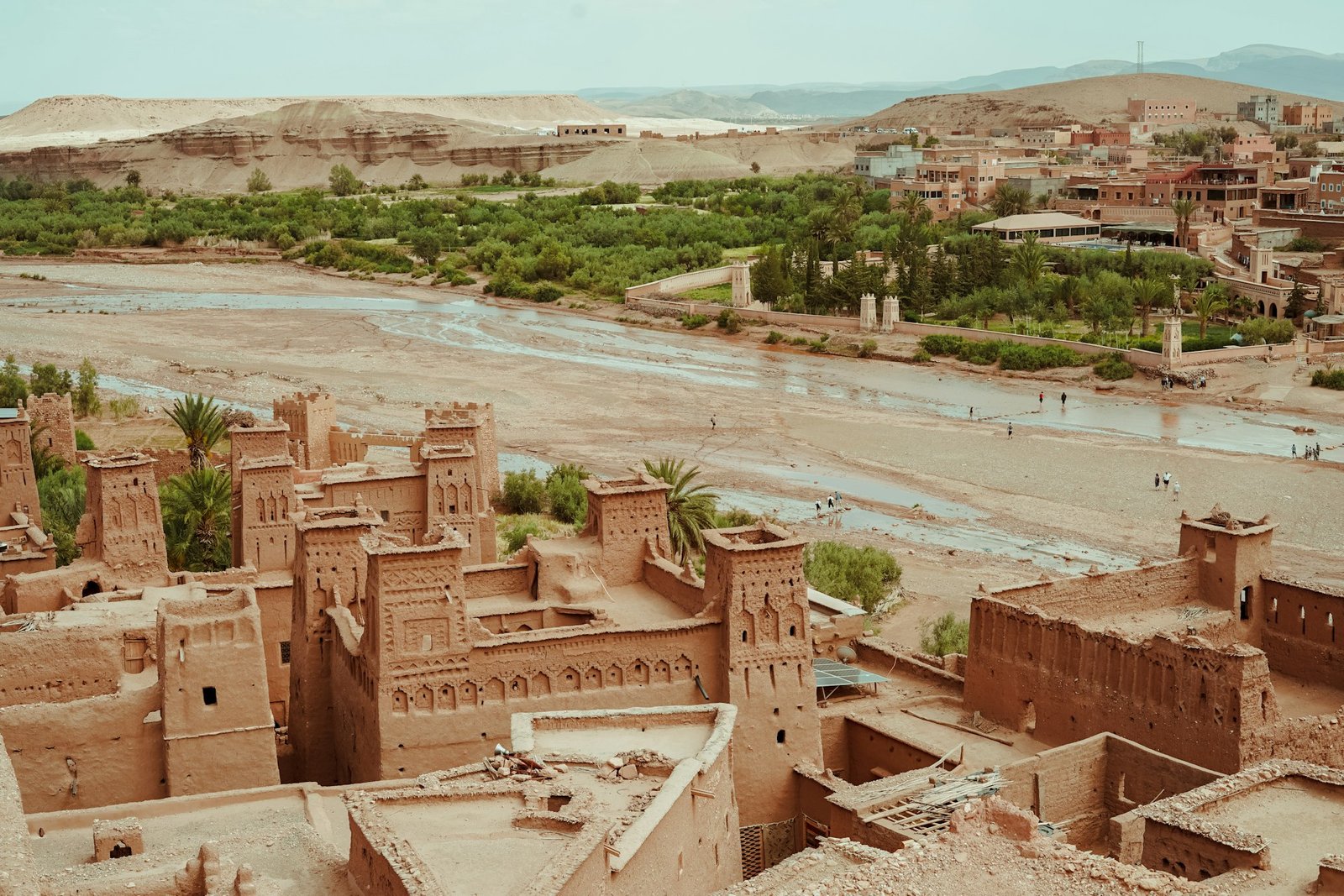
    Aerial view of the clay kasbah of Aït Benhaddou, Morocco

    5. Ride a Camel into the Sahara

    For many travellers, a night in the Sahara is the highlight of their trip. Near the village of Merzouga, the golden dunes of Erg Chebbi rise up to 150 metres high, glowing orange and red at sunrise and sunset.

    Ride a camel into the dunes in the late afternoon, watch the sun set from the top of a dune and spend the night in a desert camp. Camps range from simple tents to luxury camps with private bathrooms. After dinner, local Berber musicians play drums around the fire under a sky full of stars.

    The most common way to get there is a three-day tour from Marrakech or Fes. It’s a long drive, but the scenery along the way is spectacular. Tours range from budget to mid-range in price, depending on the camp.

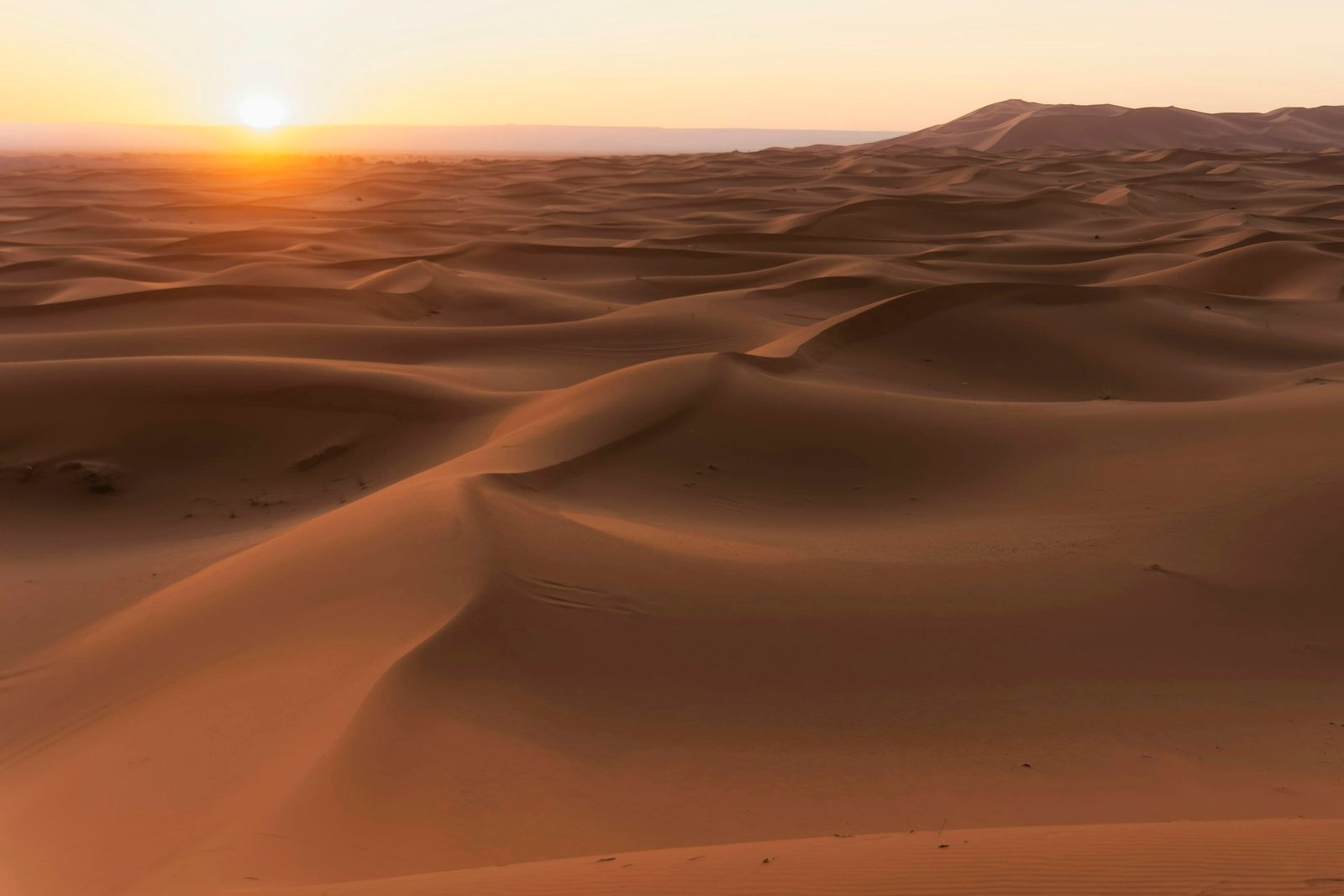
    Golden sunset over the sand dunes of Erg Chebbi near Merzouga, Morocco

    6. Walk the Dunes and Watch the Stars

    Don’t just ride through the desert. Get up early and climb a dune for the sunrise, when the silence is total and the sand changes colour by the minute. Try sandboarding down the dunes, or take a 4×4 tour around Erg Chebbi to visit nomad families and the small village of Khamlia, known for its Gnawa music.

    At night, the desert is one of the best places in the world for stargazing, far from any city lights. Bring warm clothes, as the desert gets surprisingly cold after dark.

    Person walking across the Sahara sand dunes near Merzouga, Morocco

    7. Drive Through the Todra and Dades Gorges

    On the way to or from the Sahara, the road passes some of Morocco’s most dramatic landscapes. In the Todra Gorge, red rock walls rise up to 300 metres high on both sides of a narrow river canyon. You can walk through the gorge and hike up into the surrounding hills.

    Nearby, the Dades Valley is known for its strange rock formations and the famous winding road of switchbacks that climbs up the side of the valley. Many desert tours stop here for the night.

    8. Explore the Ancient Medina of Fes

    Fes el-Bali, the old medina of Fes, is one of the largest car-free urban areas in the world and a UNESCO World Heritage Site. Its around 9,000 narrow alleys are a living medieval city, where craftsmen still work as they have for centuries and donkeys carry goods through the streets.

    The most famous sight is the Chouara Tannery, where leather is dyed in huge stone vats of colour. You’ll watch it from the terraces of the surrounding leather shops, which will hand you a sprig of mint for the smell. Also visit the Al-Qarawiyyin mosque and university, one of the oldest in the world (from the outside), and the beautiful Bou Inania Madrasa.

    The medina is easy to get lost in, so consider hiring an official guide for your first half-day.

    9. Wander Through the Blue Streets of Chefchaouen

    High in the Rif Mountains, Chefchaouen is one of the most beautiful towns in Morocco. Almost every wall, door and staircase in its old medina is painted in shades of blue, creating a dreamlike atmosphere. It’s also much calmer and more relaxed than the big cities.

    Wander through the blue alleys, sit in the main square, Plaza Uta el-Hammam, and walk up to the Spanish Mosque on the hill for a view over the town at sunset. For a day trip, hike to the waterfalls and natural pools of Akchour.

    Blue courtyard with potted plants in the medina of Chefchaouen, Morocco

    10. Relax by the Sea in Essaouira

    On the Atlantic coast, about three hours from Marrakech, Essaouira is a breezy, laid-back town with whitewashed houses, blue shutters and thick sea walls. It’s the perfect place to slow down after the busy cities.

    Walk along the ramparts, watch the fishermen bring in their catch in the harbour, full of blue wooden boats, and eat freshly grilled fish at the port. The constant wind makes Essaouira one of the best places in Morocco for kitesurfing and windsurfing, with lessons for beginners at fair prices.

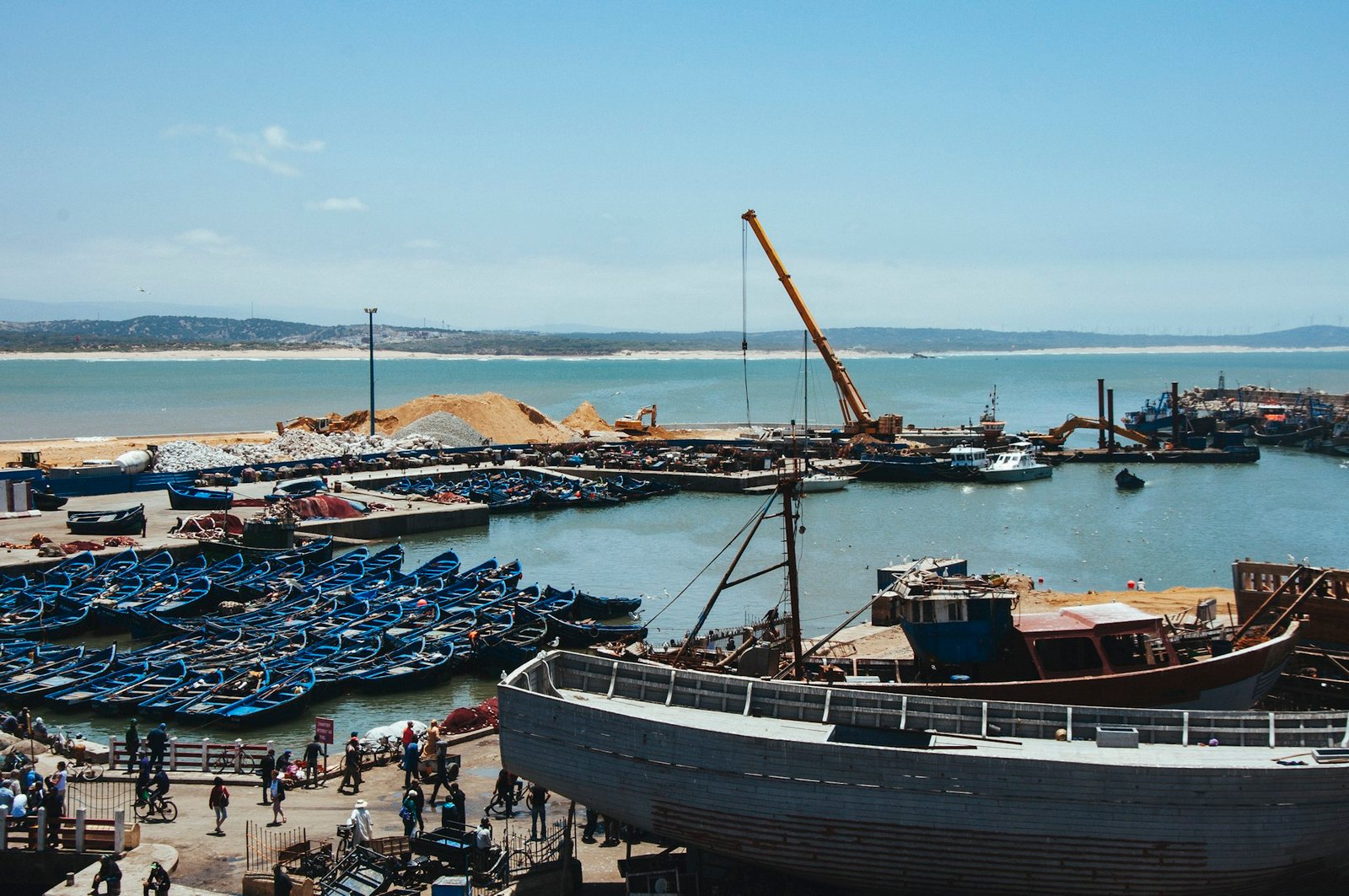
    Fishing boats in the harbour of Essaouira, Morocco

    Where to Stay on a Budget

    Morocco has wonderful accommodation at very fair prices:

    • Riads: traditional houses with a courtyard, ranging from simple and affordable to luxurious. The best choice in Marrakech, Fes and Chefchaouen
    • Hostels: found in all the main cities, often in beautiful old riads with rooftop terraces
    • Guesthouses (maisons d’hôtes): family-run places in the mountains and smaller towns
    • Desert camps: booked as part of a tour, from simple to luxury

    Many riads include a delicious Moroccan breakfast in the price.

    Eating on a Budget

    Moroccan food is one of the best things about the country:

    • Tagine: meat or vegetables slow-cooked in a clay pot with spices, olives and preserved lemon
    • Couscous: traditionally served on Fridays, steamed and topped with vegetables and meat
    • Harira: a hearty soup of tomatoes, lentils and chickpeas, especially popular during Ramadan
    • Street food: try the food stalls on Jemaa el-Fnaa, fresh msemen (flaky pancakes) for breakfast and grilled meat sandwiches
    • Mint tea: sweet green tea with fresh mint, served everywhere as a sign of hospitality

    Local restaurants and food stalls are much cheaper than tourist restaurants. Alcohol is only available in some hotels, bars and shops.

    What It Really Costs

    Here’s a realistic daily budget per person for a comfortable mid-range trip, not counting flights.

    • Accommodation: $25 to $60 per person, sharing a double room in a good riad
    • Food: $15 to $30 a day, eating mostly local food with the occasional nicer restaurant
    • Transport: $10 to $25 a day on average, including trains, buses and taxis
    • Activities: budget for the highlights separately: a three-day Sahara tour, a hammam, a guided tour of the Fes medina and entrance fees to palaces and gardens

    That works out to around $70 to $130 per person per day. Backpackers can travel comfortably for much less.

    A Sample 12-Day Itinerary

    Days 1 to 3: Marrakech. Jemaa el-Fnaa, the souks, the Bahia Palace, the Jardin Majorelle and a hammam.

    Day 4: Day trip to the High Atlas and Imlil.

    Days 5 to 7: Three-day desert tour: the Tizi n’Tichka Pass, Aït Benhaddou, the Dades Valley, the Todra Gorge and a night in a desert camp in Merzouga, ending in Fes.

    Days 8 to 9: Fes. The medina, the tanneries and the madrasas.

    Days 10 to 11: Chefchaouen. The blue medina, the Spanish Mosque and a day trip to Akchour.

    Day 12: Travel to Tangier and fly home, or take the ferry to Spain.

    If you have more time, add two or three days in Essaouira at the start or end of your trip.

    Practical Tips

    • Dress modestly: cover your shoulders and knees, especially in the medinas and rural areas
    • Watch out for fake guides: politely say no to people who offer to show you the way, and use official guides or ask your riad for directions
    • Always ask before taking photos of people, and expect to give a small tip if they agree
    • Bargain with a smile in the souks, but not in shops with fixed prices
    • Carry cash: many small shops, taxis and restaurants don’t take cards
    • Drink bottled water and be careful with salads and unpeeled fruit in the first few days

    Booking Tips

    • Airport transfer: book an airport transfer with Kiwitaxi from Marrakech airport to your riad, with a fixed price and a driver who knows where to drop you, as cars can’t enter the narrow lanes of the medina
    • eSIM: install a Yesim eSIM before you fly, so you have data for maps in the maze of the medina and messages in Morocco from the moment you land
    • Tours: popular options include a Sahara desert tour from Marrakech, an Atlas Mountains day trip, a Marrakech food tour and a day trip to Essaouira. You can compare and book most of them on Klook

    Final Thoughts

    Morocco is a country of colours, flavours and contrasts. Lose yourself in the souks of Marrakech, sleep under the stars in the Sahara, wander through the blue alleys of Chefchaouen and drink mint tea on a rooftop as the call to prayer echoes over the medina.

    Travel in spring or autumn, stay in riads, eat where the locals eat and keep a sense of humour when the medina gets overwhelming. Morocco will stay with you long after you’ve gone home.

    Prices checked in October 2026. Costs and opening times change, so always confirm before you book.
  • Seychelles on a Budget: Paradise Beaches Without the Luxury Price Tag

    Seychelles on a Budget: Paradise Beaches Without the Luxury Price Tag

    If you’ve ever seen a photo of a perfect beach with giant granite boulders, powder-white sand and water so clear it looks like glass, there’s a good chance it was taken in the Seychelles. This group of 115 islands in the Indian Ocean, about 1,500 km off the coast of East Africa, has some of the most beautiful beaches on the planet.

    The Seychelles have a reputation as a playground for celebrities and honeymooners in five-star villas. And it’s true that it’s not a cheap destination. But many travellers don’t realise that there’s another side: small family-run guesthouses, self-catering apartments, local Creole takeaways and public ferries that make the islands far more accessible than you’d think.

    This guide shows you how to experience the Seychelles on a realistic budget, which islands to visit and which experiences are really worth your money.

    The Seychelles at a Glance

    • Where: the western Indian Ocean, northeast of Madagascar
    • Main airport: Seychelles International Airport (SEZ) on Mahé
    • Currency: Seychelles rupee (SCR). One US dollar is roughly 14 rupees. Euros and US dollars are also widely accepted at hotels and for tours
    • Entry: no visa is needed for most nationalities. You get a free visitor permit on arrival, but you must apply online for a Travel Authorisation through the official Seychelles Electronic Border System before you travel. Check the current rules for your passport
    • Languages: Seychellois Creole, English and French
    • Best time: April, May, October and November
    • Budget: around $100 to $150 a day for budget travellers, $180 to $300 for a comfortable mid-range trip

    When to Go

    The Seychelles are warm all year round, with temperatures between 26 and 31 degrees Celsius. What changes are the trade winds.

    April, May, October and November are the best months. These are the calm periods between the two monsoon seasons, with light winds, flat seas, excellent visibility for snorkelling and plenty of sunshine.

    May to September brings the southeast trade winds. It’s drier and slightly cooler, but the sea can be rough on some beaches, and seaweed can wash up on the southeast-facing coasts.

    December to March is the northwest monsoon season, with more humidity and short, heavy showers. It’s still warm and beautiful, but it’s the rainiest time of year.

    Our tip: go in late April, May or October for calm, clear water and the best beach conditions.

    The Three Main Islands

    Most visitors stay on the three main inner islands, which are easy to combine in one trip:

    • Mahé: the largest island, home to the airport, the tiny capital Victoria, mountains, rainforest and more than 60 beaches
    • Praslin: the second-largest island, with the famous Vallée de Mai and some of the best beaches in the country
    • La Digue: a small, quiet island where most people get around by bicycle and life moves slowly

    Getting Around

    The Cat Cocos ferry connects Mahé and Praslin in about one hour. From Praslin, smaller ferries take you to La Digue in about 15 minutes. Book ferry tickets in advance, especially in high season. There are also short domestic flights between Mahé and Praslin.

    On Mahé and Praslin, the public buses are very cheap and go almost everywhere, although they can be crowded and the driving is fast. A rental car gives you more freedom and is a good idea for a few days on Mahé. Remember that cars drive on the left.

    On La Digue, rent a bicycle. It’s the best way to explore the island, and there are very few cars.

    Things to Do in the Seychelles

    Here are the experiences we think are worth your time and money.

    1. Visit Anse Source d’Argent on La Digue

    Anse Source d’Argent is often called the most photographed beach in the world. Enormous pink and grey granite boulders, shaped by wind and water over millions of years, frame small coves of white sand and shallow turquoise water.

    The beach is reached through the L’Union Estate, an old coconut and vanilla plantation, where a small entrance fee is charged. Inside, you’ll also see an old plantation house, a traditional copra mill and a pen of giant tortoises. Go early in the morning or late in the afternoon, when the light is soft and the day-trippers have gone. The water is shallowest at low tide.

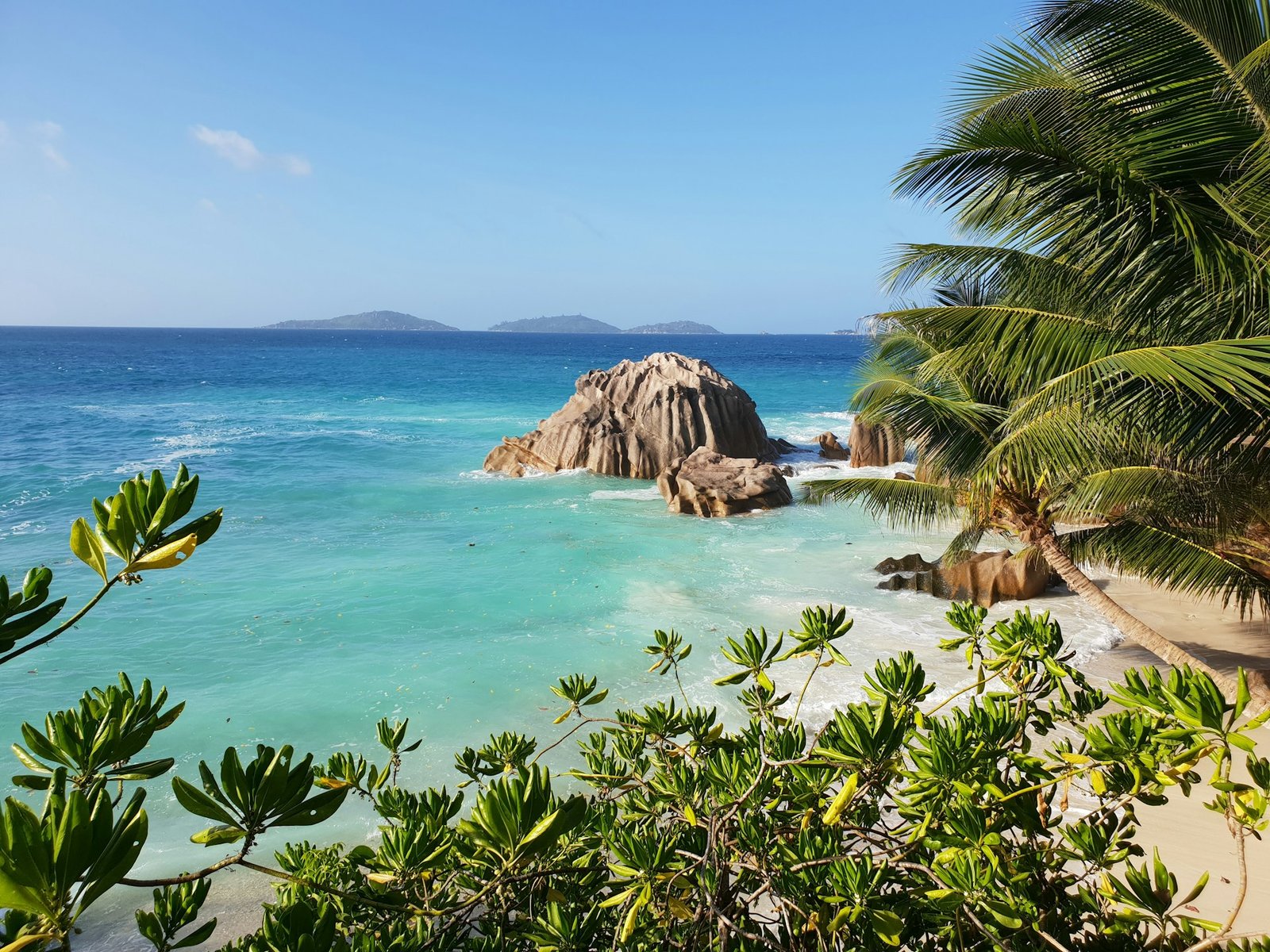
    Granite rock formations on a white sand beach in the Seychelles

    2. Cycle Around La Digue

    La Digue feels like the Seychelles of the past. There are only a handful of cars, ox carts were once the main form of transport, and today almost everyone gets around by bicycle.

    Rent a bike for the day and ride along the coast road to Grand Anse, a wild, wide beach with big waves, and walk on to the quieter beaches of Petite Anse and Anse Cocos. The sea here can be dangerous, so only swim where it’s calm. On the way back, stop for fresh juice or grilled fish at one of the small beach shacks.

    3. Walk Through the Vallée de Mai on Praslin

    The Vallée de Mai is a UNESCO World Heritage Site and one of the most unusual forests on earth. It’s home to the coco de mer, a rare palm that grows only in the Seychelles and produces the largest and heaviest seed in the plant kingdom, shaped a little like a pair of hips.

    Shady paths lead through the prehistoric-looking palm forest, where you might spot the rare Seychelles black parrot. The entrance fee is on the expensive side, but the forest is unique in the world. Allow about two hours.

    4. Relax on Anse Lazio

    On the northwest tip of Praslin, Anse Lazio regularly appears on lists of the best beaches in the world. It has soft white sand, granite boulders at both ends, clear water and shady takamaka trees. The snorkelling around the rocks is excellent.

    Nearby, Anse Georgette is just as beautiful and usually much quieter. It’s reached through the grounds of a luxury resort, so you need to ask permission at the gate or walk over the hill trail.

    Aerial view of a white sand beach and clear blue water in the Seychelles

    5. Meet the Giant Tortoises on Curieuse Island

    Just off the coast of Praslin, Curieuse Island is a protected nature reserve and home to hundreds of Aldabra giant tortoises, some of them more than 100 years old. You can walk among them as they slowly graze under the trees.

    Most boat trips from Praslin combine Curieuse with snorkelling at St. Pierre, a tiny granite islet topped with a few palm trees, surrounded by colourful fish. Trips are mid-range in price and usually include a barbecue lunch on the beach.

    Boat on the turquoise sea near palm trees on the coast of the Seychelles

    6. Hike to Anse Major on Mahé

    Mahé’s mountainous interior is part of Morne Seychellois National Park, which covers about a fifth of the island. One of the best walks is the coastal trail to Anse Major, a secluded beach that can only be reached on foot or by boat.

    The trail takes about an hour each way, with views over granite cliffs and the ocean. At the end, you’ll find a quiet beach with a natural pool among the rocks. Bring plenty of water and go early, as there’s little shade.

    Palm tree on a sandy beach with mountains in the background in the Seychelles

    7. Climb the Copolia Trail

    For one of the best views in the Seychelles, hike the Copolia Trail through the rainforest in Morne Seychellois National Park. The path climbs for about an hour to a huge granite platform with a panoramic view over Victoria, the east coast of Mahé and the small islands of the Sainte Anne Marine Park.

    Along the way, look out for rare endemic plants, including the carnivorous pitcher plant. A small fee is charged at the start of the trail.

    8. Beach-Hop on Mahé

    Mahé has more than 60 beaches, and many of them are almost empty. On the southwest coast, Anse Intendance is wild and beautiful, Baie Lazare is quiet and calm, and Anse Soleil is a small cove with a lovely beach restaurant. In the north, Beau Vallon is the island’s most popular beach, with water sports and a lively Wednesday night market.

    On the northeast coast, the small Carana Beach has striking granite boulders and clear water, and is perfect for an evening swim. Renting a car for a day or two is the easiest way to explore.

    Aerial view of the beach at Baie Lazare on Mahé, Seychelles
    Palm tree and clear blue water at Carana Beach on Mahé, Seychelles

    9. Explore Victoria and the Market

    Victoria is one of the smallest capitals in the world, and you can walk around it in an hour. Visit the colourful Sir Selwyn Selwyn-Clarke Market, where fishermen sell their catch and stalls are piled high with tropical fruit, spices and vanilla. Look for the little silver clock tower, a copy of one in London, and the colourful Hindu temple.

    The market is also a great place to buy affordable souvenirs, spices and local chilli sauces.

    10. Snorkel in the Sainte Anne Marine Park

    Just off Victoria, the Sainte Anne Marine Park protects six small islands surrounded by coral reefs, sea grass beds and turtles. Glass-bottom boat trips and snorkelling tours are an easy half-day or full-day trip from Mahé.

    If you’re a diver, the Seychelles have excellent dive sites, especially around Mahé and Praslin. From around August to November, there’s also a chance of seeing whale sharks off the coast of Mahé.

    Where to Stay on a Budget

    The key to visiting the Seychelles on a budget is to avoid the big resorts:

    • Guesthouses: small, family-run places with a few rooms, often with breakfast or Creole dinners on request
    • Self-catering apartments: the best value for most travellers. Cooking your own meals saves a lot of money
    • Small hotels: comfortable mid-range options, often close to the best beaches
    • Luxury villas: if you want to splurge, do it for one or two nights at the end of your trip

    Book early for the best value, especially for La Digue, which has a limited number of places to stay.

    Eating on a Budget

    Eating out in restaurants is expensive in the Seychelles, but there are ways to save:

    • Eat at takeaways: small shops sell Creole takeaway meals of rice, curry, grilled fish and salad in a box for a fraction of restaurant prices
    • Try the local food: fish curry, octopus curry, grilled red snapper, breadfruit chips and fresh tropical fruit
    • Cook for yourself: buy fresh fish and fruit at the market in Victoria and use the kitchen in your apartment
    • Shop at supermarkets: STC supermarkets have the best prices for groceries and drinks

    The local beer, SeyBrew, is the cheapest drink on the islands.

    What It Really Costs

    Here’s a realistic daily budget per person for a comfortable mid-range trip, not counting international flights.

    • Accommodation: $70 to $150 per person, sharing a double room in a guesthouse or self-catering apartment
    • Food: $30 to $60 a day, mixing takeaways and self-catering with the occasional restaurant
    • Transport: $20 to $50 a day on average, including ferries, buses, bike rental and a few days with a rental car
    • Activities: budget for the highlights separately: the Vallée de Mai, L’Union Estate, a boat trip to Curieuse and St. Pierre and a snorkelling tour in the marine park

    That works out to around $180 to $300 per person per day. It’s not cheap, but it’s a fraction of what a resort holiday would cost.

    A Sample 10-Day Itinerary

    Day 1: Arrive on Mahé. Relax at Beau Vallon.

    Days 2 to 3: Mahé. Victoria and the market, the Copolia Trail, the beaches of the southwest coast and Carana Beach.

    Day 4: Hike to Anse Major, or take a boat trip in the Sainte Anne Marine Park.

    Day 5: Ferry to Praslin. Afternoon at Anse Lazio.

    Day 6: The Vallée de Mai in the morning, Anse Georgette in the afternoon.

    Day 7: Boat trip to Curieuse and St. Pierre.

    Days 8 to 9: Ferry to La Digue. Cycle to Anse Source d’Argent, Grand Anse and Anse Cocos.

    Day 10: Ferry back to Mahé and fly home.

    Practical Tips

    • Apply for your Travel Authorisation online before you fly, only through the official website
    • Be careful in the sea: some beaches have strong currents, especially during the trade winds. Always check local conditions and swim only where it’s calm
    • Use reef-safe sunscreen and never touch or stand on the coral
    • Bring cash for small guesthouses, takeaways and the market
    • Pack insect repellent for the forest trails and the evenings
    • Book ferries in advance for the busiest times of year

    Booking Tips

    • Airport transfer: book an airport transfer with Kiwitaxi from Mahé airport to your guesthouse or to the ferry in Victoria, with a fixed price and a driver waiting for you
    • eSIM: install a Yesim eSIM before you fly, so you have data for maps, bus times and ferry tickets in the Seychelles from the moment you land
    • Tours: popular options include island-hopping boat trips, snorkelling tours in the marine parks and guided hikes on Mahé. You can compare and book most of them on Klook

    Final Thoughts

    The Seychelles are one of those places that really do live up to the photos. Cycle past granite boulders to an empty beach on La Digue, walk among giant tortoises on Curieuse, wander through a prehistoric palm forest and swim in water so clear you can see every fish.

    It’s not a budget destination in the usual sense, but it doesn’t have to cost a fortune. Stay in guesthouses, eat Creole takeaways, take the ferries and buses, and you’ll discover a paradise that’s far more accessible than its reputation suggests.

    Prices checked in October 2026. Costs and opening times change, so always confirm before you book.
  • Cape Town and the Garden Route: The Ultimate South Africa Road Trip

    Cape Town and the Garden Route: The Ultimate South Africa Road Trip

    There are few cities in the world with a setting like Cape Town. A flat-topped mountain rises straight out of the city centre, two oceans meet just around the corner, and within an hour’s drive you can be standing on a beach full of penguins, tasting wine on a historic estate or driving one of the most beautiful coastal roads on earth.

    And that’s just the beginning. East of Cape Town, the Garden Route follows the coast for around 300 km through lagoons, forests, cliffs and quiet beach towns. It’s one of the best road trips in the world, and you can do it at your own pace with a rental car.

    South Africa is also surprisingly good value. The exchange rate means that great food, excellent wine and comfortable guesthouses cost much less than in Europe, North America or Australia. This guide shows you how to plan the perfect trip, which experiences are really worth it and what it will actually cost.

    Cape Town and the Garden Route at a Glance

    • Where: the Western Cape and Eastern Cape provinces of South Africa
    • Main airports: Cape Town (CPT), George (GRJ) on the Garden Route and Port Elizabeth, now officially called Gqeberha (PLZ), at the eastern end
    • Currency: South African rand (ZAR). One US dollar is roughly 17 to 18 rand
    • Entry: citizens of the EU, the UK, the US, Canada, Australia and many other countries can visit without a visa for up to 90 days. Your passport needs at least two blank pages. Always check the current rules for your nationality
    • Driving: on the left side of the road
    • Best time: November to March for summer and beach weather, June to November for whale watching
    • Budget: around $50 to $80 a day for budget travellers, $100 to $180 for a comfortable mid-range trip including a rental car

    When to Go

    South Africa is in the southern hemisphere, so the seasons are the opposite of Europe and North America.

    November to March is summer. It’s warm, dry and sunny in Cape Town, with long days and temperatures of around 25 to 30 degrees Celsius. December and January are the busiest months, when South Africans are on holiday too, so prices rise and you’ll need to book ahead. Be prepared for the Cape Doctor, a strong south-easterly wind that blows through Cape Town in summer.

    April and May are lovely: still warm, calmer and quieter, with fewer crowds and lower prices.

    June to August is winter. Cape Town gets most of its rain now, but there are also plenty of clear, crisp days. It’s the start of the whale season, when southern right whales arrive along the coast.

    September and October bring spring wildflowers and the best whale watching of the year.

    Our tip: for the best mix of good weather, fewer crowds and fair prices, travel in March, April or November.

    An Honest Word About Safety

    Many people worry about safety in South Africa. It’s true that crime is a real problem in parts of the country, but millions of tourists visit Cape Town and the Garden Route every year without any trouble.

    Use common sense: don’t walk alone at night, don’t show off expensive jewellery or cameras, keep your car doors locked and never leave valuables visible in a parked car. Use Uber or Bolt instead of walking after dark, and ask your accommodation which areas to avoid. On popular hiking trails, go in a group or with a guide, and start early.

    Getting Around

    The best way to explore the Western Cape and the Garden Route is with a rental car. Roads are generally in good condition, distances are manageable and having your own car gives you the freedom to stop wherever you like.

    Most travellers fly into Cape Town and drive the Garden Route from west to east. You can then drop off your car in Port Elizabeth and fly back, or drive back on the inland Route 62 through the Klein Karoo, a beautiful alternative with mountain passes and small farm towns. One-way rentals usually cost a little extra.

    In Cape Town itself, Uber and Bolt are cheap, safe and easy to use.

    Things to Do in Cape Town and on the Garden Route

    Here are the experiences we think are worth your time and money.

    1. Go Up Table Mountain

    Table Mountain is the symbol of Cape Town and one of the New 7 Wonders of Nature. From the flat top, more than 1,000 metres above the city, you can see the whole city, the Atlantic Ocean, Robben Island and the Cape Peninsula stretching to the south.

    The easiest way up is the Table Mountain Aerial Cableway, whose round cars rotate as they climb so everyone gets the full view. Tickets are mid-range in price, and buying online saves you time in the queue. If you’re fit, you can also hike up the Platteklip Gorge trail in around two to three hours. It’s steep but straightforward.

    The cableway closes when it’s too windy or cloudy, so check the status before you go and plan your visit for the first clear day of your trip.

    2. Hike Lion’s Head at Sunrise

    Next to Table Mountain, the pointed peak of Lion’s Head is one of the most popular hikes in Cape Town. The trail spirals around the mountain to the top in about one to one and a half hours, with a few short sections where you use chains and ladders.

    The views over Camps Bay, the Twelve Apostles and the city are incredible, especially at sunrise or sunset. On full-moon nights, hundreds of locals climb the mountain to watch the sunset and walk down by moonlight. Bring a torch, water and a warm jacket.

    3. Drive Chapman’s Peak and the Cape Peninsula

    The day trip down the Cape Peninsula is one of the best things you can do in Cape Town. Start on the Atlantic coast and drive along Chapman’s Peak Drive, a spectacular road carved into the cliffs high above the ocean, with 114 curves along 9 km. A small toll is charged.

    Continue to the Cape of Good Hope and Cape Point in Table Mountain National Park, where you can walk up to the old lighthouse and look out over the wild cliffs. Watch out for baboons, which are clever and will grab any food they see. On the way back, follow the False Bay coast through the small towns of Kalk Bay and Simon’s Town.

    Chapman's Peak Drive winding along the cliffs above the ocean near Cape Town

    4. Meet the Penguins at Boulders Beach

    Near Simon’s Town, Boulders Beach is home to a colony of around 3,000 African penguins. They waddle across the sand, swim between huge granite boulders and sometimes walk right past you. Wooden boardwalks let you see them up close without disturbing them.

    Next to the main viewing area, there’s a small sheltered beach where you can swim in the same water as the penguins. The water is cold, but the experience is unforgettable. African penguins are now endangered, so always keep your distance and never touch or feed them. A national park entrance fee applies.

    African penguins on the sand beside a granite boulder at Boulders Beach, Cape Town

    5. Learn to Surf in Muizenberg

    The long, gentle waves of Muizenberg on False Bay make it one of the best places in the world to learn to surf. Several surf schools along the beachfront rent boards and wetsuits and offer lessons for complete beginners at budget-friendly prices.

    Even if you don’t surf, Muizenberg is worth a stop for its famous row of colourful Victorian beach huts, one of the most photographed sights in Cape Town. The water on the False Bay side is also a few degrees warmer than on the Atlantic coast.

    Colourful Victorian beach huts on Muizenberg beach, Cape Town

    6. Taste Wine in Stellenbosch and Franschhoek

    Less than an hour from Cape Town, the Cape Winelands are among the most beautiful wine regions in the world. Historic Cape Dutch estates with white gables sit between vineyards and dramatic mountains.

    In Stellenbosch, a lively university town, you can walk under oak trees, visit galleries and taste wine at dozens of estates nearby. Franschhoek, founded by French Huguenots, is smaller and known for its excellent restaurants. Its Wine Tram, a hop-on hop-off tram and bus tour between wine farms, means nobody has to drive.

    Wine tastings in South Africa are very affordable compared to Europe or California. Try the local Pinotage and Chenin Blanc, and book lunch at one of the estates for a long, relaxed afternoon.

    Vineyard rows with mountains in the background in Franschhoek, South Africa

    7. Watch Whales in Hermanus

    Between June and November, southern right whales come to the bays of the Western Cape to give birth and raise their calves. The best place to see them is Hermanus, about 90 minutes from Cape Town, where whales often swim just metres from the cliffs.

    You can watch them for free from the Cliff Path, which runs along the coast through town. For a closer look, take a whale-watching boat trip from Hermanus or nearby Gansbaai. September and October are usually the best months.

    8. Explore Knysna and Plettenberg Bay

    On the Garden Route, Knysna sits on a large, calm lagoon that opens to the sea between two huge sandstone cliffs called the Heads. Drive up to the viewpoint on the eastern head for the best view, take a boat cruise on the lagoon and try the fresh local oysters.

    Half an hour further east, Plettenberg Bay has some of the best beaches on the Garden Route. Hike the Robberg Nature Reserve peninsula, where you can see seals, and take a boat trip to look for dolphins and, in season, whales.

    Aerial view of the Knysna Heads and lagoon on the Garden Route, South Africa

    9. Cross the Storms River Suspension Bridge

    Tsitsikamma, part of the Garden Route National Park, is a wild stretch of coast where dense forest meets crashing waves. The highlight is the walk to the Storms River Mouth Suspension Bridge, which hangs over the river where it flows into the ocean. The trail is about 1 km each way along a boardwalk through the forest.

    Adventurous travellers can kayak up the gorge, go ziplining through the forest canopy or jump from the Bloukrans Bridge, one of the highest bridge bungee jumps in the world at 216 metres. It’s a splurge, but people come from all over the world to do it.

    Storms River Mouth suspension bridge in Tsitsikamma on the Garden Route, South Africa

    10. See Elephants in Addo

    At the eastern end of the Garden Route, near Port Elizabeth, Addo Elephant National Park is home to more than 600 elephants. You can drive through the park in your rental car on a self-drive safari, which is much cheaper than a guided game drive.

    Besides elephants, you might see buffalo, zebra, warthogs, kudu and, with some luck, lions. It’s a malaria-free park, which makes it a great choice for families. If you only have time for one safari on this trip, Addo is the one.

    More to See in Cape Town

    Cape Town deserves at least four or five days. Besides the highlights above, don’t miss:

    • The Bo-Kaap: a historic neighbourhood with brightly painted houses and a rich Cape Malay culture. Join a cooking class to learn about its spicy, fragrant cuisine
    • The V&A Waterfront: a lively harbour area with restaurants, markets and the Zeitz MOCAA art museum
    • Robben Island: the former prison where Nelson Mandela spent 18 years, now a UNESCO World Heritage Site. Tours are led by former prisoners and leave from the Waterfront. Book ahead
    • Kirstenbosch National Botanical Garden: one of the most beautiful gardens in the world, with a tree-canopy walkway and summer sunset concerts
    • Camps Bay and Clifton: white sand beaches below the Twelve Apostles. The water is cold, but the sunsets are spectacular

    Where to Stay on a Budget

    South Africa has some of the best-value accommodation anywhere:

    • Guesthouses and B&Bs: the best choice for most travellers. They’re often run by friendly local owners and include a generous breakfast
    • Backpacker hostels: clean, social and well organised, with private rooms as well as dorms. The Garden Route has a long tradition of great backpacker lodges
    • Self-catering apartments and cottages: perfect for couples and families, especially if you want to cook
    • Wine estate and boutique hotels: a splurge, but often much cheaper than similar places in Europe

    In Cape Town, the City Bowl, Green Point, Sea Point and Camps Bay are good, central areas to stay. Book early for December and January.

    Eating on a Budget

    Eating out is one of the great pleasures of a trip to South Africa, and it’s very affordable:

    • Try a braai: the South African barbecue is a national tradition. Many guesthouses have braai areas you can use
    • Eat at the food markets: the Neighbourgoods Market at the Old Biscuit Mill and the V&A Food Market have great food at low prices
    • Look out for local dishes: bobotie (spiced minced meat with an egg topping), bunny chow (curry in a hollowed-out loaf of bread) and Cape Malay curries
    • Try the seafood: fish and chips in Kalk Bay or Hout Bay is a must, and the Garden Route is famous for its oysters

    Restaurants in the Winelands are some of the best in the country, and many offer set lunch menus that are excellent value.

    What It Really Costs

    Here’s a realistic daily budget per person for a comfortable mid-range trip, not counting international flights.

    • Accommodation: $40 to $80 per person, sharing a double room in a good guesthouse
    • Food and drink: $25 to $45 a day, including restaurant dinners and some wine
    • Transport: $20 to $40 a day per person, including a small rental car shared by two, fuel and tolls
    • Activities: budget for the highlights separately: the Table Mountain cableway, Boulders Beach, a wine tasting or tram tour, a whale-watching trip and the park fees for Tsitsikamma and Addo

    That works out to around $100 to $180 per person per day. Backpackers who use hostels and cook for themselves can travel for much less.

    A Sample 14-Day Itinerary

    Days 1 to 4: Cape Town. Table Mountain, Lion’s Head, the Bo-Kaap, the V&A Waterfront and Robben Island.

    Day 5: Cape Peninsula day trip: Chapman’s Peak Drive, Cape Point, Boulders Beach and Muizenberg.

    Day 6: Day trip to the Winelands in Stellenbosch or Franschhoek.

    Days 7 to 8: Drive to Hermanus for whale watching (in season), then continue along the coast towards the Garden Route.

    Days 9 to 10: Knysna. The Heads, a lagoon cruise and fresh oysters.

    Day 11: Plettenberg Bay and the Robberg Nature Reserve.

    Day 12: Tsitsikamma. The suspension bridge, kayaking or a bungee jump.

    Days 13 to 14: Addo Elephant National Park, then fly home from Port Elizabeth.

    Practical Tips

    • Book a rental car early for the summer holidays, and choose full insurance
    • Car guards are common in parking areas. It’s normal to give them a small tip when you leave
    • Tip in restaurants: around 10 to 15 percent is expected
    • Bring layers: even in summer, evenings can be cool and the wind is strong
    • The ocean is cold on the Atlantic side, even in summer. False Bay and the Garden Route are warmer
    • Get a local SIM or eSIM for maps and ride-hailing apps

    Booking Tips

    • Airport transfer: if you don’t pick up your rental car at the airport, book an airport transfer with Kiwitaxi from Cape Town airport to your hotel, with a fixed price and a driver waiting for you
    • eSIM: install a Yesim eSIM before you fly, so you have data for maps, Uber and Bolt in South Africa from the moment you land
    • Tours: popular options include Table Mountain cableway tickets, a Cape Peninsula day tour, a Winelands wine tasting tour and a Robben Island trip. You can compare and book most of them on Klook

    Final Thoughts

    Cape Town and the Garden Route offer an incredible variety in a relatively small area: a vibrant city below a famous mountain, wild coastal roads, penguins on the beach, world-class wine, whales close to shore, ancient forests and elephants in the bush.

    Travel smart, stay aware of your surroundings and take your time on the road. South Africa will surprise you with its beauty, its warmth and its value for money. Many travellers come once and spend the rest of their lives planning their return.

    Prices checked in October 2026. Costs and opening times change, so always confirm before you book.
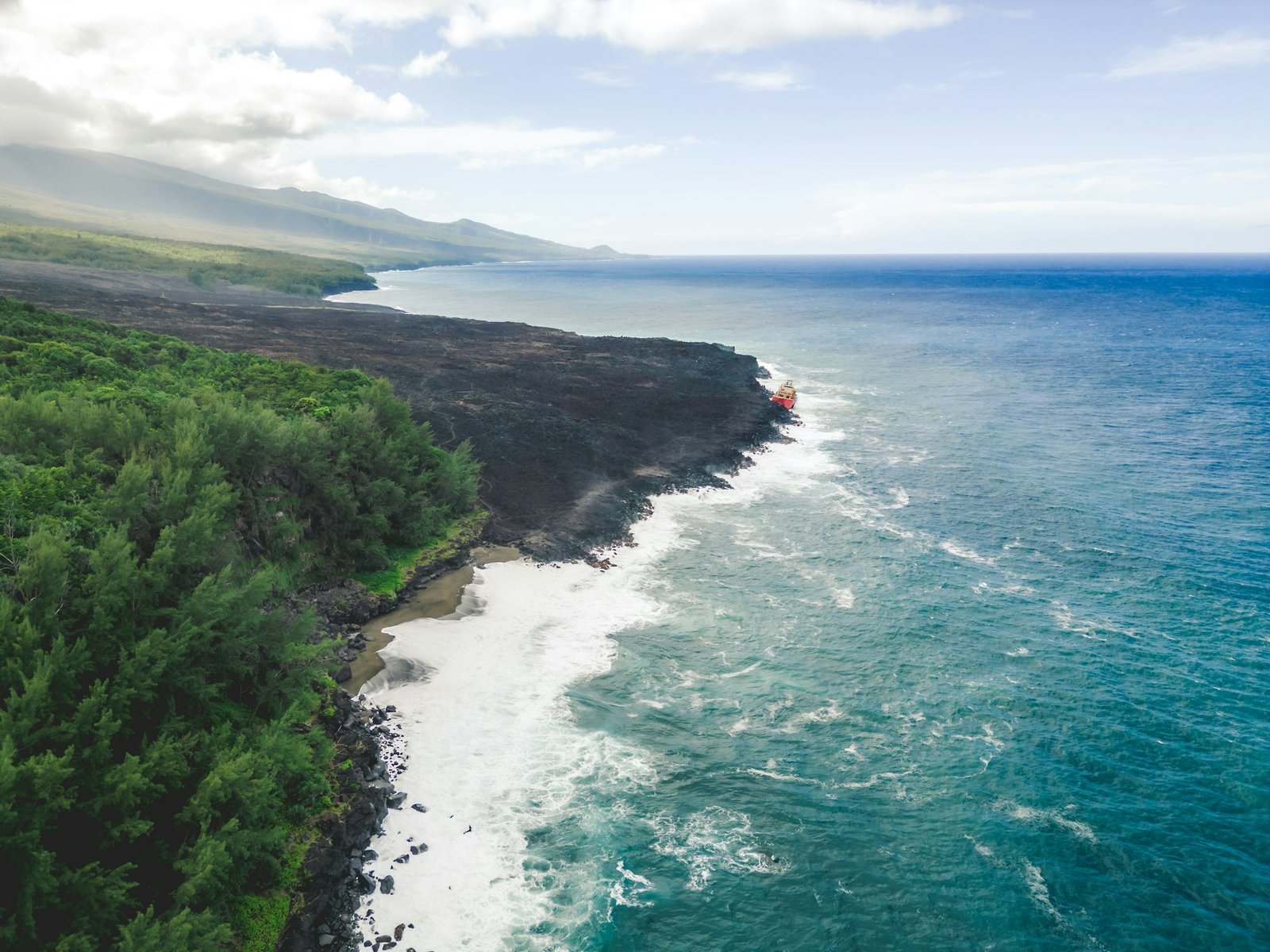
  • Mauritius Beyond the Resorts: Best Things to Do on a Real Budget

    Mauritius Beyond the Resorts: Best Things to Do on a Real Budget

    Mark Twain supposedly once wrote that Mauritius was made first and heaven was copied from it. Whether he really meant it or not, it’s hard to argue with the idea once you see the island from above: a green volcanic heart, surrounded by a turquoise lagoon and a ring of coral reef, with a dramatic mountain rising straight out of the sea in the southwest.

    Most people know Mauritius as a honeymoon destination full of five-star resorts. Those exist, and some are wonderful. But Mauritius is also a real country with a fascinating mix of cultures, cheap and delicious street food, public beaches that anyone can use, and a surprising amount of adventure: hiking, waterfalls, kitesurfing, diving and sailing.

    This guide shows you how to see the best of Mauritius on a realistic budget: where to stay, how to get around, the best things to do on land and in the water, and what a trip really costs.

    Mauritius at a Glance

    • Where: an island in the Indian Ocean, about 2,000 km off the southeast coast of Africa, east of Madagascar
    • Currency: Mauritian rupee (MUR). One US dollar is roughly 45 to 47 rupees
    • Airport: Sir Seewoosagur Ramgoolam International Airport (MRU) in the southeast
    • Languages: English and French are widely spoken, while most locals speak Mauritian Creole among themselves
    • Entry: many nationalities, including travellers from the EU, the UK, the US, Canada and Australia, can visit visa-free for short stays
    • Best time: May to December for dry, sunny weather
    • Budget: around $60 to $90 a day for budget travellers, $120 to $220 for a comfortable mid-range trip

    A Fascinating Mix of Cultures

    Mauritius had no native population. The Dutch, the French and the British each controlled the island at different times, and over the centuries enslaved people from Africa and Madagascar, indentured workers from India and traders from China all came here. Today their descendants live side by side, and the result is one of the most diverse and peaceful societies in the world.

    You’ll see it everywhere: in the Hindu temples, mosques, churches and Chinese pagodas, in the festivals throughout the year and above all in the food. A plate of street food in Mauritius can combine Indian spices, French technique and Chinese noodles in one bite.

    When to Go

    Mauritius has two main seasons.

    Winter (May to October) is dry, sunny and pleasantly warm, with daytime temperatures of around 24 to 27 degrees Celsius. It’s perfect for hiking and sightseeing. The east coast can be windy, which kitesurfers love.

    Summer (November to April) is hotter and more humid, with temperatures above 30 degrees. The sea is warmest and calmest for diving and snorkelling. January to March is the rainy season and also brings the risk of cyclones.

    The best months for most travellers are May, June, September, October and November: great weather, fewer crowds and better prices than around Christmas and in the European summer holidays.

    Entry Rules and Tourist Fee

    Many nationalities can enter Mauritius visa-free for short stays. You’ll need a return ticket, proof of accommodation and a passport valid for at least six months. Check the current rules for your nationality before you travel.

    Since October 2025, visitors aged 12 and over pay a tourist fee of €3 per person per night. It’s collected by your hotel, guesthouse or villa, so you don’t need to arrange anything in advance.

    Where to Stay

    Each coast of Mauritius has its own character.

    West Coast: Flic en Flac and Tamarin

    The west coast is the sunniest and driest part of the island, with calm water and the best sunsets. Flic en Flac has one of the longest beaches on the island, a relaxed atmosphere and plenty of affordable apartments and guesthouses. Tamarin and Black River are quieter and perfect for dolphin trips and hikes.

    Beach at Flic en Flac on the west coast of Mauritius

    North: Grand Baie and Pereybère

    The north is lively, with restaurants, bars, shopping and lots of boat trips. Grand Baie is the busiest town for tourists, while Pereybère next door has a lovely small public beach and good-value guesthouses. It’s a great base if this is your first visit.

    East Coast: Belle Mare and Trou d’Eau Douce

    The east coast has long white beaches, many of the big resorts and the famous Île aux Cerfs. It’s breezier in winter, which keeps the heat down. Trou d’Eau Douce is a small fishing village with boats to the islands and a more local feel.

    South: Le Morne and Blue Bay

    The south is the wildest part of the island. Le Morne has a stunning peninsula with a mountain, a world-famous kitesurfing lagoon and some of the most beautiful beaches. Blue Bay near the airport has a protected marine park with excellent snorkelling.

    Our tip: stay in two different areas, for example the west and the south, to see more of the island without spending hours in the car every day.

    Getting Around

    • Rental car: the easiest way to explore. Mauritius drives on the left. Roads are good but narrow in places, and traffic around the capital Port Louis can be heavy
    • Buses: cheap and cover the whole island, but they’re slow and stop running in the early evening
    • Taxis: agree on the price before you get in. Many guesthouses can arrange a driver for a full-day tour of the island
    • Scooters: possible, but the roads aren’t always easy for beginners

    Things to Do in Mauritius

    Here are the experiences we think are worth your time and money.

    1. Hike Le Morne Brabant

    Le Morne Brabant is the iconic mountain on the southwest tip of the island, rising 556 metres above the lagoon. It’s a UNESCO World Heritage Site, because in the 18th and 19th centuries, escaped enslaved people hid in its caves and on its summit. It’s a powerful symbol of the fight for freedom.

    The hike to the viewpoint takes around three to four hours return. The first part is an easy walk through the forest, while the last section is a steep scramble over rocks, sometimes using your hands. The view over the lagoon and the famous “underwater waterfall” (an optical illusion created by sand and silt flowing off the edge of the reef) is breathtaking. Start early to avoid the heat, and consider a local guide for the upper part.

    View of the ocean and lagoon from Le Morne Brabant, Mauritius

    2. Explore Chamarel and the Seven Coloured Earth

    In the green hills of the southwest, the village of Chamarel is home to one of the island’s most famous sights: the Seven Coloured Earth, small dunes of volcanic sand in shades of red, brown, violet, green, blue and yellow. The colours come from minerals in the volcanic rock, and the sand never mixes, even after heavy rain.

    The same park has giant tortoises and a viewpoint over the Chamarel Waterfall, which plunges about 100 metres into the forest. Entry costs a small fee. Afterwards, visit the Rhumerie de Chamarel, a rum distillery with tastings, or have lunch at one of the restaurants with views over the hills.

    Seven Coloured Earth sand dunes in Chamarel, Mauritius

    3. Visit Black River Gorges National Park

    Black River Gorges National Park protects most of the island’s remaining native forest. It has more than 60 km of trails, from short walks to viewpoints to full-day hikes. Look out for the rare pink pigeon and the Mauritius kestrel, which were both nearly extinct a few decades ago.

    The viewpoints at Gorges Viewpoint and Alexandra Falls are easy to reach by car and offer amazing views of the forest and the coast. Entry to the park is free.

    Waterfall in the green forest of Mauritius

    4. Sail on a Catamaran to Île aux Cerfs

    The classic day trip in Mauritius is a catamaran cruise to Île aux Cerfs, a small island off the east coast with white beaches and a turquoise lagoon. Most tours include snorkelling stops, a barbecue lunch on board and a visit to a waterfall at Grand River South East.

    On the west coast, catamaran trips sail along the coast to the Benitiers Island and the Crystal Rock, often with a chance to see dolphins on the way. Shared catamaran trips are mid-range in price and usually include lunch and drinks. Choose a smaller boat if you prefer a calmer atmosphere.

    Sailboat in the lagoon with mountains behind, Mauritius

    5. Snorkel at Blue Bay Marine Park

    Blue Bay Marine Park in the southeast is the best place for snorkelling in Mauritius. The protected lagoon has clear, shallow water and healthy coral gardens full of colourful fish. You can snorkel from the beach, but a short glass-bottom boat tour takes you to the best spots in the middle of the park.

    Please don’t feed the fish, and never stand on or touch the coral. Some boat operators still offer bread to attract fish, but it’s bad for the fish and the reef.

    Fish in the clear water of Blue Bay Marine Park, Mauritius

    6. Dive the Reefs

    Mauritius is surrounded by a coral reef, and there are excellent dive sites all around the island. Highlights include the Cathedral cave near Flic en Flac, with light beams shining through the ceiling, shipwrecks in the north, and the turtles, rays and moray eels of the west coast. Dive centres offer beginner courses and guided dives at mid-range prices.

    7. See Dolphins on the West Coast

    Wild spinner and bottlenose dolphins live in the bays off Tamarin and Black River on the west coast. Early-morning boat trips take visitors out to see them. Some tours allow you to swim with the dolphins, but this has become controversial, because too many boats and swimmers stress the animals. If you go, choose an operator that keeps its distance, limits the number of boats and doesn’t chase the dolphins. Watching them from the boat is just as magical.

    Between July and October, humpback whales also pass the west coast on their migration, and responsible whale-watching trips are available.

    8. Kitesurf in Le Morne

    The lagoon at Le Morne is one of the most famous kitesurfing spots in the world, with steady trade winds from around May to November. Several schools offer beginner courses, and the shallow water inside the reef makes it a good place to learn. Experienced riders head out to the legendary wave called “One Eye” on the reef.

    9. Discover Port Louis

    The capital, Port Louis, is busy, chaotic and full of character. Walk through the Central Market, full of tropical fruit, spices and street food stalls, visit the colourful Chinatown and the historic Aapravasi Ghat, a UNESCO site where hundreds of thousands of indentured workers from India first arrived. The modern Caudan Waterfront has shops, cafés and the Blue Penny Museum, home to two of the rarest stamps in the world.

    10. Visit the Botanical Garden in Pamplemousses

    The Sir Seewoosagur Ramgoolam Botanical Garden in Pamplemousses is one of the oldest botanical gardens in the Southern Hemisphere. Its most famous sight is the pond full of giant Victoria water lilies, whose leaves can grow up to two metres across. You’ll also find spice trees, palms of every kind and giant tortoises. A guide brings the garden to life and is worth the small extra cost.

    Eating on a Budget

    Mauritian food is one of the great joys of the island, and the best of it is cheap. Look out for:

    • Dholl puri: thin flatbreads filled with split peas, served with curry, pickles and chutney. The island’s favourite street food, usually costing just a few rupees
    • Gâteaux piments: little chilli and split pea fritters, perfect as a snack
    • Mine frite and boulettes: Chinese-Mauritian fried noodles and dumplings
    • Rougaille: a tomato-based Creole sauce, served with fish, sausages or chicken
    • Fresh seafood and octopus curry in the coastal villages

    Look for the street food stalls and small roadside snack shops (called “snacks” locally). A filling lunch can cost just a few dollars. Restaurants in the resorts and tourist areas are much more expensive. Supermarkets are well stocked if you stay in an apartment with a kitchen.

    Where to Stay on a Budget

    You don’t need to stay in a five-star resort to enjoy Mauritius. Guesthouses and holiday apartments are common, especially in Flic en Flac, Pereybère, Grand Baie and Trou d’Eau Douce. Expect around $40 to $90 a night for a comfortable room or apartment. Mid-range hotels often cost $100 to $200 a night, and luxury resorts start well above that.

    Remember that all beaches in Mauritius are public. Even if you stay in a cheap guesthouse, you can swim at the same beaches as the guests of the big resorts.

    What It Really Costs

    Here’s a realistic daily budget per person for a comfortable mid-range trip, not counting international flights.

    • Accommodation: $30 to $70 per person, sharing a guesthouse room or apartment
    • Food: $15 to $35 a day, mixing street food with a few restaurant meals
    • Transport: $20 to $40 a day on average, for a rental car shared between two people, or less if you use buses
    • Activities: many of the best experiences are free or cheap, like hiking, beaches and Black River Gorges. Budget for one or two bigger trips, such as a catamaran cruise or a dive

    That works out to around $80 to $170 per person per day. Add the tourist fee of €3 per person per night.

    A Sample 10-Day Itinerary

    Days 1 to 4: West coast, based in Flic en Flac or Tamarin. Hike Le Morne, visit Chamarel and the Seven Coloured Earth, explore Black River Gorges, and take an early-morning dolphin-watching trip.

    Days 5 to 7: North, based in Pereybère or Grand Baie. Visit Port Louis and the Pamplemousses Botanical Garden, and take a catamaran trip along the coast.

    Days 8 to 10: East or south coast. Take a catamaran to Île aux Cerfs, snorkel in Blue Bay Marine Park and relax on the beach before your flight.

    Practical Tips

    • Drive on the left, and watch out for pedestrians, dogs and buses on narrow roads
    • Plugs: Mauritius uses both the British three-pin plug (type G) and the European two-pin plug (type C). Bring an adapter
    • Sunscreen and reef protection: the sun is very strong. Use reef-safe sunscreen and a rash guard when snorkelling
    • Sea urchins: wear water shoes when walking in the lagoon
    • Cash: carry some rupees for street food, markets and small shops. Cards are accepted in most hotels and restaurants

    Booking Tips

    • Airport transfer: the airport is in the southeast, about an hour from Flic en Flac or Grand Baie. Book an airport transfer with Kiwitaxi in advance for a fixed price straight to your guesthouse
    • eSIM: install a Yesim eSIM before you fly, so you have data for maps and driving directions in Mauritius from the moment you land
    • Tours: popular options include a catamaran cruise to Île aux Cerfs, a dolphin-watching trip from Tamarin, a guided Le Morne hike and a south-west tour to Chamarel. You can compare and book most of them on Klook

    Final Thoughts

    Mauritius is often treated as a place to lie by the pool for a week. That’s fine, and it’s a great place to relax. But if you leave the resort, you’ll discover a much richer island: mountains with a powerful history, rainforest waterfalls, rainbow-coloured earth, bustling markets and some of the best street food in the Indian Ocean.

    Stay in a guesthouse, rent a car, eat dholl puri at a roadside stall and spend your money on one or two great days on the water. You’ll see the real Mauritius, and you might just agree with Mark Twain.

    Prices checked in October 2026. Costs and opening times change, so always confirm before you book.
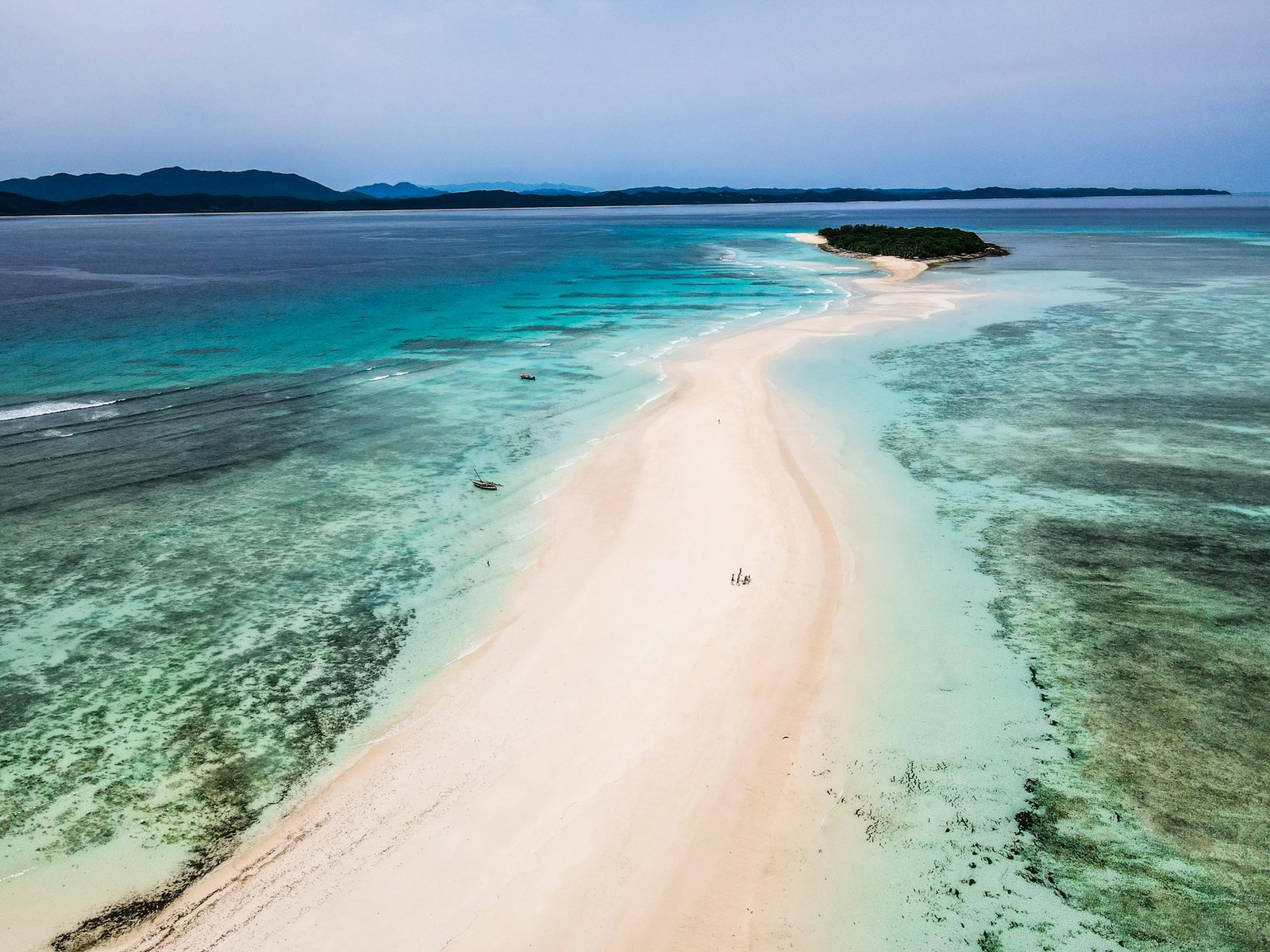
  • Zanzibar on a Budget: Stone Town, Spice Farms and Dream Beaches

    Zanzibar on a Budget: Stone Town, Spice Farms and Dream Beaches

    Zanzibar has a name that sounds like a fairy tale, and for once the place lives up to it. Carved wooden doors in a maze of old alleys. The smell of cloves and cinnamon drifting over a spice farm. Wooden dhows with patched sails gliding past a beach so white it hurts your eyes. And at the end of every day, a sunset that turns the Indian Ocean pink.

    The best part is that Zanzibar doesn’t have to be expensive. Yes, there are luxury resorts here that cost as much as anywhere in the Maldives. But there are also small guesthouses, street food markets and local minibuses, and with a bit of planning a week on the island costs far less than most people think.
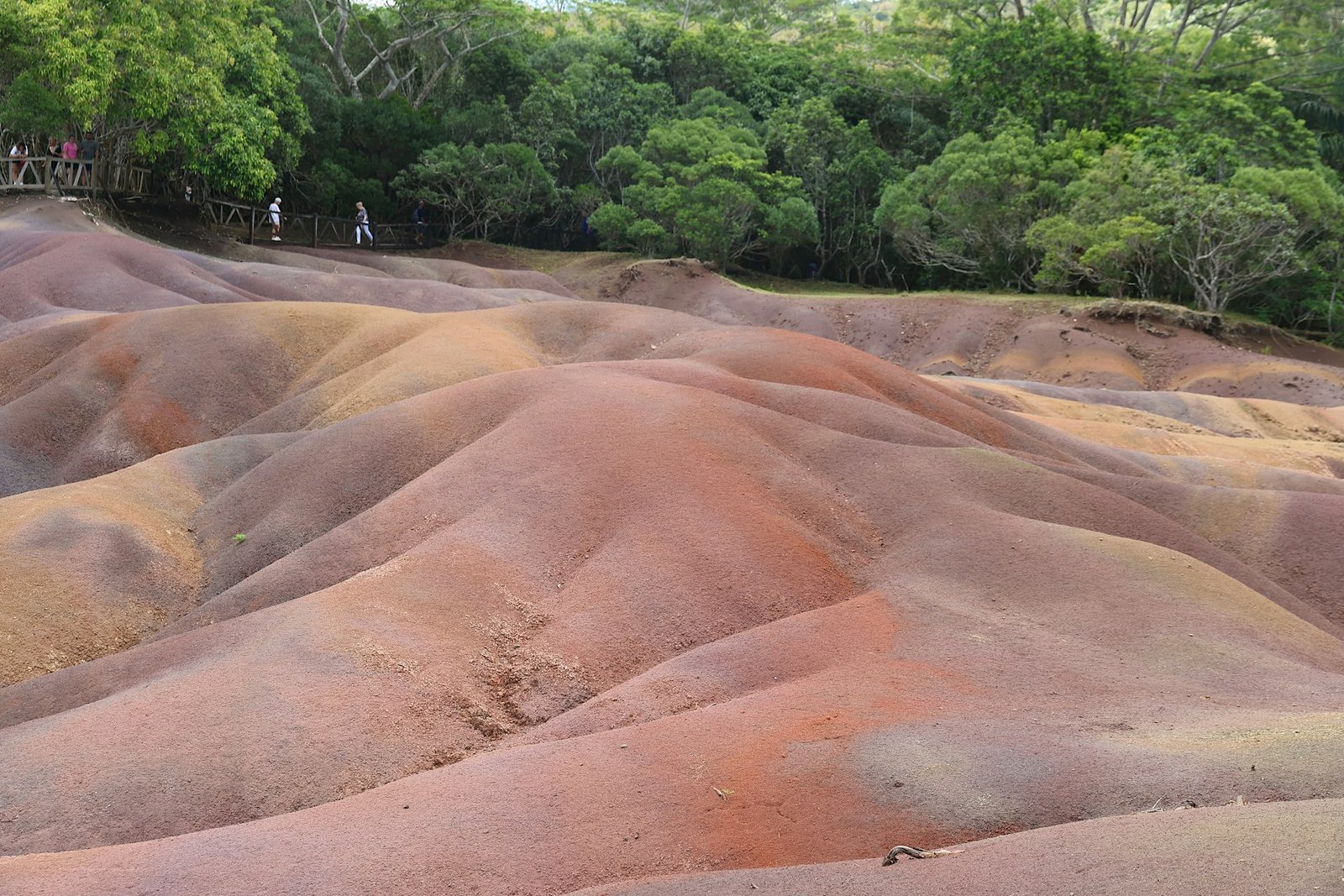
    This guide covers everything you need for a first trip: Stone Town, the spice farms, the forest with monkeys you won’t find anywhere else on earth, the best beaches for your style, and what it all really costs in 2026.

    Zanzibar at a Glance

    • Where: an archipelago in the Indian Ocean, about 35 km off the coast of mainland Tanzania. The main island is called Unguja, but almost everyone just says Zanzibar
    • Currency: Tanzanian shilling (TZS), but US dollars are widely accepted for hotels and tours
    • Airport: Abeid Amani Karume International (ZNZ), just outside Stone Town
    • Entry: Tanzanian visa (USD 50 for most nationalities, USD 100 for US citizens) plus mandatory Zanzibar travel insurance (USD 44)
    • Best time: June to October and December to February
    • Budget: around $50 to $80 a day for budget travellers, $120 to $200 for a comfortable mid-range trip

    Before You Fly: Visa and Mandatory Insurance

    Zanzibar is part of Tanzania, so you need a Tanzanian visa. For most nationalities, including travellers from the UK and the EU, a single-entry tourist visa costs USD 50 and is valid for 90 days. US citizens pay USD 100 for a multiple-entry visa and must apply online before they travel. The safest option for everyone is to apply online through the official Tanzanian immigration website at least two weeks before your trip.

    Since October 2024, every foreign visitor also needs the Zanzibar inbound travel insurance. It costs USD 44 for adults, USD 22 for children aged 3 to 17 and is free for children under 3. It covers you for up to 92 days. Buy it before you leave on the official website, visitzanzibar.go.tz. Some airlines check for it at check-in, so don’t leave it until the last minute.

    This insurance only covers the basics. It doesn’t replace your own travel insurance, so keep that too.

    Getting to Zanzibar

    By Plane

    Several airlines fly directly or with one stop to Zanzibar. From Europe, there are seasonal direct flights from cities like Frankfurt, Zurich, Milan, Amsterdam and Warsaw, and year-round connections via Doha, Dubai, Istanbul, Addis Ababa and Nairobi. From the US, you’ll usually connect in Doha, Dubai, Istanbul or Amsterdam.

    Prices vary a lot by season. Book early for the European summer holidays and around Christmas, when fares jump.

    From Dar es Salaam by Ferry

    If you’re combining Zanzibar with a safari on the Tanzanian mainland (and this is one of the best safari-and-beach combinations in the world), you can also take the fast ferry from Dar es Salaam. The trip takes about two hours, and economy tickets cost around $35 to $40. Buy them at the official ferry terminal or online, not from the touts who will approach you outside. The sea can be rough, so take seasickness tablets if you’re sensitive.

    Stone Town: Where Every Trip Should Begin

    Spend at least two nights in Stone Town, the old heart of Zanzibar City and a UNESCO World Heritage Site. Many visitors drive straight from the airport to the beach and only come back for a rushed half-day tour. That’s a shame, because Stone Town is one of the most fascinating places in East Africa.

    For centuries, this was one of the most important trading ports of the Indian Ocean. Arab, Persian, Indian, Portuguese, British and African influences all left their marks, and you’ll see them everywhere: in the food, the language, the architecture and especially the doors.

    Narrow alley in Stone Town, Zanzibar, with a clock tower in the background

    Get Lost in the Alleys

    The best way to see Stone Town is to put your map away and just walk. The alleys are so narrow that cars can’t get through, only bicycles, scooters and the occasional handcart. Look out for the famous Zanzibar doors: heavy carved wooden doors, some with brass spikes, that once showed the wealth and status of the family behind them. There are hundreds of them, and no two are the same.

    Things to see:

    • The Old Fort, built by the Omani Arabs in the late 17th century, today home to small shops and a cultural venue
    • The Former Slave Market and the Anglican Cathedral, built on the site of the last open slave market in East Africa. The memorial and the small museum are moving and important. Give yourself time here
    • Freddie Mercury’s birthplace: the Queen singer was born in Stone Town in 1946, and there’s a small museum dedicated to him
    • Darajani Market, the busy main market, full of spices, fruit, fish and everyday life

    Forodhani Night Market

    Every evening, the waterfront park of Forodhani Gardens turns into a big open-air food market. Grills are lit, tables fill up with seafood skewers, sugarcane juice is pressed fresh, and the smell is irresistible.

    Try a Zanzibar pizza, which is nothing like an Italian pizza: a thin dough filled with egg, vegetables and meat or cheese, folded and fried on a hot plate. There’s a sweet version with banana and Nutella too. It costs around $2 to $3. Octopus skewers run about $4 to $6.

    A tip: always agree on the price before your food goes on the grill, and check that seafood is cooked through. Choose the busiest stalls, where the turnover is fast.

    Sunset on the Water

    At sunset, join the locals on the seafront, watch the boys jump off the sea wall into the water, or take a short dhow sunset cruise from the beach in front of the Old Fort. It’s one of the most relaxing ways to end a day in Stone Town.

    Day Trips from Stone Town

    Prison Island

    A 20 to 30 minute boat ride from Stone Town brings you to Changuu, better known as Prison Island. The prison was built but never used as one. Today the island is famous for its giant Aldabra tortoises, some of them more than 100 years old. You can feed and walk among them. Add some snorkelling off the island and a beach stop, and it’s a perfect half-day trip.

    A Spice Tour

    Zanzibar is called the Spice Island for a reason. Cloves, nutmeg, cinnamon, black pepper, vanilla and cardamom all grow here. On a spice tour you walk through a farm with a local guide who lets you smell, taste and guess every plant. Somebody will climb a coconut palm barefoot, and at the end you’ll often get a lunch of rice cooked with the spices you’ve just seen growing.

    Shared tours start at around $20 per person, while private ones with transport cost more. It sounds touristy, but most people find it one of the most memorable parts of the trip.

    Jozani Forest

    Jozani Chwaka Bay National Park, about an hour from Stone Town, is the only national park on the island. It’s home to the Zanzibar red colobus monkey, a species that lives nowhere else on earth. Only a few thousand of them are left.

    With a guide, you walk through the forest and almost always find a group of colobus monkeys feeding in the trees, often just a few metres away. They’re surprisingly relaxed around people, and the young ones are hilarious to watch. The visit also includes a boardwalk through the mangroves. Entry, including a guide, costs around $10 to $15 per person.

    Please don’t touch or feed the monkeys, and keep a distance of a few metres. Human illnesses can be dangerous for them.

    Two Zanzibar red colobus monkeys in Jozani Forest

    Choosing Your Beach

    After Stone Town, it’s time for the beach. Zanzibar has beaches on all sides, but they’re very different, and choosing the right one makes or breaks your trip.

    North: Nungwi and Kendwa

    The north coast is the best choice if you want to swim at any time of day. The tides here are much smaller than on the east coast, so the water stays deep enough to swim even at low tide. The sand is white, the water is turquoise, and the sunsets over the ocean are spectacular.

    Nungwi is lively, with plenty of restaurants, bars and a traditional dhow-building yard where you can watch boats being made by hand. Kendwa, just a short walk south, is calmer and has one of the best beaches on the island.

    The downside: this is the busiest part of the island. If you want peace and quiet, look elsewhere.

    Sailboat at sunset off Nungwi, Zanzibar

    East: Paje, Jambiani and Matemwe

    The east coast is wilder and more relaxed. Long white beaches, small villages and lots of palm trees. But here the tides are strong. At low tide, the ocean pulls back hundreds of metres, leaving behind rock pools, seaweed farms and sandbanks. At high tide, the water comes right back to the beach.

    Don’t let this put you off. Low tide is the perfect time to walk out to the reef, watch the women tending their seaweed farms and see starfish in the shallow pools. Just check the tide times every day so you know when you can swim.

    Paje is the island’s kitesurfing capital and has a young, sociable vibe. Jambiani is a quiet, authentic village with lovely small guesthouses. Matemwe in the northeast is beautiful and calm, with views over Mnemba Island and traditional dhows lined up on the sand.

    Near Michamvi, you’ll also find The Rock, the famous restaurant on a rock in the sea that you’ve probably seen on Instagram. At high tide, you need a small boat to get there. It’s expensive (expect $60 to $80 per person for lunch), but it’s a fun once-in-a-lifetime treat. Book well ahead.

    Traditional dhow sailboat on the beach at Matemwe, Zanzibar

    Island Trips: Mnemba and the Sandbanks

    From the north and northeast, boats go out to the coral reefs around Mnemba Atoll, the best snorkelling spot on the island. You’ll see colourful fish, starfish, sometimes turtles, and with luck dolphins on the way. Expect to pay around $60 to $100 per person.

    From Stone Town, half-day trips go to Nakupenda sandbank, a strip of white sand in the middle of the turquoise ocean that appears at low tide. A seafood lunch on the sand is usually included.

    A word about dolphin tours from Kizimkazi in the south: they’re cheap and popular, but many boats chase the dolphins aggressively. If you go, choose a responsible operator that keeps its distance.

    Getting Around the Island

    • Dala dala: the local minibuses, often converted pick-up trucks. They’re very cheap, from about $0.20 to $0.80 for short trips and around $2 for longer ones. They’re crowded and slow, but it’s a real local experience.
    • Taxi and private transfer: the most common way for visitors to get between Stone Town and the beaches. Agree on the price beforehand. Your guesthouse can usually organise a reliable driver.
    • Shared shuttles: some companies offer shared minibuses between Stone Town and the main beach areas, which are much cheaper than a private taxi.
    • Scooter: possible, but the roads are busy and police checks are frequent. Only for confident riders with the right licence.

    Where to Stay on a Budget

    Zanzibar has accommodation at every price level. Simple guesthouses start at around $10 to $50 a night. For $50 to $100 you’ll find lovely small hotels with a pool or a beachfront location, especially on the east coast.

    In Stone Town, stay in a restored traditional house with a rooftop terrace. Many have views over the old town and the ocean, and breakfast on the roof is a highlight in itself.

    On the beaches, the east coast generally offers better value than the north. In Jambiani and Paje you’ll find many small, family-run bungalows right on the sand for a fraction of the price of the big resorts.

    Eating Well for Little Money

    Zanzibari food is a delicious mix of African, Arab and Indian cooking. Look out for:

    • Pilau: rice cooked with spices, often served with meat or fish
    • Urojo (Zanzibar mix): a tangy, spicy soup with bhajias and potatoes, a Stone Town favourite
    • Fresh seafood: octopus curry, grilled fish and prawns, often caught the same morning
    • Mishkaki: marinated meat skewers grilled over charcoal
    • Fresh juices: passion fruit, mango and sugarcane

    Local restaurants like Lukmaan in Stone Town serve full meals for around $5 to $8. A good seafood dinner at a mid-range restaurant costs around $15 to $25. Beach restaurants in the touristy areas are more expensive, so walk a little into the villages to find better prices.

    What It Really Costs

    Here’s a realistic daily budget per person for a comfortable trip, not counting international flights.

    • Accommodation: $20 to $50 per person in good guesthouses or small hotels, sharing a double room
    • Food: $15 to $30 a day, mixing local restaurants with a few nicer dinners
    • Transport: $10 to $20 a day on average, including transfers between Stone Town and the beach
    • Activities: $20 to $40 a day on average, including a spice tour, Jozani Forest, Prison Island and one snorkelling trip

    That works out to about $65 to $140 per person per day. Add the visa ($50 or $100) and the mandatory insurance ($44) once per trip. Backpackers who stay in simple guesthouses, eat at markets and take dala dalas can spend considerably less.

    Respect the Local Culture

    Zanzibar is a mainly Muslim island, and the people are warm, welcoming and proud of their culture. A few simple things are appreciated.

    • In Stone Town and the villages, cover your shoulders and knees. Swimwear is fine on the beach and at your hotel, but not in the streets.
    • Always ask before you photograph people. Some will happily say yes, others won’t.
    • During Ramadan, avoid eating, drinking or smoking in public during the day. Many local restaurants close until sunset, but tourist places stay open.
    • Learn a few words of Swahili. “Jambo” or “Mambo” (hello), “Asante” (thank you) and “Pole pole” (slowly, slowly) will make people smile. You’ll hear “pole pole” a lot. It’s the island’s unofficial motto.
    • Plastic bags are banned in Tanzania, so don’t pack any in your luggage.

    When to Go

    The best time to visit Zanzibar is during the dry seasons: June to October, when it’s sunny and pleasantly warm, and December to February, when it’s hotter and the sea is very calm.

    The long rains come in April and May. It can rain heavily for days, and some hotels close. Prices are at their lowest, though. November brings the short rains, which usually mean short showers and plenty of sun in between.

    A Sample 7-Day Itinerary

    Days 1 and 2: Stone Town. Explore the alleys, the Old Fort and the slave market memorial. Eat at Forodhani Night Market and end the second day with a sunset dhow cruise.

    Day 3: Morning trip to Prison Island, afternoon spice tour, then transfer to the north coast.

    Day 4: Beach day in Nungwi or Kendwa. Watch the dhow builders at work and the sunset from the beach.

    Day 5: Snorkelling trip to Mnemba Atoll, then move to the east coast.

    Day 6: Visit Jozani Forest in the morning, then relax in Paje or Jambiani. Walk out to the seaweed farms at low tide.

    Day 7: Lunch at The Rock if your budget allows, a last swim, and transfer to the airport.

    Booking Tips

    • Airport transfer: book an airport transfer with Kiwitaxi in advance, so a driver is waiting for you and you don’t have to haggle with taxis after a long flight
    • eSIM: install a Yesim eSIM before you fly, so you have data for maps, tide times and messages in Tanzania without expensive roaming
    • Tours: popular options include a spice tour, a Prison Island trip, a Jozani Forest visit and a snorkelling trip to Mnemba Atoll. You can compare and book most of them on Klook

    Final Thoughts

    Zanzibar is often sold as the beach add-on after a safari. It deserves more than that. Few places combine such a rich history, such a warm culture and such beautiful beaches on one small island.

    Take your time in Stone Town, taste your way through the night market, say hello to the colobus monkeys and find your own perfect beach. And don’t forget to slow down. On Zanzibar, everything happens pole pole, and after a few days you’ll understand why.

  • Your First Safari: Kenya vs. Tanzania

    Your First Safari: Kenya vs. Tanzania

    There’s a moment on almost every first safari that people never forget. The engine goes quiet, the guide points into the long grass, and suddenly you realise you’re looking straight at a lion. No fence, no glass, just a few metres of savannah between you and the animal you’ve seen a thousand times on TV.

    If that’s the trip you’ve been dreaming about, you’ll quickly run into the big question: Kenya or Tanzania? Both countries share the same ecosystem, the same animals and even the same Great Migration. Yet the experience, the cost and the planning are surprisingly different.

    This guide compares the two honestly, explains what a safari really costs in 2026, and helps you decide which one fits your first trip.

    Kenya vs. Tanzania at a Glance

    • Best-known park: Masai Mara (Kenya) vs. Serengeti and Ngorongoro (Tanzania)
    • Main airport: Nairobi (NBO) vs. Kilimanjaro (JRO) near Arusha
    • Park fees: Masai Mara from $100 to $200 per day, Serengeti around $83 per day plus extras
    • Entry: Kenya eTA for about $30, Tanzania eVisa from $50
    • Beach add-on: Diani on the Kenyan coast vs. Zanzibar
    • Best for: shorter trips and value (Kenya), bigger wilderness and variety (Tanzania)

    The Short Answer

    If you have a week or less and want the most wildlife for your money, Kenya is usually the easier choice. The Masai Mara is compact, close to Nairobi and packed with animals, and you can combine it with a few days on the beach without long journeys.

    If you have ten days or more and want the feeling of endless space, Tanzania is hard to beat. The Serengeti is enormous, the Ngorongoro Crater is unlike anywhere else on earth, and Zanzibar is only a short flight away.

    Both are excellent. It really comes down to time, budget and the kind of trip you want.

    Kenya: The Masai Mara

    Pride of lions in the Masai Mara, Kenya

    The Masai Mara is the northern tip of the same ecosystem as the Serengeti, and it’s one of the best places in Africa to see big cats. Lions, leopards and cheetahs are seen here so often that guides can sometimes afford to be picky about which sighting to show you first.

    What makes the Mara so good for a first safari is its size. It’s relatively small, so you spend less time driving between sightings and more time actually watching animals. From Nairobi it’s about a 45-minute flight or a long day’s drive of five to six hours.

    The biggest change for 2026 is the park fee. Since July 2026, non-residents pay $200 per person per day in peak season (July to October and December to January) and $100 in the low season (February to June and November). Tickets are valid from 6 am to 6 pm, so a game drive that starts earlier or ends later can count as an extra day.

    Private conservancies: the Mara’s best-kept secret

    Lion next to a safari vehicle at sunrise in the Naboisho Conservancy, Kenya

    Around the national reserve lie private conservancies such as Naboisho, Olare Motorogi and Mara North. They’re leased from Maasai landowners, and the number of vehicles is strictly limited. That means no crowd of twenty jeeps around one lion.

    Conservancies also allow things the main reserve doesn’t, like walking safaris and night drives. The conservancy fee is usually included in the price of your camp. They’re rarely the cheapest option, but for many travellers they’re the difference between a good safari and a great one.

    Tanzania: Serengeti and Ngorongoro

    Herd of wildebeest on the green plains of Tanzania during the Great Migration

    The Serengeti is the name everyone knows, and it lives up to it. Its southern plains alone are bigger than some European countries, and in the right season you can drive for hours through herds of wildebeest and zebra that stretch to the horizon.

    Most safaris in Tanzania follow the so-called Northern Circuit. It starts in Arusha and usually includes Tarangire (famous for its elephants and baobab trees), Lake Manyara, the Ngorongoro Crater and the Serengeti. Distances are longer than in Kenya, so plan for at least six days to see the highlights without rushing.

    Park fees work differently here. The Serengeti costs about $82.60 per person per day, VAT included. If you sleep inside the park, a concession fee of around $59 per person per night is added. These fees are usually built into your safari price, but they explain why Tanzania safaris often cost more than Kenyan ones.

    The Ngorongoro Crater

    View over the Ngorongoro Crater in Tanzania with its lake and crater walls

    The Ngorongoro Crater is a collapsed volcano, around 20 kilometres wide, with its own small world of lions, elephants, buffalo, hippos and one of the last populations of black rhino in the region. You drive down the crater wall in the morning and spend the day on the crater floor, surrounded by walls that rise 600 metres around you.

    It’s not cheap. On top of the daily conservation fee of about $82.60 per person, every vehicle pays a crater service fee of about $295 per descent. Sharing a vehicle with other travellers is the easiest way to split that cost. Even so, most people who go say it was the highlight of their trip.

    The Big Five and What Else You’ll See

    The “Big Five” are lion, leopard, elephant, buffalo and rhino. The term comes from old hunting days, but today it’s simply a checklist most first-timers secretly want to complete.

    • Lions, elephants and buffalo are seen on almost every safari in both countries.
    • Leopards are shy and mostly active at night. The Masai Mara and the central Serengeti give you good chances, but it always takes some luck.
    • Rhinos are the hardest. The Ngorongoro Crater is one of the best places in East Africa to see black rhino. In Kenya, private sanctuaries like Ol Pejeta are your best bet.

    Don’t fixate on the list, though. Some of the best moments come from animals nobody talks about: a family of warthogs trotting past with their tails in the air, hippos grunting in the river at sunset, or a secretary bird stalking snakes through the grass. Giraffes, zebras and countless antelopes are almost everywhere, and the birdlife in both countries is spectacular.

    The Great Migration, Month by Month

    Every year, around 1.5 million wildebeest, along with zebras and gazelles, move in a huge loop through the Serengeti and the Masai Mara, following the rain and fresh grass. Where they are depends on the month:

    • January to March: calving season in the southern Serengeti around Ndutu. Thousands of calves are born every day, which attracts lots of predators.
    • April and May: the long rains. The herds move north through the central Serengeti. Fewer tourists and lower prices.
    • June and July: the herds reach the western corridor and the Grumeti River, with the first river crossings.
    • July to October: the famous Mara River crossings in the northern Serengeti and the Masai Mara. This is peak season in Kenya.
    • November and December: the short rains. The herds head south again.

    Nature doesn’t follow a timetable, so these are rough guides. If river crossings are your dream, August and September give you the best chances. If you’d rather see newborn calves and fewer crowds, go to Tanzania in February.

    What Does a Safari Really Cost?

    This is where most people get a shock, so let’s be honest about the numbers. A safari price almost always includes accommodation, meals, a vehicle with a driver-guide and park fees. That’s why it looks expensive, but it’s also why you rarely pay much extra once you’re there.

    Roughly, per person per day:

    • Budget camping safari: from around $150 to $250 in Kenya, and a bit more in Tanzania because of higher park fees. You sleep in simple tents and share the vehicle.
    • Mid-range lodge safari: around $300 to $500. Comfortable lodges or tented camps with en-suite bathrooms.
    • Luxury safari: $800 and far beyond. Small camps, private vehicles, conservancies and fly-in transfers.

    Remember that park fees alone can make up a large part of the cost, especially in the Masai Mara peak season. A three-night stay in the Mara in August means $600 per person in fees before you’ve paid for a bed.

    Getting There and Entry Rules

    Kenya: most travellers fly into Nairobi. Kenya no longer issues regular visas; instead, most visitors need an Electronic Travel Authorisation (eTA), which costs about $30 and should be applied for online before you fly.

    Tanzania: the nearest airport for the Northern Circuit is Kilimanjaro International Airport near Arusha. Most nationalities need an eVisa for $50, while US citizens pay $100 for a multiple-entry visa. Apply online well in advance.

    If you want to see both countries, keep in mind that the East Africa Tourist Visa covers Kenya, Uganda and Rwanda, but not Tanzania.

    Two Sample Itineraries

    Kenya in 7 days (Mara + beach):

    • Day 1: Arrive in Nairobi, overnight near the airport.
    • Days 2 to 4: Fly or drive to the Masai Mara. Morning and afternoon game drives, and a night in a conservancy if your budget allows.
    • Day 5: Fly to Diani Beach on the south coast.
    • Days 6 and 7: Beach, snorkelling and rest before flying home.

    Tanzania in 9 days (Northern Circuit + Zanzibar):

    • Day 1: Arrive at Kilimanjaro Airport, overnight in Arusha.
    • Day 2: Tarangire National Park for elephants and baobabs.
    • Days 3 and 4: Drive to the Serengeti, full days of game drives.
    • Day 5: Ngorongoro Crater.
    • Day 6: Back to Arusha and fly to Zanzibar.
    • Days 7 to 9: Zanzibar beaches and Stone Town.

    Tips for Your First Safari

    • Pack neutral colours. Khaki, beige and olive. Bright colours can disturb animals, and dark blue and black attract tsetse flies.
    • Bring layers. Early mornings on open vehicles can be surprisingly cold, even on the equator.
    • Use soft bags. Small planes and safari vehicles don’t have room for hard suitcases, and bush flights often have a weight limit of around 15 kg.
    • Take binoculars. One pair per person makes a huge difference.
    • Plan for tips. Guides, drivers and camp staff rely on them. Ask your operator for the usual amounts before you travel.
    • Be patient. The best sightings often come after an hour of seeing almost nothing.

    How to Save Money on a Safari

    • Travel in the shoulder or low season. April to June and November often bring lower lodge prices, and in the Mara the park fee is half the peak price.
    • Join a group safari. Sharing a vehicle cuts the cost of the car, the guide and the Ngorongoro crater fee.
    • Stay just outside the park. Camps on the edge of the reserve are often much cheaper, and you only lose a few minutes of driving.
    • Skip the extras you don’t need. A hot air balloon safari is magical, but at several hundred dollars per person it’s a treat, not a must.
    • Book the beach part separately. Zanzibar and Diani have plenty of good-value guesthouses.

    Booking Tips

    • Airport transfer: after a long flight into Nairobi or Kilimanjaro, book an airport transfer with Kiwitaxi in advance, so a driver is waiting for you with a fixed price
    • eSIM: install a Yesim eSIM before you fly. One eSIM can cover both Kenya and Tanzania, so you stay connected between the safari and the beach
    • Day tours: for short add-ons like a Nairobi National Park game drive, the Giraffe Centre or a Stone Town tour in Zanzibar, compare options and prices on Klook

    Frequently Asked Questions

    Is Kenya or Tanzania better for a first safari?

    For a short first safari, Kenya is often easier and better value, mainly because the Masai Mara is compact and close to Nairobi. Tanzania is better if you have more time and want to see the Serengeti and the Ngorongoro Crater.

    When is the best time to see the Great Migration?

    The Mara River crossings usually happen between July and October. For calving season in the southern Serengeti, go from January to March.

    How much does a budget safari cost?

    A budget camping safari starts at around $150 to $250 per person per day in Kenya, including park fees, meals and transport. Tanzania is usually slightly more expensive.

    Do I need a visa for Kenya and Tanzania?

    Kenya requires an Electronic Travel Authorisation for most visitors, which costs about $30. Tanzania requires an eVisa, which costs $50 for most nationalities and $100 for US citizens.

    Is a safari safe?

    Safaris with licensed operators are very safe. Always follow your guide’s instructions, stay in the vehicle unless you’re told otherwise and never walk around camp alone at night.

    So, Kenya or Tanzania?

    There’s no wrong answer here. If you want a compact, great-value first safari with a few days on the beach, go to Kenya and the Masai Mara. If you want wide open spaces, the Ngorongoro Crater and a longer adventure, choose Tanzania. Either way, the first time a lion walks past your vehicle, you’ll know exactly why people come back to Africa again and again.