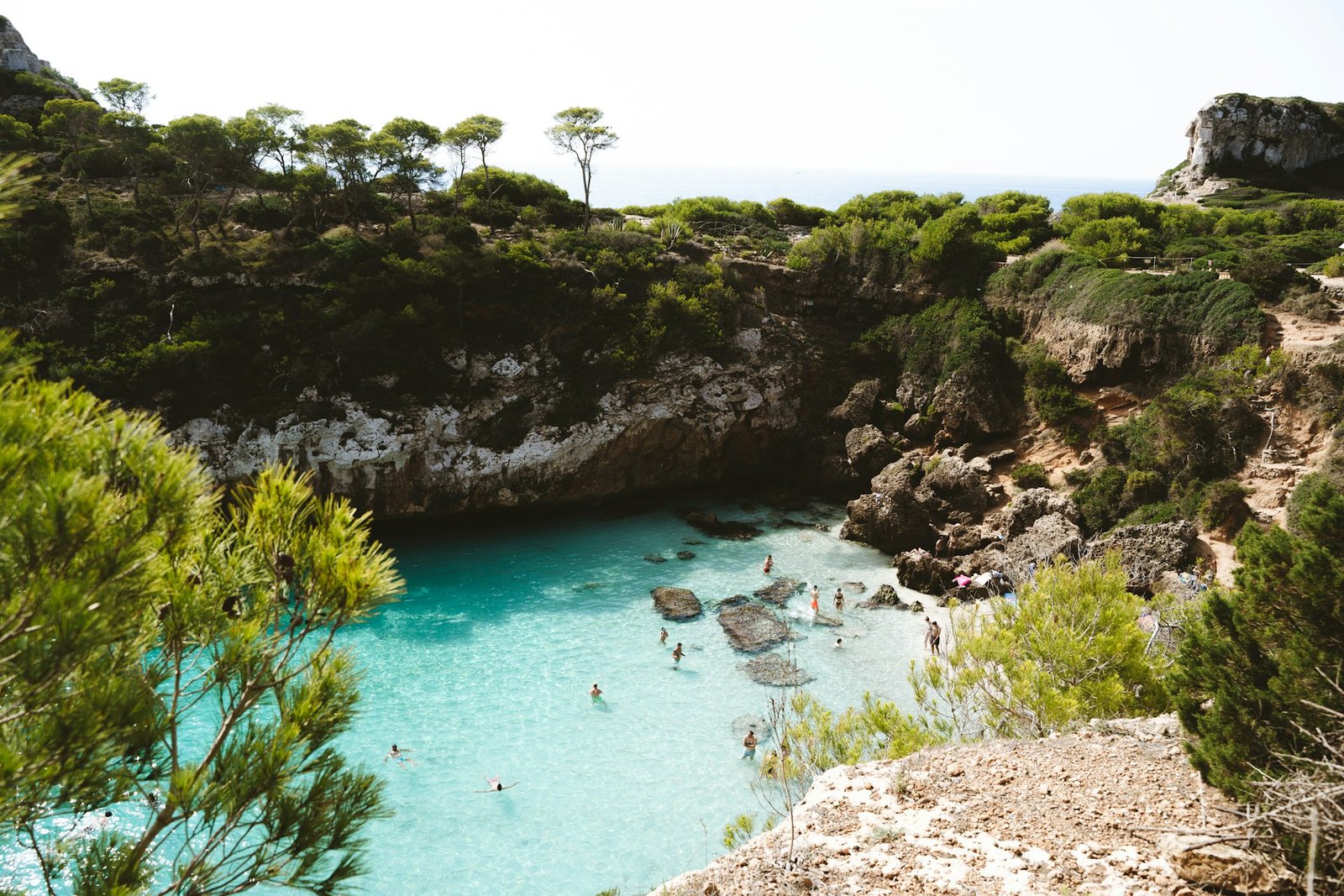
Tiny coves of turquoise water hidden between pine-covered cliffs, stone villages in the mountains, a vintage wooden train rattling through orange groves, a lighthouse at the end of a wild peninsula and a golden Gothic cathedral overlooking the sea: Mallorca is so much more than its party reputation.
The largest of Spain’s Balearic Islands is one of the most visited places in the Mediterranean, and it’s easy to see why. Its coastline is lined with dozens of beautiful beaches and calas, small coves with clear water. Its mountain range, the Serra de Tramuntana, is a UNESCO World Heritage Site, and its capital, Palma, is one of the most stylish cities in Spain.
Mallorca can be expensive in high summer, but it’s easy to visit on a budget. Flights from all over Europe are cheap, the best beaches are free, and with a rental car, a family-run guesthouse and lunch menus in village restaurants, you can enjoy the island without overspending. This guide shows you how.
Mallorca at a Glance
- Where: in the Mediterranean Sea, off the east coast of Spain
- Main airport: Palma de Mallorca (PMI), with direct flights from all over Europe
- Currency: euro (EUR)
- Entry: Mallorca is part of Spain and the Schengen Area. Many non-EU visitors can stay up to 90 days without a visa, but will need to register online with ETIAS once it starts. Check the current rules for your passport
- Languages: Spanish and Catalan. English and German are widely spoken in tourist areas
- Best time: May to June and September to October
- Budget: around $80 to $120 a day for budget travellers, $150 to $250 for a comfortable mid-range trip
When to Go
May, June, September and early October are the best months to visit. The weather is warm and sunny, the sea is pleasant for swimming from June, and the beaches and roads are much quieter than in high summer. Prices are also lower.
July and August are hot and very busy. The most famous coves are packed by mid-morning, and hotel prices are at their highest.
Spring, from March to May, is perfect for hiking, cycling and seeing the almond blossoms, which turn the countryside white and pink in February. Winter is mild and quiet, but many beach hotels close.
Our tip: visit in September, when the sea is at its warmest and the summer crowds have gone.
Where to Stay
Mallorca is about 100 km wide, and you can reach most places within an hour or so by car. Many visitors split their stay between two bases.
Palma and the West
Palma is a great base for city life, culture and day trips into the mountains. The villages of the Serra de Tramuntana, like Sóller and Valldemossa, are perfect for a quieter, more traditional stay.
The East and South
The east coast, around Cala d’Or, Santanyí and Cala Ratjada, has the most beautiful coves. Small towns inland, such as Santanyí, are often cheaper and more charming than the beach resorts.
Getting Around
The best way to explore Mallorca is with a rental car. Book early for summer, choose a small car for the narrow mountain roads and village streets, and be prepared to pay for parking at popular beaches.
There’s also a good bus network called TIB, which connects Palma with most towns and beaches, and the historic Sóller train. In summer, private cars are restricted on the road to Cap de Formentor during the day, so you’ll need to take the bus or go early in the morning.
Things to Do in Mallorca
Here are the experiences we think are worth your time and money.
1. Swim in the Coves of the Southeast
Mallorca’s southeast coast is famous for its calas, small, sheltered coves with white sand, turquoise water and pine trees growing right down to the rocks. They’re some of the most beautiful swimming spots in the Mediterranean.
The most famous is Caló des Moro, a tiny cove reached by a short walk from the parking area. It’s very popular, so come early in the morning or late in the afternoon. Nearby, Cala s’Almunia, Cala Llombards and the protected beaches of Mondragó Natural Park are just as beautiful. Bring snorkelling gear to explore the rocks.

2. Explore Palma
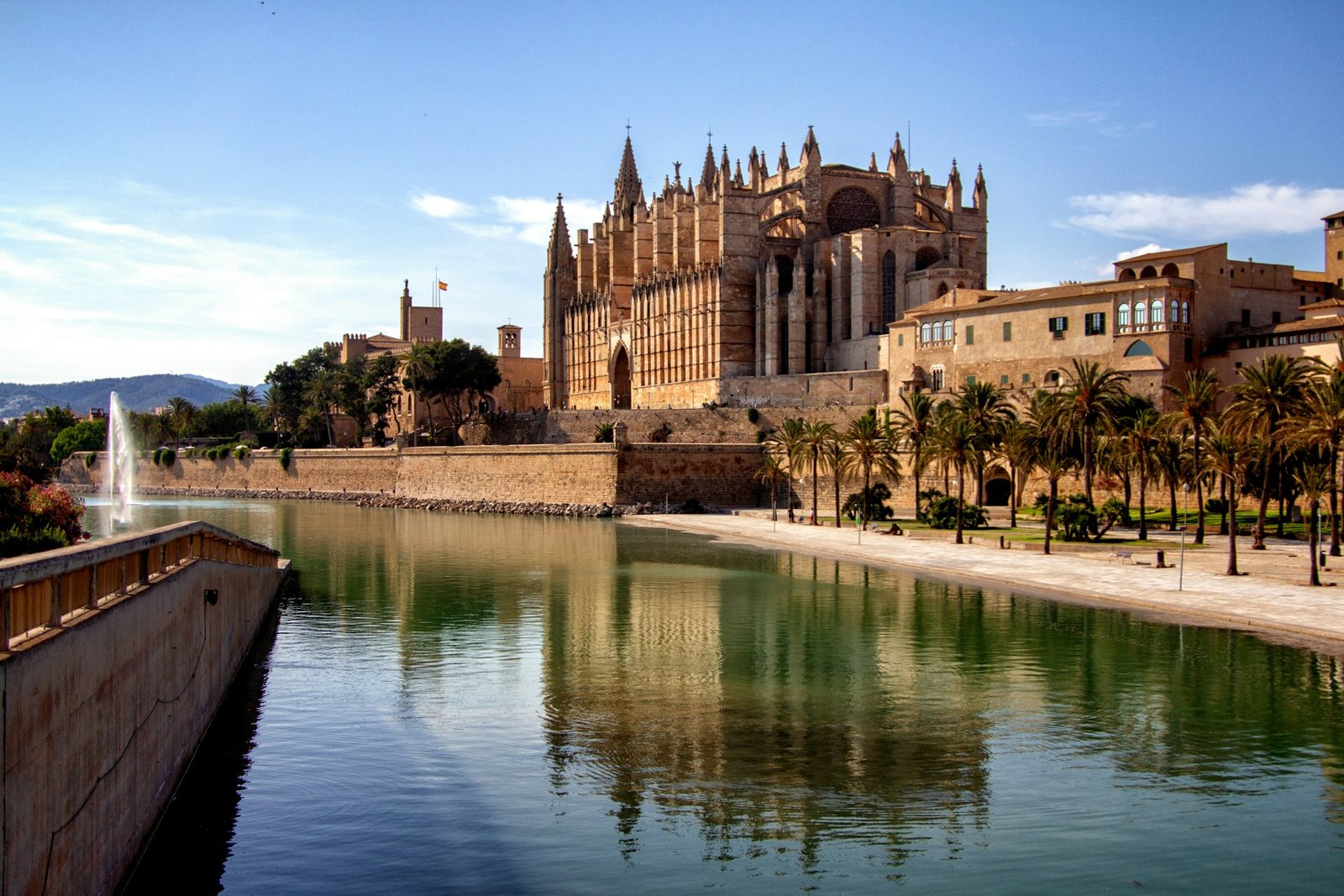
Palma is a lively, elegant city with a beautiful old town. Its landmark is the huge Gothic Cathedral of Santa Maria, known as La Seu, which rises above the sea wall. Inside, look for the colourful light from its giant rose window and the works by Antoni Gaudí.
Wander through the narrow streets of the old town, visit the Almudaina Palace and the circular Bellver Castle on a hill above the city, and eat tapas at the Mercat de l’Olivar food market. In the evening, the bars of the Santa Catalina neighbourhood are perfect for a drink.
3. Drive to Cap de Formentor
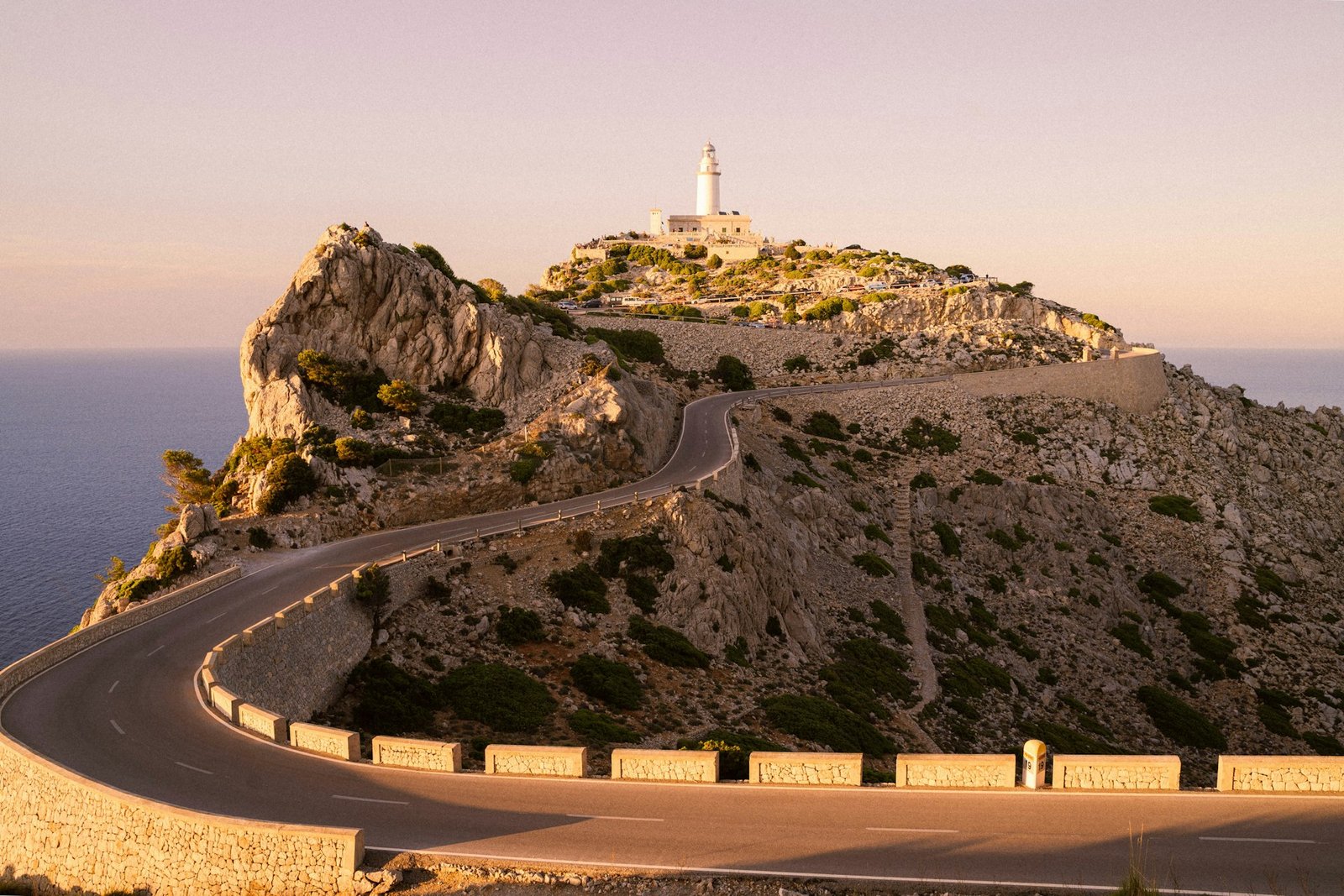
The Formentor peninsula in the far north is Mallorca’s most dramatic coastline. A narrow road winds along steep cliffs to the Formentor Lighthouse at the very tip of the island, with spectacular views of the sea on both sides.
Stop at the Mirador Es Colomer viewpoint and swim at the beautiful Formentor Beach, lined with pine trees. In summer, private cars are restricted during the day, so take the bus from Port de Pollença or drive early in the morning. The road is also popular with cyclists.
4. Visit Valldemossa and the Mountain Villages
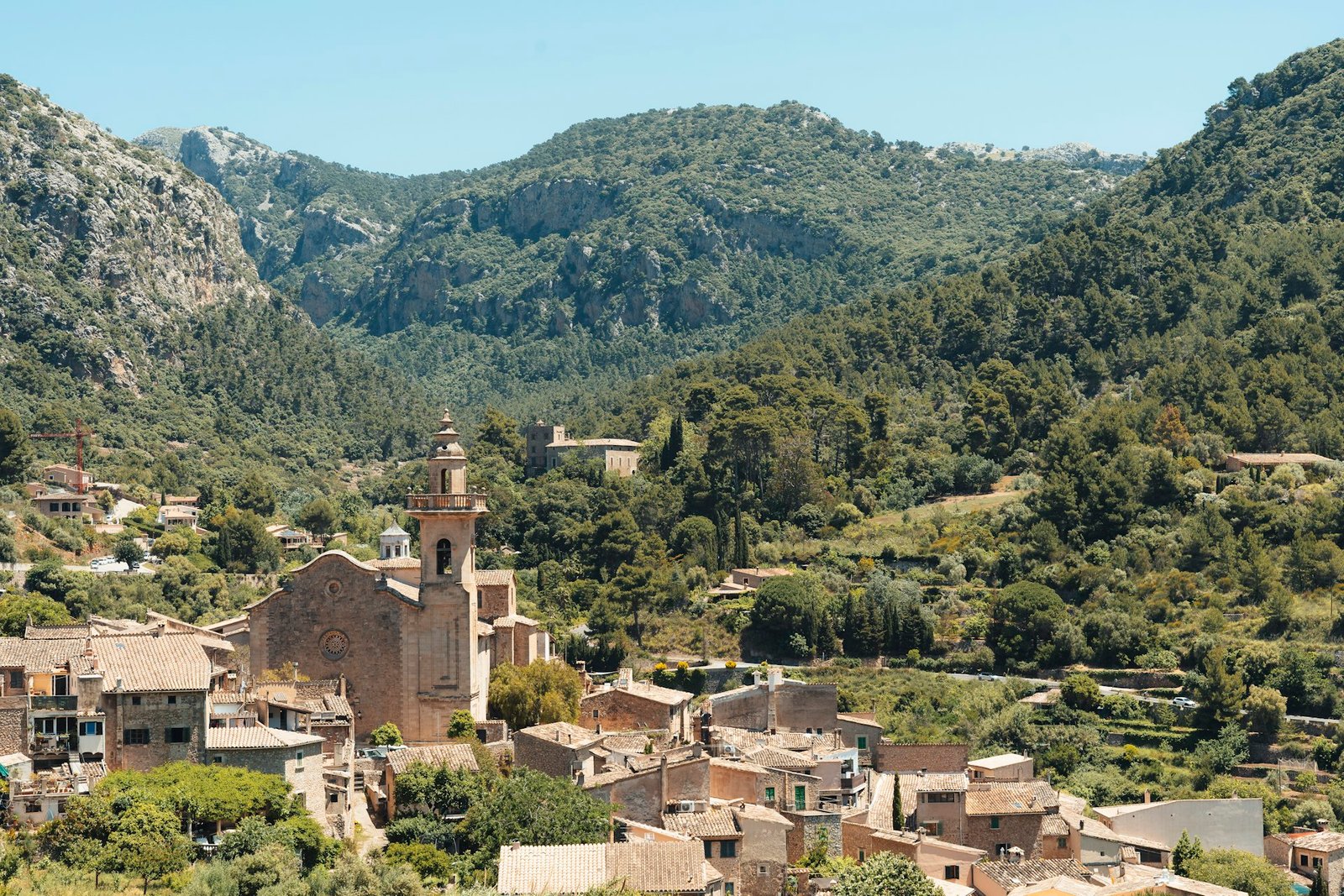
The Serra de Tramuntana is a range of rugged mountains along the northwest coast, dotted with olive groves, stone terraces and pretty villages. It was named a UNESCO World Heritage Site in 2011.
Valldemossa is the most famous village, with honey-coloured stone houses, flower-filled lanes and the Royal Carthusian Monastery, where the composer Frédéric Chopin spent a winter. Continue along the coast road to Deià, a beautiful village loved by artists, and the tiny harbour of Port de Valldemossa.
5. Ride the Vintage Train to Sóller
One of the most charming ways to see the mountains is on the Sóller train, a wooden vintage train that has run between Palma and Sóller since 1912. The journey takes about an hour, through tunnels, past orange and lemon groves, with views over the valley.
In Sóller, take the old tram down to Port de Sóller, a sheltered bay with a promenade and seafood restaurants. Tickets are on the pricier side, but it’s a unique experience. Try a fresh orange juice from the local oranges.
6. Hike in the Serra de Tramuntana
The Tramuntana is a paradise for hikers. The long-distance GR221, also called the Dry Stone Route, crosses the mountains along old paths used by charcoal makers and farmers, with mountain refuges for overnight stays.
For a day hike, try the walk from Deià to Sóller, along the coast and through olive groves, or the spectacular gorge of the Torrent de Pareis, which ends at the beach of Sa Calobra. The gorge is a demanding hike, so go with a guide if you’re not experienced, and never hike it after rain.
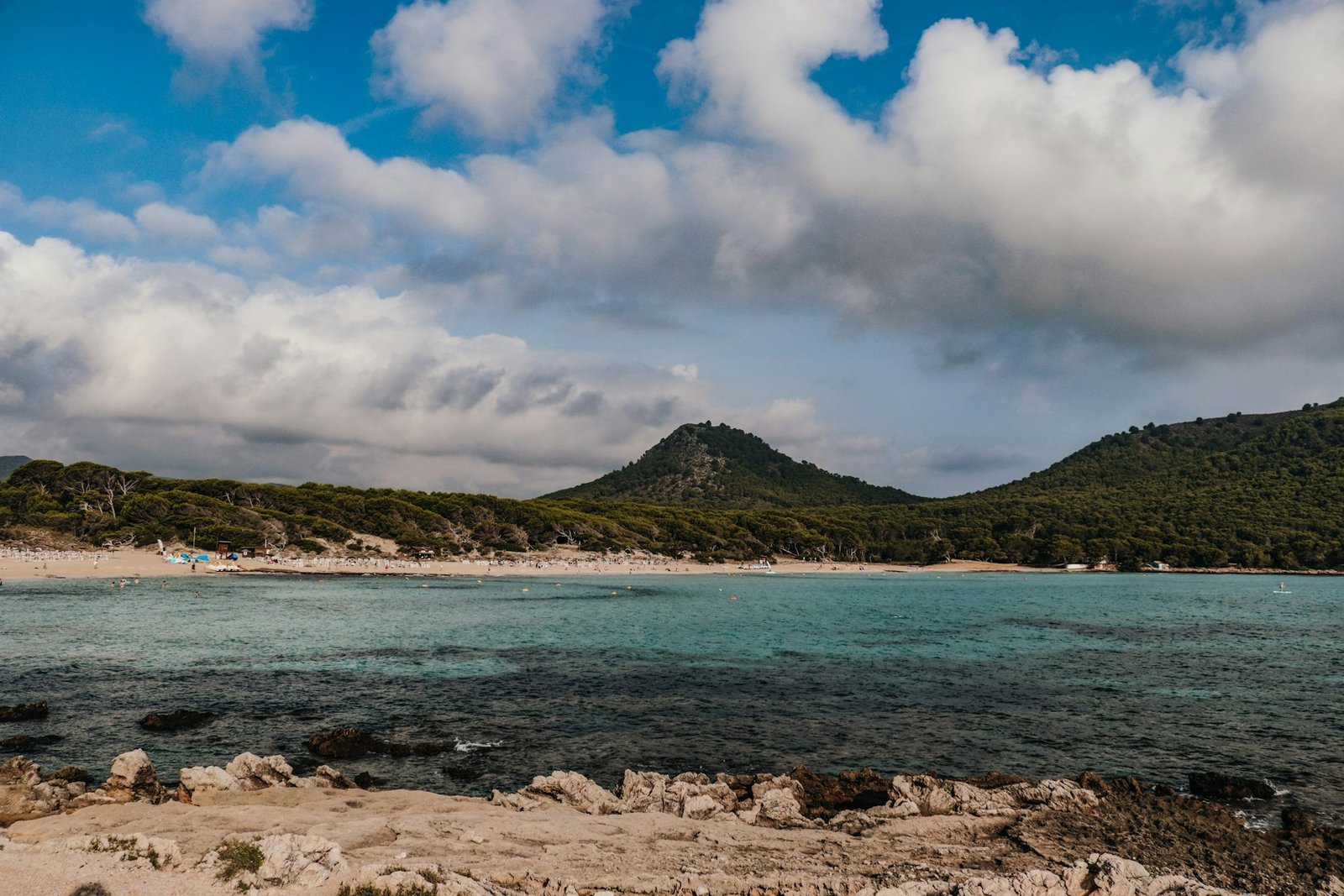
7. Relax at Cala Agulla
In the northeast, near the town of Cala Ratjada, Cala Agulla is one of Mallorca’s most beautiful beaches. Fine white sand, clear turquoise water and green hills behind it make it look almost tropical.
The beach is part of a protected area, with pine forests and walking trails along the coast. Walk to the smaller, quieter coves of Cala Moltó and Cala Mesquida nearby. Arrive early in summer, as parking fills up fast.
8. Take a Boat Trip Along the Coast
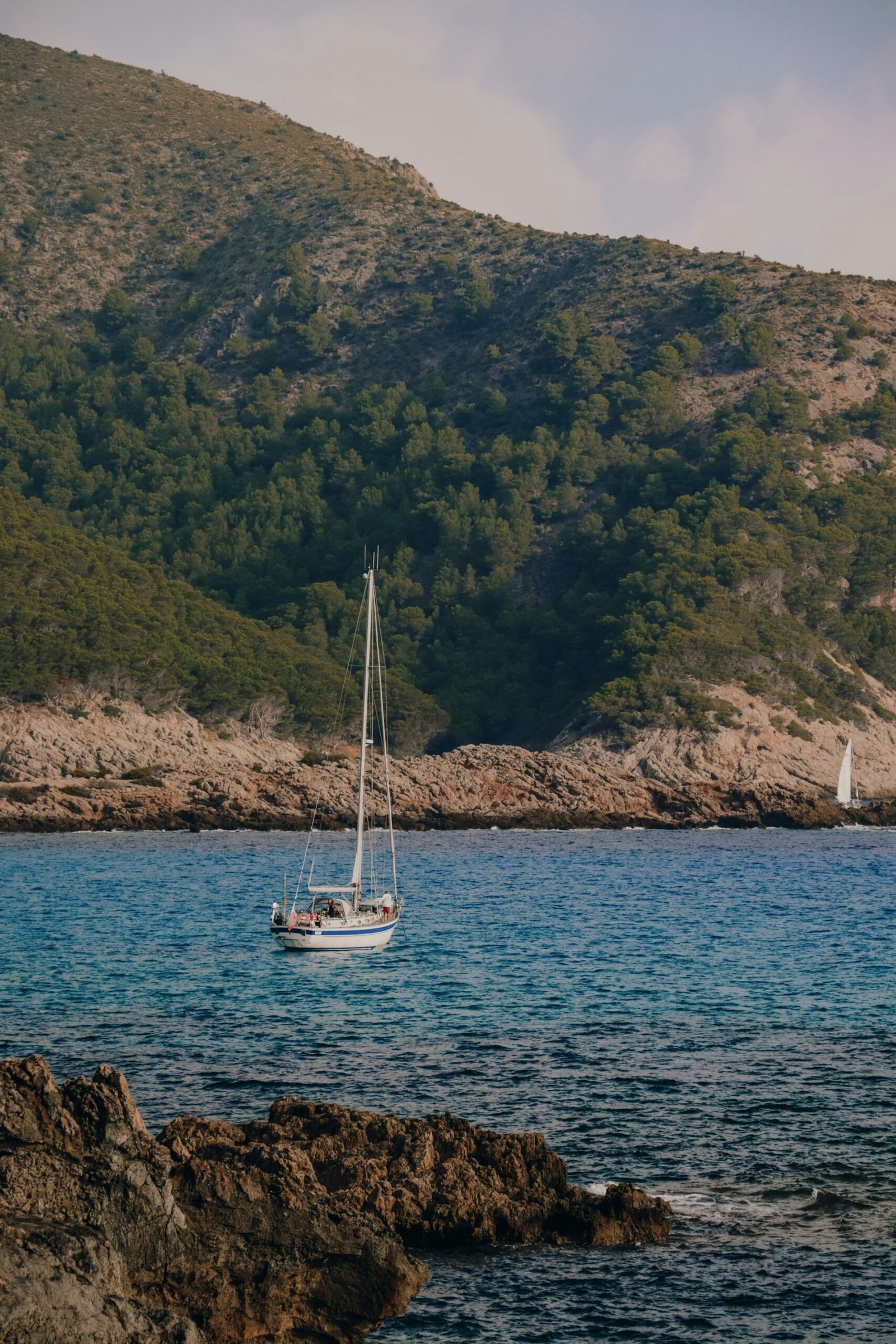
Many of Mallorca’s most beautiful coves can only be reached from the sea. A boat trip or a day on a sailing boat is a great way to discover hidden beaches, sea caves and clear water for snorkelling.
Boat trips leave from most harbours, including Port de Sóller, Port de Pollença and Cala d’Or. For more freedom, rent a small motorboat, some of which don’t need a licence. A sunset sailing trip from Palma Bay is also a highlight.
9. Explore the Caves of Drach
Near Porto Cristo on the east coast, the Cuevas del Drach are a series of huge caves full of stalactites and stalagmites. At the end of the tour, you’ll sit beside Lake Martel, one of the largest underground lakes in the world.
The highlight is a short classical music concert, played by musicians in illuminated boats floating across the lake. Tickets are reasonably priced, and it’s a great option for a cloudy day. Book in advance in summer.
10. Discover Es Trenc Beach
In the south, Es Trenc is one of the last long, wild beaches on the island. Its soft white sand and shallow turquoise water stretch for several kilometres, backed by dunes and salt flats where flamingos sometimes gather.
There are no hotels on the beach, just a few simple beach bars. Bring water, food and an umbrella, as there’s little shade. Nearby, the Salines de Llevant salt flats produce the famous Flor de Sal, a good souvenir to take home.
Where to Stay on a Budget
Mallorca has options for every budget:
- Fincas and agroturismos: country houses and farm stays, often with a pool and breakfast with local produce
- Hostels and guesthouses: good value in Palma and some smaller towns
- Apartments: a great choice for families and longer stays, with a kitchen to save money on food
- Village hotels: charming small hotels in Sóller, Valldemossa and Santanyí
Book early for July and August. Note that a small tourist tax is added per person and night.
Eating on a Budget
Mallorcan food is simple, rustic and delicious:
- Pa amb oli: bread with olive oil, tomato, cheese and ham, a classic lunch
- Ensaïmada: a light, spiral-shaped pastry dusted with sugar, perfect for breakfast
- Sobrassada: a soft, spicy sausage spread on bread
- Tumbet: layers of potato, aubergine and peppers baked in tomato sauce
- Fresh seafood: grilled fish and rice dishes in the harbour towns
Look for the menú del día, a fixed-price lunch menu offered by many restaurants on weekdays, and shop at local markets for picnic food.
What It Really Costs
Here’s a realistic daily budget per person for a comfortable mid-range trip in June or September, not counting flights.
- Accommodation: $50 to $110 per person, sharing a double room in a guesthouse, finca or apartment
- Food: $35 to $60 a day, mixing picnics, lunch menus and restaurant dinners
- Transport: $20 to $40 a day per person, including a rental car shared by two, fuel and parking
- Activities: budget for the highlights separately: the Sóller train, a boat trip, the Caves of Drach and entry to Palma Cathedral
That works out to around $150 to $250 per person per day. Avoiding July and August, staying inland and eating lunch menus can bring that down noticeably.
A Sample 7-Day Itinerary
Day 1: Arrive in Palma and explore the cathedral and the old town.
Day 2: Vintage train to Sóller and the tram to Port de Sóller.
Day 3: Valldemossa and Deià, then a coastal hike in the Tramuntana.
Day 4: Drive to Cap de Formentor early in the morning and swim at Formentor Beach.
Day 5: Cala Agulla and the coves around Cala Ratjada.
Day 6: The Caves of Drach, then Caló des Moro and the southeast coves.
Day 7: A morning at Es Trenc, then fly home from Palma.
Practical Tips
- Arrive early at popular coves and viewpoints to find parking and space
- Rent a small car, as roads in the mountains and villages are narrow
- Check the Formentor road rules before you go in summer
- Bring water shoes for rocky coves and snorkelling
- Book the Sóller train and Caves of Drach in advance in high season
- Respect the coves: take your rubbish with you and don’t leave anything on the beach
Booking Tips
- Airport transfer: if you don’t rent a car at the airport, book an airport transfer with Kiwitaxi from Palma airport to your hotel anywhere on the island, with a fixed price and a driver waiting for you
- eSIM: if you’re coming from outside the EU, install a Yesim eSIM before you fly, so you have data for maps, bus times and tour bookings in Mallorca from the moment you land
- Tours: popular options include tickets for the Caves of Drach, the vintage train to Sóller, a boat trip along the coast and a guided hike in the Serra de Tramuntana. You can compare and book most of them on Klook
Final Thoughts
Mallorca is one of the most beautiful islands in Europe. Swim in the turquoise coves of the southeast, explore the old streets of Palma, ride the vintage train to Sóller, wander through Valldemossa and watch the sunset from the cliffs of Formentor.
Travel in spring or autumn, rent a car and take your time. Away from the crowds, Mallorca is a peaceful island of mountains, villages and hidden beaches waiting to be discovered.
Prices checked in October 2026. Costs and opening times change, so always confirm before you book.
Leave a Reply