
Just a short flight from Europe, Morocco feels like another world. Snake charmers and storytellers fill the great square of Marrakech, donkeys carry goods through the thousand-year-old alleys of Fes, a whole town is painted in shades of blue in the Rif Mountains, and beyond the snowy peaks of the Atlas lie the golden dunes of the Sahara.
It’s a country that awakens all your senses: the smell of spices and mint tea, the call to prayer echoing over the rooftops, the colours of the souks and the silence of the desert at night. It can be overwhelming at times, but it’s also incredibly rewarding, and the hospitality of Moroccan people is legendary.
Morocco is also great value. A night in a beautiful traditional riad often costs less than a basic hotel in Europe, and a delicious tagine costs only a few dollars. This guide shows you the best route, the experiences that are really worth it and what a trip will actually cost.
Morocco at a Glance
- Where: northwest Africa, just across the Strait of Gibraltar from Spain
- Main airports: Marrakech (RAK), Fes (FEZ), Casablanca (CMN) and Tangier (TNG)
- Currency: Moroccan dirham (MAD). One US dollar is roughly 9 to 10 dirhams
- Entry: citizens of the EU, the UK, the US, Canada, Australia and many other countries can visit without a visa for up to 90 days. Always check the current rules for your passport
- Languages: Arabic and Berber (Tamazight). French is widely spoken, and English is common in tourist areas
- Best time: March to May and September to November
- Budget: around $40 to $60 a day for budget travellers, $70 to $130 for a comfortable mid-range trip
When to Go
Spring (March to May) and autumn (September to November) are the best times to visit. The weather is warm and sunny, but not too hot, and it’s perfect for exploring the cities, hiking in the mountains and visiting the desert.
Summer (June to August) is very hot in Marrakech, Fes and especially the Sahara, where temperatures can reach 45 degrees Celsius. The coast, including Essaouira, stays pleasantly cool.
Winter (December to February) is mild and sunny in the cities during the day, but nights are cold, especially in the desert and the mountains. The High Atlas is often covered in snow.
The dates of Ramadan change every year. Travelling during Ramadan is possible and can be a special experience, but some restaurants close during the day and opening hours change.
Our tip: travel in April, May, October or early November for the best weather across the whole country.
Getting Around
- Trains: Morocco has a good rail network, including Africa’s first high-speed train, Al Boraq, between Tangier and Casablanca. Trains connect Marrakech, Casablanca, Rabat, Fes and Tangier
- Buses: CTM and Supratours run comfortable, reliable long-distance buses to places the train doesn’t reach, like Chefchaouen and Essaouira
- Grand taxis: shared taxis that travel between towns and leave when they’re full
- Tours: the easiest way to visit the Sahara is on a multi-day tour from Marrakech or Fes
- Private driver: a comfortable option for the desert and mountain roads if you’re travelling as a couple or a group
Things to Do in Morocco
Here are the experiences we think are worth your time and money.
1. Get Lost in the Souks of Marrakech
Marrakech is a city that never seems to sleep. Its heart is Jemaa el-Fnaa, a huge square that changes throughout the day. In the morning, it’s full of orange juice stalls and snake charmers. In the evening, dozens of food stalls fill the air with smoke, and musicians, storytellers and acrobats draw crowds until late at night.
From the square, the souks spread out in a maze of narrow alleys, where you can buy spices, lanterns, carpets, leather and ceramics. Bargaining is expected, so start at around a third to a half of the first price and stay friendly. Also visit the Bahia Palace, the Koutoubia Mosque (from the outside) and the beautiful blue Jardin Majorelle, which is on the pricier side but very beautiful.

2. Stay in a Riad and Visit a Hammam
A riad is a traditional Moroccan house built around a peaceful inner courtyard, often with a fountain, orange trees and a rooftop terrace. Staying in one is a highlight of any trip, and many riads are surprisingly affordable.
After a day in the souks, relax in a hammam, a traditional steam bath. Local public hammams are very cheap and a real cultural experience. Spa hammams in riads and hotels are more expensive but more comfortable, with a full scrub and massage using black soap and argan oil.
3. Hike in the High Atlas Mountains
Less than two hours from Marrakech, the High Atlas Mountains are home to Berber villages, terraced fields and snowy peaks. The village of Imlil is the base for day hikes and for climbing Jebel Toubkal, North Africa’s highest mountain at 4,167 metres, usually done in two days with a guide.
For an easier day trip, walk through the Ourika Valley to its waterfalls, or join a guided hike between villages with lunch in a local home. The region was hit by an earthquake in 2023, and many villages have been rebuilding since. Visiting with local guides is a great way to support them.
4. Explore the Kasbah of Aït Benhaddou
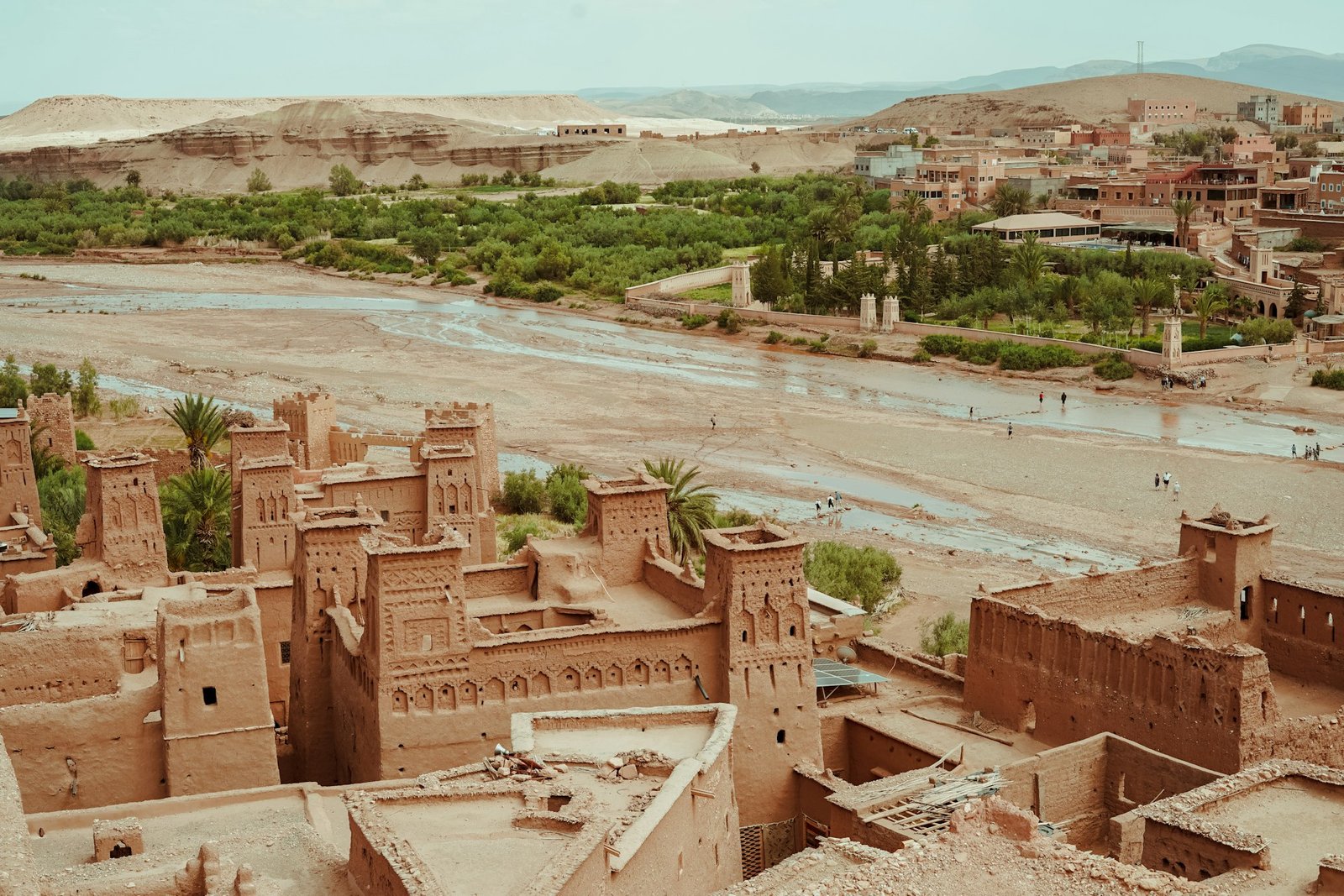
On the old caravan route between the Sahara and Marrakech, Aït Benhaddou is a fortified village of clay houses climbing up a hill. It’s a UNESCO World Heritage Site and one of the most photographed places in Morocco. You may recognise it from films like “Gladiator” and the series “Game of Thrones”.
Walk across the river, wander through the narrow lanes and climb up to the old granary at the top for a wonderful view, especially at sunset. Most desert tours from Marrakech stop here on the way, after crossing the High Atlas on the spectacular Tizi n’Tichka Pass.
5. Ride a Camel into the Sahara
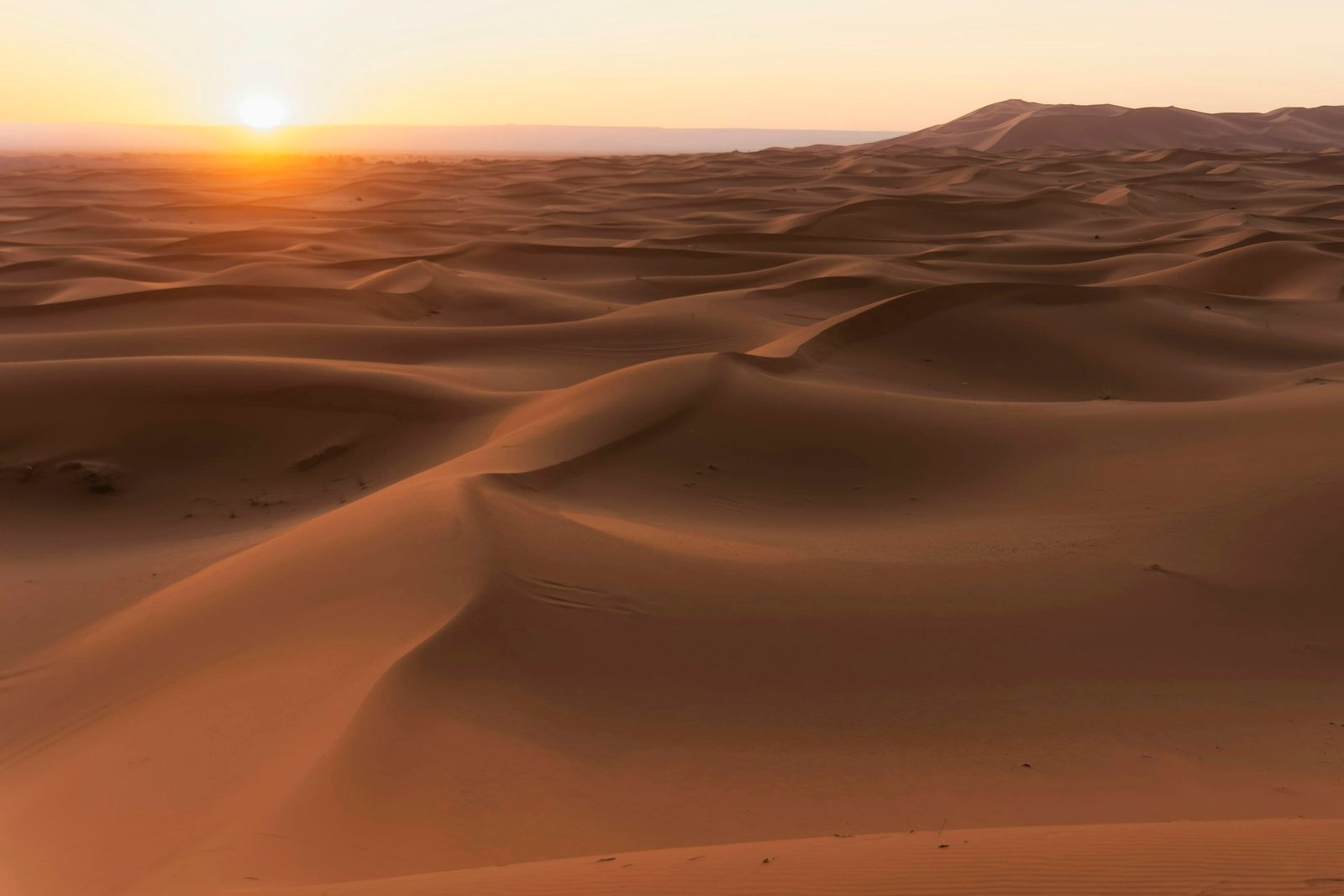
For many travellers, a night in the Sahara is the highlight of their trip. Near the village of Merzouga, the golden dunes of Erg Chebbi rise up to 150 metres high, glowing orange and red at sunrise and sunset.
Ride a camel into the dunes in the late afternoon, watch the sun set from the top of a dune and spend the night in a desert camp. Camps range from simple tents to luxury camps with private bathrooms. After dinner, local Berber musicians play drums around the fire under a sky full of stars.
The most common way to get there is a three-day tour from Marrakech or Fes. It’s a long drive, but the scenery along the way is spectacular. Tours range from budget to mid-range in price, depending on the camp.
6. Walk the Dunes and Watch the Stars
Don’t just ride through the desert. Get up early and climb a dune for the sunrise, when the silence is total and the sand changes colour by the minute. Try sandboarding down the dunes, or take a 4×4 tour around Erg Chebbi to visit nomad families and the small village of Khamlia, known for its Gnawa music.
At night, the desert is one of the best places in the world for stargazing, far from any city lights. Bring warm clothes, as the desert gets surprisingly cold after dark.

7. Drive Through the Todra and Dades Gorges
On the way to or from the Sahara, the road passes some of Morocco’s most dramatic landscapes. In the Todra Gorge, red rock walls rise up to 300 metres high on both sides of a narrow river canyon. You can walk through the gorge and hike up into the surrounding hills.
Nearby, the Dades Valley is known for its strange rock formations and the famous winding road of switchbacks that climbs up the side of the valley. Many desert tours stop here for the night.
8. Explore the Ancient Medina of Fes
Fes el-Bali, the old medina of Fes, is one of the largest car-free urban areas in the world and a UNESCO World Heritage Site. Its around 9,000 narrow alleys are a living medieval city, where craftsmen still work as they have for centuries and donkeys carry goods through the streets.
The most famous sight is the Chouara Tannery, where leather is dyed in huge stone vats of colour. You’ll watch it from the terraces of the surrounding leather shops, which will hand you a sprig of mint for the smell. Also visit the Al-Qarawiyyin mosque and university, one of the oldest in the world (from the outside), and the beautiful Bou Inania Madrasa.
The medina is easy to get lost in, so consider hiring an official guide for your first half-day.
9. Wander Through the Blue Streets of Chefchaouen
High in the Rif Mountains, Chefchaouen is one of the most beautiful towns in Morocco. Almost every wall, door and staircase in its old medina is painted in shades of blue, creating a dreamlike atmosphere. It’s also much calmer and more relaxed than the big cities.
Wander through the blue alleys, sit in the main square, Plaza Uta el-Hammam, and walk up to the Spanish Mosque on the hill for a view over the town at sunset. For a day trip, hike to the waterfalls and natural pools of Akchour.

10. Relax by the Sea in Essaouira
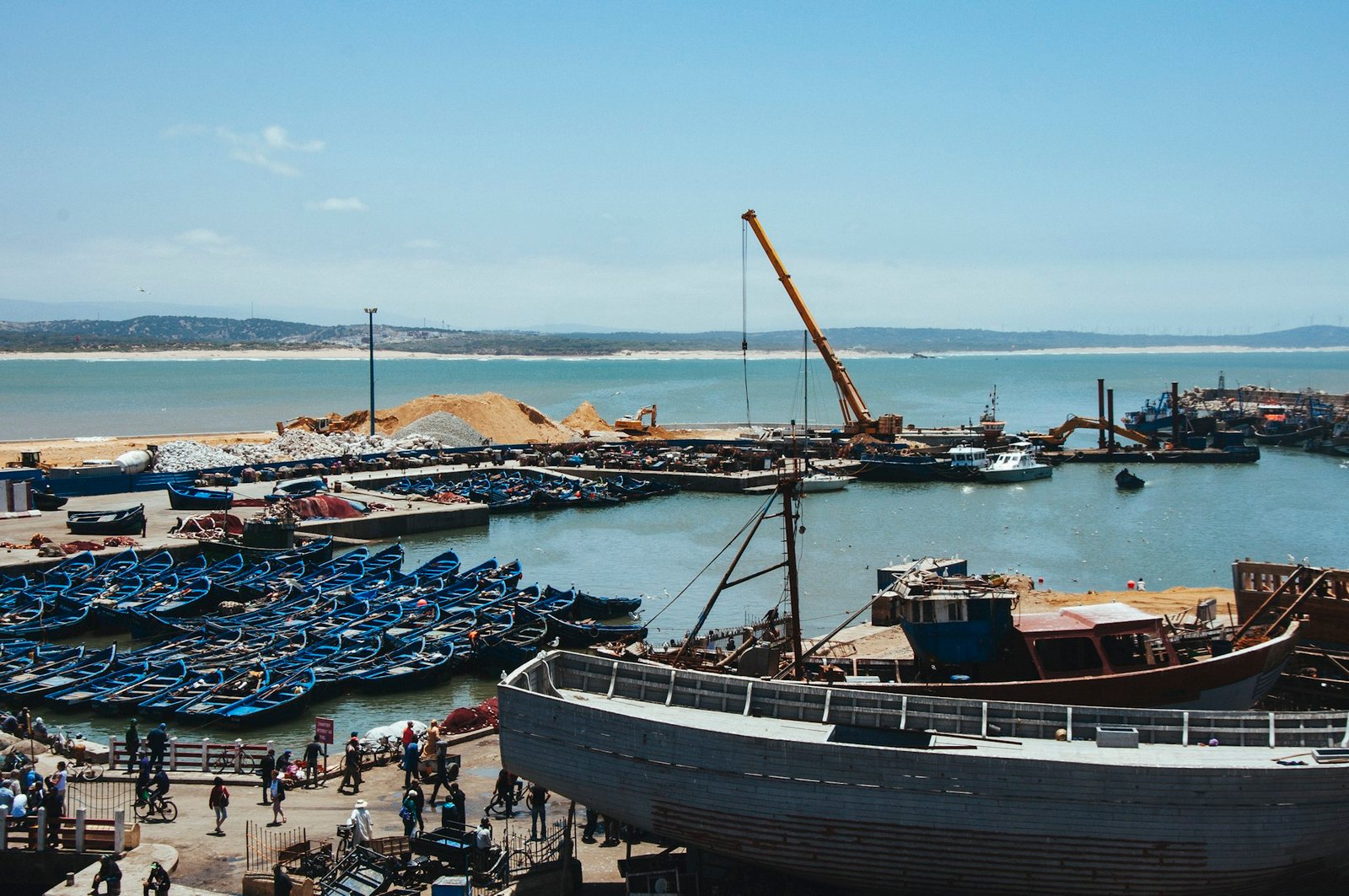
On the Atlantic coast, about three hours from Marrakech, Essaouira is a breezy, laid-back town with whitewashed houses, blue shutters and thick sea walls. It’s the perfect place to slow down after the busy cities.
Walk along the ramparts, watch the fishermen bring in their catch in the harbour, full of blue wooden boats, and eat freshly grilled fish at the port. The constant wind makes Essaouira one of the best places in Morocco for kitesurfing and windsurfing, with lessons for beginners at fair prices.
Where to Stay on a Budget
Morocco has wonderful accommodation at very fair prices:
- Riads: traditional houses with a courtyard, ranging from simple and affordable to luxurious. The best choice in Marrakech, Fes and Chefchaouen
- Hostels: found in all the main cities, often in beautiful old riads with rooftop terraces
- Guesthouses (maisons d’hôtes): family-run places in the mountains and smaller towns
- Desert camps: booked as part of a tour, from simple to luxury
Many riads include a delicious Moroccan breakfast in the price.
Eating on a Budget
Moroccan food is one of the best things about the country:
- Tagine: meat or vegetables slow-cooked in a clay pot with spices, olives and preserved lemon
- Couscous: traditionally served on Fridays, steamed and topped with vegetables and meat
- Harira: a hearty soup of tomatoes, lentils and chickpeas, especially popular during Ramadan
- Street food: try the food stalls on Jemaa el-Fnaa, fresh msemen (flaky pancakes) for breakfast and grilled meat sandwiches
- Mint tea: sweet green tea with fresh mint, served everywhere as a sign of hospitality
Local restaurants and food stalls are much cheaper than tourist restaurants. Alcohol is only available in some hotels, bars and shops.
What It Really Costs
Here’s a realistic daily budget per person for a comfortable mid-range trip, not counting flights.
- Accommodation: $25 to $60 per person, sharing a double room in a good riad
- Food: $15 to $30 a day, eating mostly local food with the occasional nicer restaurant
- Transport: $10 to $25 a day on average, including trains, buses and taxis
- Activities: budget for the highlights separately: a three-day Sahara tour, a hammam, a guided tour of the Fes medina and entrance fees to palaces and gardens
That works out to around $70 to $130 per person per day. Backpackers can travel comfortably for much less.
A Sample 12-Day Itinerary
Days 1 to 3: Marrakech. Jemaa el-Fnaa, the souks, the Bahia Palace, the Jardin Majorelle and a hammam.
Day 4: Day trip to the High Atlas and Imlil.
Days 5 to 7: Three-day desert tour: the Tizi n’Tichka Pass, Aït Benhaddou, the Dades Valley, the Todra Gorge and a night in a desert camp in Merzouga, ending in Fes.
Days 8 to 9: Fes. The medina, the tanneries and the madrasas.
Days 10 to 11: Chefchaouen. The blue medina, the Spanish Mosque and a day trip to Akchour.
Day 12: Travel to Tangier and fly home, or take the ferry to Spain.
If you have more time, add two or three days in Essaouira at the start or end of your trip.
Practical Tips
- Dress modestly: cover your shoulders and knees, especially in the medinas and rural areas
- Watch out for fake guides: politely say no to people who offer to show you the way, and use official guides or ask your riad for directions
- Always ask before taking photos of people, and expect to give a small tip if they agree
- Bargain with a smile in the souks, but not in shops with fixed prices
- Carry cash: many small shops, taxis and restaurants don’t take cards
- Drink bottled water and be careful with salads and unpeeled fruit in the first few days
Booking Tips
- Airport transfer: book an airport transfer with Kiwitaxi from Marrakech airport to your riad, with a fixed price and a driver who knows where to drop you, as cars can’t enter the narrow lanes of the medina
- eSIM: install a Yesim eSIM before you fly, so you have data for maps in the maze of the medina and messages in Morocco from the moment you land
- Tours: popular options include a Sahara desert tour from Marrakech, an Atlas Mountains day trip, a Marrakech food tour and a day trip to Essaouira. You can compare and book most of them on Klook
Final Thoughts
Morocco is a country of colours, flavours and contrasts. Lose yourself in the souks of Marrakech, sleep under the stars in the Sahara, wander through the blue alleys of Chefchaouen and drink mint tea on a rooftop as the call to prayer echoes over the medina.
Travel in spring or autumn, stay in riads, eat where the locals eat and keep a sense of humour when the medina gets overwhelming. Morocco will stay with you long after you’ve gone home.
Prices checked in October 2026. Costs and opening times change, so always confirm before you book.
Leave a Reply