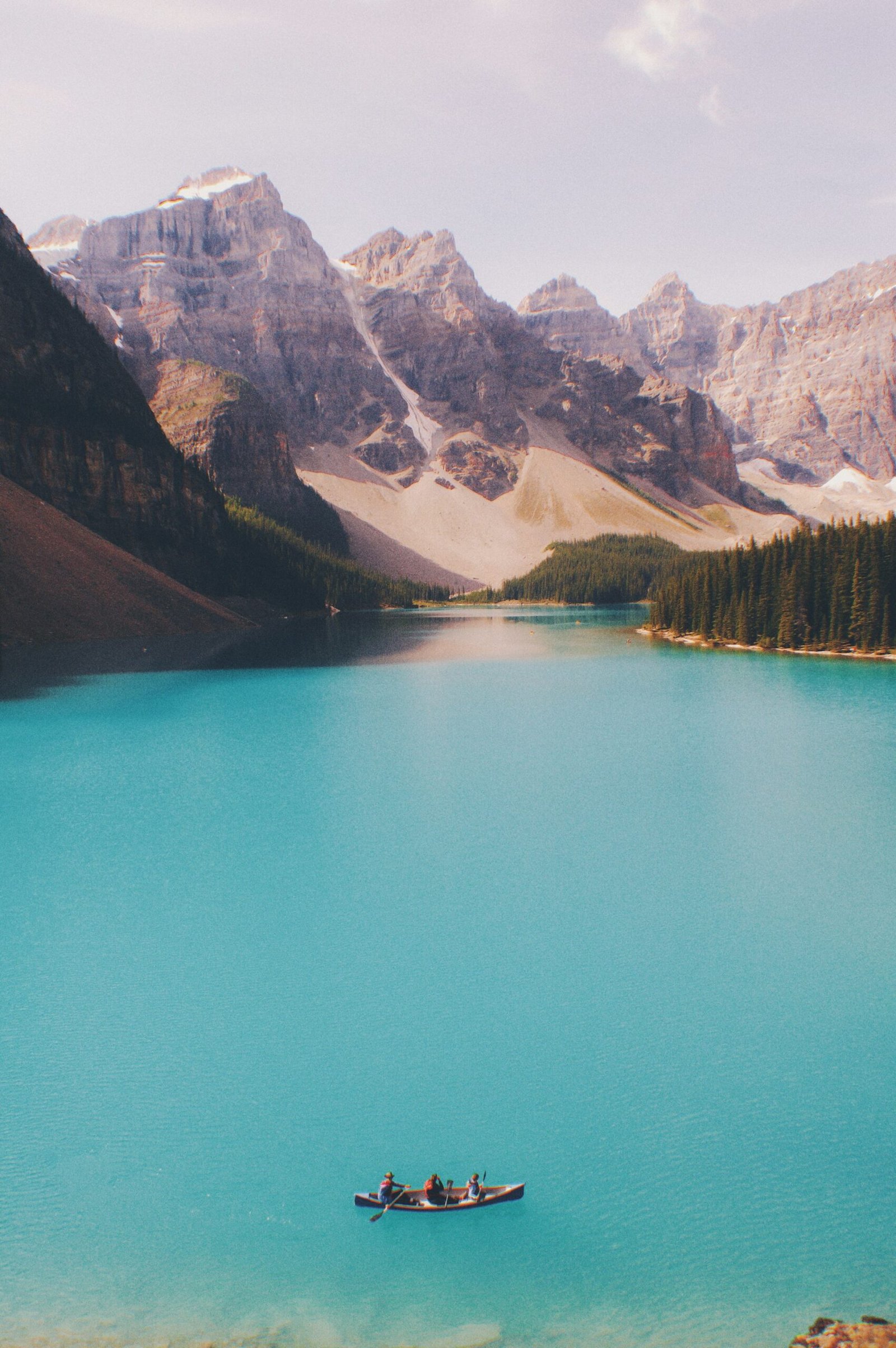
Some places look so perfect in photos that you expect to be disappointed when you see them in real life. The Canadian Rockies are the opposite. The lakes really are that impossible shade of turquoise, the mountains really do rise straight out of the forest, and there really are elk wandering through town and bears grazing by the side of the road.
The heart of the region is Banff and Jasper National Parks in the province of Alberta, connected by one of the most beautiful roads on earth, the Icefields Parkway. Together with neighbouring Yoho and Kootenay, they form a UNESCO World Heritage Site.
The Rockies aren’t a cheap destination, especially in summer. But with good planning, a few smart choices and the right timing, you can see the very best of them without blowing your budget. This guide shows you how.
The Canadian Rockies at a Glance
- Where: western Canada, mainly in the province of Alberta, on the border with British Columbia
- Main airport: Calgary (YYC), about 90 minutes by car from Banff. Edmonton (YEG) is closer to Jasper
- Currency: Canadian dollar (CAD). One US dollar is roughly 1.35 to 1.40 Canadian dollars
- Entry: most visitors who don’t need a visa must apply online for an eTA before flying to Canada. US citizens don’t need one. Check the official rules for your passport
- Park pass: you need a national park pass for every day you’re in the parks. If you’re staying a week or more, the annual Parks Canada Discovery Pass is usually better value
- Best time: mid-June to mid-September for hiking and lakes, late September for golden larches, December to March for skiing
- Budget: around $90 to $130 a day for budget travellers, $180 to $300 for a comfortable mid-range trip
When to Go
July and August are peak season. The weather is warm, all the roads and trails are open and the lakes are at their most turquoise. It’s also very busy, and accommodation prices are at their highest.
June is quieter, but many high trails are still covered in snow and some lakes are only just thawing. Moraine Lake, for example, often stays frozen until early June.
September is our favourite month. The crowds thin out, the air is crisp and clear, and in the second half of the month the larch trees turn bright gold, a spectacle that draws photographers from all over the world.
Winter turns the Rockies into a snowy wonderland, with excellent skiing at Lake Louise, Sunshine Village and Marmot Basin, ice skating on frozen lakes and frozen waterfalls. Many summer roads and attractions close, and the Icefields Parkway can be dangerous in winter weather.
Our tip: travel in the first three weeks of September. You’ll get good weather, open trails, fewer crowds and lower prices.
Where to Stay
Banff and Canmore
The town of Banff is the main base, with plenty of hotels, restaurants and shops right inside the national park. It’s lively, walkable and full of character, but also expensive.
Canmore, just outside the park gates, is about 20 minutes from Banff. Accommodation is often noticeably cheaper, and the mountain views are just as good. It’s our top tip for travellers on a budget.
Lake Louise
The tiny village of Lake Louise is about 45 minutes from Banff. There are only a few places to stay, and they fill up quickly, but staying here puts you closest to Lake Louise and Moraine Lake.
Jasper
Jasper is smaller, quieter and wilder than Banff, and it’s surrounded by an enormous national park full of wildlife. A large wildfire in 2024 damaged parts of the town and the surrounding forest. Jasper has reopened and is welcoming visitors again, but check for any closures before you go.
Getting Around
The best way to explore the Rockies is with a rental car from Calgary. The roads are excellent and well signposted, and you’ll want the freedom to stop at viewpoints and trailheads.
At the most popular spots, though, parking is limited and expensive. Moraine Lake Road is now closed to private vehicles, so you’ll need to take the Parks Canada shuttle, the public Roam Transit buses or a commercial tour. Book shuttle seats online well in advance, as they sell out fast in summer.
Without a car, Roam Transit connects Banff, Canmore and Lake Louise, and tour companies offer day trips along the Icefields Parkway.
Things to Do in the Canadian Rockies
Here are the experiences we think are worth your time and money.
1. Paddle a Canoe on Moraine Lake
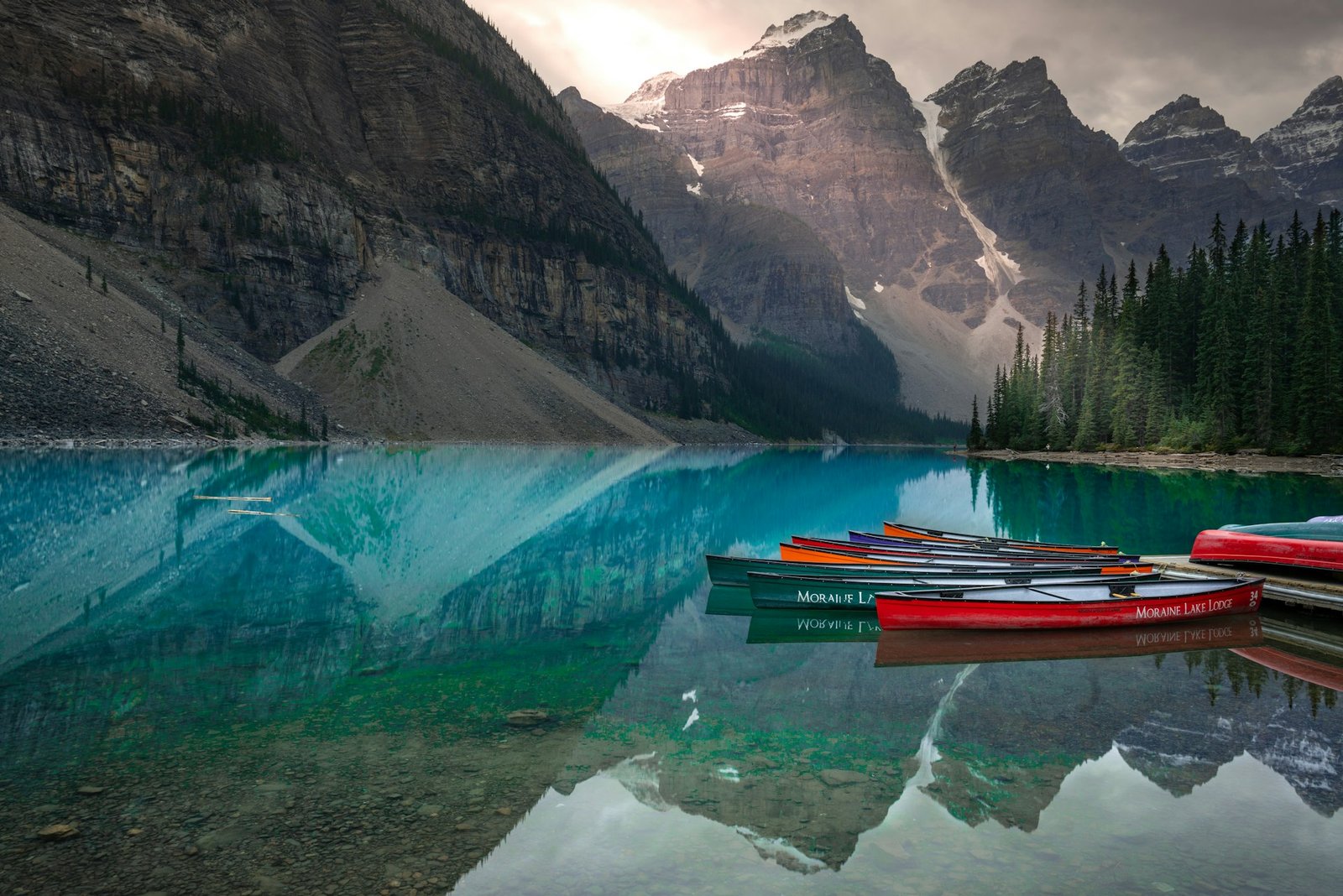
Moraine Lake is one of the most beautiful lakes in the world. Surrounded by the jagged peaks of the Valley of the Ten Peaks, its water glows a bright blue-green thanks to fine rock flour carried in by glaciers.
For the classic view, climb the short trail up the Rockpile at the end of the lake. Then rent a canoe and paddle out onto the water. It’s a splurge, but gliding across that impossible colour with the mountains towering above you is something you’ll never forget. Go early in the morning, when the water is calm and the light is soft.
The road to Moraine Lake is usually only open from early June to mid-October.
2. See Lake Louise and Hike to a Teahouse
Lake Louise is the most famous lake in the Rockies, with Victoria Glacier hanging above its emerald water and the grand Fairmont Château at its shore. You can rent a canoe here too, or simply walk along the flat lakeshore trail.
For the best experience, hike up to one of the historic teahouses. The Lake Agnes Teahouse is about 3.5 km uphill through the forest, past the small Mirror Lake. The Plain of Six Glaciers Teahouse is a little longer, with views right up to the glaciers. Both serve tea, soup and homemade cake, brought up by hand or by horse. Bring cash.

3. Drive the Icefields Parkway
The Icefields Parkway runs for 232 km between Lake Louise and Jasper, past more than 100 glaciers, turquoise lakes, waterfalls and towering peaks. It’s often called one of the most beautiful drives in the world, and it lives up to the name.
You could drive it in about three and a half hours without stopping, but you’ll want a whole day. There’s almost no mobile phone signal and only one petrol station along the way, at Saskatchewan Crossing, so fill up the tank before you leave and bring food and water.

4. Look Down on Peyto Lake
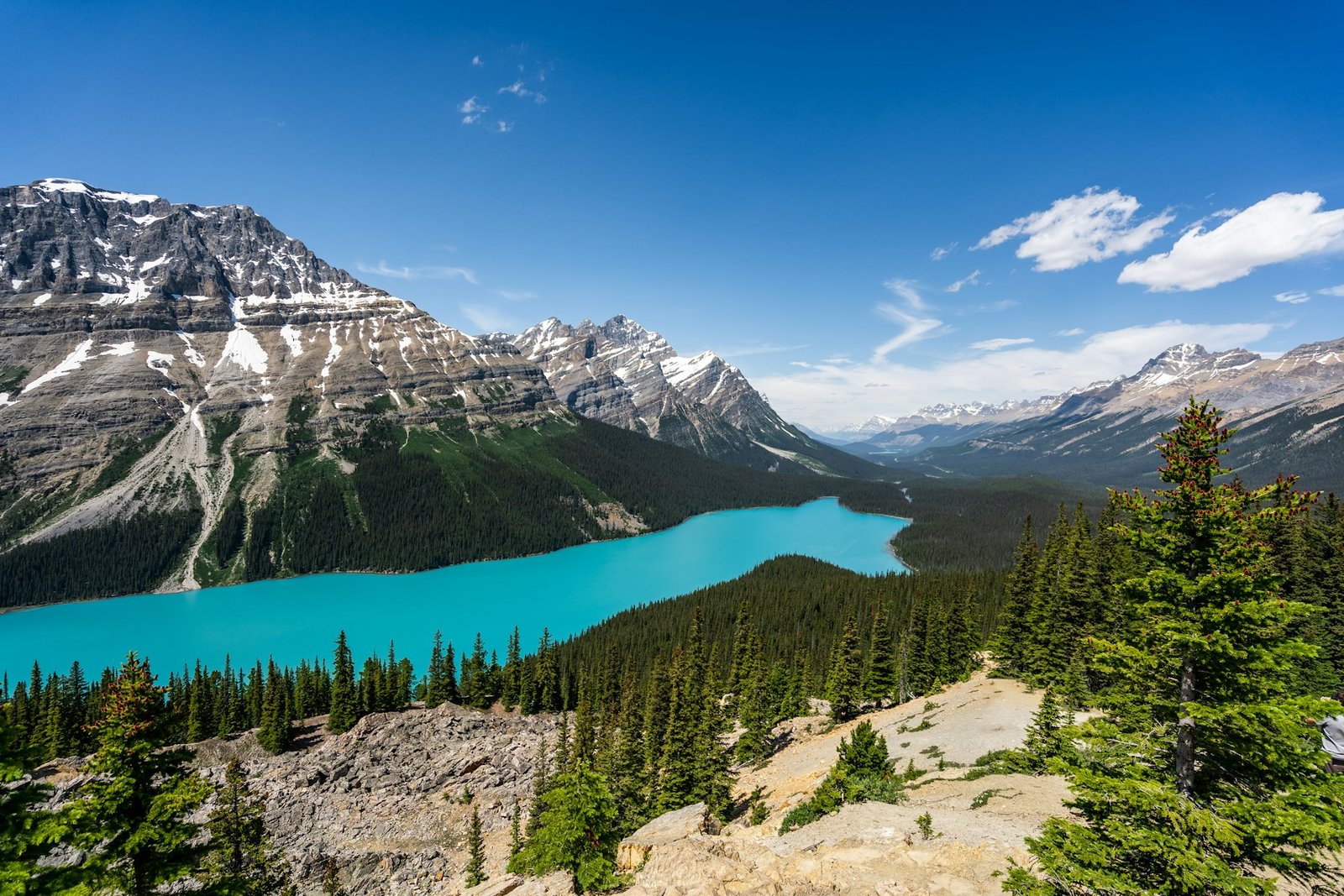
One of the most famous stops on the Icefields Parkway is Peyto Lake. A short, paved path through the forest leads to a viewing platform high above the lake, which is shaped a little like the head of a wolf and has a bright turquoise colour.
It’s especially beautiful in July and August, when the glacier meltwater is at its peak. Go early or late in the day to avoid the tour buses.
5. Walk on the Athabasca Glacier
At the Columbia Icefield, halfway along the Parkway, the Athabasca Glacier reaches almost down to the road. A short trail leads to the glacier’s edge, with markers showing how far it has retreated over the years, a powerful reminder of a changing climate.
To actually walk on the ice, join a tour in a giant Ice Explorer vehicle, or a guided glacier hike. Never walk onto the glacier on your own, as it’s full of hidden crevasses. Nearby, the glass-floored Columbia Icefield Skywalk hangs over a deep valley. Both are splurges, but they’re unique experiences.
6. Hike Johnston Canyon
Close to Banff, Johnston Canyon is one of the most popular hikes in the Rockies, and it’s easy enough for almost everyone. Metal catwalks are bolted to the walls of a narrow limestone canyon, leading you past rushing water to the Lower Falls and Upper Falls.
Keen hikers can continue to the Ink Pots, a group of colourful mineral springs in a quiet meadow. Go early in the morning, as the trail gets very busy by mid-morning. In winter, the frozen waterfalls make it a magical icewalk.
7. Ride the Banff Gondola and Soak in the Hot Springs
The Banff Gondola takes you up Sulphur Mountain in just a few minutes. At the top, a boardwalk leads along the ridge to an old weather station, with views over six mountain ranges and the town of Banff far below. It’s a splurge, but worth it on a clear day.
At the bottom of the mountain, the Banff Upper Hot Springs are a budget-friendly way to relax after a day of hiking. Soaking in the warm water with snowy peaks all around you is a classic Rockies experience.
8. Explore Athabasca Falls and Maligne Canyon
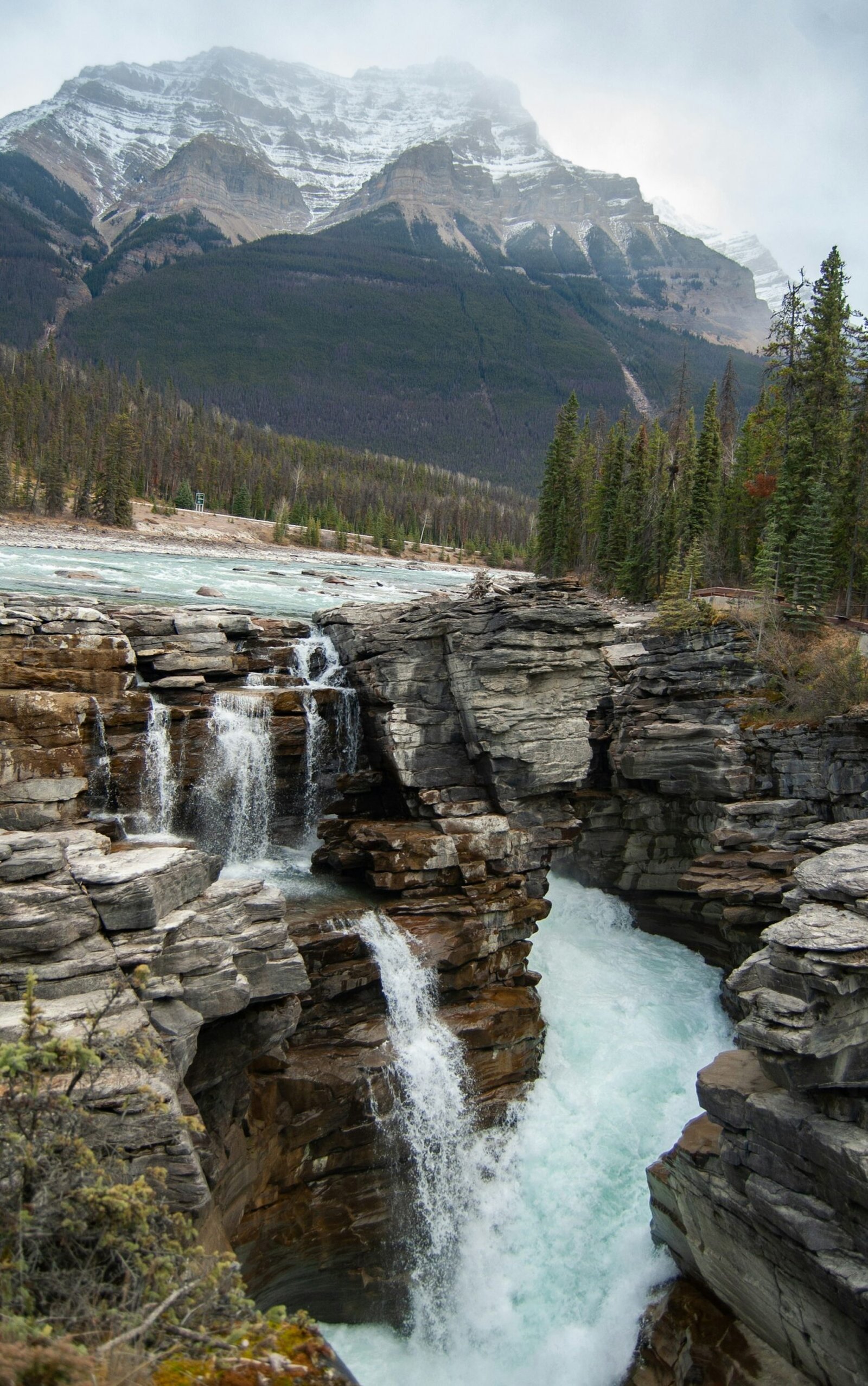
Near Jasper, Athabasca Falls is one of the most powerful waterfalls in the Rockies. The river thunders through a narrow gorge, and short trails and bridges give you great views from different angles.
Just outside Jasper, Maligne Canyon is a deep, narrow gorge carved into the limestone. A trail follows the canyon and crosses six bridges, with waterfalls, pools and fossils along the way.
9. Cruise to Spirit Island on Maligne Lake
Maligne Lake is the largest natural lake in the Canadian Rockies, surrounded by glaciers and peaks. The highlight is a boat cruise to Spirit Island, a tiny island covered in trees that is one of the most photographed places in Canada and can only be reached by boat.
The cruise is mid-range to expensive, but the scenery is stunning. You can also rent a canoe or kayak to explore the northern end of the lake. Maligne Lake Road is a great place to spot wildlife, including moose and bears.

10. Discover Emerald Lake in Yoho
Just across the border in British Columbia, Yoho National Park is smaller and often less crowded than Banff. Emerald Lake lives up to its name, with green water, a historic wooden lodge and a flat 5 km trail around the shore. Canoes are available to rent here too.
Nearby, Takakkaw Falls is one of the tallest waterfalls in Canada, and the Natural Bridge, a rock arch carved by the Kicking Horse River, is a quick and easy stop.
Wildlife in the Rockies
Seeing wildlife is one of the highlights of a trip to the Rockies. You may see elk, bighorn sheep, mountain goats, deer, moose, black bears and grizzly bears, often right by the road.
Always keep your distance, at least 30 metres from elk and 100 metres from bears, and never feed animals. If you stop to watch wildlife, pull completely off the road and stay in your car. When hiking, make noise, hike in a group, and carry bear spray, which you can buy or rent in Banff and Jasper.
Where to Stay on a Budget
Accommodation is the biggest cost in the Rockies, so plan carefully:
- Stay in Canmore: hotels and apartments here are often much cheaper than in Banff
- Hostels: HI Hostels and other good hostels in Banff, Lake Louise and Jasper have private rooms as well as dorms, and they’re some of the best-value beds in the region
- Campgrounds: Parks Canada campgrounds are beautiful and affordable, but they’re very popular. Reservations open early in the year and sell out quickly
- Book early: for summer, book at least six months ahead for the best choice and prices
Eating on a Budget
Eating out in Banff and Jasper is expensive. To save money:
- Shop at the supermarkets in Canmore, Banff and Jasper, and make picnic lunches for your day trips
- Choose accommodation with a kitchen, or at least a fridge and microwave
- Look for happy hours in local pubs, with cheaper food and drinks in the late afternoon
- Try local treats: a Canadian poutine (fries with cheese curds and gravy), Alberta beef and a Beavertail pastry
What It Really Costs
Here’s a realistic daily budget per person for a comfortable mid-range trip in summer, not counting flights.
- Accommodation: $80 to $150 per person, sharing a double room in a mid-range hotel
- Food: $40 to $70 a day, mixing picnics with restaurant meals
- Transport: $30 to $50 a day per person, including a rental car shared by two, fuel, park passes and shuttles
- Activities: budget for the highlights separately: a canoe on Moraine Lake or Lake Louise, the Banff Gondola, a glacier tour and the Maligne Lake cruise
That works out to around $180 to $300 per person per day. Travel in September, stay in Canmore and cook some of your own meals, and you can bring that down noticeably.
A Sample 8-Day Itinerary
Day 1: Arrive in Calgary and drive to Canmore or Banff. Evening walk through Banff town.
Day 2: Johnston Canyon in the morning, the Banff Gondola in the afternoon and the hot springs in the evening.
Day 3: Moraine Lake at sunrise by shuttle, then Lake Louise and the hike to the Lake Agnes Teahouse.
Day 4: Day trip to Yoho: Emerald Lake, Takakkaw Falls and the Natural Bridge.
Day 5: Drive the Icefields Parkway, with stops at Peyto Lake, the Athabasca Glacier and Athabasca Falls. Overnight in Jasper.
Day 6: Maligne Canyon and the cruise to Spirit Island on Maligne Lake.
Day 7: Slow day in Jasper, with a hike or a bike ride, then drive back towards Banff.
Day 8: Drive to Calgary and fly home.
Practical Tips
- Buy your park pass online or at the park gate before you start exploring
- Book shuttles to Moraine Lake and Lake Louise as early as possible
- Dress in layers: even in summer, mornings are cold and the weather can change quickly in the mountains
- Fill up your tank before driving the Icefields Parkway
- Don’t fly a drone: drones are not allowed in Canada’s national parks
- Leave no trace: stay on the trails, pack out your rubbish and never pick flowers
Booking Tips
- Airport transfer: if you don’t rent a car, book an airport transfer with Kiwitaxi from Calgary airport straight to Banff or Canmore, with a fixed price and a driver waiting for you
- eSIM: install a Yesim eSIM before you fly, so you have data for maps, shuttle tickets and trail conditions in Canada from the moment you land
- Tours: popular options include Banff Gondola tickets, a Columbia Icefield glacier tour, a Maligne Lake cruise and a Moraine Lake and Lake Louise sunrise tour. You can compare and book most of them on Klook
Final Thoughts
The Canadian Rockies are one of those rare places where reality is even better than the photos. Paddle across Moraine Lake in the morning light, drive the Icefields Parkway past glaciers and waterfalls, cruise to Spirit Island and watch an elk wander through town at sunset.
Plan early, travel in September if you can and base yourself in Canmore to save money. With a little preparation, the Rockies will give you some of the most spectacular days of your life.
Prices checked in October 2026. Costs and opening times change, so always confirm before you book.
Leave a Reply