
The first time you see Machu Picchu, it usually doesn’t look real. The clouds lift, and suddenly there it is: a whole city of grey stone, perched on a narrow ridge between green mountains, with the river roaring far below. The Incas built it more than 500 years ago, without iron tools or the wheel, and somehow it has survived earthquakes, centuries in the jungle and millions of visitors.
Machu Picchu is the reason most people go to Peru. But the country has so much more: the colourful old capital of Cusco, the Inca villages of the Sacred Valley, a mountain striped in rainbow colours, floating reed islands on the highest navigable lake in the world and sand dunes so big you can surf down them.
This guide covers everything you need for a first trip: how to visit Machu Picchu (including the new ticket rules), the best things to do around Cusco and beyond, how to deal with the altitude, and what it all really costs.
Peru at a Glance
- Where: on the west coast of South America, with the Andes, the Amazon rainforest and a long desert coast
- Currency: Peruvian sol (PEN). One US dollar is roughly 3.6 to 3.8 soles
- Main airport: Lima (LIM), with domestic flights to Cusco (CUZ) in about 1 hour 20 minutes
- Entry: many nationalities, including travellers from the EU, the UK, the US, Canada and Australia, can visit visa-free as tourists
- Best time: May to September, the dry season in the Andes
- Budget: around $40 to $70 a day for budget travellers, $100 to $180 for a comfortable mid-range trip
When to Go
The Andes have two main seasons.
The dry season (May to September) has sunny days, cold nights and the best conditions for hiking. It’s also the busiest time, especially in June, July and August, when Machu Picchu tickets sell out months ahead.
The wet season (November to March) brings afternoon rain, muddy trails and more clouds over Machu Picchu. The landscape is greener and there are fewer people. The famous Inca Trail closes every February for maintenance.
April, May, September and October are the sweet spot: good weather, green mountains and slightly smaller crowds.
Dealing with the Altitude
This is the most important thing to know before you go. Cusco sits at about 3,400 metres above sea level, and Rainbow Mountain and Lake Titicaca are even higher. Almost everyone feels the altitude when they arrive: headaches, shortness of breath, tiredness and trouble sleeping are common.
- Take it easy on your first day. Walk slowly and rest
- Drink plenty of water and avoid alcohol for the first day or two
- Try coca tea, the traditional local remedy, offered almost everywhere
- Sleep lower first. Many travellers go straight from the airport to the Sacred Valley, which is about 600 metres lower than Cusco, and only return to Cusco a few days later
- Talk to your doctor before the trip about altitude sickness, especially if you have health problems
Getting Around
- Domestic flights: the fastest way between Lima, Cusco, Arequipa and Puno (Juliaca)
- Long-distance buses: comfortable and cheap. Companies like Cruz del Sur offer reclining seats for overnight journeys
- Trains to Machu Picchu: the only way to reach Aguas Calientes, the town below Machu Picchu, apart from walking. PeruRail and Inca Rail run trains from Cusco (Poroy) and Ollantaytambo
- Colectivos and taxis: for shorter trips in the Sacred Valley. Agree on the price beforehand
How to Visit Machu Picchu
Visiting Machu Picchu takes some planning. Here’s what you need to know.
Tickets and Circuits
Tickets are sold for a specific date, entry time and circuit. You can only enter during your time slot, and you can’t switch circuits once you’re inside. There are three main circuits:
- Circuit 1 (Panoramic): the upper terraces with the classic postcard view
- Circuit 2 (Classic): the most complete route, including the temples and the main plaza
- Circuit 3 (Royalty): the lower part of the site, also used for access to Huayna Picchu
Foreign adults pay around 150 to 165 soles (about $45 to $55), depending on the season. Tickets that include a mountain hike, like Huayna Picchu or Machu Picchu Mountain, cost more. Only a few hundred people per day can climb Huayna Picchu, so these tickets sell out first.
Only buy tickets on the official government website of the Ministry of Culture, or through a licensed tour operator. Daily visitor numbers are limited, so book four to five months ahead for the dry season.
Getting Up to the Ruins
From Aguas Calientes, buses run up the winding road to the entrance in about 25 minutes. The alternative is a steep hike of around 1.5 hours up stone stairs. Many visitors take the bus up and walk down.
Our tip: stay one night in Aguas Calientes and take an early-morning entry time. The light is beautiful, and you’ll often see the clouds lifting off the mountains.
Things to Do in Peru
Here are the experiences we think are worth your time and money.
1. Explore Cusco
Cusco was once the capital of the Inca Empire, and today it’s one of the most beautiful cities in South America. Spanish colonial churches and mansions stand on top of perfectly fitted Inca stone walls, so tight that you can’t slide a piece of paper between the stones.
Spend at least two days here. Visit the Plaza de Armas with its cathedral, the Qorikancha, the Inca Temple of the Sun with a Spanish convent built on top, and the steep, charming streets of the San Blas artisan quarter. Just above the city, the huge zigzag walls of Sacsayhuamán are some of the most impressive Inca stonework anywhere.
A Boleto Turístico (tourist ticket) gives you access to many sites in and around Cusco and the Sacred Valley at once.

2. Discover the Sacred Valley
The Sacred Valley of the Incas lies between Cusco and Machu Picchu, along the Urubamba River. It’s greener, warmer and lower than Cusco, and full of Inca ruins, traditional villages and markets.
Don’t miss Ollantaytambo, a living Inca town with original streets and huge stone terraces climbing the mountain, Pisac, with its market and cliff-top ruins, the circular terraces of Moray, which the Incas probably used as an agricultural laboratory, and the Salineras de Maras, thousands of salt pans carved into the hillside and still worked by local families today.
You can visit the valley on a day tour from Cusco, but staying a night or two is much more relaxing.

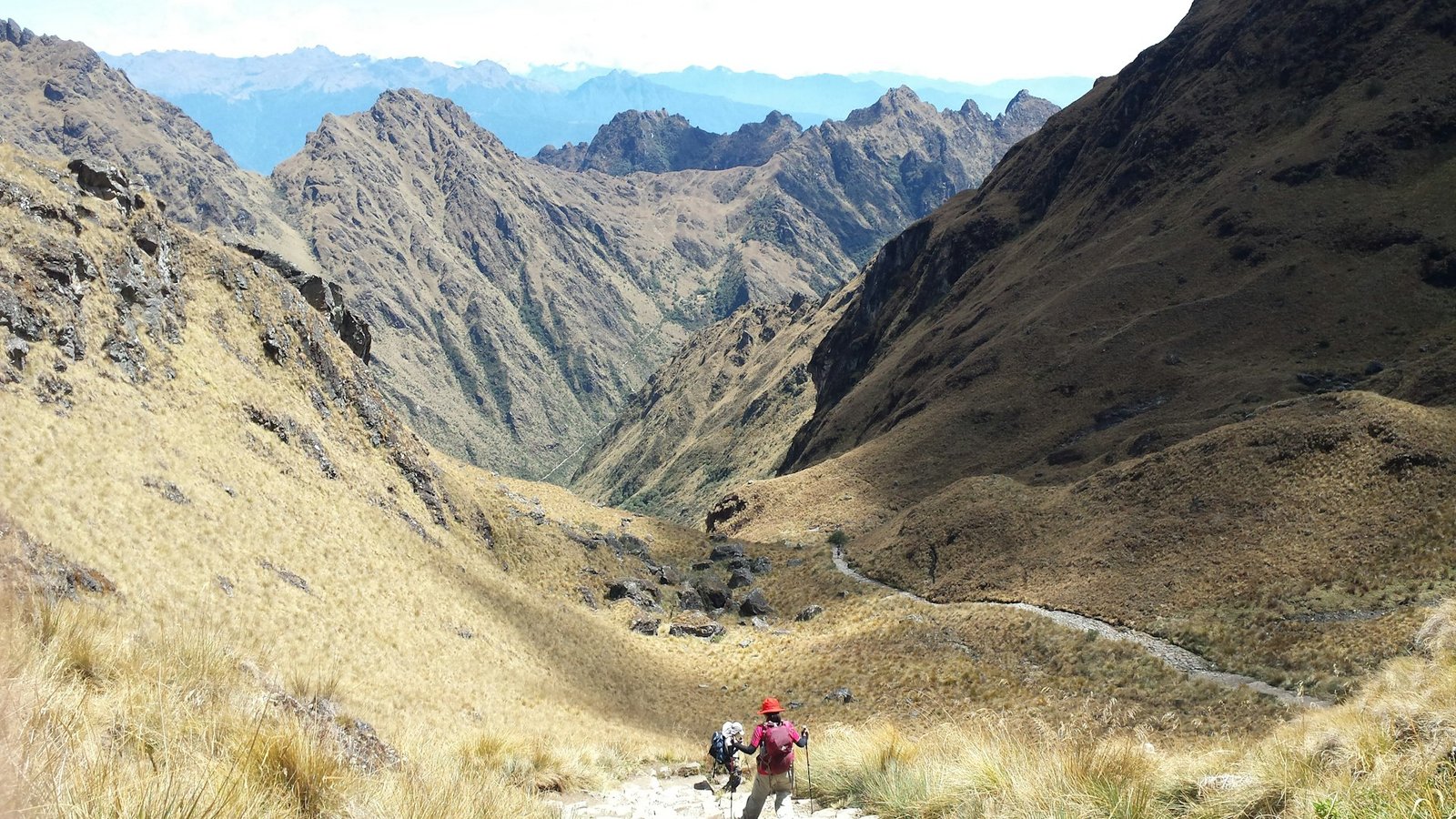
3. Hike the Inca Trail
The classic Inca Trail is one of the most famous hikes in the world. Over four days, you walk around 42 km on original Inca paths, crossing high mountain passes, past cloud forest and remote ruins, and finally arrive at Machu Picchu through the Sun Gate at sunrise.
The trail is strictly regulated. You can only hike it with a licensed tour operator, and the number of permits per day is limited. They often sell out six months or more in advance for the dry season. The trail is closed every February.
If you can’t get a permit, there are excellent alternatives: the shorter one-day Inca Trail, the beautiful Salkantay Trek past snowy peaks and turquoise lakes, or the quieter Lares Trek through traditional Andean villages.
4. Hike Rainbow Mountain
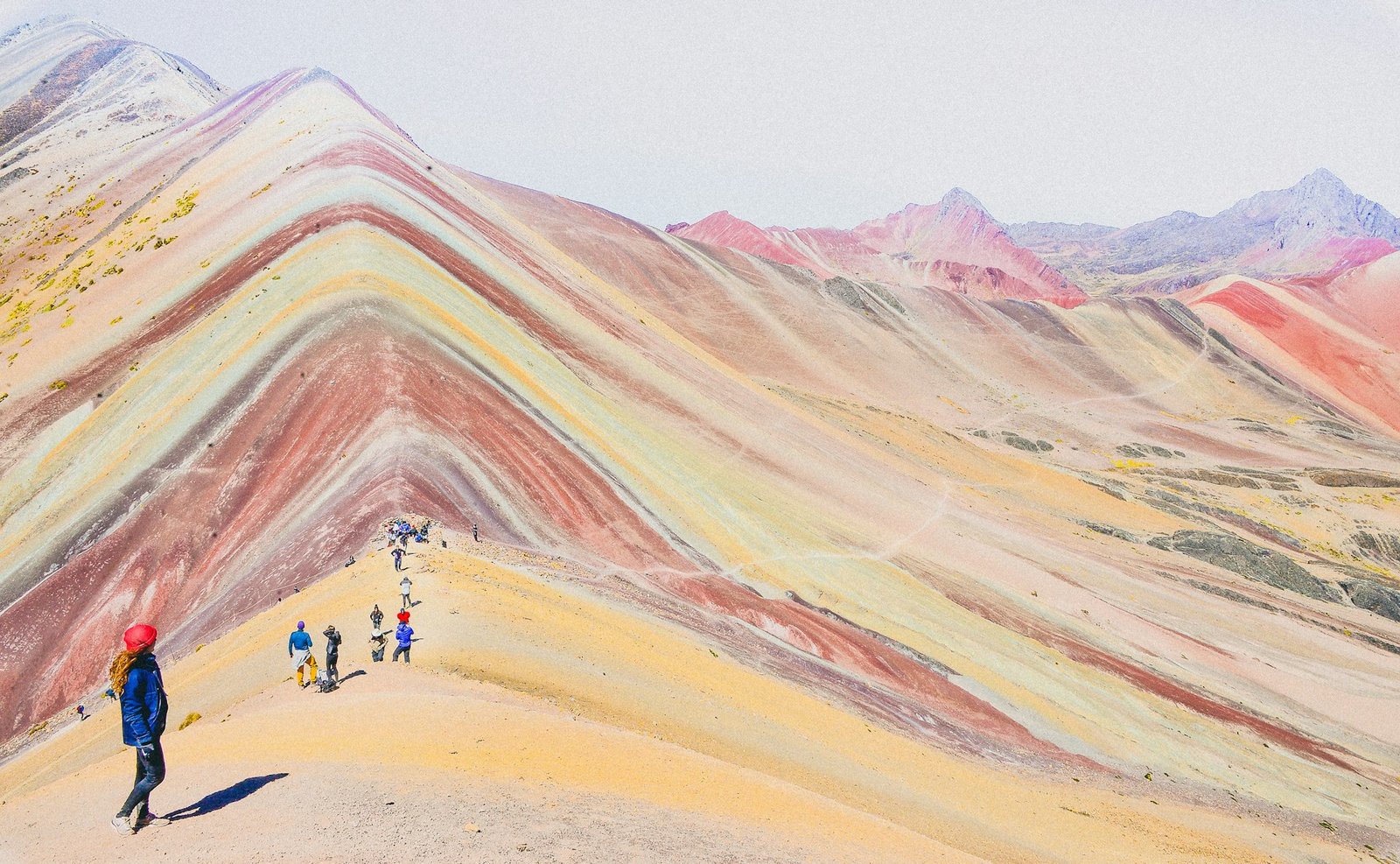
Vinicunca, better known as Rainbow Mountain, became famous only a few years ago, when the snow and ice that covered it melted away and revealed stripes of red, gold, turquoise and lavender, created by layers of different minerals.
Tours leave Cusco very early in the morning, around 4 a.m., for a three-hour drive. The hike itself takes one to two hours up to the viewpoint at over 5,000 metres. It’s short, but the altitude makes it very hard. Only do it once you’ve spent a few days getting used to the altitude in Cusco. Horses can be hired for most of the way up.
Day tours are cheap and include transport, breakfast and lunch. The nearby Palccoyo mountain is a less crowded and easier alternative with similar colours.
5. Visit the Floating Islands of Lake Titicaca
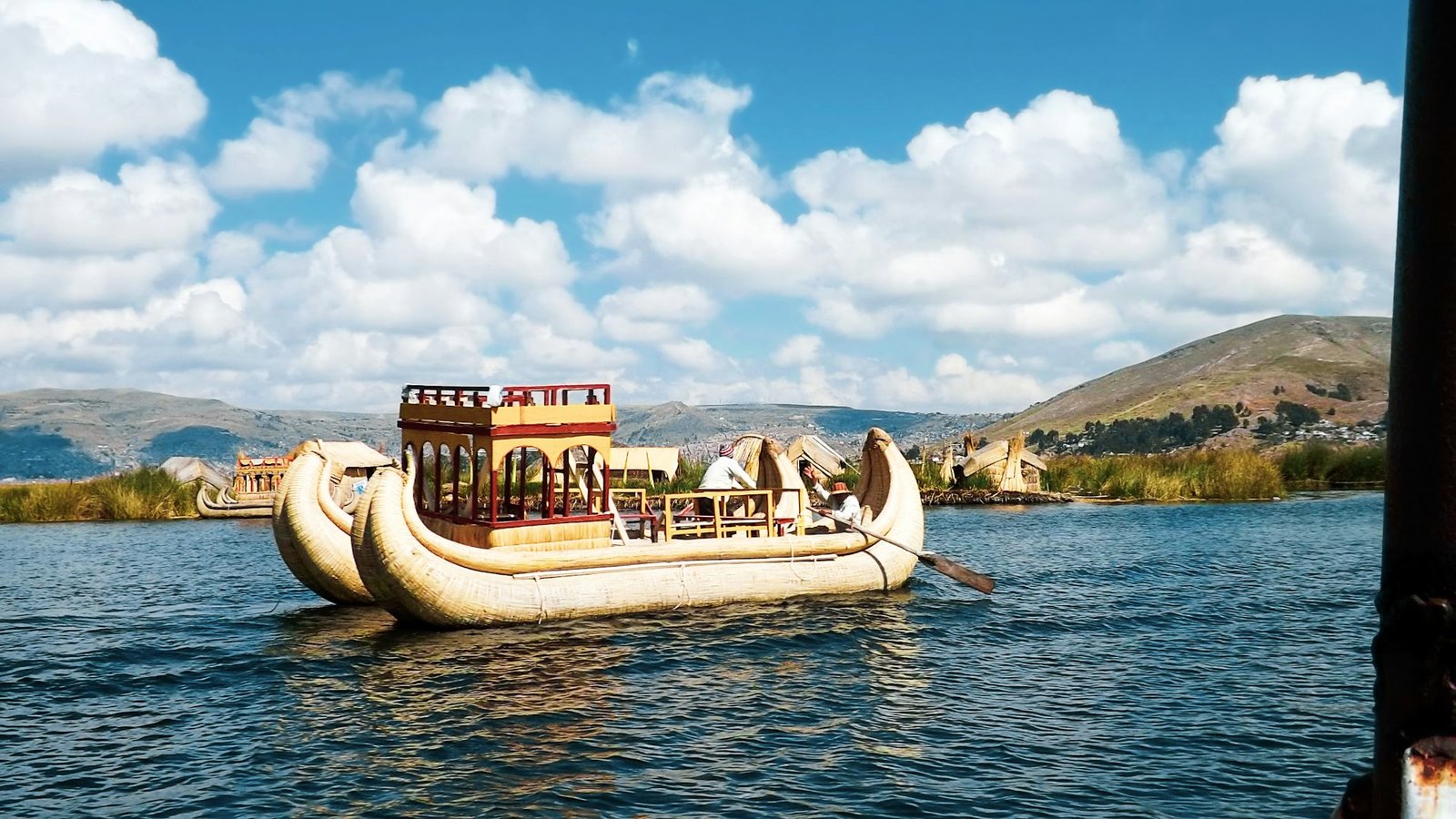
Lake Titicaca, on the border between Peru and Bolivia, sits at about 3,800 metres and is often called the highest navigable lake in the world. From the city of Puno, boats take you to the Uros Islands, which are floating islands made entirely of totora reeds. The Uros people build their houses, boats and even the islands themselves from these reeds.
The islands are very touristy today, but still fascinating. For a more authentic experience, stay overnight with a local family on Amantaní or visit the island of Taquile, famous for its textiles, which are made mostly by the men.
6. Sandboard in Huacachina
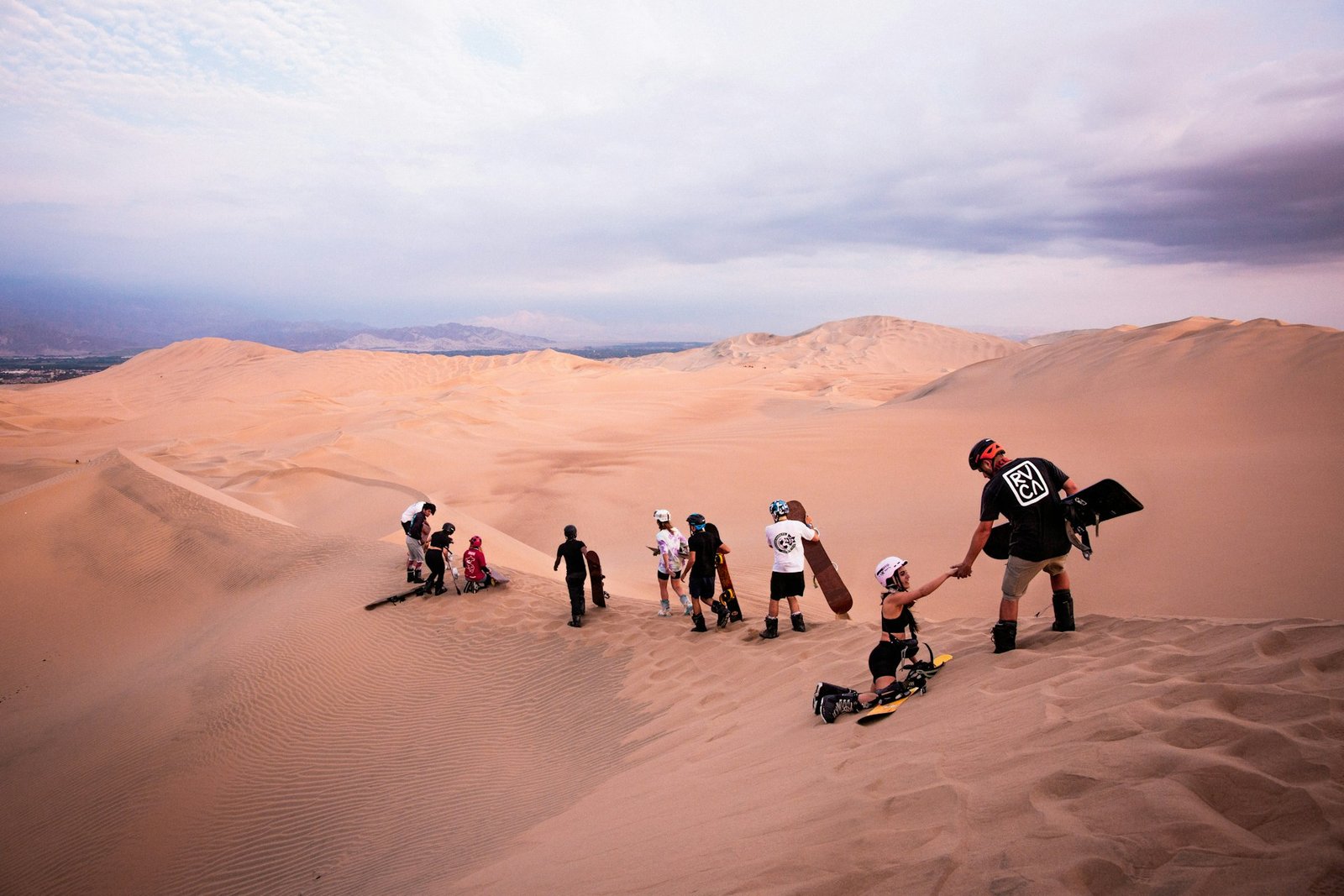
In the desert of southern Peru, near the town of Ica, the tiny oasis of Huacachina sits around a small lagoon, surrounded by some of the biggest sand dunes in South America.
The classic activity is a dune buggy and sandboarding tour. A buggy races you up and down the dunes like a roller coaster, then stops at the top so you can slide down on a sandboard, either standing up or lying on your stomach. Book an afternoon tour so you can watch the sunset over the dunes. Tours are cheap and a lot of fun.
On the way, you can also visit the Ballestas Islands near Paracas, known as the “poor man’s Galápagos”, with sea lions, penguins and thousands of seabirds.
7. Eat Your Way Through Lima
Many travellers rush through Lima, but Peru’s capital is one of the best food cities in the world. Try ceviche, raw fish marinated in lime juice with chilli and onion, at a local cevichería for lunch, eat lomo saltado, a stir-fry that shows the strong Chinese influence on Peruvian cuisine, and taste a pisco sour, the national cocktail.
Walk along the clifftops of Miraflores and Barranco, Lima’s artistic and bohemian neighbourhood, and watch the paragliders above the Pacific.
8. Fly Over the Nazca Lines
The Nazca Lines are huge drawings scratched into the desert more than 1,500 years ago, showing animals like a hummingbird, a monkey and a spider. They’re so big that you can only really see them from the air. Small planes take visitors on flights over the lines. It’s a splurge, and the flights can be bumpy, but it’s a unique experience. For a cheaper option, there’s a viewing tower by the road.
9. Visit the Amazon Rainforest
About 60 percent of Peru is covered by the Amazon rainforest. From Cusco, a short flight takes you to Puerto Maldonado, the gateway to the Tambopata National Reserve. Stay in a jungle lodge for a few nights, go on night walks, see giant otters, monkeys and macaws and visit the famous clay licks where hundreds of colourful parrots gather.
10. Explore Arequipa and the Colca Canyon
Arequipa, the “White City”, is built from white volcanic stone and surrounded by three volcanoes. Visit the beautiful Santa Catalina Monastery, a city within the city. From here, tours go to the Colca Canyon, one of the deepest canyons in the world, where you can watch Andean condors gliding on the morning winds.
Where to Stay on a Budget
Peru has excellent accommodation for every budget. In Cusco, hostels and simple guesthouses start at around $15 to $30 a night, while comfortable mid-range hotels in colonial buildings cost $50 to $100. The Sacred Valley has lovely small lodges with mountain views. In Aguas Calientes, prices are higher because everything has to be brought in by train.
Eating on a Budget
Peruvian food is one of the most exciting cuisines in the world. Look for the menú del día at local restaurants: a set lunch with soup, a main course and a drink, often for just 10 to 20 soles. Markets like San Pedro Market in Cusco are perfect for fresh fruit juices and cheap meals. Try cuy (guinea pig) if you’re adventurous, and alpaca steak, which is lean and surprisingly tender.
What It Really Costs
Here’s a realistic daily budget per person for a comfortable mid-range trip, not counting international flights.
- Accommodation: $25 to $60 per person, sharing a double room in a nice guesthouse or hotel
- Food: $15 to $30 a day, mixing menú del día lunches with a few nicer dinners
- Transport: $10 to $30 a day on average, not counting the train to Machu Picchu
- Activities: budget separately for the big highlights: Machu Picchu tickets, the train and bus to Aguas Calientes, and tours such as Rainbow Mountain or the Inca Trail
The train to Machu Picchu is one of the biggest single costs. Return tickets in the cheapest class usually cost well over $100, and more in high season. Add your Machu Picchu entry ticket and the bus up to the ruins.
That works out to around $80 to $160 per person per day, plus the Machu Picchu trip and any multi-day treks.
A Sample 14-Day Itinerary
Days 1 to 2: Lima. Explore Miraflores and Barranco and eat ceviche.
Days 3 to 5: Fly to Cusco and go straight down to the Sacred Valley. Visit Pisac, Moray, the Maras salt pans and Ollantaytambo.
Days 6 to 7: Train from Ollantaytambo to Aguas Calientes. Visit Machu Picchu early in the morning.
Days 8 to 10: Cusco. Explore the city, Sacsayhuamán and the San Blas quarter, and hike Rainbow Mountain.
Days 11 to 12: Bus or flight to Puno. Visit the Uros Islands and spend a night on Amantaní.
Days 13 to 14: Fly back to Lima from Juliaca, or continue to Arequipa and the Colca Canyon if you have more time.
Practical Tips
- Book Machu Picchu first, then your train and hotels
- Bring your passport to Machu Picchu. You need it to enter
- Pack layers. In the Andes, it can be hot in the sun and freezing at night
- Sun protection: the sun is very strong at high altitude. Use sunscreen and a hat
- Water: don’t drink tap water. Use bottled or filtered water
- Spanish: a few words go a long way, especially outside the tourist areas
Booking Tips
- Airport transfer: book an airport transfer with Kiwitaxi in Lima or Cusco, or straight from Cusco airport down to the Sacred Valley, with a fixed price and a driver waiting for you
- eSIM: install a Yesim eSIM before you fly, so you have data for maps, train tickets and messages in Peru from the moment you land
- Tours: popular options include a Sacred Valley day tour, a Rainbow Mountain trip, a Machu Picchu guided tour and a Huacachina dune buggy ride. You can compare and book most of them on Klook
Final Thoughts
Peru is one of those countries that changes the way you see the world. Machu Picchu lives up to the hype, but the real magic of a trip here is in all the moments around it: a market morning in the Sacred Valley, a cup of coca tea on a cold Cusco evening, a llama blocking the trail on the way to Rainbow Mountain, or the sunset over the dunes in Huacachina.
Plan ahead, book your Machu Picchu tickets early, give yourself time to get used to the altitude, and leave room in your budget for one or two big adventures. You’ll come home with memories that last a lifetime.
Prices checked in October 2026. Costs and opening times change, so always confirm before you book.
Leave a Reply