
There’s a road in Iceland that makes a full loop around the country, and on it you’ll pass more waterfalls than you can count, black sand beaches, glaciers flowing down to the sea, steaming lava fields and tiny fishing villages at the end of deep fjords. It’s called Route 1, or simply the Ring Road, and driving it is one of the great road trips of the world.
Iceland has a reputation for being expensive, and it is. A beer can cost more than a meal in many other countries. But the landscapes, which are the reason everyone comes, are free. With a rental car or a small campervan, a supermarket bag full of picnic food and a good plan, the Ring Road is a trip you can do without spending a fortune.
This guide gives you a 10-day itinerary around the island, the best things to do along the way, from glacier hikes and whale watching to hot springs, and an honest look at what it all costs.
The Ring Road at a Glance
- Length: about 1,330 km, almost all of it paved
- Ideal trip length: 7 to 10 days for the loop, 12 to 14 days if you add the Snæfellsnes Peninsula and the Westfjords
- Currency: Icelandic króna (ISK). One US dollar is roughly 135 to 140 krónur. Cards are accepted almost everywhere, even for tiny amounts
- Airport: Keflavík International (KEF), about 45 minutes from Reykjavík
- Entry: Iceland is part of the Schengen Area, so the usual Schengen rules apply
- Best time: June to August for long days and open roads, or September and early spring for the northern lights
- Budget: around $120 to $180 a day for budget travellers, $200 to $350 for a comfortable mid-range trip
When to Go
Summer (June to August) is the best time for a first Ring Road trip. All roads are open, the weather is mild, and around midsummer it barely gets dark at all. You can drive and hike until late in the evening. It’s also the busiest and most expensive season.
Shoulder season (May and September) is a great compromise. There are fewer people, prices are a bit lower, and in September you have your first chance to see the northern lights.
Winter (October to April) is magical, with snow-covered landscapes, the northern lights and the famous ice caves. But days are short, storms can close roads for days, and driving the full Ring Road requires experience on ice and snow. If you go in winter, stick to the south coast or join guided tours.
Getting Around
Rental Car or Campervan
You need your own vehicle for the Ring Road. A small two-wheel-drive car is fine for the Ring Road itself in summer. If you want to drive the mountain roads into the highlands, called F-roads, you need a 4×4. Driving a normal car on an F-road isn’t allowed and won’t be covered by your insurance.
A campervan saves money on accommodation and gives you freedom, but you must sleep at official campsites. Wild camping in vehicles is not allowed.
Driving Tips
- Never stop on the road to take photos. Use lay-bys and parking areas. Tourists stopping in the middle of the road cause many accidents
- Off-road driving is illegal and damages the fragile moss and soil for decades. The fines are very high
- Single-lane bridges are common, especially in the east and south. The car closest to the bridge has right of way
- Check the weather and road conditions every morning on the official websites, especially outside summer
- Get gravel insurance. Stones thrown up by other cars often damage windscreens and paintwork
- Fill up regularly. In the east and north, petrol stations can be far apart
A 10-Day Ring Road Itinerary
This route goes anticlockwise, starting with the south coast, which has the most famous sights.
Day 1: Reykjavík and the Golden Circle. Pick up your car and drive the Golden Circle: Þingvellir National Park, where you can walk between two tectonic plates, the Geysir area, where Strokkur erupts every few minutes, and the mighty Gullfoss waterfall.
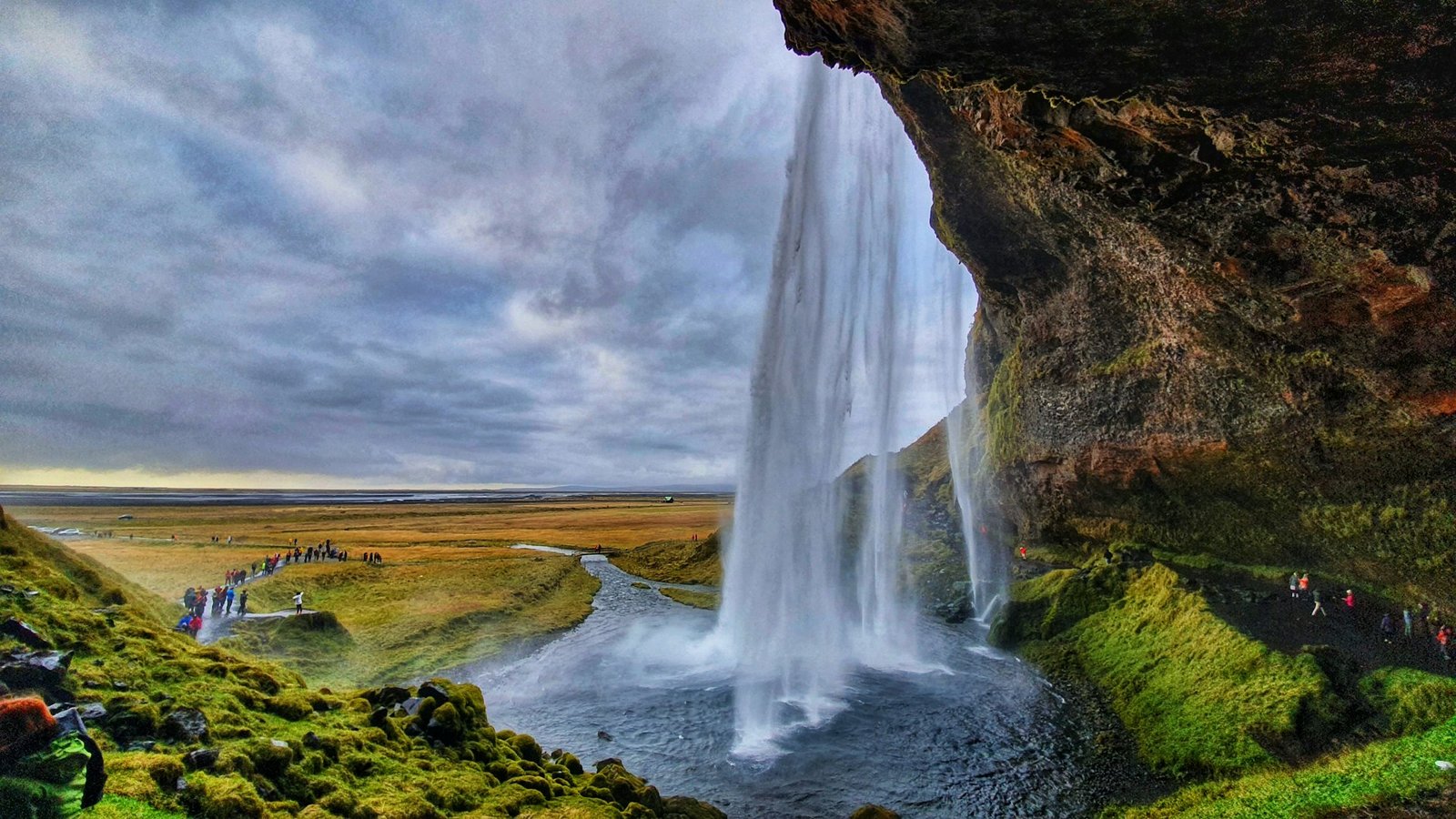
Day 2: The South Coast. Visit Seljalandsfoss, where you can walk behind the falling water, and Skógafoss, a huge curtain of water with a rainbow on sunny days. End the day in Vík.
Day 3: Vík and the Black Beaches. Walk on the black sand of Reynisfjara, see the basalt columns and the sea stacks of Reynisdrangar, and drive to Skaftafell.
Day 4: Glaciers. Go on a guided glacier hike in Skaftafell, then drive to Jökulsárlón, the glacier lagoon, and Diamond Beach, where icebergs wash up on the black sand.
Day 5: The East Fjords. A long, beautiful drive along the fjords, through small fishing villages like Djúpivogur and Seyðisfjörður, with its famous rainbow street.
Day 6: Mývatn. Drive north to Lake Mývatn, with its volcanic craters, lava formations and bubbling mud pools. Relax in the Mývatn Nature Baths in the evening.
Day 7: Dettifoss and Húsavík. Visit Dettifoss, one of the most powerful waterfalls in Europe, then go whale watching in Húsavík.
Day 8: Akureyri. Explore Iceland’s charming second city, and stop at Goðafoss, the “waterfall of the gods”, on the way.
Day 9: The North and West. Drive west through the north. If you have time, take a detour to the Snæfellsnes Peninsula to see Kirkjufell, the most photographed mountain in Iceland.
Day 10: Back to Reykjavík. Relax in a hot spring, explore Reykjavík and head to the airport.
Things to Do on the Ring Road
Here are the experiences we think are worth your time and money.
1. Walk Behind a Waterfall
Iceland has thousands of waterfalls, and every one is different. Seljalandsfoss is special, because a path leads around the back of the waterfall, so you can stand behind the falling water. Bring a rain jacket, because you will get wet. A short walk further, the hidden Gljúfrabúi waterfall is tucked away inside a narrow canyon.
Other must-sees: Skógafoss on the south coast, Svartifoss in Skaftafell, surrounded by black basalt columns, the thundering Dettifoss in the north and the beautiful horseshoe of Goðafoss. All of them are free to visit, though some have parking fees.
2. Visit the Black Sand Beach at Reynisfjara
Reynisfjara, near the village of Vík, is one of the most famous beaches in the world. It has black volcanic sand, huge basalt columns that look like organ pipes, a cave and the Reynisdrangar sea stacks rising out of the ocean.
It’s also one of the most dangerous beaches in Iceland. Unpredictable “sneaker waves” can suddenly rush far up the beach and pull people into the freezing, powerful sea. Every year there are serious accidents. Always keep a safe distance from the water, never turn your back on the ocean, and follow the warning lights at the entrance.

3. Go on a Glacier Hike
Walking on a glacier is one of the most unforgettable experiences in Iceland. With crampons on your feet and an ice axe in your hand, you follow a guide across blue ice, past deep crevasses and strange ice formations.
The most popular places are Sólheimajökull on the south coast, which is easy to reach from Reykjavík, and the glaciers around Skaftafell. Never walk onto a glacier without a certified guide. Glaciers move and change constantly, and hidden crevasses can be deadly.
Glacier hikes are mid-range in price for Iceland and include all the equipment. In winter, from around November to March, you can also visit natural ice caves inside the glaciers. These tours are more expensive but absolutely magical, with walls of bright blue ice.

4. See the Icebergs at Jökulsárlón
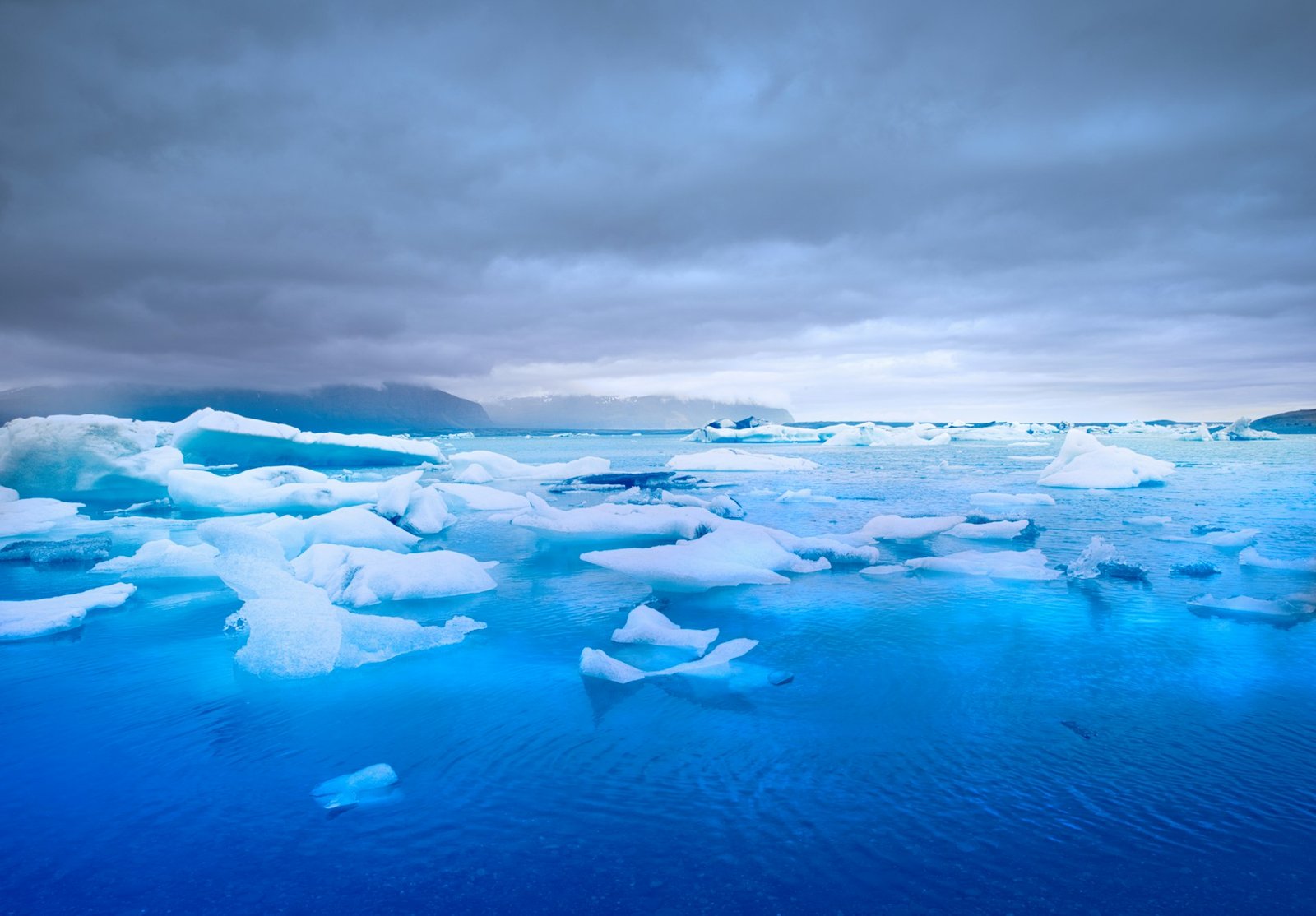
Jökulsárlón is a glacier lagoon at the foot of Vatnajökull, Europe’s largest glacier. Huge blocks of ice break off the glacier and float slowly across the lagoon towards the sea. Some are white, some are deep blue, and some have black stripes of volcanic ash. Seals often swim between the icebergs.
You can walk along the shore for free, or take a boat tour on the lagoon. Amphibian boats are cheaper and calmer, while zodiac tours take you closer to the glacier. Across the road, on Diamond Beach, chunks of ice wash up on the black sand and sparkle like diamonds in the sun.
5. Go Whale Watching in Húsavík
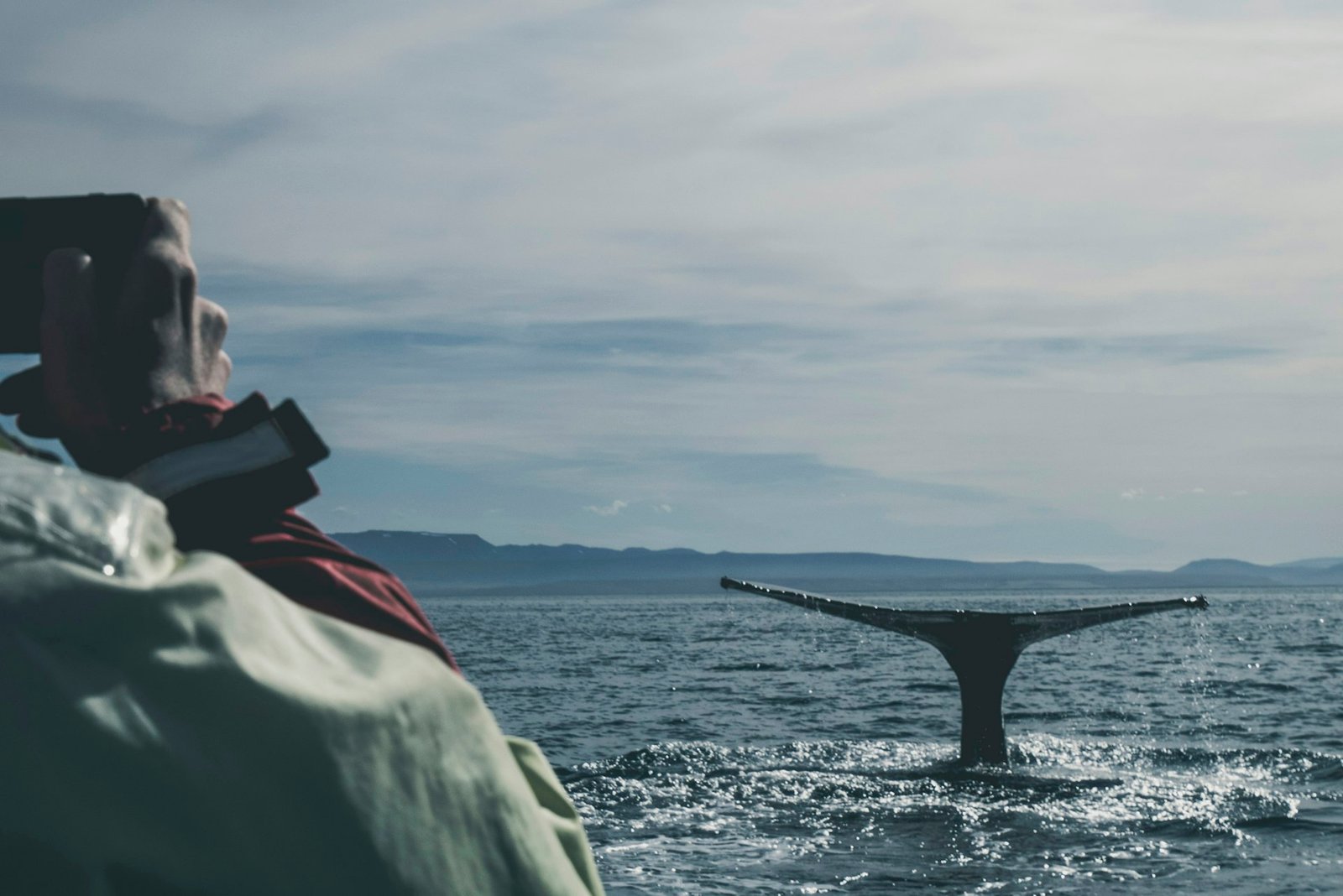
Húsavík in the north is often called the whale-watching capital of Europe. From around April to October, boats head out into Skjálfandi Bay, where humpback whales, minke whales, dolphins and sometimes blue whales come to feed. The chance of seeing whales in summer is very high.
Standard tours last around three hours and are mid-range in price. For a more exciting ride, choose a small, fast RIB boat. In summer, many tours also pass the puffin island Lundey. Dress warmly, even in July. It’s always cold out on the water.
6. Soak in a Hot Spring
Hot springs are part of everyday life in Iceland, and soaking in warm water surrounded by snow or mountains is one of the best parts of any trip.
The Blue Lagoon near the airport is the most famous, with milky blue water and silica mud masks. It’s beautiful but expensive and busy, and you need to book in advance. Many travellers prefer cheaper and calmer alternatives:
- Sky Lagoon in Reykjavík, with an infinity edge overlooking the ocean
- Mývatn Nature Baths in the north, often called the “Blue Lagoon of the north”, but quieter and cheaper
- Secret Lagoon in Flúðir, near the Golden Circle, one of the oldest swimming pools in Iceland
- Local swimming pools in almost every town, where Icelanders meet in the hot pots. A cheap and very authentic experience
Before entering any pool in Iceland, you must shower without a swimsuit. It’s a strict rule, and the locals take it seriously.

7. Explore Lake Mývatn
The area around Lake Mývatn looks like another planet. Walk around the Hverfjall crater, through the lava labyrinth of Dimmuborgir, and along the bubbling mud pools and steaming vents of Hverir, which smell strongly of sulphur. The landscape is a reminder that Iceland sits right on top of active volcanoes. Most sights here are free.
8. See the Puffins
From around May to August, millions of Atlantic puffins nest on Iceland’s coast. These small, colourful seabirds are a favourite with almost every visitor. Good places to see them include Dyrhólaey near Vík, the Borgarfjörður Eystri harbour in the east and, on boat tours, the islands off Húsavík and Reykjavík. Watch them from a distance, and never walk close to the cliff edges.
9. Chase the Northern Lights
From around September to April, you have a chance of seeing the northern lights dance across the sky. You need dark, clear skies and some solar activity. Get away from town lights, check the official aurora forecast and be patient. It’s free to watch, but guided tours can take you to the best spots on cloudy nights.
10. Discover Kirkjufell and the Snæfellsnes Peninsula
The Snæfellsnes Peninsula, a two-hour drive from Reykjavík, is often called “Iceland in miniature”, because it has a bit of everything: a glacier, lava fields, black beaches, fishing villages and the most photographed mountain in the country, Kirkjufell, with the small waterfall Kirkjufellsfoss in front of it. If you have an extra day or two, it’s absolutely worth the detour.
Where to Stay on a Budget
Accommodation is one of the biggest costs in Iceland, and the best places fill up months ahead in summer.
- Campsites: the cheapest option, from around $15 to $25 per person per night, with showers and kitchens at many sites
- Hostels and guesthouses: a bed in a dorm or a simple private room, often with a shared kitchen
- Guesthouses and farm stays: private rooms in the countryside, often with breakfast, from around $120 to $200 a night for two
- Cabins: small wooden cabins, sometimes with a hot tub, are a lovely mid-range option
Book early for summer, especially on the south coast and around Mývatn, where options are limited.
Eating on a Budget
Eating out in Iceland is expensive. A simple main course in a restaurant often costs $30 or more. Here’s how to save money:
- Shop at budget supermarkets like Bónus and Krónan. Make breakfast and lunch yourself
- Cook dinner at your campsite or guesthouse kitchen
- Try the Icelandic hot dog (pylsa), sold at petrol stations and the famous stand in Reykjavík. It’s one of the cheapest and tastiest meals in the country
- Drink tap water. Icelandic tap water is some of the cleanest in the world, so there’s no need to buy bottles
- Buy alcohol at the duty-free shop at Keflavík airport on arrival. It’s far cheaper than in bars and the state-run liquor stores
Do treat yourself to one or two local specialities: Icelandic lamb soup, fresh fish in a harbour restaurant, and skyr, the thick Icelandic yoghurt.
What It Really Costs
Here’s a realistic daily budget per person for a comfortable mid-range trip in summer, not counting flights.
- Accommodation: $60 to $120 per person, sharing a room in a guesthouse
- Car and fuel: $50 to $100 per person per day, sharing a small rental car between two people
- Food: $30 to $60 a day if you shop at supermarkets and eat out sometimes
- Activities: most waterfalls, beaches and viewpoints are free. Budget for a few highlights, such as a glacier hike, a whale-watching tour and a hot spring
That works out to around $150 to $300 per person per day. Travelling with a campervan, cooking all your meals and going in the shoulder season can bring it down a lot.
Practical Tips
- Pack layers. The weather can change from sunshine to rain, wind and snow in an hour, even in summer. A waterproof jacket, warm layers, a hat and good shoes are essential
- Respect nature. Stay on marked paths, don’t walk on the moss, and never stack stones or leave anything behind
- Download offline maps and the official safety app before you go
- Book popular activities ahead in summer, especially glacier hikes, ice caves and the Blue Lagoon
- Don’t underestimate distances. With photo stops and short hikes, the drive always takes longer than the map says
Booking Tips
- Airport transfer: if you spend a night in Reykjavík before picking up your car, book an airport transfer with Kiwitaxi from Keflavík straight to your hotel
- eSIM: install a Yesim eSIM before you fly, so you have data for maps, road conditions and weather warnings in Iceland from the moment you land
- Tours: popular options include a Sólheimajökull glacier hike, a Jökulsárlón boat tour, whale watching in Húsavík and a winter ice cave tour. You can compare and book most of them on Klook
Final Thoughts
Driving the Ring Road is one of those trips that stays with you forever. One day you’re walking behind a waterfall, the next you’re watching icebergs drift out to sea, and the day after that you’re bobbing on a boat while a humpback whale surfaces right next to you.
Yes, Iceland is expensive. But the best things here, the waterfalls, the black beaches, the glaciers and the endless light of a summer night, don’t cost a thing. Rent a small car, shop at Bónus, sleep in guesthouses or campsites and spend your money on one or two unforgettable experiences. It’s a trip you’ll never regret.
Prices checked in October 2026. Costs and opening times change, so always confirm before you book.
Leave a Reply