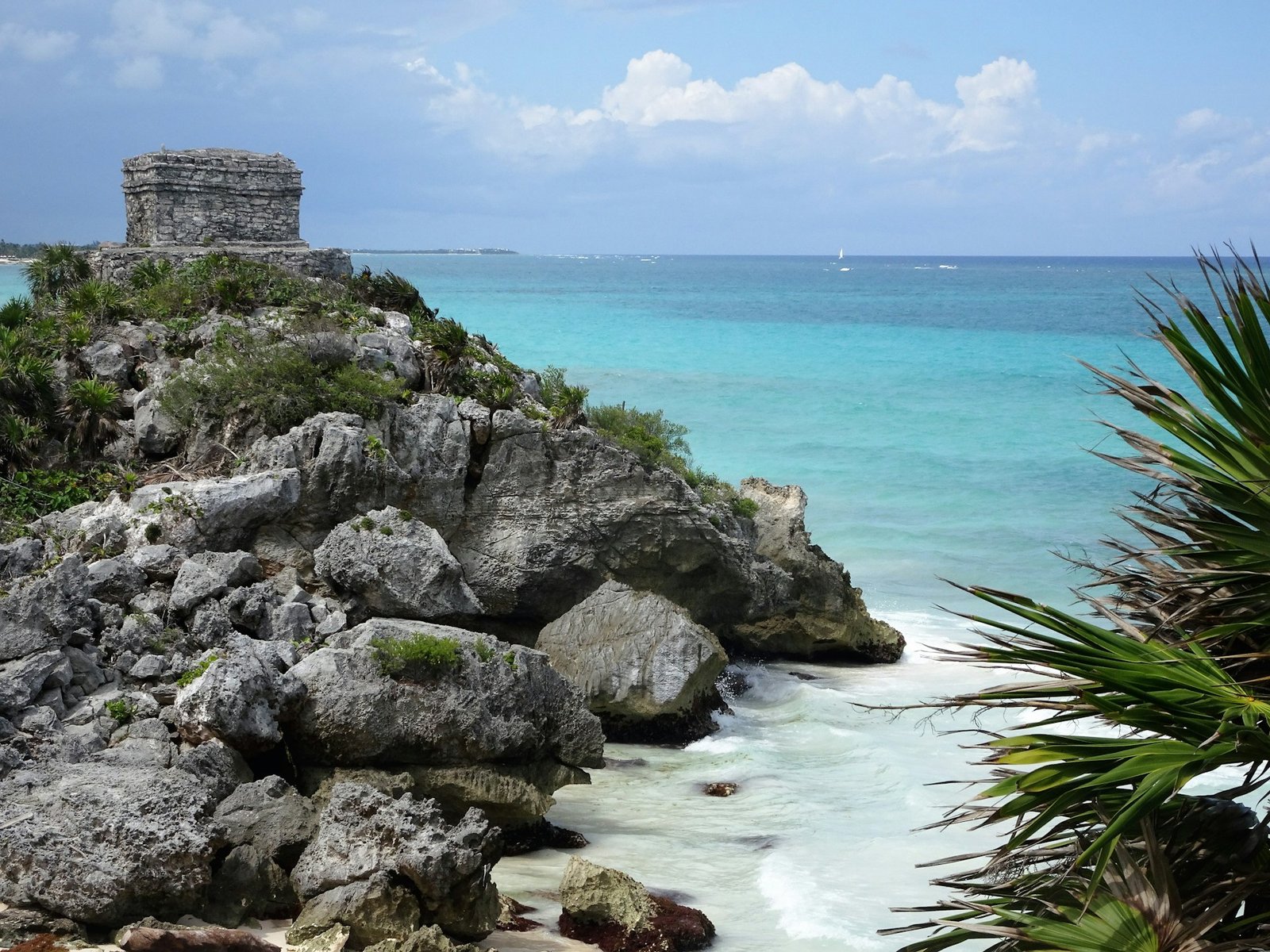
Most people picture Mexico’s Caribbean coast as one long line of all-inclusive hotels in Cancún. And yes, those exist. But drive an hour south, or turn inland into the jungle, and a completely different world opens up.
Ancient Maya temples stand on cliffs above turquoise water. Hidden underground swimming holes called cenotes glow electric blue in the middle of the forest. Sea turtles graze on seagrass a few metres from the beach, and a freshwater lagoon shines in seven shades of blue. Add tacos for a couple of dollars, colourful colonial towns and some of the best diving in the world, and you have one of the most rewarding destinations in the Americas.
This guide covers the Riviera Maya and the wider Yucatán Peninsula: where to base yourself, how to get around, the best things to do on land and in the water, and how to enjoy it all without paying resort prices.
Mexico’s Caribbean Coast at a Glance
- Where: the east coast of the Yucatán Peninsula in the state of Quintana Roo, from Cancún in the north to Bacalar near the border with Belize
- Main airport: Cancún (CUN), with good connections to North America and Europe. Tulum also has an international airport
- Currency: Mexican peso (MXN). US dollars are often accepted in tourist areas, but you’ll get a better deal paying in pesos
- Entry: many nationalities, including travellers from the US, Canada, the UK and the EU, can visit visa-free as tourists
- Best time: December to April for dry, sunny weather
- Budget: around $50 to $80 a day for budget travellers, $120 to $200 for a comfortable mid-range trip
When to Go
The dry season from December to April has the most reliable weather, with sunshine, low humidity and calm seas. It’s also the busiest and most expensive time, especially around Christmas, New Year and Easter.
May to November is hotter and more humid, with afternoon thunderstorms. Hurricane season officially runs from June to November, with the highest risk in September and October. Direct hits are rare, but if you travel then, get good travel insurance and keep an eye on the forecast.
There’s one more thing to know about: sargassum. This brown seaweed washes up on the Caribbean beaches in large amounts, usually between around April and August. Some years are much worse than others, and some beaches are hit harder than others. If perfect beaches are your top priority, the winter months are the safest bet. If sargassum does arrive, the cenotes, the lagoon in Bacalar and the islands on the west side of Cozumel are great alternatives.
Getting There and Around
Arriving
Almost everyone flies into Cancún. The airport is huge and busy, and as soon as you step out, you’ll be surrounded by people offering taxis, transfers and timeshare deals. Walk past them calmly and head for the official transport desks or the bus counter.
Many nationalities can enter Mexico visa-free as tourists. The state of Quintana Roo also charges a small tourist fee called Visitax, paid online before you leave the country. Only use the official government website.
Buses
The ADO buses are comfortable, air-conditioned, punctual and cheap. They connect the airport and Cancún with Playa del Carmen, Tulum, Valladolid, Chichén Itzá, Bacalar and Mérida. Cancún to Tulum costs around 300 to 420 MXN and takes two and a half to three and a half hours. Book online or at the station.
Tren Maya
The new Tren Maya connects Cancún airport with Playa del Carmen, Tulum, Valladolid, Chichén Itzá and Bacalar. The trains are modern and comfortable, and the tourist fare from Cancún airport to Tulum is around 450 MXN. However, schedules are still limited and stations are often outside the towns, so you’ll need a taxi or shuttle at both ends. Check the timetable carefully before you plan around it.
Colectivos
Colectivos are shared white minivans that run up and down the coast between Cancún, Playa del Carmen and Tulum. They leave when they’re full, stop wherever you wave them down and cost a fraction of a taxi. It’s how locals get around, and it’s perfect for reaching cenotes and beaches along the main highway.
Renting a Car
If you want to visit lots of cenotes and ruins, a rental car gives you the most freedom. Roads are generally good, but watch out for the speed bumps called “topes”, don’t drive at night, and always read your insurance conditions carefully. At petrol stations, make sure the pump is set to zero before they start filling.
Where to Stay
Playa del Carmen
Lively, central and practical. Playa del Carmen has a long pedestrian street (Quinta Avenida) full of restaurants, bars and shops, plenty of accommodation in every price range, and the ferry to Cozumel. It’s not the most authentic place, but it’s a great base for day trips.
Tulum
Tulum is two places in one. Tulum town is where you’ll find affordable guesthouses, cheap taquerías and local life. The hotel zone along the beach is all boutique hotels, beach clubs and expensive restaurants in the jungle. Staying in town and cycling to the beach is the budget-friendly way to enjoy Tulum.

Valladolid
This colourful colonial town in the Yucatán state is about two hours inland from the coast. It’s calm, cheap, full of character and the perfect base for Chichén Itzá and some of the most beautiful cenotes. Spend at least one or two nights here.
Bacalar
A small town on a huge freshwater lagoon in the far south. Bacalar is relaxed, slow and beautiful, with wooden docks, hammocks over the water and some of the best sunrises in Mexico. Prices are lower than on the coast.
Isla Mujeres and Holbox
Isla Mujeres, a short ferry ride from Cancún, is a small, laid-back island with beautiful beaches and golf carts instead of cars. Holbox, further north, is even quieter: sand streets, no cars and a bohemian vibe.
Things to Do on Mexico’s Caribbean Coast
This is where the region really shines. You could spend weeks here and still not run out of things to do. Here are the experiences we think are worth your time and money.
1. Explore the Tulum Ruins
The Tulum archaeological site is one of the most photographed places in Mexico, and for good reason. It’s one of the few Maya cities built right on the coast, and its main temple, El Castillo, stands on a limestone cliff above the Caribbean Sea. In its time, Tulum was an important port for trade by sea.
The site is smaller than Chichén Itzá, and you can see it in about two hours. The best part: there’s a small beach below the ruins where you can swim after your visit.
Good to know:
- Entry for foreign visitors is around 620 MXN in total, because you pay both for the archaeological site and the surrounding national park
- The site opens at 8 a.m. Arrive right at opening time to beat the heat and the tour buses
- There’s very little shade. Bring water, a hat and sunscreen
- Avoid Sundays, when the site is much busier
2. Swim in the Cenotes
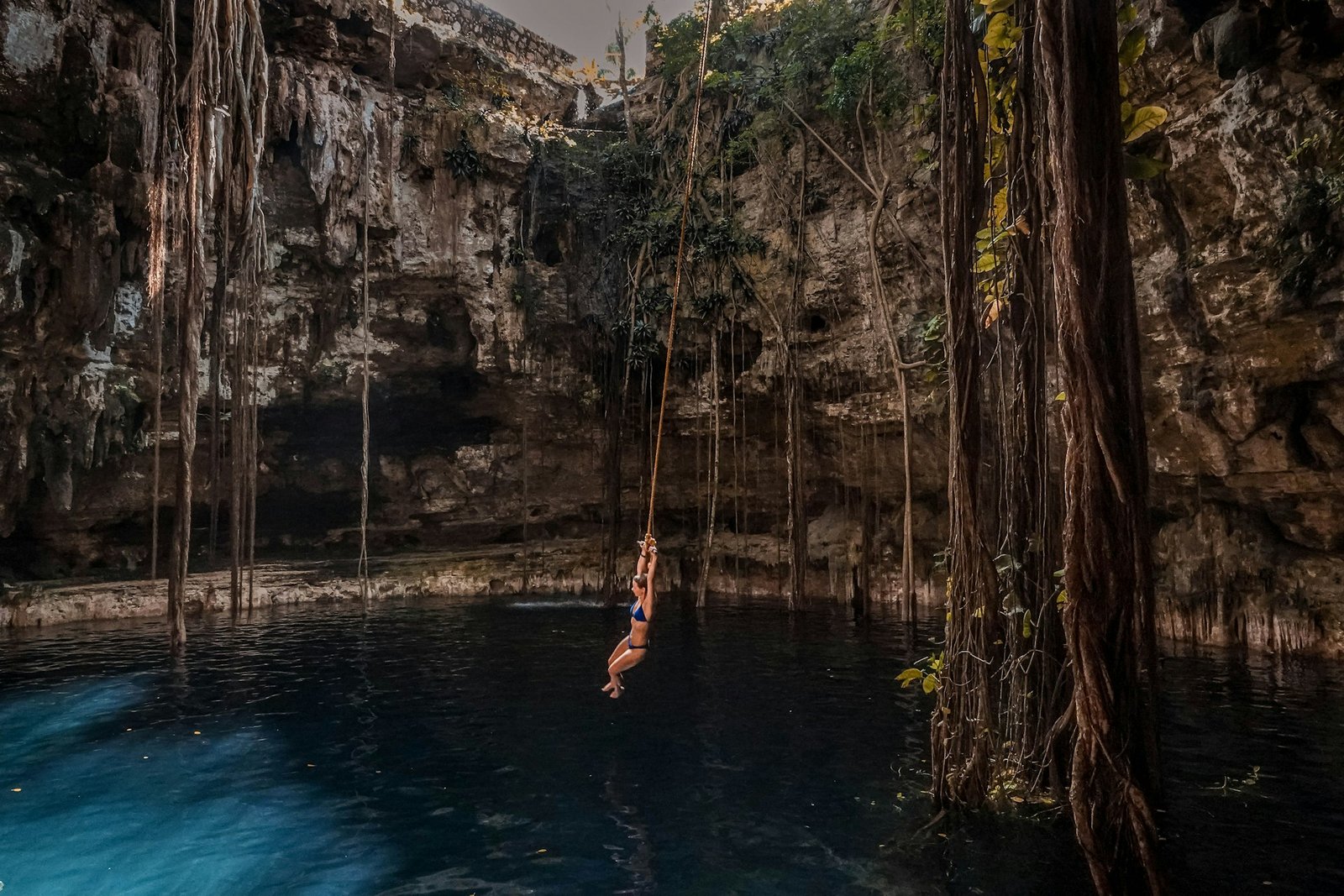
If there’s one thing you must do here, it’s this. The Yucatán Peninsula is a flat plate of limestone, riddled with thousands of cenotes: natural sinkholes and caves filled with crystal-clear fresh water. For the ancient Maya, they were sacred entrances to the underworld. For you, they’re the most magical swimming pools you’ll ever see.
There are three main types. Open cenotes look like lakes in the jungle. Semi-open cenotes are partly covered by rock, often with vines hanging down into the water. Cave cenotes are completely underground, lit by a single opening in the ceiling, with light beams dancing on the water.
Some of the best:
- Gran Cenote near Tulum: clear water, turtles and great snorkelling through caves
- Dos Ojos between Tulum and Playa del Carmen: two connected cenotes, famous with snorkellers and divers
- Cenote Suytun near Valladolid: the famous cave with a round platform in the middle and a light beam from above
- Cenote Oxman near Valladolid: a deep round cenote with a rope swing and hanging roots
- Ik Kil near Chichén Itzá: huge, beautiful and busy. Go early
Entry fees usually range from around 100 to 500 MXN. Most cenotes require you to shower before swimming and don’t allow regular sunscreen, to protect the water. Life jackets are often mandatory or available to rent.
3. Visit Chichén Itzá
Chichén Itzá is one of the New Seven Wonders of the World and the most famous Maya site in Mexico. Its giant pyramid, El Castillo, was built as a calendar: it has 365 steps, one for each day of the year. On the spring and autumn equinoxes, the shadows on the stairs form the body of a snake that seems to slither down the pyramid.
Don’t miss the Great Ball Court, the largest in Mesoamerica, where the clapping of your hands echoes in a strange way, and the Sacred Cenote, where the Maya made offerings to the rain god.
Entry for foreign adults costs around 700 MXN. Pay in cash pesos, because card machines often don’t work. The site is about two and a half hours from Cancún or 45 minutes from Valladolid.
Our tip: skip the big bus tours from Cancún and stay overnight in Valladolid instead. Then you can be at the gate at 8 a.m., before the crowds, and see the pyramid almost empty.

4. Snorkel with Sea Turtles
Seeing a sea turtle in the wild is a dream for many travellers, and here it’s surprisingly easy. In Akumal, a bay between Playa del Carmen and Tulum, green sea turtles come to graze on the seagrass just a short swim from the beach.
The bay is a protected area. You’ll usually need to go with a licensed guide, wear a life jacket and keep your distance from the turtles. Never touch them or chase them. Simply float and watch. It’s an unforgettable experience.
Further offshore, Cozumel also has turtles, along with rays, colourful fish and some of the most beautiful reefs in the region. Snorkelling trips from Cozumel or Playa del Carmen are mid-range in price and often include several reef stops.

5. Dive Cozumel and the Cenotes
The Riviera Maya is a world-class diving destination, with two completely different experiences.
Cozumel sits on the Mesoamerican Reef, the second-largest barrier reef in the world. The water is incredibly clear, often with visibility of 30 metres or more, and the strong currents make for relaxed drift dives past coral walls, turtles, rays and huge schools of fish. Beginners can do their first open water course here, and certified divers will be in heaven.
Cenote diving is something you can’t do in many places in the world. With an experienced guide, certified open water divers can dive into cenotes like Dos Ojos or The Pit, following light beams into flooded caves full of stalactites. In some cenotes, you’ll even see the “halocline”, where fresh water and salt water meet and the water seems to shimmer like a mirage.
Diving here is mid-range to expensive, but compared with other world-class diving destinations, it’s good value.
6. Sail to Isla Mujeres
A catamaran trip to Isla Mujeres is one of the most popular day trips from Cancún, and it’s a lot of fun. Most tours include snorkelling on the reef, an open bar, lunch and a few hours of free time on the island, where you can rent a golf cart and drive to Punta Sur, the southern tip of the island.
If you’d rather do it yourself, take the regular ferry from Cancún. It’s much cheaper, and you can spend the whole day on the island at your own pace. Don’t miss Playa Norte, one of the most beautiful beaches in Mexico, with calm, shallow, turquoise water.

7. Swim with Whale Sharks
From around June to September, hundreds of whale sharks, the largest fish in the ocean, gather off the coast of Isla Mujeres and Holbox to feed on plankton. Swimming next to an animal the size of a bus, which glides past you slowly with its mouth wide open, is a once-in-a-lifetime experience.
These tours are a splurge and start very early in the morning, with a long boat ride out to sea. Choose a responsible operator that follows the rules: only a few swimmers in the water at a time, no touching, no flash photography and a minimum distance from the animals. Don’t worry, whale sharks only eat plankton and are completely harmless to people.
8. Kayak or Paddleboard the Lagoon of Bacalar
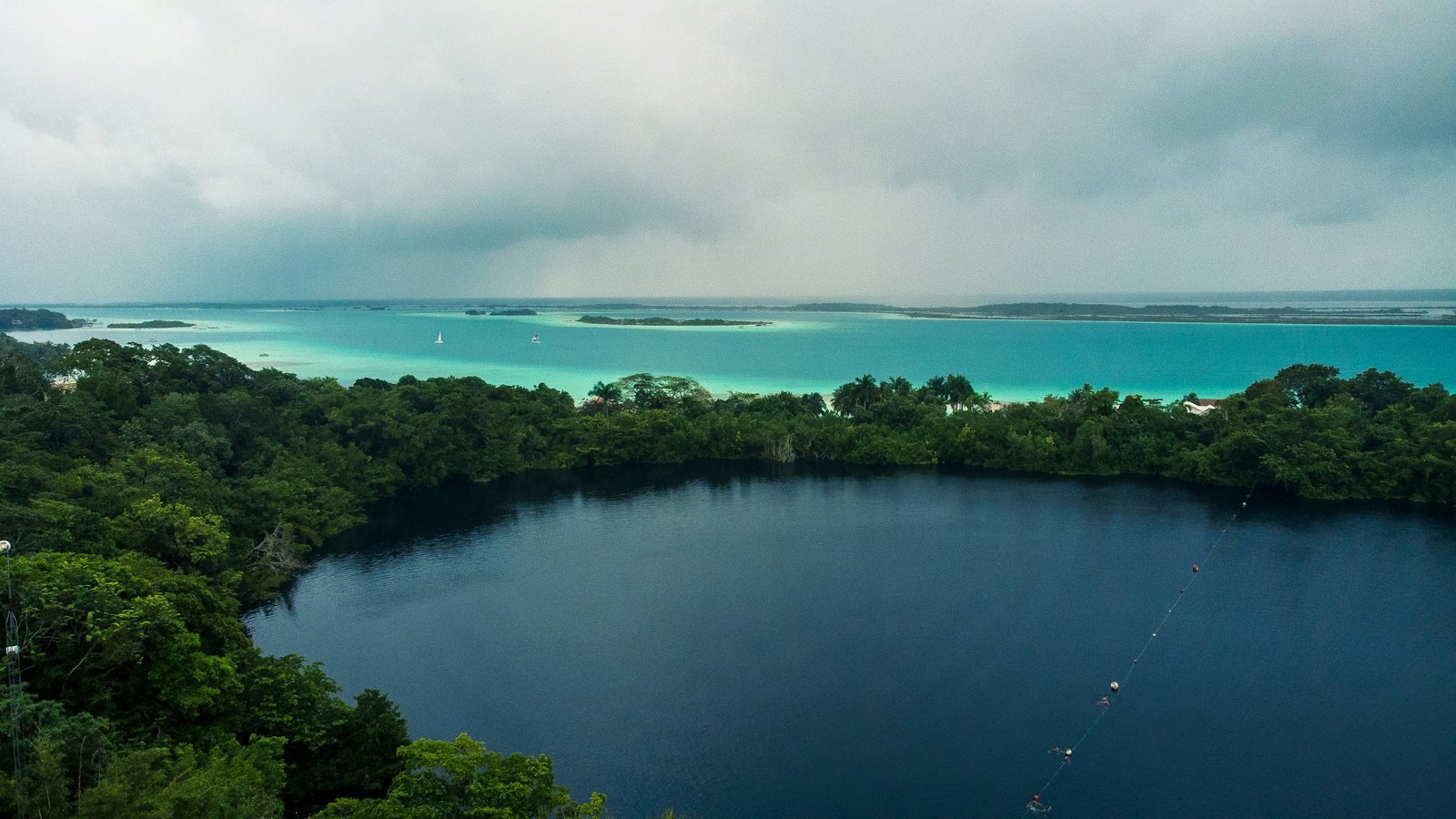
The Laguna de Bacalar is known as the “Lagoon of Seven Colours”, and from above you can see why: the water changes from pale turquoise to deep navy blue, depending on the depth. It’s fresh water, calm and warm, perfect for swimming, kayaking and stand-up paddleboarding.
Get up early and paddle out at sunrise, when the lagoon is like glass. Or join a boat tour to the Pirates’ Channel, the Cenote Negro and the Island of Birds, with swimming stops in water so clear you can see the white sand bottom.
Look out for the stromatolites, rock-like structures built by some of the oldest life forms on earth. They’re very fragile, so never stand or walk on them.
9. Explore Valladolid and Mérida
Give yourself a break from the beach and discover the colonial side of the Yucatán. Valladolid has colourful houses, a pretty main square, the impressive San Bernardino Convent and some of the best local food in the region. Try the cochinita pibil, slow-roasted pork marinated in orange and achiote, often eaten as tacos.
If you have more time, continue to Mérida, the cultural capital of the Yucatán. It has a lively historic centre, beautiful mansions on Paseo de Montejo, great museums and free cultural events almost every evening.
10. Beach Days
Of course, you’ll want some time on the beach too. Here are some favourites:
- Playa Paraíso, Tulum: white sand, palm trees and the ruins in the distance
- Playa Norte, Isla Mujeres: calm, shallow and perfect for swimming
- Xpu-Ha: a quieter beach between Playa del Carmen and Tulum
- Playa Delfines, Cancún: a public beach in the hotel zone with a view and no hotels blocking access
In Mexico, all beaches are public by law. Hotels and beach clubs may rent out sunbeds, but they can’t stop you from walking on the sand or swimming in the sea.
Eating on a Budget
Mexican food is one of the great cuisines of the world, and the Yucatán has its own specialities. Look out for:
- Cochinita pibil: slow-roasted pork in achiote and orange juice, a Yucatán classic
- Tacos al pastor: marinated pork from a spit, with pineapple
- Panuchos and salbutes: small fried tortillas topped with meat, avocado and pickled onions
- Sopa de lima: a chicken and lime soup, perfect after a hot day
- Marquesitas: crispy rolled crêpes filled with cheese and Nutella, sold on the street in the evening
The cheapest and often the best food is at taquerías, street stalls and loncherías (small local eateries). A few tacos and a drink can cost as little as 80 to 150 MXN. In the tourist zones of Tulum and Playa del Carmen, prices are much higher, so walk a few streets away from the beach and the main avenue.
What It Really Costs
Here’s a realistic daily budget per person for a mid-range trip, not counting flights.
- Accommodation: $30 to $70 per person in good guesthouses or small hotels, sharing a double room. Cheaper in Valladolid and Bacalar, more expensive in Tulum
- Food: $20 to $40 a day if you mix street food with a few restaurant meals
- Transport: $10 to $25 a day on average with buses and colectivos
- Activities: budget for entry fees to ruins and cenotes, plus one or two bigger experiences such as diving, a catamaran trip or whale sharks
That works out to around $80 to $160 per person per day. Backpackers who stay in hostels and eat street food can do it for much less. Staying in the Tulum hotel zone can easily triple it.
A Sample 10-Day Itinerary
Days 1 to 3: Playa del Carmen. Day trip to Cozumel for snorkelling or diving, swim with turtles in Akumal and visit the cenotes between Playa and Tulum.
Days 4 to 5: Tulum. Visit the ruins early in the morning, spend the afternoon at the beach, then explore Gran Cenote and Dos Ojos the next day.
Days 6 to 7: Bacalar. Kayak at sunrise, take a boat tour of the lagoon and relax in a hammock over the water.
Days 8 to 9: Valladolid. Visit Chichén Itzá at opening time, swim in Cenote Suytun and Cenote Oxman, and eat cochinita pibil in the main square.
Day 10: Back to Cancún for your flight, or add a day on Isla Mujeres if you have time.
Practical Tips
- Safety: the main tourist areas are generally safe for visitors, but use common sense. Don’t flash expensive items, avoid walking alone late at night in quiet areas and only use official taxis or apps.
- Water: don’t drink tap water. Most hotels have filtered water dispensers.
- Money: pay in pesos where possible, and withdraw cash from ATMs inside banks or shopping centres.
- Biodegradable sunscreen: many cenotes, reefs and parks only allow biodegradable sunscreen. Better still, wear a rash guard.
- Mosquitoes: bring repellent, especially for the jungle and the cenotes.
- Spanish: a few words like “hola”, “gracias” and “la cuenta, por favor” (the bill, please) go a long way.
Booking Tips
- Airport transfer: skip the touts at Cancún airport and book an airport transfer with Kiwitaxi in advance, with a fixed price to Playa del Carmen, Tulum or your hotel
- eSIM: install a Yesim eSIM before you fly, so you have data for maps, bus tickets and colectivo stops in Mexico from the moment you land
- Tours: popular options include a Chichén Itzá day trip, a cenote tour, a catamaran trip to Isla Mujeres and turtle snorkelling in Akumal. You can compare and book most of them on Klook
Final Thoughts
Mexico’s Caribbean coast is so much more than all-inclusive resorts. It’s a place where you can explore an ancient Maya city in the morning, swim in an underground river in the afternoon and eat the best tacos of your life in the evening, all for a fraction of what you’d pay in many other beach destinations.
Get away from the hotel zones, take the colectivo, eat where the locals eat and spend your money on the things that make this place unique: the cenotes, the reefs and the ruins. You’ll come home with stories the all-inclusive crowd will never have.
Prices checked in October 2026. Costs and opening times change, so always confirm before you book.
Leave a Reply