
At the southern tip of South America, the land breaks into jagged granite towers, endless windswept plains and glaciers that crash into turquoise lakes. This is Patagonia, one of the last great wildernesses on earth, shared between Chile and Argentina.
It’s a place for hikers, photographers and anyone who loves wild nature. Condors circle above the peaks, guanacos graze on the steppe, and the wind is so strong that it bends the trees sideways. The distances are huge and the weather can change four times in an hour, but the rewards are unforgettable.
Patagonia has a reputation for being expensive, and parts of it are. But with good planning, the right season and a few smart choices, you can see the highlights without spending a fortune. This guide shows you how.
Patagonia at a Glance
- Where: the southern end of South America, shared between Chile and Argentina
- Main airports: Punta Arenas (PUQ) and Puerto Natales (PNT) in Chile, El Calafate (FTE) and Ushuaia (USH) in Argentina
- Currencies: Chilean peso (CLP) and Argentine peso (ARS). The Argentine exchange rate changes quickly, so check the latest rates and the best way to pay before you go
- Entry: citizens of the EU, the UK, the US, Canada, Australia and many other countries can visit both Chile and Argentina without a visa for up to 90 days. Always check the current rules for your passport
- Language: Spanish. English is spoken in tourist areas, but less so in small towns
- Best time: November to March, the southern summer
- Budget: around $70 to $110 a day for budget travellers, $150 to $250 for a comfortable mid-range trip
When to Go
November to March is the main season. The days are long, with up to 17 hours of daylight, the trails and boat trips are open, and temperatures range from about 5 to 20 degrees Celsius. December to February is the busiest time, and also the windiest.
October and April are quieter and often less windy, with beautiful spring flowers or autumn colours. Some services may not be running yet, and the weather can be colder.
May to September is winter. Many hotels, trails and boat trips close, and snow can block roads. It’s beautiful and empty, but only for experienced travellers.
Our tip: travel in November, March or early April for fewer crowds, lower prices and often calmer weather.
Getting Around
Patagonia is huge, so plan your route carefully. The classic trip combines Torres del Paine in Chile with El Calafate and El Chaltén in Argentina, often with a flight south to Ushuaia at the end.
- Buses: comfortable long-distance buses connect Puerto Natales, El Calafate and El Chaltén. The ride between Puerto Natales and El Calafate takes around five to six hours, including the border crossing
- Flights: domestic flights save a lot of time, for example from El Calafate to Ushuaia or from Santiago and Buenos Aires to the south
- Rental car: gives you freedom, but crossing the border with a rental car needs special paperwork and costs extra. Many roads are gravel
- Tours: organised day trips are the easiest way to reach Torres del Paine and the Perito Moreno Glacier without a car
Things to Do in Patagonia
Here are the experiences we think are worth your time and money.
1. Hike to the Base of the Towers
The three granite towers of Torres del Paine are the symbol of Patagonia, and hiking to their base is one of the great day hikes of the world. The trail climbs through a windy valley and a beech forest, then up a steep moraine of boulders to a glacial lake right below the towers.
The hike is around 20 km return and takes eight to ten hours. It’s tough, but most fit hikers can do it. Start early, ideally to see the first light turn the towers orange at sunrise, and bring layers, as the weather at the top can be cold and windy.
A park entrance ticket is required and must be bought online in advance. Check the latest rules before you go.
2. Trek the W Circuit
The W Trek is the most famous multi-day hike in Torres del Paine. Over four or five days, it takes you to the three highlights of the park: the Base of the Towers, the French Valley, with hanging glaciers all around you, and Grey Glacier.
You’ll sleep in refugios (mountain lodges with dorm beds and meals) or in campsites along the way. All accommodation on the trail must be booked well in advance, often months ahead for the peak season. Refugios are expensive, so camping with your own gear is the best way to save money.

3. See Grey Glacier by Boat or Kayak
Grey Glacier is a huge wall of blue ice at the end of Lake Grey, where icebergs float in the grey-blue water. You can see it from the hiking trail, but the best view is from the water.
Boat trips cross the lake to the face of the glacier, and kayak tours let you paddle between the icebergs, an unforgettable experience. Both are mid-range to expensive in price. Kayaking depends on the weather, so keep your plans flexible.
4. Spot Wildlife on the Patagonian Steppe
Patagonia is a fantastic place to see wildlife. Herds of guanacos, the wild relatives of the llama, graze on the grasslands of Torres del Paine, often right next to the road. You’ll also see rheas (ostrich-like birds), foxes, flamingos on the lagoons and huge Andean condors soaring above the cliffs.
Torres del Paine is also one of the best places in the world to see wild pumas. Specialist puma-tracking tours with expert guides have a good chance of sightings, especially in autumn and winter. They’re a splurge, but seeing a puma in the wild is a once-in-a-lifetime moment.

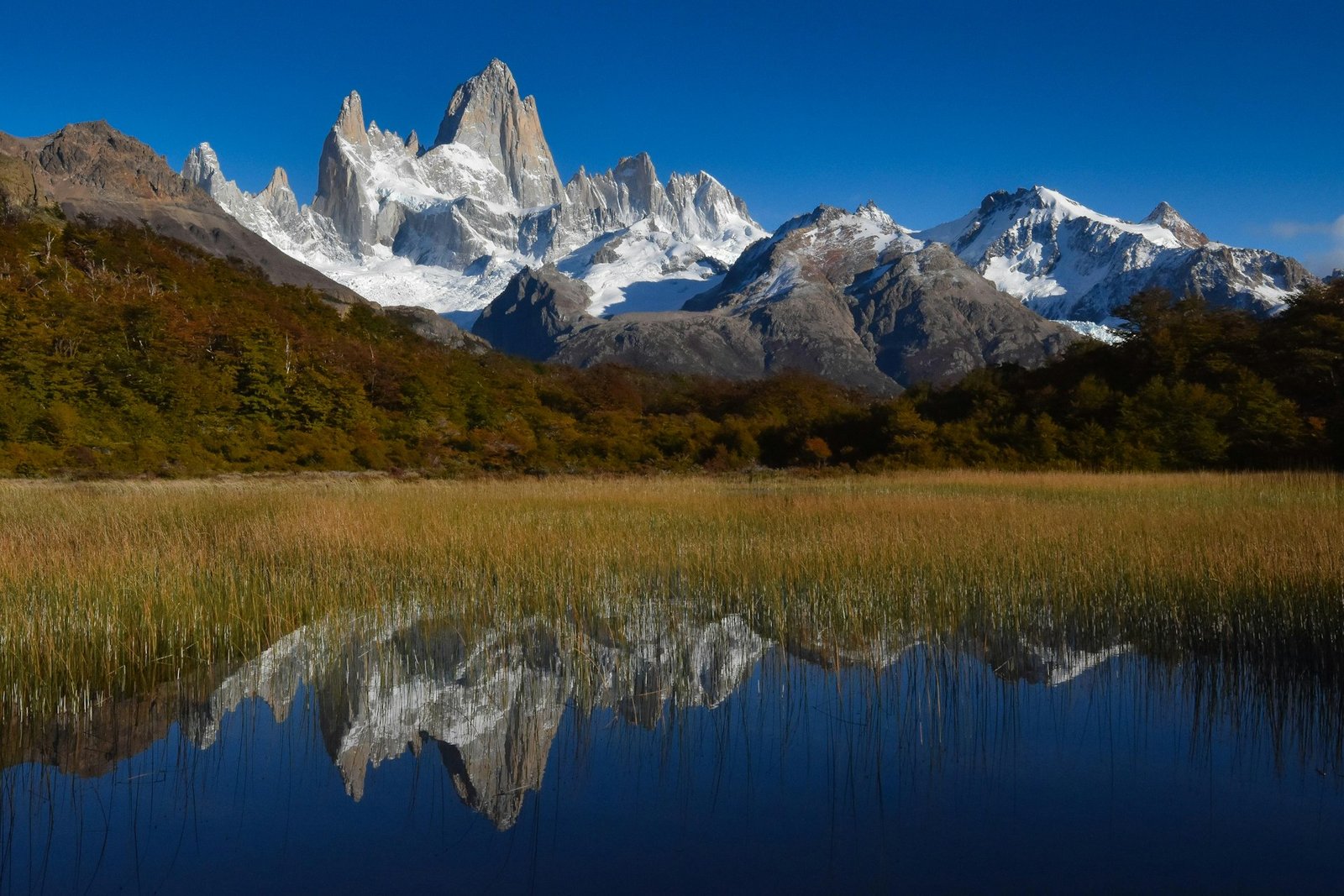
5. Hike to Laguna de los Tres Below Fitz Roy
Across the border in Argentina, the small mountain village of El Chaltén calls itself the trekking capital of Argentina. And best of all, the trails in this part of Los Glaciares National Park are free.
The most famous hike leads to Laguna de los Tres, a glacial lake right below the jagged peak of Mount Fitz Roy. The trail is around 20 to 22 km return and takes eight to ten hours. The last kilometre is a very steep climb, but the view is one of the most spectacular in South America. Many hikers start in the dark to see Fitz Roy glow red at sunrise.

6. Walk to Laguna Torre and Explore El Chaltén
The second classic hike from El Chaltén goes to Laguna Torre, a lake with floating icebergs below the needle-sharp peak of Cerro Torre. It’s easier than Laguna de los Tres, around 18 km return, with less climbing.
For a shorter walk, hike up to the Mirador de los Cóndores above town, where you can watch condors and enjoy a great view of Fitz Roy at sunset. El Chaltén itself is a friendly little place with cosy cafés, craft beer pubs and bakeries where hikers swap stories at the end of the day.
7. Watch the Perito Moreno Glacier
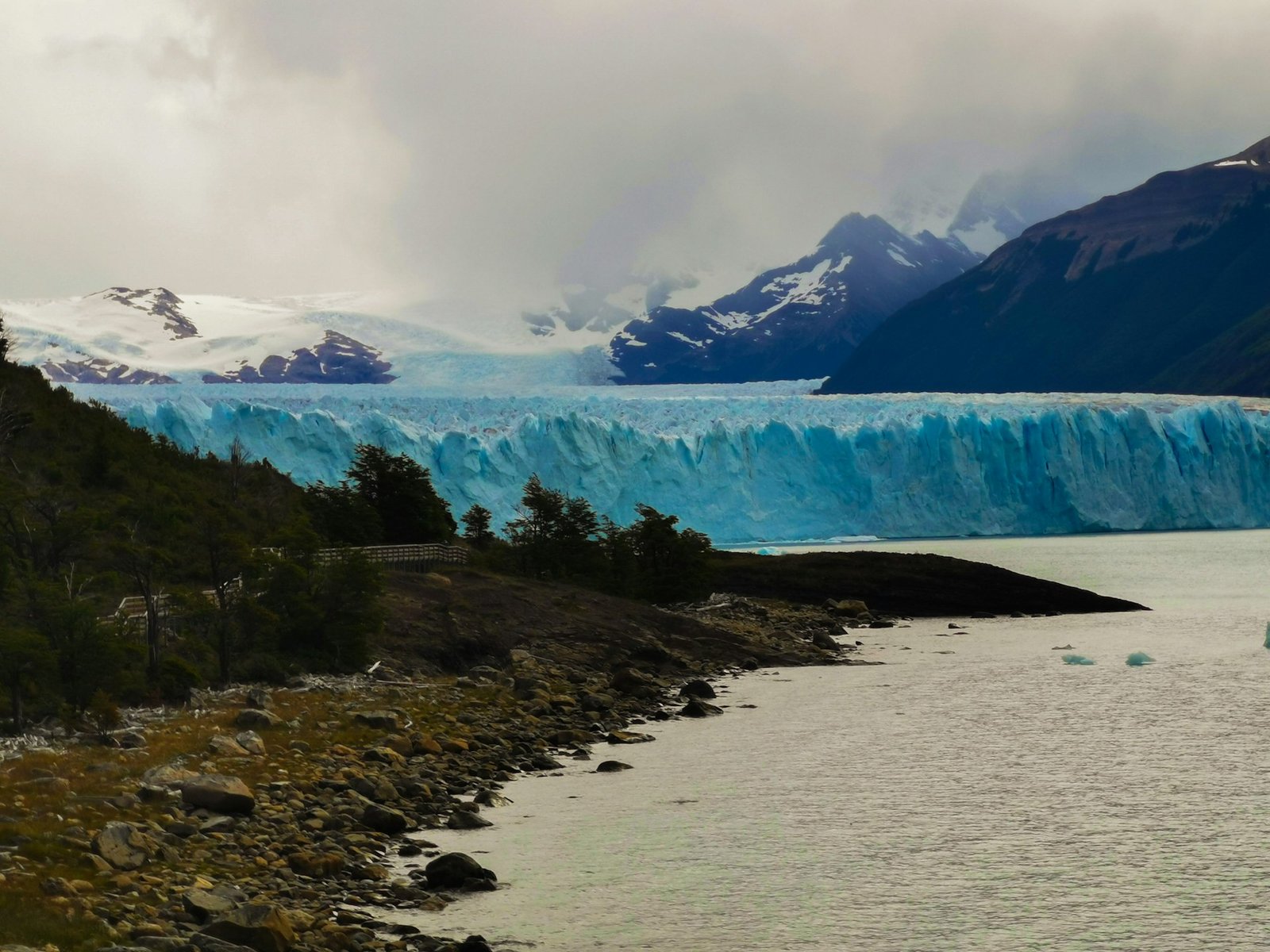
Near El Calafate, the Perito Moreno Glacier is one of the few glaciers in the world that isn’t shrinking. Its front is 5 km wide and up to 70 metres high, and huge blocks of ice regularly break off and crash into the lake with a sound like thunder.
A network of walkways on the Magallanes Peninsula lets you watch the glacier from just a few hundred metres away. Spend a few hours there and you’ll almost certainly see ice falling. For a closer look, take a boat trip to the face of the glacier or join a guided ice trek with crampons on the glacier itself. The ice trek is a splurge and has age limits, but it’s unforgettable.
8. Cruise the Beagle Channel from Ushuaia
Ushuaia, on the island of Tierra del Fuego, is often called the southernmost city in the world. It sits between snowy mountains and the Beagle Channel, named after the ship that carried Charles Darwin.
Boat trips on the Beagle Channel pass islands covered in sea lions and cormorants and sail to the famous red and white Les Eclaireurs Lighthouse, often called the lighthouse at the end of the world. Trips are mid-range in price and range from a few hours to a full day.

9. Walk with Penguins on Isla Martillo
From around October to March, thousands of Magellanic and Gentoo penguins nest on Isla Martillo in the Beagle Channel, east of Ushuaia. Most boat trips sail past the island, but one licensed operator offers small-group walks on the island itself, where you can stand just a few metres from the penguins.
Places on the walking tour are limited and sell out quickly, so book as early as you can.
10. Explore Tierra del Fuego National Park
Just outside Ushuaia, Tierra del Fuego National Park is where the famous Pan-American Highway finally ends. Easy hiking trails lead along the coast, through southern beech forests and past lakes and peat bogs.
Get there on the End of the World Train, a historic steam train that once carried prisoners to cut wood in the forest. It’s touristy, but fun. The Coastal Path (Senda Costera) is one of the most beautiful walks in the park.
Where to Stay on a Budget
Accommodation is one of the biggest costs in Patagonia, especially in Chile:
- Hostels: Puerto Natales, El Calafate, El Chaltén and Ushuaia all have good hostels with private rooms
- Guesthouses and cabins: called hospedajes or cabañas, these family-run places are often great value
- Campsites: the cheapest way to stay in the national parks, with or without your own tent
- Refugios and hotels in Torres del Paine: convenient but expensive. Staying in Puerto Natales and doing day trips is much cheaper
Book early for December to February, especially in El Chaltén and Torres del Paine.
Eating on a Budget
Patagonian food is hearty and perfect after a long hike:
- Try Patagonian lamb: slow-roasted over an open fire, it’s the region’s signature dish
- Eat an asado: in Argentina, a traditional barbecue of beef and sausages is a must
- Order empanadas: cheap, filling pastries that make a perfect lunch on the trail
- Taste calafate berries: according to legend, anyone who eats them will return to Patagonia
- Self-cater: supermarkets in the towns are the best way to save money, especially before multi-day hikes
Prices in remote places like Torres del Paine are much higher, so stock up in town before you go.
What It Really Costs
Here’s a realistic daily budget per person for a comfortable mid-range trip, not counting international flights.
- Accommodation: $50 to $110 per person, sharing a double room in a guesthouse or small hotel
- Food: $25 to $50 a day, mixing self-catering with restaurant meals
- Transport: $20 to $50 a day on average, including long-distance buses and one domestic flight
- Activities: budget for the highlights separately: Torres del Paine entrance and refugio or campsite fees, a Grey Glacier boat or kayak trip, a Perito Moreno boat trip or ice trek and a Beagle Channel cruise
That works out to around $150 to $250 per person per day. Hikers who camp and cook for themselves can travel for much less.
A Sample 14-Day Itinerary
Day 1: Fly to Punta Arenas and take the bus to Puerto Natales.
Days 2 to 6: Torres del Paine. Trek the W Circuit, or do day trips to the Base of the Towers and Grey Glacier.
Day 7: Bus from Puerto Natales to El Calafate.
Day 8: The Perito Moreno Glacier, with a boat trip or an ice trek.
Day 9: Bus to El Chaltén. Short walk to the Mirador de los Cóndores.
Days 10 to 11: Hike to Laguna de los Tres and Laguna Torre.
Day 12: Back to El Calafate and fly to Ushuaia.
Days 13 to 14: Beagle Channel cruise, the penguins of Isla Martillo and Tierra del Fuego National Park, then fly home.
Practical Tips
- Book early: refugios and campsites in Torres del Paine, the penguin walk and buses in peak season sell out fast
- Pack for all weather: a windproof and waterproof jacket, warm layers, a hat, gloves and sunglasses, even in summer
- Bring good hiking boots that are already broken in
- Use strong sun protection: the UV levels in Patagonia are very high
- Carry cash and a card: check the latest advice on paying in Argentina before you travel, as it changes often
- Leave no trace: fires are strictly forbidden in Torres del Paine, and serious wildfires have been caused by careless visitors
Booking Tips
- Airport transfer: book an airport transfer with Kiwitaxi from El Calafate, Punta Arenas or Ushuaia airport to your hotel, with a fixed price and a driver waiting for you after the long flight south
- eSIM: install a Yesim eSIM before you fly, so you have data for maps and bus tickets in both Chile and Argentina. Expect little or no signal on the trails and in the national parks
- Tours: popular options include a Torres del Paine full-day tour, a Perito Moreno Glacier boat trip, a glacier mini-trekking tour and a Beagle Channel cruise from Ushuaia. You can compare and book most of them on Klook
Final Thoughts
Patagonia is not an easy destination. The wind will push you around, the weather will surprise you and the distances will test your patience. But when the clouds clear and the towers of Torres del Paine or the peak of Fitz Roy glow red in the first light of the day, you’ll understand why people travel from all over the world to be here.
Travel in the shoulder season, book early, pack well and spend your money on the experiences that matter most. Patagonia will reward you with some of the most spectacular days of your life.
Prices checked in October 2026. Costs and opening times change, so always confirm before you book.
Leave a Reply