Australia’s east coast is one of the great road trips of the world. It starts in Sydney, with its famous harbour, sails and beaches, then follows the Pacific Ocean north past surf towns, national parks, rainforest, lighthouses and the largest sand island on earth.
Along the way, you can walk along clifftops above the ocean, learn to surf, spot koalas in the wild, swim in crystal-clear freshwater lakes and drive a 4WD along a beach that’s also a highway. And because the route is so popular, it’s easy to travel independently, with good roads, campsites, hostels and friendly towns all along the coast.
Australia isn’t a cheap country, but a road trip is one of the best ways to see it on a budget. This guide shows you the highlights between Sydney and K’gari, the experiences that are really worth it and what the trip will actually cost.
The East Coast at a Glance
- Where: the coast of New South Wales and Queensland, from Sydney north to K’gari (Fraser Island)
- Main airports: Sydney (SYD), Brisbane (BNE), Gold Coast (OOL) and Ballina Byron (BNK)
- Currency: Australian dollar (AUD). One US dollar is roughly 1.5 Australian dollars
- Entry: most visitors need an electronic visa before travel. EU citizens can apply for a free eVisitor, while travellers from the US, Canada and some other countries use the ETA app
- Driving: on the left side of the road
- Distance: around 1,300 km from Sydney to Hervey Bay, the gateway to K’gari
- Best time: September to November and March to May
- Budget: around $80 to $120 a day for budget travellers, $150 to $250 for a comfortable mid-range trip
When to Go
September to November is spring. The weather is warm and sunny, the ocean is warming up, and it’s whale-watching season, when humpback whales migrate south along the coast.
December to February is summer and the main holiday season in Australia. It’s hot and busy, prices are higher and you’ll need to book accommodation well ahead, especially around Christmas and the school holidays.
March to May is autumn, with warm days, calm seas and fewer crowds. It’s one of the best times for a road trip.
June to August is winter. Sydney is cool, but the coast further north is mild and sunny, and you can see whales migrating north.
Our tip: travel in October, November, March or April for great weather, warm water and fair prices.
Getting Around
The best way to travel the east coast is by car or campervan. A campervan saves money on accommodation and gives you the freedom to stop at beaches and campsites along the way. Book early for the summer holidays, and check one-way fees if you’re dropping the vehicle off in a different city.
If you don’t want to drive, Greyhound buses and hop-on hop-off passes connect the main towns along the coast, and domestic flights are quick and often cheap.
In Sydney, use the Opal system or simply tap on and off with your contactless card for trains, buses and ferries. Travel is capped at a daily and weekly maximum, which makes exploring very affordable.
Things to Do on Australia’s East Coast
Here are the experiences we think are worth your time and money.
1. See the Opera House and Harbour Bridge
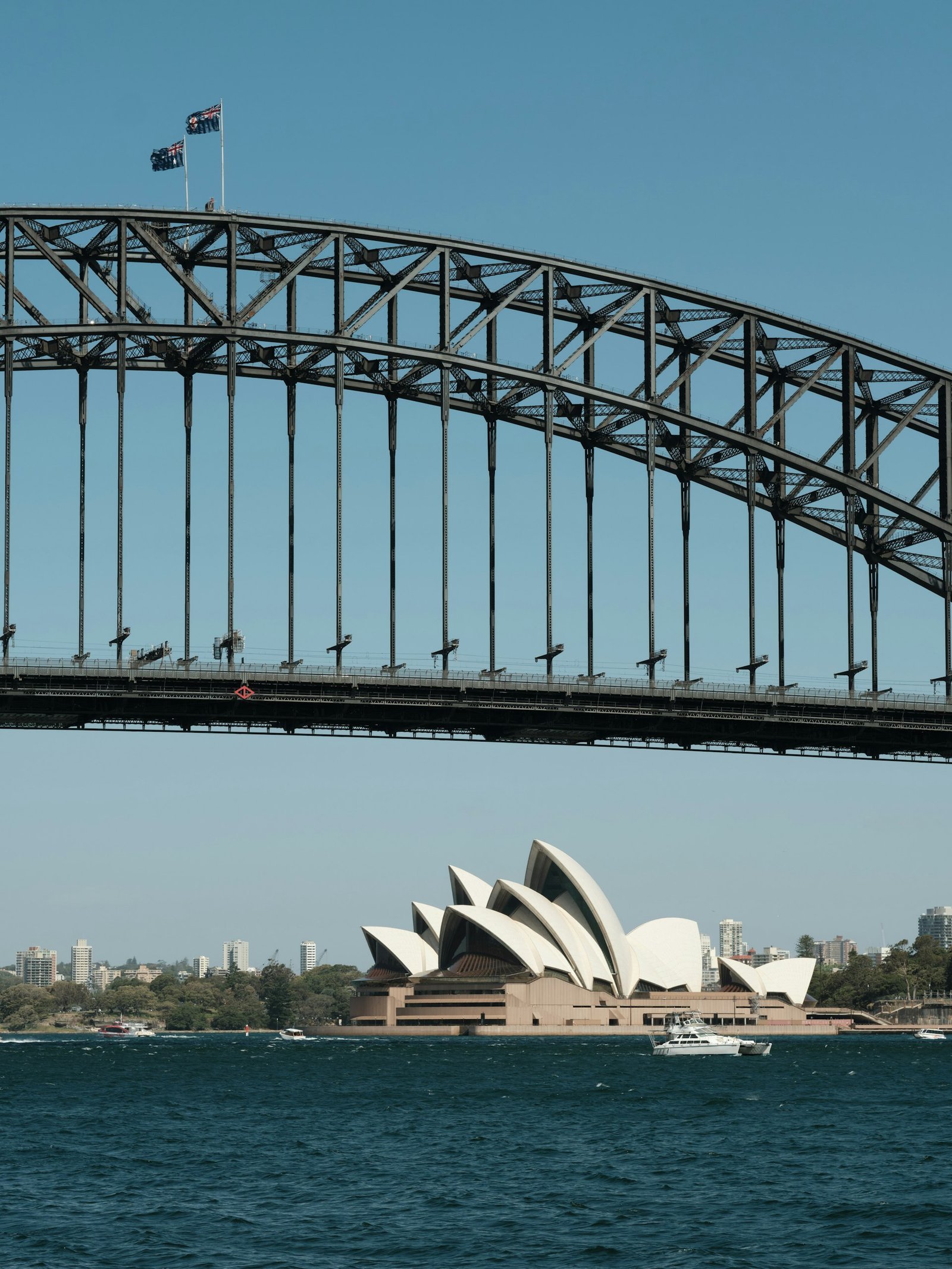
Sydney’s harbour is one of the most beautiful city settings in the world, and the Sydney Opera House and the Harbour Bridge are its stars. Walk around the Opera House, take a guided tour inside or catch a performance, then stroll through the Royal Botanic Garden to Mrs Macquarie’s Chair for the classic view of both landmarks together.
You can walk across the Harbour Bridge for free on the pedestrian walkway. For a bird’s-eye view, climb the Pylon Lookout for a small fee, or join the famous BridgeClimb to the top of the arch, a real splurge but an unforgettable experience. In the evening, wander through The Rocks, Sydney’s oldest neighbourhood, with historic pubs and weekend markets.
2. Take the Ferry to Manly
One of the best things you can do in Sydney costs only the price of a ferry ticket. The ride from Circular Quay to Manly takes about 30 minutes and crosses the whole harbour, with views of the Opera House, the bridge, the city skyline and the cliffs of the harbour entrance.
Manly has a long surf beach, a relaxed promenade and the calm swimming spot of Shelly Beach, where you can snorkel with friendly fish. Keen walkers can take the Spit to Manly walk, around 10 km through bushland and past hidden beaches.
3. Walk from Bondi to Coogee
Bondi Beach is Australia’s most famous beach, a golden crescent of sand with surfers, lifeguards and beachfront cafés. At its southern end, the Bondi Icebergs pool, filled with seawater, sits right on the rocks, with waves crashing over its edge. A swim here costs only a small fee.
From Icebergs, the Bondi to Coogee Coastal Walk follows the cliffs for about 6 km, past sandstone cliffs, rock pools and the beaches of Tamarama, Bronte and Clovelly. It’s one of the most beautiful free things to do in Sydney. Go early in the morning, bring your swimmers and stop for a dip along the way.

4. Explore the Blue Mountains
About two hours west of Sydney, the Blue Mountains are a UNESCO World Heritage Site of deep valleys, sandstone cliffs, waterfalls and eucalyptus forests. The oils from the eucalyptus trees give the air a blue haze, which is how the mountains got their name.
The most famous sight is the Three Sisters, a group of rock pillars at Echo Point in Katoomba. From there, walking trails lead along the cliffs and down into the valley. Scenic World has a cable car, a skyway and the steepest passenger railway in the world, a fun but pricier option.
The Blue Mountains are easy to reach by train from Sydney, making them a great budget day trip. Stay overnight to enjoy the sunset and sunrise from the lookouts.

5. Climb the Sand Dunes of Port Stephens
About two and a half hours north of Sydney, Port Stephens is a beautiful bay with white beaches and calm water. It’s home to a large population of wild bottlenose dolphins, and dolphin-watching cruises have a very good chance of sightings. In season, the same boats also go whale watching.
Nearby, the Stockton Bight Sand Dunes are the largest moving sand dunes in the Southern Hemisphere. Join a 4WD tour or try sandboarding down the dunes. It’s a lot of fun and budget-friendly.
6. Watch the Sunrise in Byron Bay
Byron Bay is the most famous beach town in Australia, a laid-back place of surfers, yoga studios, cafés and long golden beaches. Walk up to the Cape Byron Lighthouse at sunrise and you’ll be standing at the most easterly point of mainland Australia, among the first to see the sun rise over the continent.
The Cape Byron Walking Track loops around the headland in about two hours, with views over the beaches and the ocean. Look out for dolphins in the waves and, in season, whales passing by. Byron is popular and can be expensive, so book early or stay in a nearby town like Lennox Head.

7. Learn to Surf
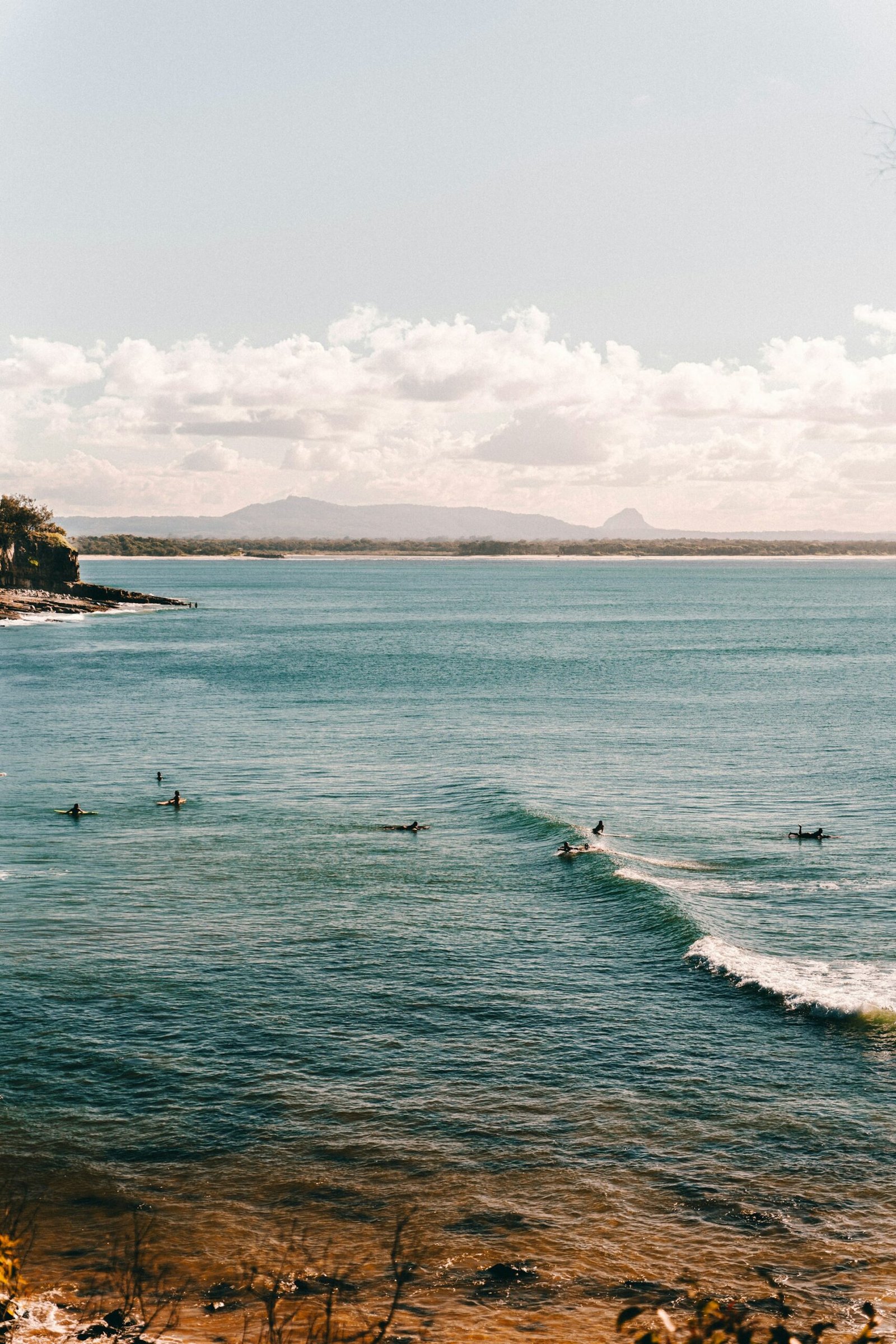
The east coast is one of the best places in the world to learn to surf, with gentle waves, warm water and surf schools in almost every beach town. Byron Bay, the Gold Coast and Noosa are especially good for beginners. Group lessons are budget-friendly and include a board and wetsuit.
In Noosa, the long, gentle point breaks of Noosa National Park are perfect for longboarding. Watching the local surfers glide along the waves is a show in itself.
8. Spot Koalas in Noosa National Park
Noosa is one of the most beautiful towns on the coast, with a relaxed beach, a river lined with restaurants and a stunning national park right next to town. The Coastal Walk in Noosa National Park follows the headland past secluded bays, rocky points and lookouts.
Keep your eyes on the eucalyptus trees above the path: Noosa National Park is one of the best places on the coast to see wild koalas. Rangers and other walkers will often point them out. The walk is free, and you can finish with a swim at Tea Tree Bay.
9. Swim in the Lakes of K’gari
K’gari, formerly known as Fraser Island, is the largest sand island in the world and a UNESCO World Heritage Site. Rainforest grows right out of the sand, and there are more than 100 freshwater lakes on the island.
The most famous is Lake McKenzie, with pure white silica sand and water so clear it looks like a swimming pool. Lake Wabby, at the edge of a giant sand dune, and the crystal-clear Eli Creek, where you can float down a gentle stream, are other highlights.
The only way to get around K’gari is by 4WD. If you’re not experienced with sand driving, join a guided 4WD tour from Hervey Bay or Rainbow Beach. It’s mid-range in price and takes care of all the planning, permits and driving.

10. Drive Along 75 Mile Beach to the Maheno Shipwreck
On K’gari, the long ocean beach on the eastern side, 75 Mile Beach, is an official highway. Driving along it, with the ocean on one side and the forest on the other, is an unforgettable experience.
Along the way, you’ll pass the rusty wreck of the SS Maheno, a passenger ship that washed ashore during a cyclone in 1935, and the coloured sand cliffs of The Pinnacles. At Indian Head, a rocky headland in the north, you can look down on sharks, rays and turtles in the clear water below.
Never swim in the ocean on K’gari, as the currents are dangerous and there are sharks. Also keep your distance from the island’s wild dingoes, and never feed them.

Where to Stay on a Budget
The east coast has plenty of affordable options:
- Campervans and campsites: the best value for most travellers. Holiday parks have powered sites, kitchens, pools and clean bathrooms, and national park campsites are often in beautiful locations
- Hostels: the east coast has some of the best hostels in Australia, with pools, bars and organised trips, and private rooms as well as dorms
- Motels: simple and affordable, found in every town along the coast
- Holiday apartments: great for couples and families, with a kitchen to save money on food
Book early for the summer holidays, especially in Byron Bay and Noosa.
Eating on a Budget
Eating out in Australia is expensive, but there are many ways to save:
- Cook for yourself: supermarkets like Woolworths, Coles and Aldi are everywhere, and most campsites and hostels have kitchens
- Use the free public barbecues: you’ll find them in parks and on beachfronts all along the coast
- Try fish and chips on the beach: a classic Australian meal that’s cheap and delicious
- Look for pub specials: many pubs offer cheap lunch and dinner deals on certain days
- Taste the local treats: a meat pie, a flat white, a Tim Tam and fresh prawns in Queensland
What It Really Costs
Here’s a realistic daily budget per person for a comfortable mid-range trip, not counting international flights.
- Accommodation: $50 to $100 per person, sharing a motel room, apartment or campervan with campsite fees
- Food: $30 to $60 a day, mixing self-catering with cafés and pub meals
- Transport: $30 to $60 a day per person, including a rental car or campervan shared by two and fuel
- Activities: budget for the highlights separately: an Opera House tour or BridgeClimb, a dolphin cruise, a surf lesson and a 4WD tour on K’gari
That works out to around $150 to $250 per person per day. Backpackers who stay in hostels and cook for themselves can travel for much less.
A Sample 14-Day Itinerary
Days 1 to 3: Sydney. The Opera House, the Harbour Bridge, The Rocks, the ferry to Manly and the Bondi to Coogee walk.
Day 4: Day trip to the Blue Mountains.
Day 5: Drive to Port Stephens. Dolphin cruise and the sand dunes.
Days 6 to 7: Drive north along the coast, with stops at beach towns like Port Macquarie and Coffs Harbour.
Days 8 to 9: Byron Bay. Sunrise at the lighthouse, a surf lesson and the beaches.
Day 10: Drive through the Gold Coast to Noosa.
Days 11 to 12: Noosa. The coastal walk, koalas and the beach.
Days 13 to 14: K’gari. A two-day 4WD tour from Rainbow Beach or Hervey Bay, then fly home from Brisbane or Hervey Bay.
Practical Tips
- Swim between the red and yellow flags: they mark the areas patrolled by lifeguards. Rip currents are a real danger on Australian beaches
- Use strong sun protection: the Australian sun is very strong, even on cloudy days
- Watch for wildlife on the roads, especially kangaroos at dawn and dusk
- Book campsites and tours early in summer and during the school holidays
- Don’t drive too far in one day: distances are long, and the best moments happen when you stop
- Respect the dingoes on K’gari and follow all the safety rules
Booking Tips
- Airport transfer: book an airport transfer with Kiwitaxi from Sydney airport to your hotel, or from Brisbane at the end of your road trip, with a fixed price and a driver waiting for you
- eSIM: install a Yesim eSIM before you fly, so you have data for maps, campervan bookings and road updates in Australia from the moment you land
- Tours: popular options include a Sydney Harbour cruise, a Blue Mountains day trip, a surf lesson in Byron Bay and a 4WD tour of K’gari. You can compare and book most of them on Klook
Final Thoughts
A road trip along Australia’s east coast gives you a little of everything that makes Australia special: a world-class city, golden beaches, rainforest-covered mountains, wild dolphins and koalas, and the magical lakes of K’gari.
Travel in spring or autumn, rent a car or campervan, cook some of your own meals and take your time. The east coast is the kind of trip you’ll talk about for the rest of your life.
Prices checked in October 2026. Costs and opening times change, so always confirm before you book.
Leave a Reply