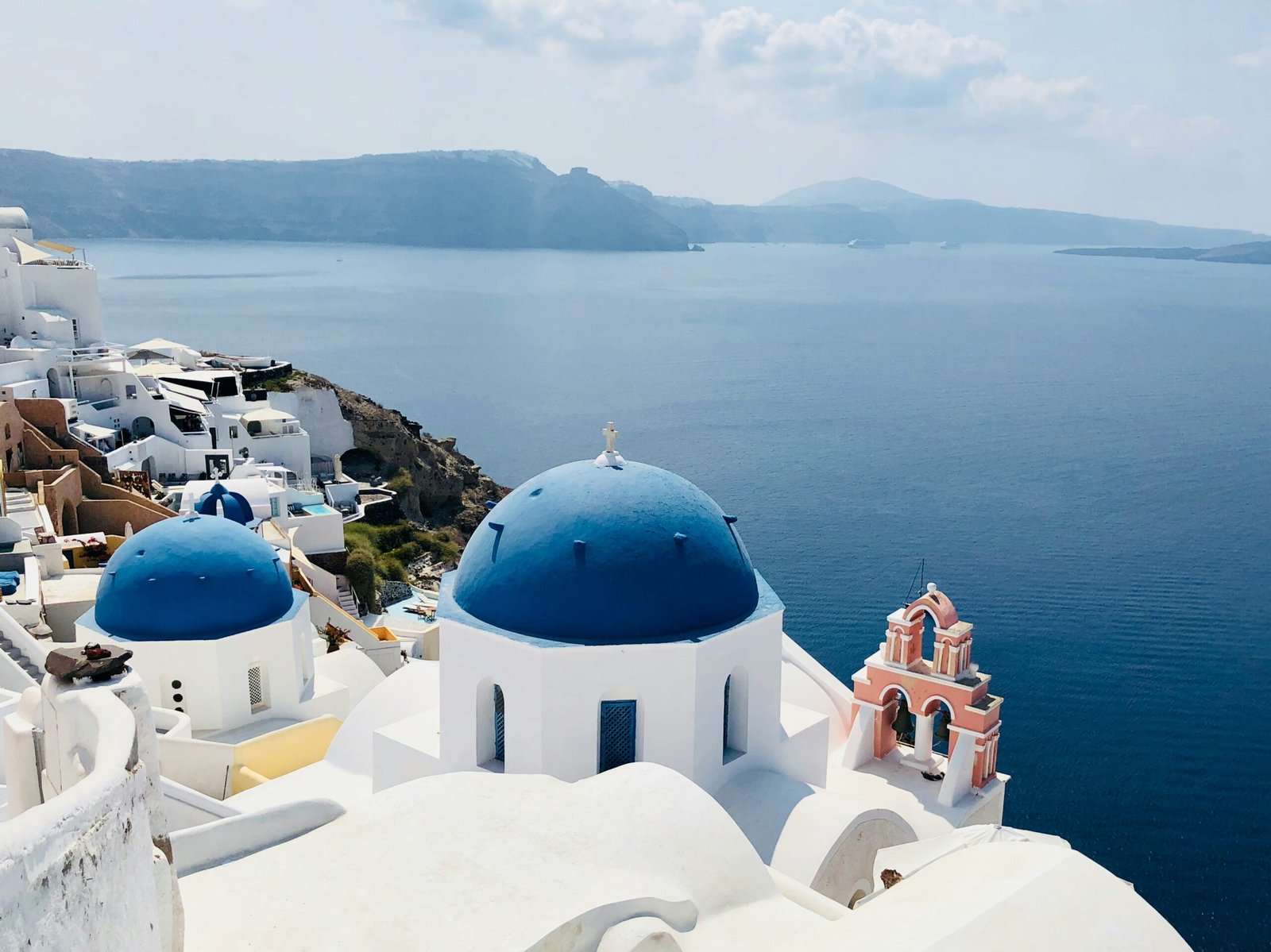
White houses stacked on a cliff, blue domes against an even bluer sea, and a sunset that makes whole crowds start clapping. That’s the picture most people have of the Greek islands, and it’s real. But the Cyclades are more than one postcard. There are more than 200 islands in this group alone, and they can feel completely different from one another.
Three names come up again and again when people plan their first trip: Santorini, the famous one; Milos, the one everyone is suddenly talking about; and Naxos, the big, relaxed one that quietly wins over almost everyone who goes. This guide compares all three honestly, so you can pick the island that suits your trip and your budget. Or, even better, combine two of them.
Santorini, Milos or Naxos at a Glance
- Santorini: for the views, the sunsets and the wow factor. The most expensive and the most crowded.
- Milos: for wild coastline, swimming spots and boat trips. Quieter, but you need a car.
- Naxos: for long sandy beaches, mountain villages and great food. The best value of the three.
- Getting there: all three have small airports and daily ferries from Athens (Piraeus).
- Best time: late May to June and September to early October.
Santorini: The Island Everyone Dreams Of

Santorini is what’s left of a huge volcano that erupted around 3,600 years ago. The eruption created the caldera, a giant flooded crater, and the villages of Fira, Imerovigli and Oia sit right on its edge, around 300 metres above the sea. Standing on one of those terraces for the first time is genuinely breathtaking. There’s no other way to put it.
The downside is just as real. Santorini is small, very popular and a stop for large cruise ships. In summer, the narrow lanes of Oia can be so packed around sunset that it’s hard to move. Prices for caldera-view rooms are among the highest in Greece, often several hundred euros a night in high season.
How to enjoy Santorini without the stress:
- Stay away from the caldera edge. Kamari and Perissa on the east coast have black-sand beaches, lots of restaurants and much lower prices. The caldera is only a short bus or taxi ride away.
- Watch the sunset somewhere else. Oia is beautiful, but Imerovigli, the lighthouse at Akrotiri or a spot along the Fira to Oia hiking trail are far less crowded.
- Walk the caldera path. The trail from Fira to Oia is around 10 kilometres and takes three to four hours. Go early in the morning, bring water and you’ll have some of the best views on the island almost to yourself.
- Check cruise schedules. Days with several ships in port are noticeably busier. Plan your visit to Oia and Fira for days with fewer ships.
Milos: Wild Coastline and Hidden Coves
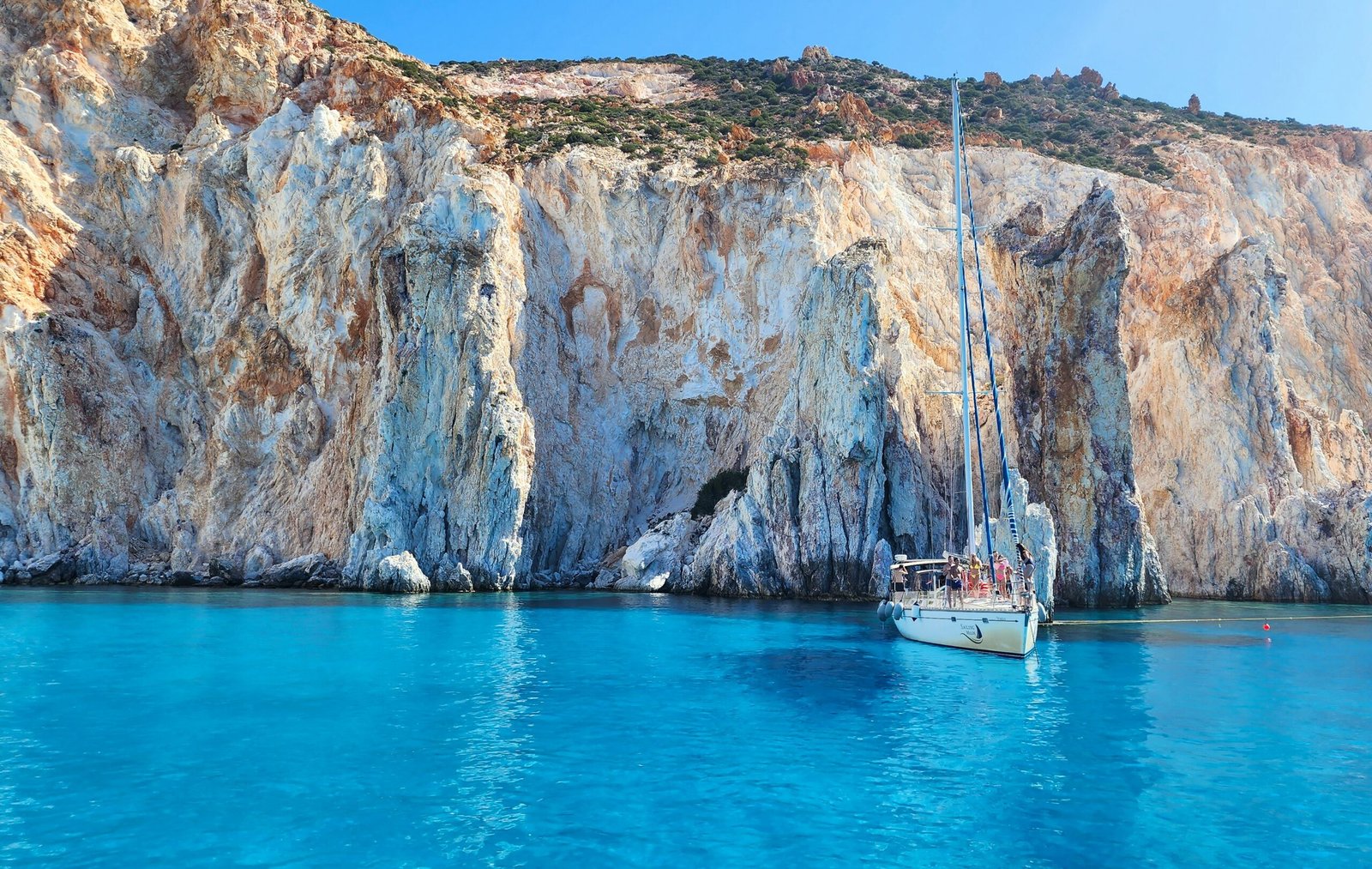
Milos is also volcanic, but instead of one big crater it’s the coastline that makes it special. Over time, the volcanic rock has been shaped into white moon-like cliffs, colourful caves and sheltered coves with water so clear that boats look like they’re floating in the air.
The island has around 70 beaches, and many of them are only reachable by boat or via bumpy dirt roads. That’s part of the appeal. It still feels a little wild, even though it has become much more popular in recent years.
Highlights you shouldn’t miss:
- Sarakiniko: the famous white rock landscape on the north coast. Come early in the morning or late in the afternoon, when the light is softer and the crowds are smaller.
- Kleftiko: former pirate hideout with rock arches and sea caves. It can only be reached by boat, and a full-day boat trip around the island is the best thing you can do on Milos.
- Plaka: the main village, perched on a hill, with small lanes and one of the best sunset views in the Cyclades.
- Klima: a tiny fishing village with colourful boat garages built right into the water.
The best bases are Adamas, the port town with the most restaurants, and Pollonia, a quieter fishing village in the north-east. Plan to rent a car or an ATV. Public buses exist, but they don’t reach many of the best spots.
Naxos: Big, Green and Great Value

Naxos is the largest island in the Cyclades, and it doesn’t rely on tourism alone. Farming is still important here, which gives the island a more authentic feel, much better food and noticeably lower prices than its famous neighbours.
When the ferry pulls into the harbour, the first thing you’ll see is the Portara, a huge marble gateway from an unfinished temple of Apollo, standing alone on a small islet. It’s one of the most photographed spots on the island, especially at sunset.
What makes Naxos special:
- Beaches: the west coast has long sandy beaches like Agios Prokopios, Agia Anna and Plaka. The water is shallow, clear and perfect for families.
- Mountain villages: inland you’ll find traditional villages like Halki, Filoti and Apeiranthos, with marble lanes, old churches and tavernas where locals still gather in the evening.
- Food: Naxos is known for its cheese, its potatoes and its local citron liqueur, kitron. Many tavernas cook with ingredients from their own farms.
- Prices: accommodation and restaurants are often clearly cheaper than on Santorini or Milos.
Naxos is also perfectly located for island hopping. Santorini is only around 45 minutes away by fast ferry, and Paros, Mykonos and the small, quiet islands of the Lesser Cyclades are all within easy reach.
Which Island Is Right for You?
- Choose Santorini if it’s your first time in Greece, you’re celebrating something special or you simply want to see those famous views with your own eyes. Two or three nights are enough.
- Choose Milos if you love swimming, exploring and boat trips, and you don’t mind driving on dirt roads.
- Choose Naxos if you want beaches, good food and a relaxed pace at a fair price, or if you’re travelling with kids.
Many travellers find that the perfect trip combines two islands: Naxos or Milos for most of the stay, and a short visit to Santorini for the views.
Where to Stay on Each Island
- Santorini: Imerovigli for quieter caldera views, Fira if you want restaurants and bus connections on your doorstep, and Kamari or Perissa for the beach and the best prices.
- Milos: Adamas for convenience and ferry access, Pollonia for a calm fishing-village feel, and Plaka for sunsets and character.
- Naxos: Naxos Town (Chora) for evenings out and the Portara, Agios Prokopios or Agia Anna for beach holidays, and a village like Halki if you want to experience the island away from the coast.
Wherever you stay, look for places with a small pool or a sea view terrace. On the islands, those details make a bigger difference to your holiday than the star rating.
Island Hopping: How the Ferries Work

Ferries are the heart of every Greek island trip. They connect Athens and the islands every day, and in summer there are several connections between most of the Cyclades.
- Athens (Piraeus) to Milos: from around 2.5 hours by fast ferry, with tickets starting at about €33.
- Athens (Piraeus) to Naxos: from around 3 hours 20 minutes, with tickets starting at about €42.
- Naxos to Santorini: from around 45 minutes, with tickets starting at about €31.
- Milos to Santorini or Naxos: a few times a week, mostly from spring to autumn.
There are two types of boat. Fast ferries are quicker but more expensive and can be bumpy on windy days. Large conventional ferries take longer but are cheaper, more stable and have open decks where you can sit in the sun. In July and August, book your tickets one to two months in advance, especially if you want to take a car.
All three islands also have small airports with flights from Athens. Flying saves time, but luggage allowances are small and ferries are usually part of the experience.
Best Time to Visit the Greek Islands
- Late May to June: warm, long days and the sea is starting to warm up. Prices are still reasonable.
- July and August: hot, busy and expensive. The strong northern wind, the meltemi, can make ferry trips rough and some beaches very windy.
- September to early October: the sea is at its warmest, the crowds thin out and prices drop again. Many people consider this the best time of all.
- November to April: quiet and cool. Many hotels and restaurants on Milos and in parts of Santorini close for the winter.
What It Costs and the Tourist Tax
Greece charges a climate resilience fee on accommodation. It’s paid per room and per night, and it’s usually not included in the price you see on booking platforms. From April to October it’s:
- €15 per night for 5-star hotels and large holiday homes
- €10 per night for 4-star hotels
- €8 per night for smaller holiday rentals
- €5 per night for 3-star hotels
- €2 per night for 1- and 2-star hotels
In the winter months the fee is much lower. It’s not a huge amount, but on a longer trip it adds up, so factor it in when you compare prices.
A 10-Day Island-Hopping Itinerary
- Day 1: Arrive in Athens. See the Acropolis in the late afternoon when it’s cooler.
- Day 2: Early ferry to Milos. Afternoon at Sarakiniko, sunset in Plaka.
- Day 3: Full-day boat trip around Milos to Kleftiko.
- Day 4: Drive to Firiplaka and Tsigrado beaches, dinner in Pollonia.
- Day 5: Ferry to Naxos. Evening at the Portara.
- Day 6: Beach day at Agios Prokopios or Plaka.
- Day 7: Drive to the mountain villages of Halki and Apeiranthos.
- Day 8: Fast ferry to Santorini. Stay in Kamari or Perissa.
- Day 9: Hike from Fira to Oia in the morning, sunset from Imerovigli.
- Day 10: Ferry or flight back to Athens.
How to Save Money on the Greek Islands
- Travel in June or September. You get great weather at much lower prices than in July and August.
- Take the slower ferry. Conventional ferries are often much cheaper than fast boats.
- Stay away from the famous views. On Santorini, a room in Kamari can cost a fraction of one with a caldera view.
- Eat where the locals eat. A gyros or a plate of grilled fish in a family taverna costs far less than dinner with a sunset view.
- Rent a small car only where you need it. On Milos a car is essential; on Naxos you can get quite far by bus.
Booking Tips
- Airport transfer: Athens airport is about 40 minutes from the port of Piraeus, so book an airport transfer with Kiwitaxi in advance if you’re catching a ferry on the day you land
- eSIM: install a Yesim eSIM before you fly, so you can check ferry times, maps and beach directions on every island
- Tours and tickets: the Milos boat trip to Kleftiko, a Santorini caldera sailing cruise and Acropolis tickets in Athens sell out in summer, so compare options and book early on Klook
Frequently Asked Questions
Which Greek island is best for a first visit?
For many first-timers, Santorini is a must-see for its views. For a longer and more relaxed stay, combine it with Naxos, which is only 45 minutes away by fast ferry and much better value.
Is Milos better than Santorini?
It depends on what you want. Santorini has the famous caldera views and sunsets. Milos has more beaches, better swimming and a quieter atmosphere.
How many days do you need on each island?
Two or three nights are enough for Santorini. Plan at least three nights for Milos and three to five for Naxos.
Do I need to book ferries in advance?
In July and August, yes, ideally one to two months ahead. In spring and autumn you can often book a few days before.
What is the Greek tourist tax?
It’s a climate resilience fee charged per room and per night. In summer it ranges from €2 for simple hotels to €15 for 5-star hotels and large holiday homes.
So, Which One Will It Be?
There’s no wrong choice in the Cyclades. Santorini will give you the views you’ve seen in a thousand photos, Milos will surprise you with its wild beauty, and Naxos will make you feel at home. If you can, don’t choose at all: hop on a ferry, visit two of them, and let the islands decide which one you’ll come back to.
Leave a Reply