Dream destinations, real budgets

Author: miaroams_editor

  • Croatia on a Budget: Dubrovnik, Plitvice and the Dalmatian Islands

    Croatia on a Budget: Dubrovnik, Plitvice and the Dalmatian Islands

    Croatia has it all in one compact country: medieval walled towns on the sea, more than a thousand islands, turquoise lakes connected by waterfalls, Roman palaces, pine-covered hills and some of the clearest water in the Mediterranean. No wonder it has become one of Europe’s favourite summer destinations.

    The secret is out, and in July and August the most famous places are packed and pricey. But travel at the right time, stay in local apartments and use the ferries like the locals do, and Croatia is still one of the best-value coastal destinations in Europe.

    This guide shows you the best route along the coast, the experiences that are really worth it and what a trip will actually cost.

    Croatia at a Glance

    • Where: southeastern Europe, along the eastern coast of the Adriatic Sea, opposite Italy
    • Main airports: Dubrovnik (DBV), Split (SPU), Zadar (ZAD) and Zagreb (ZAG)
    • Currency: euro (EUR)
    • Entry: Croatia is part of the EU and the Schengen Area. Many non-EU visitors can stay up to 90 days without a visa, but will need to register online with ETIAS once it starts. Check the current rules before you travel
    • Language: Croatian. English is widely spoken, especially by younger people and in tourist areas
    • Best time: May, June and September
    • Budget: around $60 to $90 a day for budget travellers, $120 to $200 for a comfortable mid-range trip

    When to Go

    July and August are hot, sunny and very crowded, especially in Dubrovnik, Split and Hvar. Prices for accommodation and ferries are at their highest, and you’ll need to book well ahead.

    May, June and September are the best months. The sea is warm enough for swimming from June, the weather is sunny and pleasant, and there are far fewer people. September is especially lovely, with the warmest water of the year and lower prices.

    October to April is quiet. Many island hotels and restaurants close, and ferries run less often, but the cities and Plitvice Lakes are peaceful and beautiful. Plitvice in winter, covered in snow and ice, is magical.

    Our tip: travel in early June or mid-September for warm weather, warm water and fair prices.

    Getting Around

    Most travellers explore the Dalmatian coast between Dubrovnik, Split and Zadar, with trips inland to the national parks and out to the islands.

    • Buses: the cheapest and easiest way to travel along the coast. They’re frequent, comfortable and air-conditioned
    • Ferries and catamarans: the state ferry company Jadrolinija and private catamarans connect the mainland with the islands. Book catamaran tickets online in summer, as they often sell out
    • Rental car: useful for Plitvice, Krka and exploring the islands, but parking in Dubrovnik and Split is difficult and expensive
    • Sailing: chartering a yacht with a skipper, or joining a group sailing trip, is a popular way to island-hop

    Things to Do in Croatia

    Here are the experiences we think are worth your time and money.

    1. Walk the City Walls of Dubrovnik

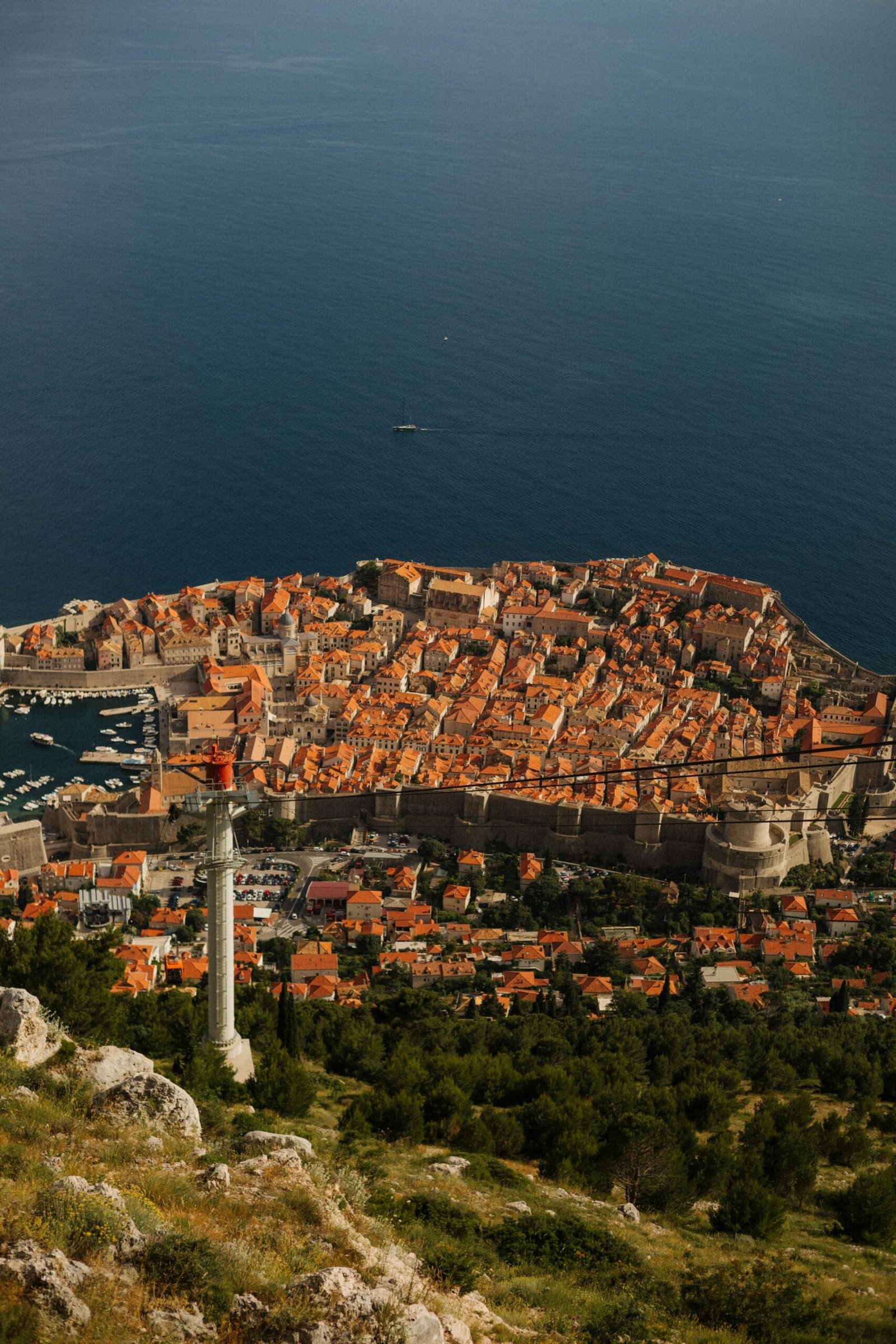
    Dubrovnik, the “Pearl of the Adriatic”, is one of the most beautiful walled cities in the world and a UNESCO World Heritage Site. Its marble streets, baroque churches and red rooftops are surrounded by massive stone walls, almost 2 km long.

    Walking the city walls is the highlight of any visit. The full circuit takes about two hours, with endless views over the rooftops and the sea. Tickets are on the expensive side, but they’re worth it. Go right at opening time or late in the afternoon, when it’s cooler and the cruise ship crowds have left.

    Afterwards, take the cable car up Mount Srđ for a sunset view over the old town and the islands. Fans of the TV series “Game of Thrones” will recognise many of the streets and staircases.

    Medieval city walls of Dubrovnik above the Adriatic Sea, Croatia

    2. Sea Kayak Around Dubrovnik and Lokrum

    One of the best ways to see Dubrovnik is from the water. Sea kayaking tours paddle around the base of the city walls, past hidden caves and over to the small island of Lokrum. Many tours include a stop for snorkelling in clear water. Tours are budget to mid-range in price, and sunset tours are especially beautiful.

    You can also take a short ferry to Lokrum, a green island nature reserve just off the coast, with peacocks, a botanical garden, rocky swimming spots and a small salt lake called the Dead Sea.

    3. Explore Plitvice Lakes National Park

    Plitvice Lakes National Park is Croatia’s most famous natural wonder and a UNESCO World Heritage Site. Sixteen terraced lakes in shades of turquoise, emerald and blue are connected by dozens of waterfalls, all surrounded by beech and pine forest.

    Wooden boardwalks lead right over the water, and electric boats and panoramic trains connect the different parts of the park. Plan at least four to six hours, or stay overnight nearby and arrive at opening time to have the boardwalks almost to yourself.

    Tickets must be booked online for a specific time slot, and they’re more expensive in summer. Swimming is not allowed. Plitvice is about two hours by car from Zadar and two and a half hours from Split.

    Wooden boardwalk over the turquoise water of Plitvice Lakes National Park, Croatia

    4. Visit the Krka Waterfalls

    Krka National Park, near the town of Šibenik, is famous for its waterfalls, especially Skradinski Buk, a series of cascades tumbling into a wide pool. A boardwalk loop leads through the forest and over the river.

    Swimming at the waterfalls is no longer allowed, to protect the nature, but the park is still one of the most beautiful places in Croatia. It’s an easy day trip from Split or Zadar, and it’s usually less crowded than Plitvice. Arrive by boat from the small town of Skradin for the most scenic approach.

    5. Get Lost in Diocletian’s Palace in Split

    Split is Croatia’s second-largest city and the gateway to the Dalmatian islands. Its heart is the remarkable Diocletian’s Palace, built by a Roman emperor around 1,700 years ago. Unlike most Roman ruins, it’s still alive: people live, work and eat inside its old walls, and its narrow streets are full of shops, bars and restaurants.

    Walk along the palm-lined Riva promenade, climb the bell tower of the Cathedral of St. Domnius for the view, and hike up Marjan Hill, a forested park with viewpoints and small beaches. At Bačvice Beach, watch locals play picigin, a traditional ball game played in shallow water.

    Aerial view of the old town and waterfront of Split, Croatia

    6. Island-Hop to Hvar

    Hvar is one of the sunniest islands in Europe and the most glamorous of the Dalmatian islands. Hvar Town has a beautiful main square, a lively harbour full of yachts and a hilltop fortress with a great view over the rooftops and the Pakleni Islands.

    Take a water taxi to the Pakleni Islands for swimming in clear coves, and explore the quieter side of Hvar, with lavender fields, vineyards and small villages like Stari Grad, one of the oldest towns in Europe. Hvar Town is famous for its nightlife and can be expensive in summer, so stay outside the centre to save money.

    Aerial view of Hvar Town and its harbour on the island of Hvar, Croatia

    7. Take a Boat Trip from Split or Trogir

    From Split and the nearby town of Trogir, boat trips take you to the islands, hidden bays and swimming spots of the central Dalmatian coast. The most popular full-day trip visits the Blue Cave on the island of Biševo, where sunlight turns the water inside a glowing blue, along with the islands of Vis and Hvar.

    Trogir itself is worth a visit. Its tiny medieval old town sits on an island between the mainland and Čiovo and is a UNESCO World Heritage Site. If you want to explore the islands at your own pace, consider a few days on a skippered sailing yacht or a group sailing trip.

    White boat on clear turquoise water near Trogir on the Dalmatian coast, Croatia

    8. Relax on Zlatni Rat Beach

    On the island of Brač, a short ferry ride from Split, Zlatni Rat near the town of Bol is Croatia’s most famous beach. This long spit of fine pebbles reaches out into the sea, and its tip changes shape with the wind and the currents.

    It’s a top spot for windsurfing and kitesurfing, especially in the afternoon. For the best view of the beach from above, hike or drive up to Vidova Gora, the highest peak of all the Adriatic islands.

    Aerial view of Zlatni Rat beach near Bol on the island of Brač, Croatia

    9. Watch the Sunset in Zadar

    Zadar is a relaxed city with Roman ruins, churches and one of the best sunsets in Europe. On the waterfront, the Sea Organ plays music as the waves push air through pipes hidden under marble steps. Next to it, the Greeting to the Sun is a large solar-powered circle that lights up in colourful patterns after dark.

    Zadar is also a good base for Plitvice and Krka, and for boat trips to the Kornati National Park, a wild group of almost 150 islands.

    10. Explore Korčula and the Pelješac Peninsula

    Between Split and Dubrovnik, the island of Korčula is often called a smaller, quieter version of Dubrovnik. Its old town sits on a small peninsula, surrounded by walls, with streets laid out like a fishbone to protect it from the wind.

    Nearby, the Pelješac Peninsula is known for its red wines, especially Dingač and Postup, and for the oyster farms of Ston, where you can also walk the long medieval Walls of Ston. It’s a perfect stop on the way from Split to Dubrovnik.

    Where to Stay on a Budget

    Croatia has plenty of affordable places to stay, especially outside July and August:

    • Private apartments and rooms: called sobe or apartmani, these are the best value in Croatia. They’re often run by local families and include a kitchen
    • Hostels: Split, Dubrovnik, Zadar and Hvar have good hostels with private rooms
    • Guesthouses: small, friendly places near the national parks and on the islands
    • Hotels: comfortable mid-range options are available everywhere, but they’re more expensive than apartments

    In Dubrovnik, staying in the areas of Lapad or Gruž is much cheaper than in the old town, with easy bus connections.

    Eating on a Budget

    Croatian food is simple, fresh and Mediterranean:

    • Eat at a konoba: a traditional family-run tavern, often with homemade wine and local dishes
    • Try peka: meat or octopus slow-cooked with vegetables under a bell-shaped lid covered in embers. It usually needs to be ordered in advance
    • Order black risotto: made with cuttlefish ink, it’s a Dalmatian speciality
    • Buy burek: a flaky pastry filled with cheese or meat, sold cheaply at bakeries for breakfast
    • Shop at the markets: the green markets in Split, Zadar and Dubrovnik sell fruit, vegetables and cheese at local prices

    Restaurants in Dubrovnik’s old town are some of the most expensive in Croatia, so eat outside the walls when you can.

    What It Really Costs

    Here’s a realistic daily budget per person for a comfortable mid-range trip in June or September, not counting flights.

    • Accommodation: $40 to $80 per person, sharing a private apartment or double room
    • Food and drink: $30 to $55 a day, mixing konobas, bakeries and self-catering
    • Transport: $15 to $35 a day on average, including buses, ferries and catamarans
    • Activities: budget for the highlights separately: the Dubrovnik city walls, Plitvice and Krka entrance fees, a kayak tour and a boat trip to the islands

    That works out to around $120 to $200 per person per day. In July and August, expect higher prices, especially in Dubrovnik and Hvar.

    A Sample 10-Day Itinerary

    Day 1: Arrive in Zadar. Evening at the Sea Organ and the Greeting to the Sun.

    Day 2: Day trip to Plitvice Lakes National Park, or stay overnight nearby.

    Day 3: Krka National Park, then continue to Split.

    Days 4 to 5: Split. Diocletian’s Palace, Marjan Hill and a day trip to Trogir or the Blue Cave.

    Day 6: Ferry to Brač. Zlatni Rat and Vidova Gora.

    Day 7: Catamaran to Hvar. Hvar Town and the fortress.

    Day 8: Pakleni Islands, then catamaran to Korčula.

    Days 9 to 10: Dubrovnik. The city walls, a sea kayak tour, Lokrum and the cable car at sunset.

    Practical Tips

    • Book Plitvice tickets and catamarans online in summer
    • Bring water shoes: many Croatian beaches are pebbly or rocky, and sea urchins are common
    • Avoid the cruise ship crowds in Dubrovnik by visiting early in the morning or late in the afternoon
    • Respect the dress code in old towns: walking around in swimwear away from the beach can lead to fines in Split, Dubrovnik and Hvar
    • Carry some cash for small konobas, markets and apartments
    • Tipping around 10 percent in restaurants is appreciated but not required

    Booking Tips

    • Airport transfer: book an airport transfer with Kiwitaxi from Dubrovnik or Split airport to your old town apartment or the ferry port, with a fixed price and a driver waiting for you
    • eSIM: if you’re coming from outside the EU, install a Yesim eSIM before you fly, so you have data for maps, ferry times and bus tickets in Croatia from the moment you land
    • Tours: popular options include a Plitvice Lakes day trip, a Dubrovnik city walls tour, a Hvar and Pakleni Islands boat trip and sea kayaking in Dubrovnik. You can compare and book most of them on Klook

    Final Thoughts

    Croatia is a country that rewards slow travel. Walk the walls of Dubrovnik at sunrise, wander through a Roman palace in Split, hop between sunny islands and swim in water so clear you can see the bottom many metres below. Then head inland to the turquoise lakes and waterfalls of Plitvice and Krka.

    Travel in June or September, stay in local apartments and take the ferries and buses. You’ll see the best of Croatia, without the summer crowds and without breaking your budget.

    Prices checked in October 2026. Costs and opening times change, so always confirm before you book.
  • Seychelles on a Budget: Paradise Beaches Without the Luxury Price Tag

    Seychelles on a Budget: Paradise Beaches Without the Luxury Price Tag

    If you’ve ever seen a photo of a perfect beach with giant granite boulders, powder-white sand and water so clear it looks like glass, there’s a good chance it was taken in the Seychelles. This group of 115 islands in the Indian Ocean, about 1,500 km off the coast of East Africa, has some of the most beautiful beaches on the planet.

    The Seychelles have a reputation as a playground for celebrities and honeymooners in five-star villas. And it’s true that it’s not a cheap destination. But many travellers don’t realise that there’s another side: small family-run guesthouses, self-catering apartments, local Creole takeaways and public ferries that make the islands far more accessible than you’d think.

    This guide shows you how to experience the Seychelles on a realistic budget, which islands to visit and which experiences are really worth your money.

    The Seychelles at a Glance

    • Where: the western Indian Ocean, northeast of Madagascar
    • Main airport: Seychelles International Airport (SEZ) on Mahé
    • Currency: Seychelles rupee (SCR). One US dollar is roughly 14 rupees. Euros and US dollars are also widely accepted at hotels and for tours
    • Entry: no visa is needed for most nationalities. You get a free visitor permit on arrival, but you must apply online for a Travel Authorisation through the official Seychelles Electronic Border System before you travel. Check the current rules for your passport
    • Languages: Seychellois Creole, English and French
    • Best time: April, May, October and November
    • Budget: around $100 to $150 a day for budget travellers, $180 to $300 for a comfortable mid-range trip

    When to Go

    The Seychelles are warm all year round, with temperatures between 26 and 31 degrees Celsius. What changes are the trade winds.

    April, May, October and November are the best months. These are the calm periods between the two monsoon seasons, with light winds, flat seas, excellent visibility for snorkelling and plenty of sunshine.

    May to September brings the southeast trade winds. It’s drier and slightly cooler, but the sea can be rough on some beaches, and seaweed can wash up on the southeast-facing coasts.

    December to March is the northwest monsoon season, with more humidity and short, heavy showers. It’s still warm and beautiful, but it’s the rainiest time of year.

    Our tip: go in late April, May or October for calm, clear water and the best beach conditions.

    The Three Main Islands

    Most visitors stay on the three main inner islands, which are easy to combine in one trip:

    • Mahé: the largest island, home to the airport, the tiny capital Victoria, mountains, rainforest and more than 60 beaches
    • Praslin: the second-largest island, with the famous Vallée de Mai and some of the best beaches in the country
    • La Digue: a small, quiet island where most people get around by bicycle and life moves slowly

    Getting Around

    The Cat Cocos ferry connects Mahé and Praslin in about one hour. From Praslin, smaller ferries take you to La Digue in about 15 minutes. Book ferry tickets in advance, especially in high season. There are also short domestic flights between Mahé and Praslin.

    On Mahé and Praslin, the public buses are very cheap and go almost everywhere, although they can be crowded and the driving is fast. A rental car gives you more freedom and is a good idea for a few days on Mahé. Remember that cars drive on the left.

    On La Digue, rent a bicycle. It’s the best way to explore the island, and there are very few cars.

    Things to Do in the Seychelles

    Here are the experiences we think are worth your time and money.

    1. Visit Anse Source d’Argent on La Digue

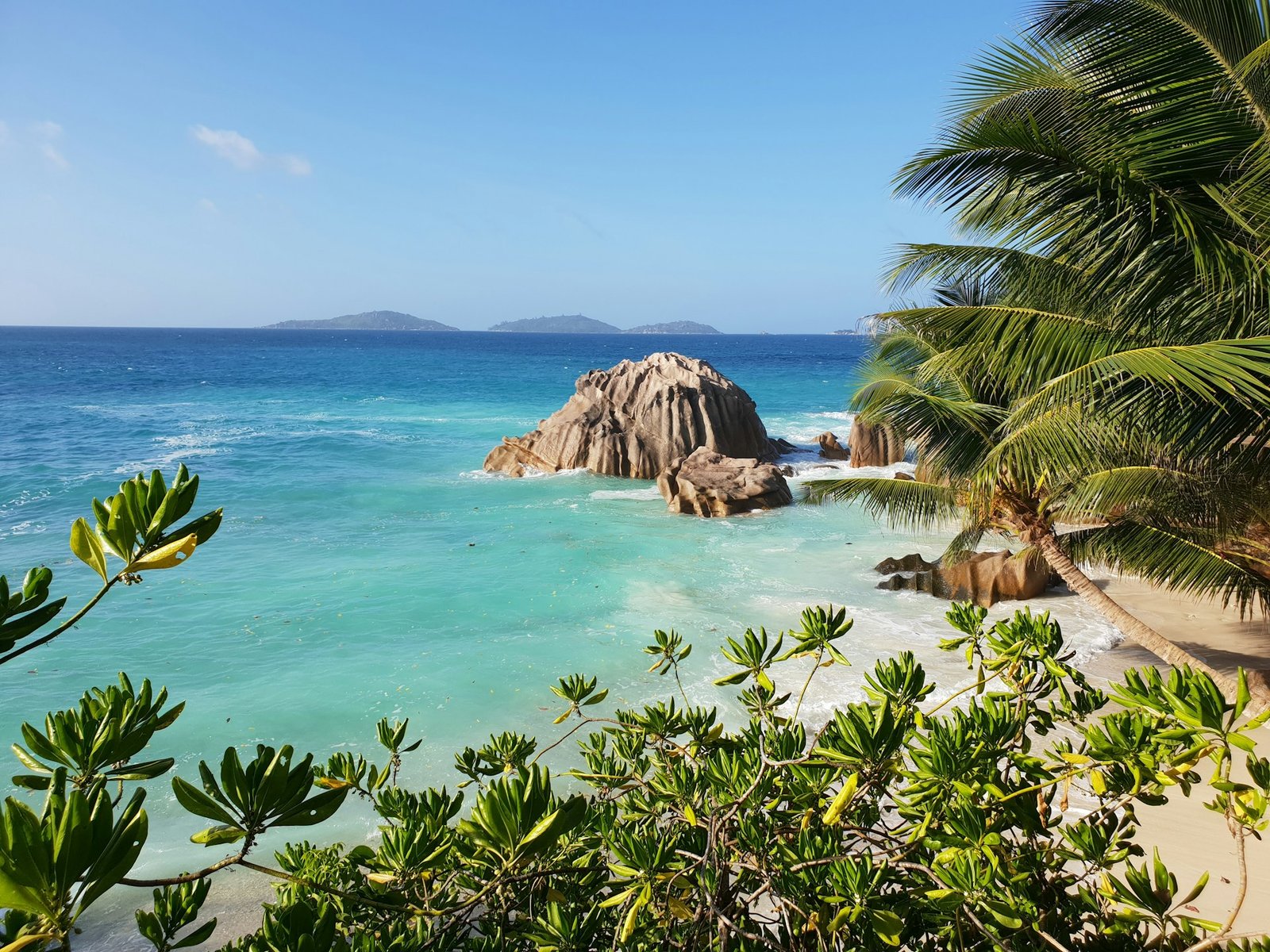
    Anse Source d’Argent is often called the most photographed beach in the world. Enormous pink and grey granite boulders, shaped by wind and water over millions of years, frame small coves of white sand and shallow turquoise water.

    The beach is reached through the L’Union Estate, an old coconut and vanilla plantation, where a small entrance fee is charged. Inside, you’ll also see an old plantation house, a traditional copra mill and a pen of giant tortoises. Go early in the morning or late in the afternoon, when the light is soft and the day-trippers have gone. The water is shallowest at low tide.

    Granite rock formations on a white sand beach in the Seychelles

    2. Cycle Around La Digue

    La Digue feels like the Seychelles of the past. There are only a handful of cars, ox carts were once the main form of transport, and today almost everyone gets around by bicycle.

    Rent a bike for the day and ride along the coast road to Grand Anse, a wild, wide beach with big waves, and walk on to the quieter beaches of Petite Anse and Anse Cocos. The sea here can be dangerous, so only swim where it’s calm. On the way back, stop for fresh juice or grilled fish at one of the small beach shacks.

    3. Walk Through the Vallée de Mai on Praslin

    The Vallée de Mai is a UNESCO World Heritage Site and one of the most unusual forests on earth. It’s home to the coco de mer, a rare palm that grows only in the Seychelles and produces the largest and heaviest seed in the plant kingdom, shaped a little like a pair of hips.

    Shady paths lead through the prehistoric-looking palm forest, where you might spot the rare Seychelles black parrot. The entrance fee is on the expensive side, but the forest is unique in the world. Allow about two hours.

    4. Relax on Anse Lazio

    On the northwest tip of Praslin, Anse Lazio regularly appears on lists of the best beaches in the world. It has soft white sand, granite boulders at both ends, clear water and shady takamaka trees. The snorkelling around the rocks is excellent.

    Nearby, Anse Georgette is just as beautiful and usually much quieter. It’s reached through the grounds of a luxury resort, so you need to ask permission at the gate or walk over the hill trail.

    Aerial view of a white sand beach and clear blue water in the Seychelles

    5. Meet the Giant Tortoises on Curieuse Island

    Just off the coast of Praslin, Curieuse Island is a protected nature reserve and home to hundreds of Aldabra giant tortoises, some of them more than 100 years old. You can walk among them as they slowly graze under the trees.

    Most boat trips from Praslin combine Curieuse with snorkelling at St. Pierre, a tiny granite islet topped with a few palm trees, surrounded by colourful fish. Trips are mid-range in price and usually include a barbecue lunch on the beach.

    Boat on the turquoise sea near palm trees on the coast of the Seychelles

    6. Hike to Anse Major on Mahé

    Mahé’s mountainous interior is part of Morne Seychellois National Park, which covers about a fifth of the island. One of the best walks is the coastal trail to Anse Major, a secluded beach that can only be reached on foot or by boat.

    The trail takes about an hour each way, with views over granite cliffs and the ocean. At the end, you’ll find a quiet beach with a natural pool among the rocks. Bring plenty of water and go early, as there’s little shade.

    Palm tree on a sandy beach with mountains in the background in the Seychelles

    7. Climb the Copolia Trail

    For one of the best views in the Seychelles, hike the Copolia Trail through the rainforest in Morne Seychellois National Park. The path climbs for about an hour to a huge granite platform with a panoramic view over Victoria, the east coast of Mahé and the small islands of the Sainte Anne Marine Park.

    Along the way, look out for rare endemic plants, including the carnivorous pitcher plant. A small fee is charged at the start of the trail.

    8. Beach-Hop on Mahé

    Mahé has more than 60 beaches, and many of them are almost empty. On the southwest coast, Anse Intendance is wild and beautiful, Baie Lazare is quiet and calm, and Anse Soleil is a small cove with a lovely beach restaurant. In the north, Beau Vallon is the island’s most popular beach, with water sports and a lively Wednesday night market.

    On the northeast coast, the small Carana Beach has striking granite boulders and clear water, and is perfect for an evening swim. Renting a car for a day or two is the easiest way to explore.

    Aerial view of the beach at Baie Lazare on Mahé, Seychelles
    Palm tree and clear blue water at Carana Beach on Mahé, Seychelles

    9. Explore Victoria and the Market

    Victoria is one of the smallest capitals in the world, and you can walk around it in an hour. Visit the colourful Sir Selwyn Selwyn-Clarke Market, where fishermen sell their catch and stalls are piled high with tropical fruit, spices and vanilla. Look for the little silver clock tower, a copy of one in London, and the colourful Hindu temple.

    The market is also a great place to buy affordable souvenirs, spices and local chilli sauces.

    10. Snorkel in the Sainte Anne Marine Park

    Just off Victoria, the Sainte Anne Marine Park protects six small islands surrounded by coral reefs, sea grass beds and turtles. Glass-bottom boat trips and snorkelling tours are an easy half-day or full-day trip from Mahé.

    If you’re a diver, the Seychelles have excellent dive sites, especially around Mahé and Praslin. From around August to November, there’s also a chance of seeing whale sharks off the coast of Mahé.

    Where to Stay on a Budget

    The key to visiting the Seychelles on a budget is to avoid the big resorts:

    • Guesthouses: small, family-run places with a few rooms, often with breakfast or Creole dinners on request
    • Self-catering apartments: the best value for most travellers. Cooking your own meals saves a lot of money
    • Small hotels: comfortable mid-range options, often close to the best beaches
    • Luxury villas: if you want to splurge, do it for one or two nights at the end of your trip

    Book early for the best value, especially for La Digue, which has a limited number of places to stay.

    Eating on a Budget

    Eating out in restaurants is expensive in the Seychelles, but there are ways to save:

    • Eat at takeaways: small shops sell Creole takeaway meals of rice, curry, grilled fish and salad in a box for a fraction of restaurant prices
    • Try the local food: fish curry, octopus curry, grilled red snapper, breadfruit chips and fresh tropical fruit
    • Cook for yourself: buy fresh fish and fruit at the market in Victoria and use the kitchen in your apartment
    • Shop at supermarkets: STC supermarkets have the best prices for groceries and drinks

    The local beer, SeyBrew, is the cheapest drink on the islands.

    What It Really Costs

    Here’s a realistic daily budget per person for a comfortable mid-range trip, not counting international flights.

    • Accommodation: $70 to $150 per person, sharing a double room in a guesthouse or self-catering apartment
    • Food: $30 to $60 a day, mixing takeaways and self-catering with the occasional restaurant
    • Transport: $20 to $50 a day on average, including ferries, buses, bike rental and a few days with a rental car
    • Activities: budget for the highlights separately: the Vallée de Mai, L’Union Estate, a boat trip to Curieuse and St. Pierre and a snorkelling tour in the marine park

    That works out to around $180 to $300 per person per day. It’s not cheap, but it’s a fraction of what a resort holiday would cost.

    A Sample 10-Day Itinerary

    Day 1: Arrive on Mahé. Relax at Beau Vallon.

    Days 2 to 3: Mahé. Victoria and the market, the Copolia Trail, the beaches of the southwest coast and Carana Beach.

    Day 4: Hike to Anse Major, or take a boat trip in the Sainte Anne Marine Park.

    Day 5: Ferry to Praslin. Afternoon at Anse Lazio.

    Day 6: The Vallée de Mai in the morning, Anse Georgette in the afternoon.

    Day 7: Boat trip to Curieuse and St. Pierre.

    Days 8 to 9: Ferry to La Digue. Cycle to Anse Source d’Argent, Grand Anse and Anse Cocos.

    Day 10: Ferry back to Mahé and fly home.

    Practical Tips

    • Apply for your Travel Authorisation online before you fly, only through the official website
    • Be careful in the sea: some beaches have strong currents, especially during the trade winds. Always check local conditions and swim only where it’s calm
    • Use reef-safe sunscreen and never touch or stand on the coral
    • Bring cash for small guesthouses, takeaways and the market
    • Pack insect repellent for the forest trails and the evenings
    • Book ferries in advance for the busiest times of year

    Booking Tips

    • Airport transfer: book an airport transfer with Kiwitaxi from Mahé airport to your guesthouse or to the ferry in Victoria, with a fixed price and a driver waiting for you
    • eSIM: install a Yesim eSIM before you fly, so you have data for maps, bus times and ferry tickets in the Seychelles from the moment you land
    • Tours: popular options include island-hopping boat trips, snorkelling tours in the marine parks and guided hikes on Mahé. You can compare and book most of them on Klook

    Final Thoughts

    The Seychelles are one of those places that really do live up to the photos. Cycle past granite boulders to an empty beach on La Digue, walk among giant tortoises on Curieuse, wander through a prehistoric palm forest and swim in water so clear you can see every fish.

    It’s not a budget destination in the usual sense, but it doesn’t have to cost a fortune. Stay in guesthouses, eat Creole takeaways, take the ferries and buses, and you’ll discover a paradise that’s far more accessible than its reputation suggests.

    Prices checked in October 2026. Costs and opening times change, so always confirm before you book.

  • Sri Lanka in Two Weeks: Ancient Rocks, Tea Trains and Wild Beaches

    Sri Lanka in Two Weeks: Ancient Rocks, Tea Trains and Wild Beaches

    Sri Lanka is small. You could drive across it in a day. Yet this teardrop-shaped island in the Indian Ocean packs in more variety than many countries ten times its size: an ancient fortress on top of a giant rock, misty hills covered in tea plantations, wild elephants and leopards, colonial forts, golden beaches and one of the most beautiful train journeys on earth.

    It’s also wonderfully affordable. A comfortable guesthouse often costs less than a cheap hotel in Europe, a plate of rice and curry with half a dozen dishes costs a few dollars, and the friendly people make you feel welcome from the moment you arrive.

    Two weeks is the perfect amount of time for a first visit. This guide shows you the best route, the experiences that are really worth it and what the trip will actually cost.

    Sri Lanka at a Glance

    • Where: an island in the Indian Ocean, just south of India
    • Main airport: Colombo Bandaranaike International Airport (CMB), about 35 km north of Colombo
    • Currency: Sri Lankan rupee (LKR). One US dollar is roughly 300 rupees
    • Entry: most visitors need an Electronic Travel Authorization (ETA) or e-visa before arrival, which you can apply for online. Rules and fees have changed several times in recent years, so check the official requirements before you book
    • Language: Sinhala and Tamil. English is widely spoken in tourist areas
    • Best time: December to April for the west and south coasts and the hill country
    • Budget: around $30 to $45 a day for backpackers, $60 to $110 for a comfortable mid-range trip

    When to Go

    Sri Lanka has two monsoon seasons that hit different parts of the island at different times, so there’s always somewhere with good weather.

    December to April is the best time for the classic route. The south and west coasts are sunny and dry, the sea is calm, the hill country is clear and the Cultural Triangle is pleasant. It’s the main tourist season, so book popular places ahead, especially around Christmas and New Year.

    May to September brings the southwest monsoon to the west and south coasts, with rain and rough seas. But this is the best time for the east coast, with beaches like Arugam Bay, famous for surfing, and Trincomalee.

    October and November are the wettest months across much of the island.

    Our tip: travel in January, February or March for the best weather on the classic route through the Cultural Triangle, the hill country and the south coast.

    Getting Around

    Sri Lanka’s roads are slow and winding, so distances take longer than you’d expect. You have a few options:

    • Private driver: the most popular choice for a first trip. Hiring a car with a driver for your whole route is surprisingly affordable, and drivers often double as guides
    • Trains: slow, cheap and wonderfully scenic, especially in the hill country. Book reserved seats in advance for the most popular routes
    • Buses: extremely cheap and go everywhere, but they’re crowded and the driving can be wild
    • Tuk-tuks: perfect for short trips. Use the PickMe or Uber apps in towns to get fair prices

    Things to Do in Sri Lanka

    Here are the experiences we think are worth your time and money.

    1. Climb Sigiriya, the Lion Rock

    Rising 200 metres above the jungle, Sigiriya is Sri Lanka’s most famous sight. In the 5th century, King Kashyapa built a palace on top of this enormous rock, with gardens, pools and a gateway shaped like a giant lion. Today, only the huge stone paws remain, but the climb is unforgettable.

    You’ll pass ancient frescoes of women painted on the rock face, the polished Mirror Wall and the lion’s paws before climbing the last steep staircase to the summit, with sweeping views over the forest. There are around 1,200 steps in total. Go as early as possible to avoid the heat and the crowds. The entrance fee for foreigners is on the expensive side, but it’s the highlight of the Cultural Triangle.

    Sigiriya sits in the middle of the Cultural Triangle, a region full of ancient cities and temples. Don’t miss the Dambulla Cave Temple, with five caves full of Buddha statues and painted ceilings, and the ruins of Polonnaruwa, an ancient royal capital that’s best explored by bicycle.

    2. Watch the Sunrise from Pidurangala Rock

    Just next to Sigiriya, Pidurangala Rock is the best place to see Sigiriya itself. The climb takes about 30 to 45 minutes, past an old temple and through the forest, with a short scramble over boulders at the end.

    From the top, you’ll have a perfect view of Lion Rock rising out of the jungle. Go for sunrise or sunset, when the light is golden and the sky turns pink and purple. The entrance fee is much lower than at Sigiriya.

    Sunset over the jungle seen from Pidurangala Rock near Sigiriya, Sri Lanka

    3. Ride the Train from Kandy to Ella

    The train journey from Kandy to Ella is often called one of the most beautiful train rides in the world. For around six to seven hours, the old blue train winds slowly through the hill country, past tea plantations, waterfalls, misty mountains and tiny villages.

    Book a reserved seat in second or third class, or an observation car, well in advance, as tickets sell out quickly in high season. Locals and travellers alike hang out of the open doors to enjoy the view, but always be careful.

    In Ella, walk to the famous Nine Arches Bridge, a stone railway viaduct in the middle of the jungle. Check the train times locally and wait for a train to cross for the classic photo.

    Blue train crossing the Nine Arches Bridge in the jungle near Ella, Sri Lanka

    4. Explore the Tea Country

    Sri Lanka is one of the biggest tea producers in the world, and the hill country around Nuwara Eliya, Haputale and Ella is covered in bright green tea plantations. Women in colourful saris still pick the leaves by hand.

    Visit a working tea factory to see how the leaves are withered, rolled and dried, and taste fresh Ceylon tea at the end of the tour. Many factory tours are free or cheap. Near Haputale, Lipton’s Seat is a viewpoint where Sir Thomas Lipton once looked out over his tea empire.

    For a great hike, walk across the high plateau of Horton Plains National Park to World’s End, a sheer cliff that drops almost 900 metres. Go early, before the clouds roll in.

    Woman picking tea leaves on a plantation in Talawakelle in the hill country of Sri Lanka

    5. Hike Little Adam’s Peak and Ella Rock

    Ella is a laid-back mountain village with great cafés and some of the best short hikes in Sri Lanka. Little Adam’s Peak is an easy walk through tea plantations to a viewpoint over the valley, perfect for sunrise. Ella Rock is longer and tougher, but the views are even better.

    Afterwards, visit the Ravana Falls just outside town, or relax with a massage and a curry in one of Ella’s friendly restaurants.

    6. See Wild Elephants on Safari

    Sri Lanka has one of the highest densities of wild Asian elephants in the world, and seeing them on a jeep safari is one of the highlights of a trip.

    Udawalawe National Park is the best place to see elephants all year round, with large herds grazing on open grassland. Between August and October, hundreds of elephants gather around the reservoir in Minneriya and Kaudulla near Sigiriya, an event known as The Gathering.

    Jeep safaris are budget to mid-range in price. Choose a responsible operator that keeps a respectful distance and doesn’t chase the animals.

    Two wild elephants on the grassland of Udawalawe National Park, Sri Lanka

    7. Look for Leopards in Yala

    Yala National Park in the southeast has one of the highest densities of leopards in the world. Besides leopards, you can see elephants, crocodiles, buffalo, peacocks and, with a lot of luck, sloth bears.

    Yala is popular and the main zone can get crowded with jeeps. For a quieter experience, ask your driver about the less visited zones. Morning safaris give you the best chance of seeing animals. Note that parts of the park usually close for a few weeks between September and October.

    8. Relax in Mirissa and Watch Whales

    On the south coast, Mirissa has a beautiful curved beach lined with palm trees, beach restaurants and guesthouses. Climb up to Coconut Tree Hill for the famous view of palm trees on a green headland above the sea.

    From November to April, Mirissa is one of the best places in the world to see blue whales, the largest animals that have ever lived. Whale-watching trips leave early in the morning. Choose a responsible operator, and take seasickness tablets if you need them.

    Palm trees and white sand on the curved beach of Mirissa, Sri Lanka

    9. See the Stilt Fishermen and Surf the South Coast

    Along the south coast between Koggala and Ahangama, you can still see the famous stilt fishermen, perched on wooden poles in the shallow water. Today, many of them pose for photos in exchange for a small tip, so it’s polite to offer one if you take pictures.

    The south coast is also great for surfing. Weligama has gentle waves and dozens of surf schools for beginners, while Hiriketiya and Ahangama suit more experienced surfers. Lessons and board rental are budget-friendly.

    Stilt fishermen on wooden poles in the sea on the south coast of Sri Lanka

    10. Walk the Walls of Galle Fort

    Galle Fort is a UNESCO World Heritage Site and one of the best-preserved colonial forts in Asia. Built by the Portuguese and expanded by the Dutch, its thick walls enclose a charming old town of narrow streets, churches, mosques, boutiques, cafés and galleries.

    Walk along the ramparts at sunset, past the white lighthouse, and watch local boys jump from the walls into the sea. Galle is a perfect place to spend a night or two.

    Kandy and the Temple of the Tooth

    Before you board the train to Ella, spend a day in Kandy, the last royal capital of Sri Lanka. Its most important sight is the Temple of the Sacred Tooth Relic, which holds a tooth said to belong to the Buddha. Visit during the evening ceremony, when drums sound and crowds of pilgrims bring offerings of flowers. Dress respectfully, with shoulders and knees covered, and remove your shoes.

    Where to Stay on a Budget

    Sri Lanka has excellent value accommodation:

    • Guesthouses and homestays: family-run, friendly and often with a delicious home-cooked breakfast or dinner
    • Hostels: plenty of good options in Ella, Kandy, Mirissa and Galle, with private rooms as well as dorms
    • Boutique hotels: stylish small hotels, especially in Galle and the hill country, at prices far below what you’d pay elsewhere
    • Safari lodges and tented camps: a lovely splurge near Yala or Udawalawe

    Eating on a Budget

    Sri Lankan food is spicy, fresh and full of flavour:

    • Rice and curry: the national dish, with rice and several small curries of vegetables, lentils, fish or chicken. Local restaurants serve it for very little at lunchtime
    • Kottu: chopped flatbread stir-fried with vegetables, egg and meat on a hot griddle. You’ll hear the clanging of the knives before you see the stall
    • Hoppers: bowl-shaped pancakes made from rice flour and coconut milk, often with an egg cooked in the middle
    • Fresh fruit: mangoes, papayas, pineapples and king coconuts are sold everywhere

    Ask for “less spicy” if you’re not used to chilli. The local food is often very hot.

    What It Really Costs

    Here’s a realistic daily budget per person for a comfortable mid-range trip, not counting international flights.

    • Accommodation: $20 to $50 per person, sharing a double room in a good guesthouse or small hotel
    • Food: $10 to $25 a day, eating mostly local food with the occasional restaurant meal
    • Transport: $20 to $40 a day per person, including a private driver shared by two, plus trains and tuk-tuks
    • Activities: budget for the highlights separately: Sigiriya, a jeep safari, a whale-watching trip and park entrance fees, which are higher for foreigners

    That works out to around $60 to $110 per person per day. Backpackers who use buses and trains can travel for much less.

    A Sample 14-Day Itinerary

    Day 1: Arrive in Colombo and drive to Negombo or straight to the Cultural Triangle.

    Days 2 to 4: Sigiriya, Pidurangala at sunrise, the Dambulla Cave Temple, Polonnaruwa and an elephant safari in Minneriya (in season).

    Day 5: Drive to Kandy. The Temple of the Tooth and the botanical gardens.

    Days 6 to 8: Train from Kandy to Ella. Little Adam’s Peak, the Nine Arches Bridge, tea factories and Ella Rock.

    Day 9: Safari in Udawalawe or Yala, then continue to the south coast.

    Days 10 to 12: Mirissa and the south coast. Whale watching (in season), surfing in Weligama and the stilt fishermen.

    Days 13 to 14: Galle Fort, then drive back to the airport for your flight home.

    Practical Tips

    • Apply for your ETA online before you travel, only through the official website
    • Dress respectfully at temples: cover shoulders and knees, and take off your shoes and hat
    • Never pose with your back to a Buddha statue for photos, and don’t wear clothing with Buddha images
    • Carry cash for small guesthouses, tuk-tuks and markets
    • Drink bottled or filtered water and use plenty of sun protection
    • Get a local SIM or eSIM at the airport. Data is cheap and fast

    Booking Tips

    • Airport transfer: book an airport transfer with Kiwitaxi from Colombo airport to Negombo, Colombo or straight to Sigiriya, with a fixed price and a driver waiting for you
    • eSIM: install a Yesim eSIM before you fly, so you have data for maps, PickMe and train tickets in Sri Lanka from the moment you land
    • Tours: popular options include a Sigiriya and Dambulla day trip, an elephant safari in Udawalawe or Minneriya, a Yala leopard safari and whale watching in Mirissa. You can compare and book most of them on Klook

    Final Thoughts

    Sri Lanka is one of those destinations that surprises almost everyone who visits. In just two weeks, you can climb an ancient rock fortress, ride a blue train through the tea hills, watch elephants at a waterhole, spot blue whales off the coast and end your days on a palm-lined beach.

    Travel between January and March, take your time on the roads and say yes to every cup of tea you’re offered. Sri Lanka will win your heart with its beauty, its flavours and its warmth.

    Prices checked in October 2026. Costs and opening times change, so always confirm before you book.

  • Fiji on a Budget: Island Hopping, Manta Rays and Real Fijian Culture

    Fiji on a Budget: Island Hopping, Manta Rays and Real Fijian Culture

    “Bula!” You’ll hear it the moment you step off the plane in Fiji, and you’ll hear it again from every taxi driver, shopkeeper and child you pass for the rest of your trip. It means hello, welcome and good health all at once, and it sums up what makes Fiji so special: some of the warmest, friendliest people on earth.

    The scenery isn’t bad either. Fiji is made up of more than 300 islands in the South Pacific, with white sand beaches, palm trees leaning over turquoise lagoons and coral reefs so colourful that Fiji is often called the soft coral capital of the world.

    Many people think Fiji is only for honeymooners in luxury resorts. In reality, it’s one of the easiest and most affordable island destinations in the South Pacific, with backpacker lodges and family-run resorts on islands just as beautiful as the five-star ones. This guide shows you how to plan the perfect island-hopping trip.

    Fiji at a Glance

    • Where: the South Pacific, about four hours by plane from Sydney and three hours from Auckland
    • Main airport: Nadi (NAN) on the main island of Viti Levu
    • Currency: Fijian dollar (FJD). One US dollar is roughly 2.2 to 2.3 Fijian dollars
    • Entry: visitors from many countries, including the EU, the UK, the US, Canada, Australia and New Zealand, get a free visitor permit on arrival. Your passport must be valid for at least six months. Always check the current rules for your nationality
    • Language: English, Fijian and Fiji Hindi. English is spoken everywhere
    • Best time: May to October, the dry season
    • Budget: around $70 to $110 a day for budget travellers, $150 to $250 for a comfortable mid-range trip

    When to Go

    May to October is the dry season and the best time to visit. Days are sunny and warm, around 25 to 28 degrees Celsius, with lower humidity and calm seas. It’s also the season of the manta rays in the Yasawa Islands. July and the Australian and New Zealand school holidays are the busiest times.

    November to April is the wet season. It’s hotter and more humid, with short, heavy tropical showers. It’s also cyclone season, especially from January to March. Prices are lower, and the underwater visibility is often excellent, but you should keep your plans flexible and buy good travel insurance.

    Our tip: travel in May, June, September or October for great weather, fewer crowds and fair prices.

    Fiji’s Island Groups

    Most visitors fly into Nadi and then head out to the islands. These are the main areas:

    • The Mamanuca Islands: close to Nadi, with small resort islands, calm lagoons and lots of day trips. Perfect for a short stay or for families
    • The Yasawa Islands: a long chain of islands to the north, with dramatic hills, wild beaches and simple, affordable lodges. The best area for island hopping on a budget
    • The Coral Coast: the south coast of Viti Levu, with resorts, villages, rivers and adventure activities
    • Taveuni and the outer islands: quieter, greener and less visited, with some of the best diving in the world
    Aerial view of a small resort island surrounded by turquoise water in Fiji

    Getting Around

    To travel between the Mamanuca and Yasawa Islands, take the big yellow catamaran called the Yasawa Flyer. It leaves Port Denarau near Nadi every morning and stops at the islands along the way, where small boats from the resorts pick you up. You can buy single tickets or a hop-on hop-off pass that lets you travel up and down the chain for a set number of days.

    On Viti Levu, buses are cheap and run along the main coastal roads. Taxis are affordable, but agree on the price before you get in. For Taveuni and other outer islands, you’ll need a domestic flight with Fiji Airways or a ferry.

    Things to Do in Fiji

    Here are the experiences we think are worth your time and money.

    1. Island-Hop Through the Yasawas

    The Yasawa Islands are the Fiji of your dreams. Volcanic hills covered in grass and palms rise above empty white beaches, the water is crystal clear, and the lodges are small, simple and friendly.

    Take the Yasawa Flyer from Nadi and stay two or three nights on a few different islands. Islands like Waya, Naviti, Nacula and Nanuya have lodges for every budget, from backpacker dorms to boutique resorts. Most lodges include meals in a daily meal plan, because there are no shops or restaurants on the islands. Days are spent snorkelling, hiking to viewpoints, visiting villages and watching the sunset.

    On tiny Nanuya Lailai, you’ll find the famous Blue Lagoon, where the 1980 film of the same name was shot.

    Aerial view of a white sand beach and turquoise lagoon in the Fiji islands

    2. Swim with Manta Rays

    From around May to October, large manta rays come to feed in a narrow channel between the islands of Drawaqa and Naviti in the Yasawas. Several nearby resorts offer snorkelling trips when the mantas are spotted, usually early in the morning.

    Swimming next to these gentle giants, with wingspans of up to four metres, is one of the most incredible experiences in the South Pacific. Sightings aren’t guaranteed, so plan at least two nights nearby to give yourself a good chance.

    3. Explore the Sawa-i-Lau Caves

    At the northern end of the Yasawas, the island of Sawa-i-Lau hides a limestone cave filled with clear, cool water. Sunlight falls through an opening in the roof, and you can swim inside. Brave swimmers can dive through a short underwater tunnel into a second, darker chamber with a guide.

    In Fijian legend, the cave is sacred. Trips are organised by the nearby resorts and are budget-friendly. A small fee goes to the local village.

    4. Take a Day Trip in the Mamanucas

    If you’re short on time, a day cruise from Port Denarau to one of the Mamanuca islands is a great way to experience Fiji’s islands. Many trips include lunch, snorkelling gear and time to relax on the beach.

    Popular stops include Beachcomber Island, South Sea Island and Mana Island. You can also visit Cloud 9, a two-storey floating bar and pizza restaurant in the middle of a reef, or sail past Monuriki, the island where the film “Cast Away” was shot. Day trips range from budget to mid-range.

    Boat trip in clear water at South Sea Island in the Mamanuca Islands, Fiji

    5. Snorkel and Dive the Coral Reefs

    Fiji has some of the most colourful coral reefs in the world. You can snorkel straight from the beach on many islands, and most resorts rent masks and fins or include them for free.

    For divers, Fiji is world class. Taveuni and the Somosomo Strait are home to the famous Rainbow Reef and the Great White Wall, a vertical wall covered in pale soft corals that glow in the light. In the Beqa Lagoon on the south coast, divers can see bull sharks up close on guided shark dives. Beginners can take an introductory dive or a full Open Water course at many dive shops.

    Boats anchored in turquoise water off an island in Fiji

    6. Visit a Village and Join a Kava Ceremony

    Fiji’s culture is still very much alive in its villages, and many tours and resorts offer village visits. Visitors usually bring a small gift of kava root, called a sevusevu, for the village chief.

    You’ll probably be invited to drink kava, a traditional drink made from the ground root of a pepper plant, mixed with water and served in a coconut shell. Clap once, say “bula” and drink it in one go. It tastes earthy and makes your lips slightly numb. Dress modestly, with shoulders and knees covered, and remove your hat and sunglasses in the village.

    Many resorts also hold evening performances of traditional meke dances and fire dancing.

    Fijian dancers in grass skirts performing a traditional dance on Beachcomber Island, Fiji

    7. Go White-Water Rafting on the Upper Navua River

    Inland from Pacific Harbour on the south coast, the Upper Navua River flows through a deep gorge with towering cliffs, dozens of waterfalls and thick rainforest. Rafting trips take you through easy rapids and calm stretches past some of the most beautiful scenery in Fiji.

    If you prefer something calmer, take a boat trip or a bamboo raft along the lower Navua River to a village and a waterfall. Pacific Harbour is also Fiji’s adventure capital, with ziplining and shark dives nearby.

    8. Climb the Sigatoka Sand Dunes

    On the Coral Coast, the Sigatoka Sand Dunes National Park protects huge, wind-shaped dunes up to 60 metres high, right next to the ocean. Walking trails lead through the forest and over the dunes to the beach. It’s a surprising landscape on a tropical island and a budget-friendly half-day trip.

    9. Explore the Outer Islands

    If you have more time, leave the main tourist areas behind. Taveuni, known as the Garden Island, is green, wild and quiet. In the Bouma National Heritage Park, a trail leads to the three Tavoro Waterfalls, where you can swim in natural pools. You can also stand with one foot on each side of the 180th meridian, the line that once marked the date line.

    In the Lomaiviti group, the old capital Levuka on the island of Ovalau is a UNESCO World Heritage Site, with wooden colonial buildings along the waterfront. Nearby Makogai is home to a giant clam breeding project. These islands see very few tourists, and that’s exactly their charm.

    Aerial view of the green island of Makogai in the Lomaiviti group, Fiji

    10. Relax in the Sabeto Mud Pool and Garden of the Sleeping Giant

    Just outside Nadi, the Sabeto Hot Springs and Mud Pool is a fun way to spend your first or last day. Cover yourself in warm mud, let it dry in the sun and then wash it off in the natural hot springs. It’s cheap, relaxing and your skin will feel amazing.

    Nearby, the Garden of the Sleeping Giant has a beautiful collection of orchids and a peaceful walk through the rainforest at the foot of the mountains.

    Where to Stay on a Budget

    You don’t need a luxury resort to enjoy Fiji:

    • Backpacker resorts: the Yasawas and Mamanucas have friendly lodges with dorms and private bures (traditional huts), often right on the beach. Meal plans are usually included or required
    • Family-run eco-lodges: small, locally owned places that give you a real feel for island life
    • Mid-range resorts: many islands have comfortable resorts with pools, restaurants and activities at fair prices
    • Hotels in Nadi: cheap and convenient for your first and last night, especially near the airport and Wailoaloa Beach

    On the islands, always check what’s included in the meal plan, as you’ll usually have no other place to eat.

    Eating on a Budget

    Fijian food is a mix of Fijian, Indian and Chinese influences:

    • Try kokoda: raw fish marinated in lime juice and coconut milk, Fiji’s version of ceviche
    • Eat a lovo: a traditional feast cooked in an underground oven, often served at resorts once a week
    • Order a curry: thanks to Fiji’s large Indian community, the curries are excellent and cheap
    • Shop at the markets: the markets in Nadi and Suva are full of tropical fruit, vegetables and snacks at local prices

    In Nadi, eating at local cafés and curry houses is much cheaper than at the resorts.

    What It Really Costs

    Here’s a realistic daily budget per person for a comfortable mid-range trip, not counting international flights.

    • Accommodation with meals: $80 to $160 per person, sharing a bure or room with a meal plan on the islands
    • Food and drink in Nadi: $20 to $40 a day on the days you’re on the main island
    • Transport: $20 to $50 a day on average, including the Yasawa Flyer pass and transfers
    • Activities: budget for the highlights separately: manta ray snorkelling, a Mamanuca day trip, a dive or two and a rafting trip

    That works out to around $150 to $250 per person per day. Backpackers who stay in dorms and choose basic meal plans can travel for much less.

    A Sample 12-Day Itinerary

    Day 1: Arrive in Nadi. Relax at Wailoaloa Beach.

    Day 2: Sabeto Mud Pool and the Garden of the Sleeping Giant.

    Days 3 to 4: Take the Yasawa Flyer to the Mamanucas. Snorkelling, beach time and a visit to Cloud 9.

    Days 5 to 6: Continue to Waya or Naviti in the Yasawas. Hiking and a village visit.

    Days 7 to 8: Drawaqa area for manta rays (in season), then north to Nacula or Nanuya, the Blue Lagoon and the Sawa-i-Lau Caves.

    Day 9: Back to Nadi on the Yasawa Flyer.

    Days 10 to 11: The Coral Coast and Pacific Harbour: the Sigatoka Sand Dunes and rafting on the Upper Navua River.

    Day 12: Back to Nadi and fly home.

    Practical Tips

    • Embrace Fiji Time: life moves slowly here, so be patient and relax
    • Bring cash for the islands. Many small lodges don’t take cards, and there are no ATMs outside the main towns
    • Respect village customs: dress modestly, don’t wear hats and always ask before taking photos of people
    • Use reef-safe sunscreen and never touch or stand on the coral
    • Bring seasickness tablets if you’re sensitive. The boat transfers can be bumpy
    • Tipping isn’t expected, but many resorts have a staff Christmas fund where you can leave a contribution

    Booking Tips

    • Airport transfer: book an airport transfer with Kiwitaxi from Nadi airport to your hotel or to Port Denarau for the island boats, with a fixed price and a driver waiting for you
    • eSIM: install a Yesim eSIM before you fly, so you have data for maps and messages in Fiji from the moment you land. Expect patchy coverage on the outer islands
    • Tours: popular options include a Mamanuca island day cruise, a Cloud 9 trip, a Sabeto Mud Pool tour and white-water rafting on the Upper Navua River. You can compare and book most of them on Klook

    Final Thoughts

    Fiji is far more than a honeymoon destination. It’s a place where you can swim with manta rays in the morning, drink kava with a village chief in the afternoon and watch the sun set over an empty beach in the evening, all without spending a fortune.

    Travel in the dry season, island-hop through the Yasawas and take time to get to know the people. They’re the real reason so many visitors leave Fiji saying “vinaka”, thank you, and promising to come back.

    Prices checked in October 2026. Costs and opening times change, so always confirm before you book.

  • The Canadian Rockies: Banff, Lake Louise and Jasper on a Real Budget

    The Canadian Rockies: Banff, Lake Louise and Jasper on a Real Budget

    Some places look so perfect in photos that you expect to be disappointed when you see them in real life. The Canadian Rockies are the opposite. The lakes really are that impossible shade of turquoise, the mountains really do rise straight out of the forest, and there really are elk wandering through town and bears grazing by the side of the road.

    The heart of the region is Banff and Jasper National Parks in the province of Alberta, connected by one of the most beautiful roads on earth, the Icefields Parkway. Together with neighbouring Yoho and Kootenay, they form a UNESCO World Heritage Site.

    The Rockies aren’t a cheap destination, especially in summer. But with good planning, a few smart choices and the right timing, you can see the very best of them without blowing your budget. This guide shows you how.

    The Canadian Rockies at a Glance

    • Where: western Canada, mainly in the province of Alberta, on the border with British Columbia
    • Main airport: Calgary (YYC), about 90 minutes by car from Banff. Edmonton (YEG) is closer to Jasper
    • Currency: Canadian dollar (CAD). One US dollar is roughly 1.35 to 1.40 Canadian dollars
    • Entry: most visitors who don’t need a visa must apply online for an eTA before flying to Canada. US citizens don’t need one. Check the official rules for your passport
    • Park pass: you need a national park pass for every day you’re in the parks. If you’re staying a week or more, the annual Parks Canada Discovery Pass is usually better value
    • Best time: mid-June to mid-September for hiking and lakes, late September for golden larches, December to March for skiing
    • Budget: around $90 to $130 a day for budget travellers, $180 to $300 for a comfortable mid-range trip

    When to Go

    July and August are peak season. The weather is warm, all the roads and trails are open and the lakes are at their most turquoise. It’s also very busy, and accommodation prices are at their highest.

    June is quieter, but many high trails are still covered in snow and some lakes are only just thawing. Moraine Lake, for example, often stays frozen until early June.

    September is our favourite month. The crowds thin out, the air is crisp and clear, and in the second half of the month the larch trees turn bright gold, a spectacle that draws photographers from all over the world.

    Winter turns the Rockies into a snowy wonderland, with excellent skiing at Lake Louise, Sunshine Village and Marmot Basin, ice skating on frozen lakes and frozen waterfalls. Many summer roads and attractions close, and the Icefields Parkway can be dangerous in winter weather.

    Our tip: travel in the first three weeks of September. You’ll get good weather, open trails, fewer crowds and lower prices.

    Where to Stay

    Banff and Canmore

    The town of Banff is the main base, with plenty of hotels, restaurants and shops right inside the national park. It’s lively, walkable and full of character, but also expensive.

    Canmore, just outside the park gates, is about 20 minutes from Banff. Accommodation is often noticeably cheaper, and the mountain views are just as good. It’s our top tip for travellers on a budget.

    Lake Louise

    The tiny village of Lake Louise is about 45 minutes from Banff. There are only a few places to stay, and they fill up quickly, but staying here puts you closest to Lake Louise and Moraine Lake.

    Jasper

    Jasper is smaller, quieter and wilder than Banff, and it’s surrounded by an enormous national park full of wildlife. A large wildfire in 2024 damaged parts of the town and the surrounding forest. Jasper has reopened and is welcoming visitors again, but check for any closures before you go.

    Getting Around

    The best way to explore the Rockies is with a rental car from Calgary. The roads are excellent and well signposted, and you’ll want the freedom to stop at viewpoints and trailheads.

    At the most popular spots, though, parking is limited and expensive. Moraine Lake Road is now closed to private vehicles, so you’ll need to take the Parks Canada shuttle, the public Roam Transit buses or a commercial tour. Book shuttle seats online well in advance, as they sell out fast in summer.

    Without a car, Roam Transit connects Banff, Canmore and Lake Louise, and tour companies offer day trips along the Icefields Parkway.

    Things to Do in the Canadian Rockies

    Here are the experiences we think are worth your time and money.

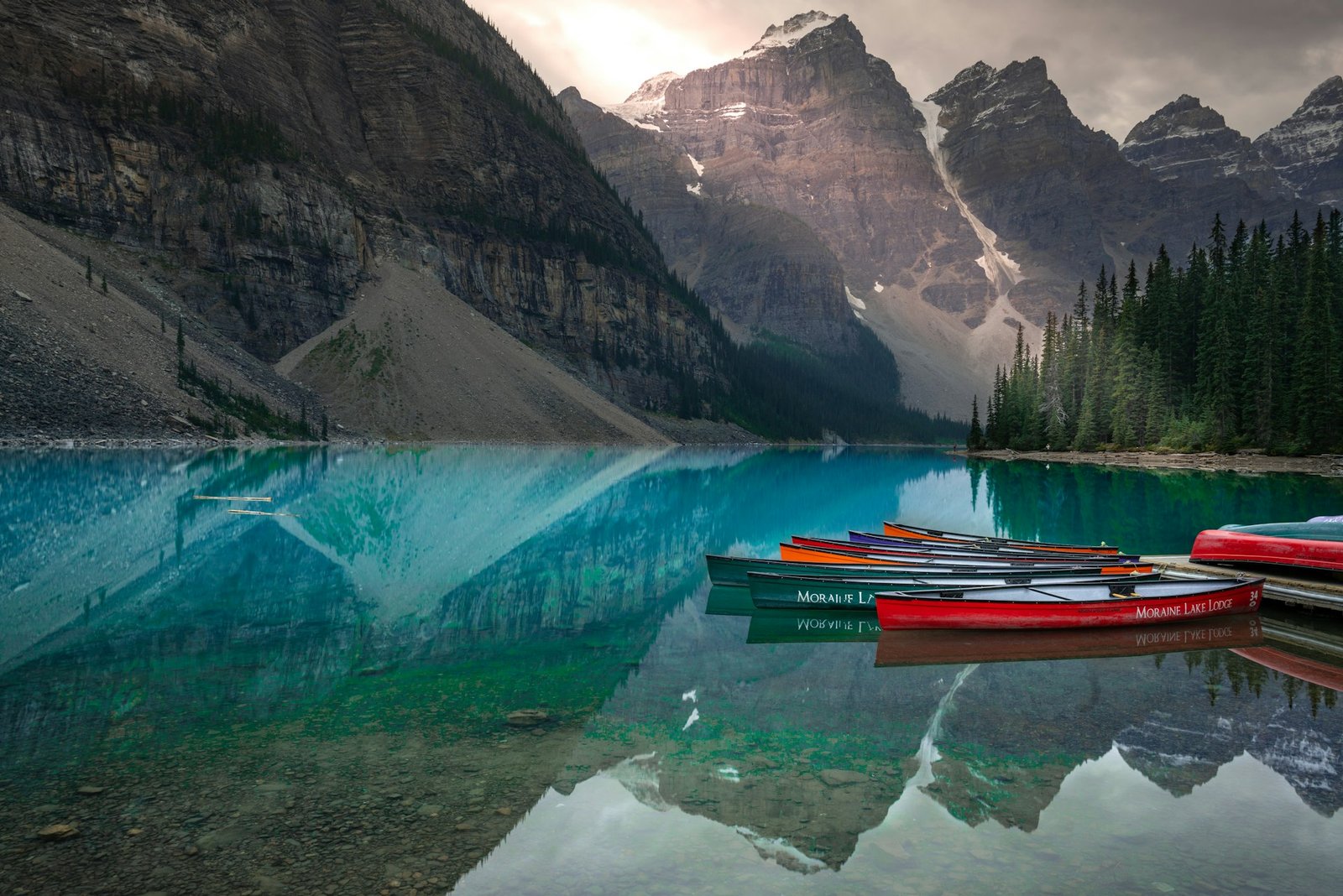
    1. Paddle a Canoe on Moraine Lake

    Moraine Lake is one of the most beautiful lakes in the world. Surrounded by the jagged peaks of the Valley of the Ten Peaks, its water glows a bright blue-green thanks to fine rock flour carried in by glaciers.

    For the classic view, climb the short trail up the Rockpile at the end of the lake. Then rent a canoe and paddle out onto the water. It’s a splurge, but gliding across that impossible colour with the mountains towering above you is something you’ll never forget. Go early in the morning, when the water is calm and the light is soft.

    The road to Moraine Lake is usually only open from early June to mid-October.

    Colourful canoes at the dock on Moraine Lake in the Valley of the Ten Peaks, Banff, Canada

    2. See Lake Louise and Hike to a Teahouse

    Lake Louise is the most famous lake in the Rockies, with Victoria Glacier hanging above its emerald water and the grand Fairmont Château at its shore. You can rent a canoe here too, or simply walk along the flat lakeshore trail.

    For the best experience, hike up to one of the historic teahouses. The Lake Agnes Teahouse is about 3.5 km uphill through the forest, past the small Mirror Lake. The Plain of Six Glaciers Teahouse is a little longer, with views right up to the glaciers. Both serve tea, soup and homemade cake, brought up by hand or by horse. Bring cash.

    Turquoise water of Lake Louise surrounded by forest and mountains in Banff National Park, Canada

    3. Drive the Icefields Parkway

    The Icefields Parkway runs for 232 km between Lake Louise and Jasper, past more than 100 glaciers, turquoise lakes, waterfalls and towering peaks. It’s often called one of the most beautiful drives in the world, and it lives up to the name.

    You could drive it in about three and a half hours without stopping, but you’ll want a whole day. There’s almost no mobile phone signal and only one petrol station along the way, at Saskatchewan Crossing, so fill up the tank before you leave and bring food and water.

    Car driving along the Icefields Parkway with mountains in the background, Alberta, Canada

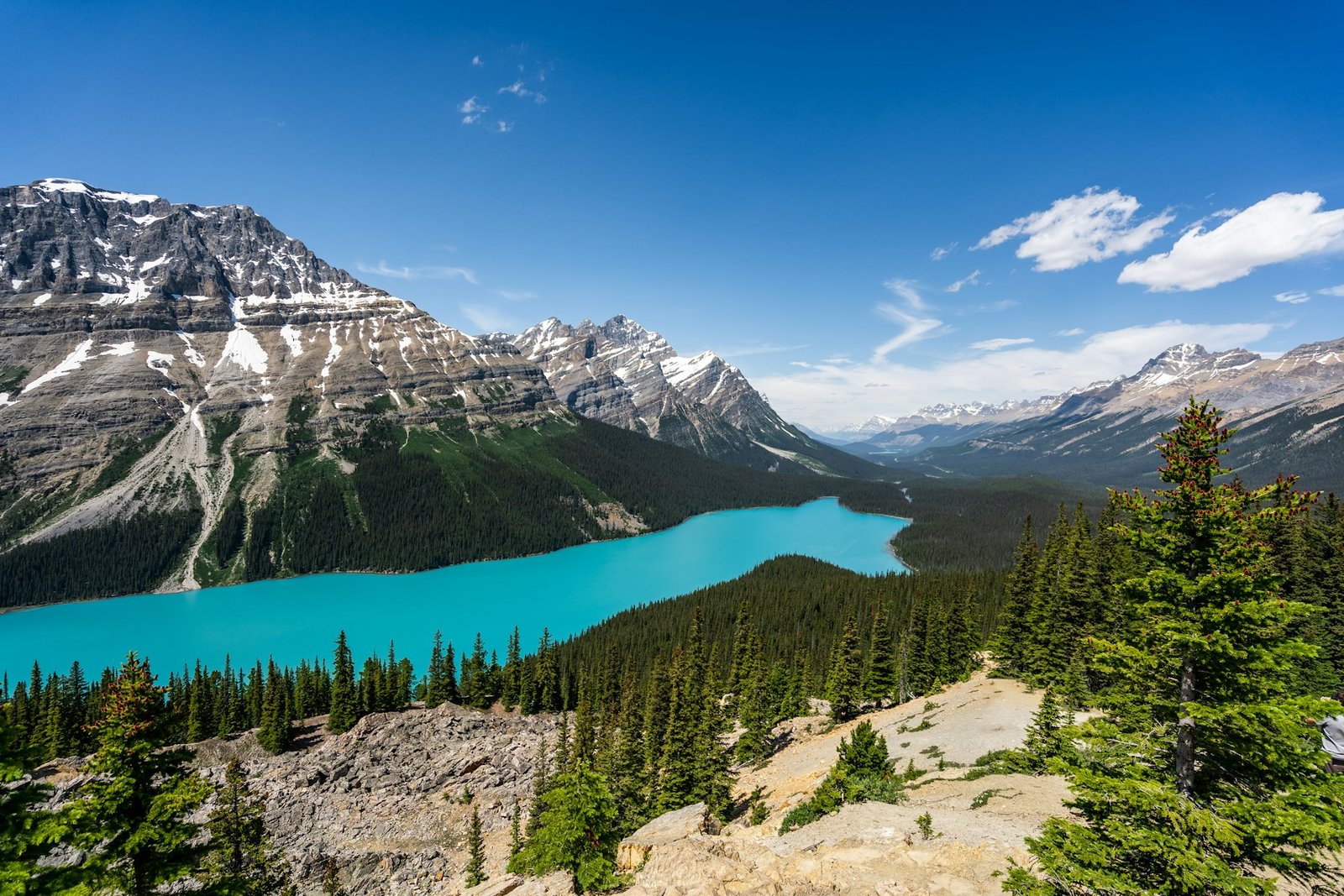
    4. Look Down on Peyto Lake

    One of the most famous stops on the Icefields Parkway is Peyto Lake. A short, paved path through the forest leads to a viewing platform high above the lake, which is shaped a little like the head of a wolf and has a bright turquoise colour.

    It’s especially beautiful in July and August, when the glacier meltwater is at its peak. Go early or late in the day to avoid the tour buses.

    Turquoise Peyto Lake surrounded by mountains along the Icefields Parkway, Alberta, Canada

    5. Walk on the Athabasca Glacier

    At the Columbia Icefield, halfway along the Parkway, the Athabasca Glacier reaches almost down to the road. A short trail leads to the glacier’s edge, with markers showing how far it has retreated over the years, a powerful reminder of a changing climate.

    To actually walk on the ice, join a tour in a giant Ice Explorer vehicle, or a guided glacier hike. Never walk onto the glacier on your own, as it’s full of hidden crevasses. Nearby, the glass-floored Columbia Icefield Skywalk hangs over a deep valley. Both are splurges, but they’re unique experiences.

    6. Hike Johnston Canyon

    Close to Banff, Johnston Canyon is one of the most popular hikes in the Rockies, and it’s easy enough for almost everyone. Metal catwalks are bolted to the walls of a narrow limestone canyon, leading you past rushing water to the Lower Falls and Upper Falls.

    Keen hikers can continue to the Ink Pots, a group of colourful mineral springs in a quiet meadow. Go early in the morning, as the trail gets very busy by mid-morning. In winter, the frozen waterfalls make it a magical icewalk.

    7. Ride the Banff Gondola and Soak in the Hot Springs

    The Banff Gondola takes you up Sulphur Mountain in just a few minutes. At the top, a boardwalk leads along the ridge to an old weather station, with views over six mountain ranges and the town of Banff far below. It’s a splurge, but worth it on a clear day.

    At the bottom of the mountain, the Banff Upper Hot Springs are a budget-friendly way to relax after a day of hiking. Soaking in the warm water with snowy peaks all around you is a classic Rockies experience.

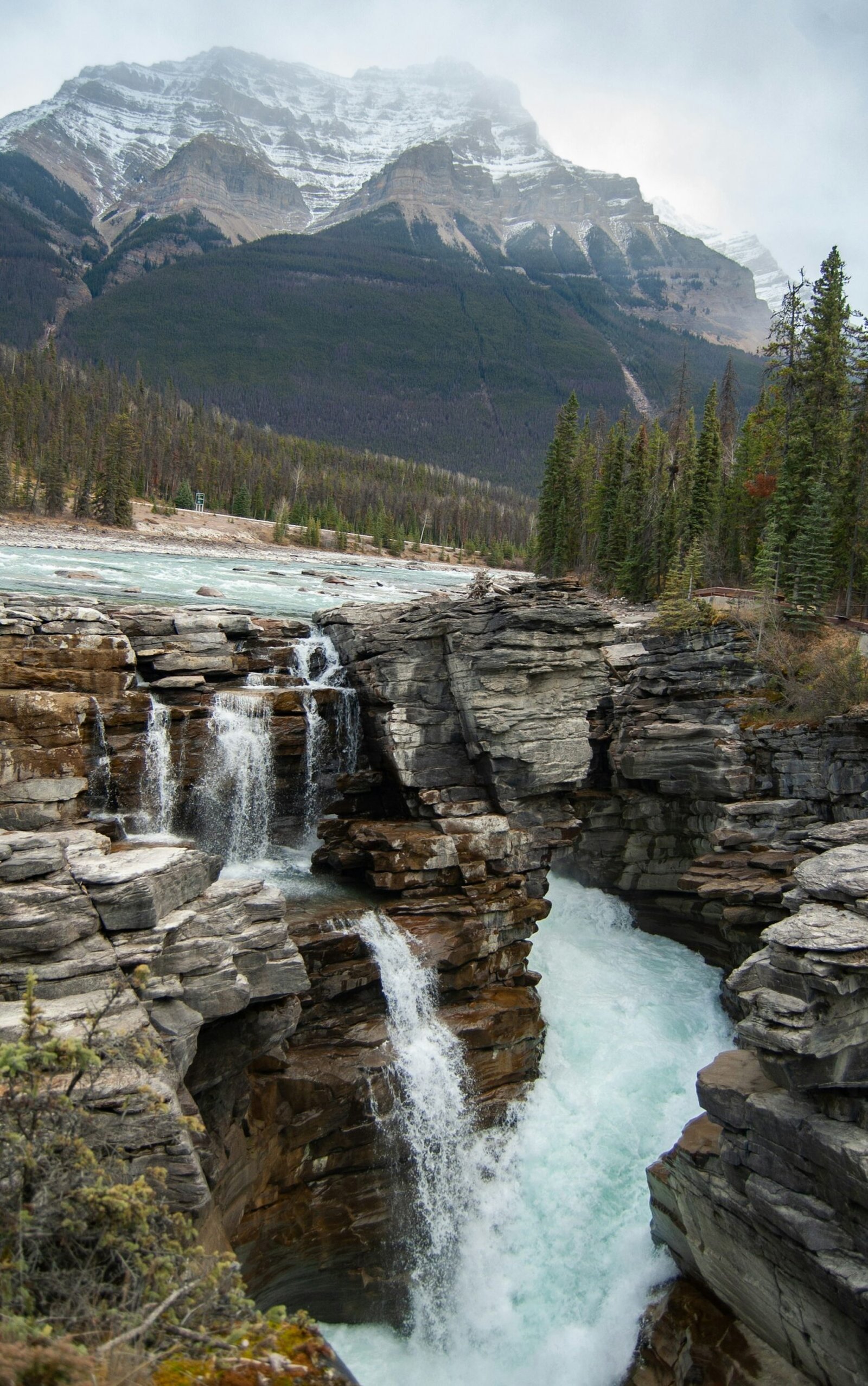
    8. Explore Athabasca Falls and Maligne Canyon

    Near Jasper, Athabasca Falls is one of the most powerful waterfalls in the Rockies. The river thunders through a narrow gorge, and short trails and bridges give you great views from different angles.

    Just outside Jasper, Maligne Canyon is a deep, narrow gorge carved into the limestone. A trail follows the canyon and crosses six bridges, with waterfalls, pools and fossils along the way.

    Athabasca Falls rushing through a rocky gorge in Jasper National Park, Canada

    9. Cruise to Spirit Island on Maligne Lake

    Maligne Lake is the largest natural lake in the Canadian Rockies, surrounded by glaciers and peaks. The highlight is a boat cruise to Spirit Island, a tiny island covered in trees that is one of the most photographed places in Canada and can only be reached by boat.

    The cruise is mid-range to expensive, but the scenery is stunning. You can also rent a canoe or kayak to explore the northern end of the lake. Maligne Lake Road is a great place to spot wildlife, including moose and bears.

    Maligne Lake with mountains and autumn colours in Jasper National Park, Canada

    10. Discover Emerald Lake in Yoho

    Just across the border in British Columbia, Yoho National Park is smaller and often less crowded than Banff. Emerald Lake lives up to its name, with green water, a historic wooden lodge and a flat 5 km trail around the shore. Canoes are available to rent here too.

    Nearby, Takakkaw Falls is one of the tallest waterfalls in Canada, and the Natural Bridge, a rock arch carved by the Kicking Horse River, is a quick and easy stop.

    Wildlife in the Rockies

    Seeing wildlife is one of the highlights of a trip to the Rockies. You may see elk, bighorn sheep, mountain goats, deer, moose, black bears and grizzly bears, often right by the road.

    Always keep your distance, at least 30 metres from elk and 100 metres from bears, and never feed animals. If you stop to watch wildlife, pull completely off the road and stay in your car. When hiking, make noise, hike in a group, and carry bear spray, which you can buy or rent in Banff and Jasper.

    Where to Stay on a Budget

    Accommodation is the biggest cost in the Rockies, so plan carefully:

    • Stay in Canmore: hotels and apartments here are often much cheaper than in Banff
    • Hostels: HI Hostels and other good hostels in Banff, Lake Louise and Jasper have private rooms as well as dorms, and they’re some of the best-value beds in the region
    • Campgrounds: Parks Canada campgrounds are beautiful and affordable, but they’re very popular. Reservations open early in the year and sell out quickly
    • Book early: for summer, book at least six months ahead for the best choice and prices

    Eating on a Budget

    Eating out in Banff and Jasper is expensive. To save money:

    • Shop at the supermarkets in Canmore, Banff and Jasper, and make picnic lunches for your day trips
    • Choose accommodation with a kitchen, or at least a fridge and microwave
    • Look for happy hours in local pubs, with cheaper food and drinks in the late afternoon
    • Try local treats: a Canadian poutine (fries with cheese curds and gravy), Alberta beef and a Beavertail pastry

    What It Really Costs

    Here’s a realistic daily budget per person for a comfortable mid-range trip in summer, not counting flights.

    • Accommodation: $80 to $150 per person, sharing a double room in a mid-range hotel
    • Food: $40 to $70 a day, mixing picnics with restaurant meals
    • Transport: $30 to $50 a day per person, including a rental car shared by two, fuel, park passes and shuttles
    • Activities: budget for the highlights separately: a canoe on Moraine Lake or Lake Louise, the Banff Gondola, a glacier tour and the Maligne Lake cruise

    That works out to around $180 to $300 per person per day. Travel in September, stay in Canmore and cook some of your own meals, and you can bring that down noticeably.

    A Sample 8-Day Itinerary

    Day 1: Arrive in Calgary and drive to Canmore or Banff. Evening walk through Banff town.

    Day 2: Johnston Canyon in the morning, the Banff Gondola in the afternoon and the hot springs in the evening.

    Day 3: Moraine Lake at sunrise by shuttle, then Lake Louise and the hike to the Lake Agnes Teahouse.

    Day 4: Day trip to Yoho: Emerald Lake, Takakkaw Falls and the Natural Bridge.

    Day 5: Drive the Icefields Parkway, with stops at Peyto Lake, the Athabasca Glacier and Athabasca Falls. Overnight in Jasper.

    Day 6: Maligne Canyon and the cruise to Spirit Island on Maligne Lake.

    Day 7: Slow day in Jasper, with a hike or a bike ride, then drive back towards Banff.

    Day 8: Drive to Calgary and fly home.

    Practical Tips

    • Buy your park pass online or at the park gate before you start exploring
    • Book shuttles to Moraine Lake and Lake Louise as early as possible
    • Dress in layers: even in summer, mornings are cold and the weather can change quickly in the mountains
    • Fill up your tank before driving the Icefields Parkway
    • Don’t fly a drone: drones are not allowed in Canada’s national parks
    • Leave no trace: stay on the trails, pack out your rubbish and never pick flowers

    Booking Tips

    • Airport transfer: if you don’t rent a car, book an airport transfer with Kiwitaxi from Calgary airport straight to Banff or Canmore, with a fixed price and a driver waiting for you
    • eSIM: install a Yesim eSIM before you fly, so you have data for maps, shuttle tickets and trail conditions in Canada from the moment you land
    • Tours: popular options include Banff Gondola tickets, a Columbia Icefield glacier tour, a Maligne Lake cruise and a Moraine Lake and Lake Louise sunrise tour. You can compare and book most of them on Klook

    Final Thoughts

    The Canadian Rockies are one of those rare places where reality is even better than the photos. Paddle across Moraine Lake in the morning light, drive the Icefields Parkway past glaciers and waterfalls, cruise to Spirit Island and watch an elk wander through town at sunset.

    Plan early, travel in September if you can and base yourself in Canmore to save money. With a little preparation, the Rockies will give you some of the most spectacular days of your life.

    Prices checked in October 2026. Costs and opening times change, so always confirm before you book.

  • The Algarve: Golden Cliffs, Sea Caves and Hidden Beaches on a Real Budget

    The Algarve: Golden Cliffs, Sea Caves and Hidden Beaches on a Real Budget

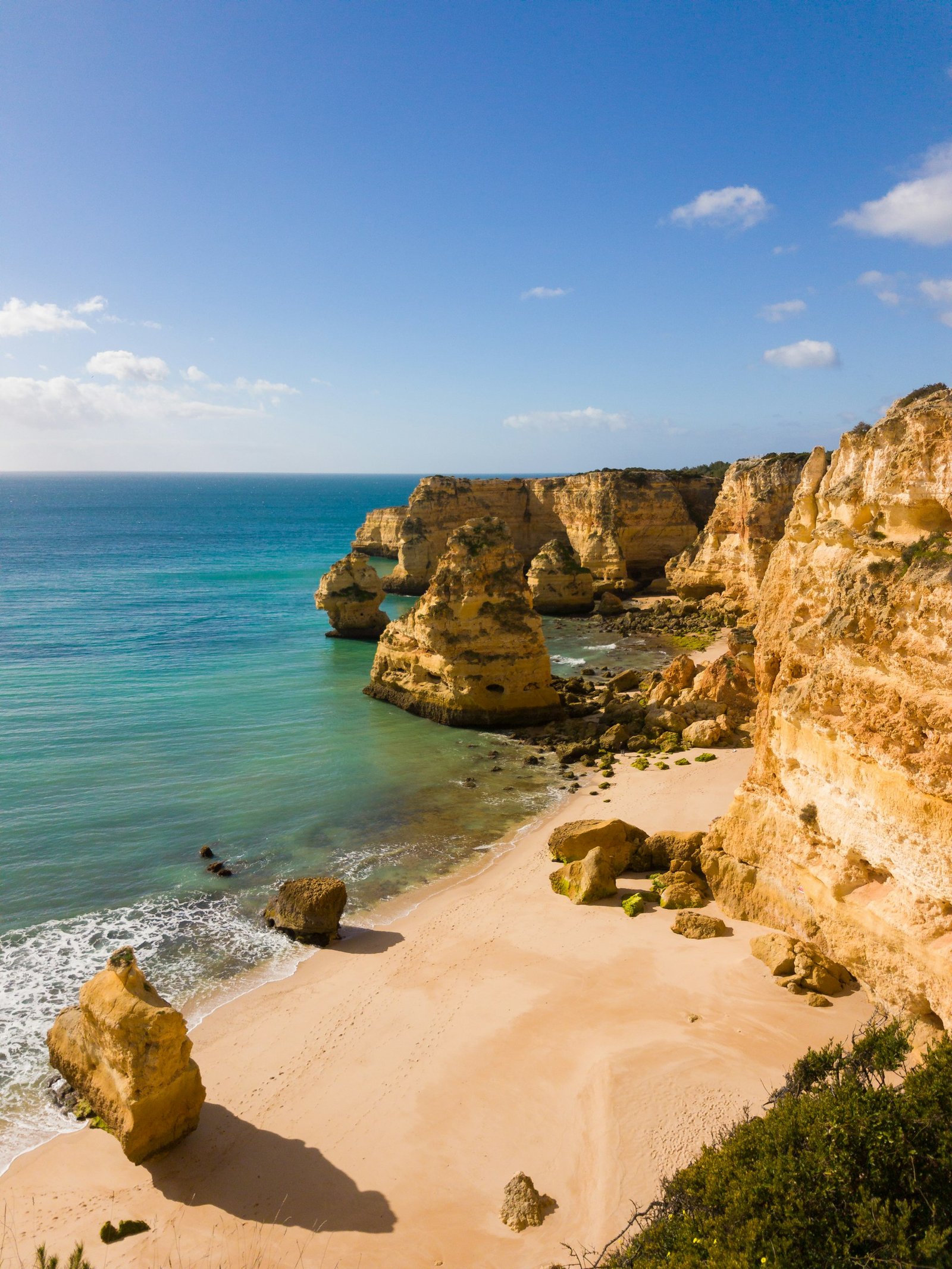
    The Algarve, Portugal’s southern coast, looks like someone painted it. Golden cliffs drop into turquoise water, wind and waves have carved arches and sea caves into the rock, and hidden coves appear at the bottom of wooden staircases. Behind the coast lie whitewashed villages, orange groves and quiet hills.

    It’s one of the sunniest corners of Europe, with more than 300 days of sunshine a year, and it’s still good value compared to the Mediterranean hotspots of Spain, France or Italy. You can eat grilled fish by the sea for the price of a sandwich in Paris, and outside of July and August you’ll often have whole beaches almost to yourself.

    This guide shows you where to stay, which experiences are really worth your time, and how to enjoy the Algarve without overspending.

    The Algarve at a Glance

    • Where: the southern coast of Portugal, stretching about 150 km from the Spanish border to Cape St. Vincent
    • Airport: Faro (FAO), with direct flights from all over Europe. Lisbon is about two and a half to three hours away by car or train
    • Currency: euro (EUR)
    • Entry: Portugal is part of the Schengen Area. Many non-EU visitors can stay up to 90 days without a visa, but will need to register online with ETIAS once it starts. Check the current rules before you travel
    • Language: Portuguese. English is widely spoken in tourist areas
    • Best time: May, June, September and October
    • Budget: around $60 to $90 a day for budget travellers, $100 to $170 for a comfortable mid-range trip

    When to Go

    July and August are hot, sunny and very busy. Prices are at their highest, the famous beaches are packed and you’ll need to book everything well in advance.

    May, June, September and October are the sweet spot. It’s warm enough for the beach, the sea is at its warmest in September, and there are far fewer people. Accommodation is noticeably cheaper.

    November to March is mild, with daytime temperatures of around 15 to 18 degrees Celsius. It’s too cold for most people to swim, but perfect for hiking, golf and exploring the villages, and prices are very low. Late January and February bring the almond blossom.

    Our tip: go in late May or late September. You’ll get beach weather, calm seas for boat trips and fair prices.

    Where to Base Yourself

    The Algarve is easy to explore, but it’s long enough that it’s worth choosing your base carefully. If you have a week or more, split your stay between two places.

    Lagos: The Best All-Rounder

    Lagos in the west has a charming old town with cobbled streets, lively restaurants and bars, and some of the most beautiful beaches and cliffs in the region right on its doorstep. It’s the best base for first-time visitors and for anyone who wants to explore the wild west coast.

    Carvoeiro and Ferragudo: For the Famous Cliffs

    In the central Algarve, the small fishing villages of Carvoeiro and Ferragudo are close to Benagil Cave, Praia da Marinha and the Seven Hanging Valleys Trail. They’re quieter than nearby Albufeira, which is known for its nightlife and big resorts.

    Tavira: Authentic and Relaxed

    In the east, Tavira is the most beautiful town in the Algarve, with historic churches, a Roman-style bridge and a calm, local atmosphere. The beaches here are long and sandy, on islands reached by boat.

    Getting Around

    To see the best of the Algarve, you’ll want a rental car. Many of the most beautiful beaches, viewpoints and villages are hard to reach by public transport. Car hire is affordable, especially outside the summer holidays.

    The main motorway, the A22, has electronic tolls with no toll booths. Ask your rental company for a transponder so the tolls are charged automatically. The parallel N125 road is free but slower.

    Without a car, regional trains and buses connect the main towns along the coast, but you’ll need taxis or tours to reach many of the beaches.

    Things to Do in the Algarve

    Here are the experiences we think are worth your time and money.

    1. Kayak or Paddle to Benagil Cave

    Benagil Cave is the most famous sight in the Algarve: a huge sea cave with a round hole in its roof, through which sunlight falls onto a small golden beach. It’s one of the most photographed places in Portugal.

    You can only reach it from the water, on a boat tour, by kayak or on a stand-up paddleboard. Kayak and SUP tours from Benagil beach are the best way to see it, because they also explore the smaller caves and arches along the coast. Tours are budget to mid-range in price and last around one and a half to two hours.

    To protect the cave and keep visitors safe, the rules for Benagil have become stricter in recent years, and landing on the beach inside the cave is no longer allowed. Check the latest rules when you book, choose a licensed operator and go early in the morning, when the sea is calm and the crowds are smaller.

    Inside Benagil Cave with sunlight falling through the hole in its roof, Algarve, Portugal

    2. Hike the Seven Hanging Valleys Trail

    The Seven Hanging Valleys Trail is one of the most beautiful coastal walks in Europe. It runs for about 6 km along the clifftops between Praia da Marinha and Praia do Vale Centeanes, passing Benagil and dramatic viewpoints over sea arches, sinkholes and tiny beaches far below.

    The path is well marked and mostly easy, with a few short climbs. Walk it one way and take a taxi back, or turn around halfway. Start early to avoid the midday heat, wear proper shoes and stay well away from the cliff edges, which can be unstable.

    Make sure to spend some time on Praia da Marinha itself. With its golden cliffs and clear water, it’s often named one of the most beautiful beaches in Europe.

    Red cliffs above the Atlantic Ocean near Benagil on the Seven Hanging Valleys Trail, Algarve

    3. Explore the Rock Formations of Ponta da Piedade

    Just south of Lagos, Ponta da Piedade is a headland of golden cliffs, sea stacks, arches and grottoes rising from emerald water. Walk the clifftop paths and climb down the 182 steps to the water’s edge for a closer look.

    The best way to see it, though, is from the water. Small boats from Lagos marina take you into the grottoes, and kayak tours let you paddle through the arches yourself. Both are budget-friendly. Afterwards, relax on Praia do Camilo or Praia Dona Ana, two of the prettiest beaches in Lagos.

    Golden cliffs and rock formations at Ponta da Piedade near Lagos, Algarve

    4. Surf the Wild West Coast

    The west coast of the Algarve, the Costa Vicentina, is completely different from the south. It’s part of a natural park, with almost no development, huge empty beaches and powerful Atlantic waves.

    It’s one of the best surfing regions in Europe. Beaches like Praia da Bordeira, Praia do Amado and Arrifana have surf schools that offer lessons and board rental for beginners at fair prices. Even if you don’t surf, the wide sandy beaches backed by dunes and cliffs are spectacular, especially at sunset.

    Hikers can walk sections of the Rota Vicentina, a long-distance network of trails along the coast. The Fishermen’s Trail follows the clifftops above the sea.

    Wide sandy beach and cliffs at Praia da Bordeira on the west coast of the Algarve

    5. Watch the Sunset at Cape St. Vincent

    At the south-western tip of Europe, Cabo de São Vicente was once believed to be the end of the world. Today, its lighthouse and wild cliffs are one of the best places in Portugal to watch the sunset.

    Arrive about an hour before sunset, bring a jacket because it’s often windy, and buy a bratwurst from the famous “last sausage before America” stand. On the way, visit the town of Sagres and its clifftop fortress.

    6. Go Island Hopping in the Ria Formosa

    In the eastern Algarve, the Ria Formosa is a protected lagoon of canals, salt marshes and sandy barrier islands. It’s a paradise for birdwatchers, with flamingos, spoonbills and herons.

    Boats from Faro and Olhão take you to car-free islands such as Culatra, Farol and Ilha Deserta, where wooden boardwalks lead across the dunes to long, empty beaches. On Ilha Deserta, there’s just one restaurant and miles of sand. Ferries are budget-friendly, and guided boat tours are mid-range.

    Wooden boardwalk across the dunes on Ilha Deserta in the Ria Formosa, Algarve

    7. Wander Through Tavira

    Tavira is the most charming town in the Algarve. Its old bridge crosses the Gilão River, whitewashed houses with tiled facades line the streets, and more than 20 churches rise above the rooftops. Climb up to the castle for a view over the town.

    From Tavira, a short boat ride takes you to Ilha de Tavira, with a long sandy beach. Nearby, at Praia do Barril, a little train runs across the lagoon to the beach, where you’ll find the unusual Anchor Cemetery, a row of rusty old fishing anchors in the sand.

    Old bridge over the Gilão River in Tavira, Algarve, Portugal

    8. Spot Dolphins on a Boat Trip

    The waters off the Algarve are home to common and bottlenose dolphins, and dolphin-watching trips from Lagos, Portimão, Albufeira and Vilamoura have a high chance of sightings. Most trips also cruise along the coast and past the caves.

    Choose a company that follows responsible wildlife guidelines and keeps a respectful distance from the animals. Trips are mid-range in price and usually last around two hours.

    9. Escape to the Monchique Mountains

    When the coast gets too hot or crowded, head inland to the green Serra de Monchique. Drive up to Fóia, the highest point in the Algarve at about 900 metres, for views stretching to the ocean on a clear day.

    The small spa village of Caldas de Monchique has natural thermal springs, shady paths and old buildings. Try a glass of medronho, a strong local brandy made from the fruit of the strawberry tree.

    10. Eat Piri-Piri Chicken and Visit Silves

    The Algarve is famous for piri-piri chicken, grilled over charcoal and brushed with a spicy chilli sauce. The small town of Guia near Albufeira is known as its home, with several simple restaurants that serve nothing else.

    Combine it with a visit to nearby Silves, once the Moorish capital of the region. Its red sandstone castle is one of the best preserved in Portugal and looks over orange groves and the river valley.

    Where to Stay on a Budget

    The Algarve has plenty of affordable accommodation, especially outside July and August:

    • Guesthouses and small hotels: often family-run, with breakfast included and a personal touch
    • Holiday apartments: very popular and great value, especially for families or longer stays. Many have a kitchen and a shared pool
    • Hostels: Lagos has some of the best hostels in Portugal, with pools, rooftop terraces and private rooms
    • Rural houses: in the hills behind the coast, restored farmhouses with pools offer peace and quiet at fair prices

    Book early for summer, especially if you want to stay in Lagos or Carvoeiro.

    Eating on a Budget

    Portuguese food is simple, fresh and affordable:

    • Order the prato do dia: the dish of the day at local restaurants is usually great value, especially at lunch
    • Eat grilled fish: sardines in summer, sea bream and sea bass all year, simply grilled with potatoes and salad
    • Try cataplana: a seafood stew cooked in a copper pot, perfect for sharing
    • Buy a pastel de nata: Portugal’s famous custard tart is sold in every bakery for very little
    • Shop at the markets: the fish and fruit markets in Olhão, Loulé and Lagos are full of local produce

    Be careful with the small dishes of bread, olives and butter placed on your table when you sit down. They’re not free, so send them back if you don’t want them.

    What It Really Costs

    Here’s a realistic daily budget per person for a comfortable mid-range trip in spring or autumn, not counting flights.

    • Accommodation: $40 to $80 per person, sharing a double room or apartment
    • Food and drink: $30 to $50 a day, eating in local restaurants and cafés
    • Transport: $15 to $35 a day per person, including a small rental car shared by two, fuel and tolls
    • Activities: budget for the highlights separately: a Benagil kayak or boat tour, a Ponta da Piedade boat trip, a surf lesson and a dolphin-watching trip

    That works out to around $100 to $170 per person per day. In July and August, expect higher prices for accommodation and car hire.

    A Sample 7-Day Itinerary

    Day 1: Arrive in Faro and drive to Lagos. Evening walk through the old town.

    Day 2: Ponta da Piedade by boat or kayak, then Praia do Camilo and Praia Dona Ana.

    Day 3: West coast day: Sagres, a surf lesson at Praia da Bordeira or Amado, and sunset at Cape St. Vincent.

    Day 4: Move to Carvoeiro. Kayak to Benagil Cave in the morning, Praia da Marinha in the afternoon.

    Day 5: Hike the Seven Hanging Valleys Trail, then piri-piri chicken in Guia and the castle of Silves.

    Day 6: Move to Tavira. Explore the old town and take the little train to Praia do Barril.

    Day 7: Ria Formosa island hopping from Olhão or Faro, then fly home from Faro.

    Practical Tips

    • Book Benagil tours early in summer, and go in the morning when the sea is calmer
    • The Atlantic is cool: even in summer, the water is around 20 to 22 degrees Celsius
    • Respect the cliffs: stay away from the edges and don’t sit directly below them on the beach
    • Use sun protection: the sun is strong, even when the wind makes it feel cool
    • Many shops close at lunchtime in smaller towns, and restaurants often serve dinner from around 7 p.m.
    • Tipping isn’t expected, but rounding up or leaving 5 to 10 percent for good service is appreciated

    Booking Tips

    • Airport transfer: if you don’t pick up a rental car at the airport, book an airport transfer with Kiwitaxi from Faro to Lagos, Carvoeiro or Tavira, with a fixed price and a driver waiting for you
    • eSIM: if you’re coming from outside the EU, install a Yesim eSIM before you fly, so you have data for maps and beach directions in Portugal from the moment you land
    • Tours: popular options include a Benagil Cave boat or kayak tour, a Ponta da Piedade grotto trip, a dolphin-watching cruise and a Ria Formosa island tour. You can compare and book most of them on Klook

    Final Thoughts

    The Algarve is far more than a beach holiday. Paddle into sea caves at sunrise, walk along golden clifftops, surf the wild Atlantic coast, watch the sun sink into the ocean at the end of Europe and finish the day with grilled fish and a glass of local wine.

    Travel in late spring or early autumn, rent a car and split your stay between the west and the east. You’ll see the Algarve at its best, without the crowds and without the summer prices.

    Prices checked in October 2026. Costs and opening times change, so always confirm before you book.
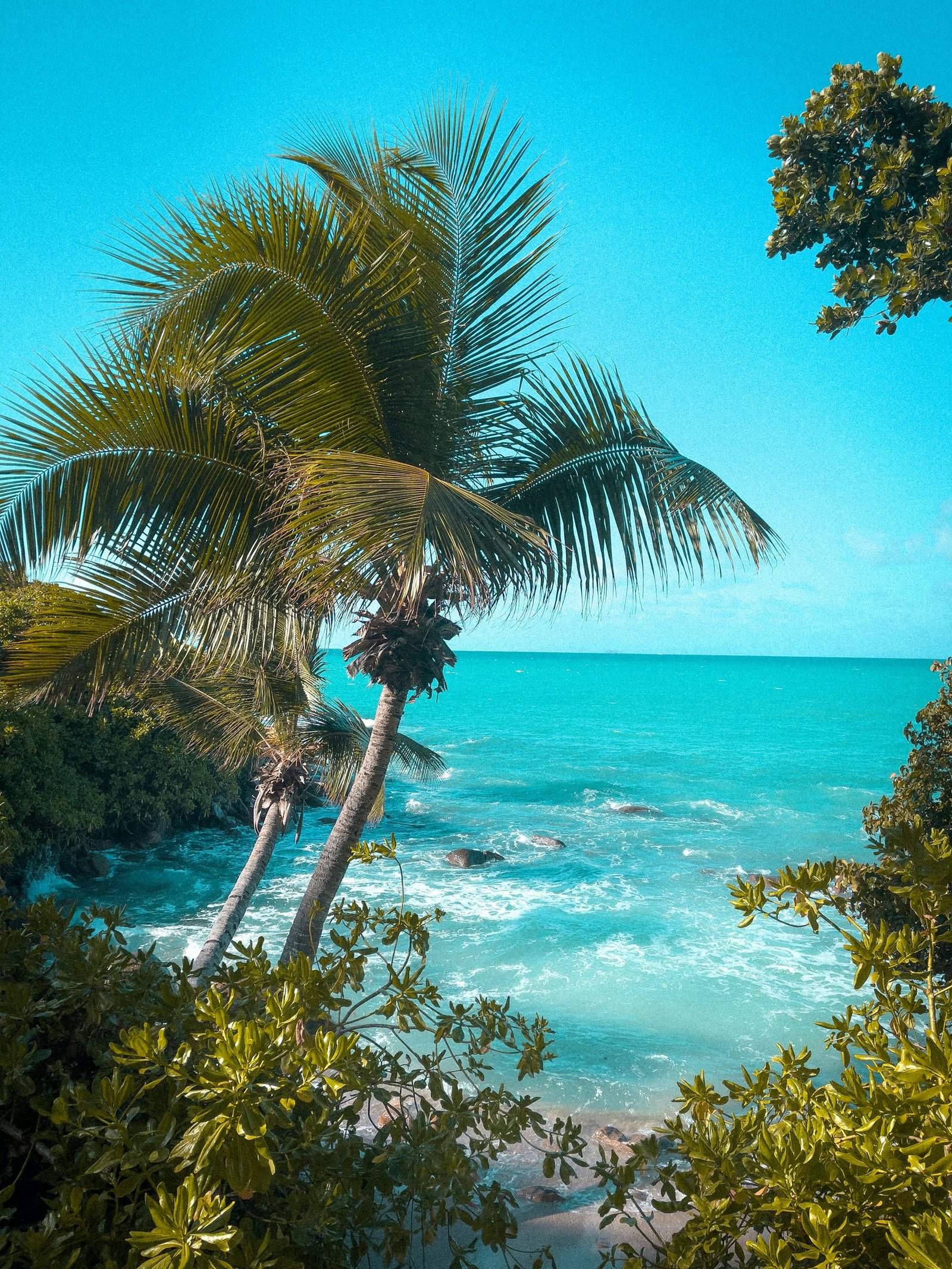
  • Cape Town and the Garden Route: The Ultimate South Africa Road Trip

    Cape Town and the Garden Route: The Ultimate South Africa Road Trip

    There are few cities in the world with a setting like Cape Town. A flat-topped mountain rises straight out of the city centre, two oceans meet just around the corner, and within an hour’s drive you can be standing on a beach full of penguins, tasting wine on a historic estate or driving one of the most beautiful coastal roads on earth.

    And that’s just the beginning. East of Cape Town, the Garden Route follows the coast for around 300 km through lagoons, forests, cliffs and quiet beach towns. It’s one of the best road trips in the world, and you can do it at your own pace with a rental car.

    South Africa is also surprisingly good value. The exchange rate means that great food, excellent wine and comfortable guesthouses cost much less than in Europe, North America or Australia. This guide shows you how to plan the perfect trip, which experiences are really worth it and what it will actually cost.

    Cape Town and the Garden Route at a Glance

    • Where: the Western Cape and Eastern Cape provinces of South Africa
    • Main airports: Cape Town (CPT), George (GRJ) on the Garden Route and Port Elizabeth, now officially called Gqeberha (PLZ), at the eastern end
    • Currency: South African rand (ZAR). One US dollar is roughly 17 to 18 rand
    • Entry: citizens of the EU, the UK, the US, Canada, Australia and many other countries can visit without a visa for up to 90 days. Your passport needs at least two blank pages. Always check the current rules for your nationality
    • Driving: on the left side of the road
    • Best time: November to March for summer and beach weather, June to November for whale watching
    • Budget: around $50 to $80 a day for budget travellers, $100 to $180 for a comfortable mid-range trip including a rental car

    When to Go

    South Africa is in the southern hemisphere, so the seasons are the opposite of Europe and North America.

    November to March is summer. It’s warm, dry and sunny in Cape Town, with long days and temperatures of around 25 to 30 degrees Celsius. December and January are the busiest months, when South Africans are on holiday too, so prices rise and you’ll need to book ahead. Be prepared for the Cape Doctor, a strong south-easterly wind that blows through Cape Town in summer.

    April and May are lovely: still warm, calmer and quieter, with fewer crowds and lower prices.

    June to August is winter. Cape Town gets most of its rain now, but there are also plenty of clear, crisp days. It’s the start of the whale season, when southern right whales arrive along the coast.

    September and October bring spring wildflowers and the best whale watching of the year.

    Our tip: for the best mix of good weather, fewer crowds and fair prices, travel in March, April or November.

    An Honest Word About Safety

    Many people worry about safety in South Africa. It’s true that crime is a real problem in parts of the country, but millions of tourists visit Cape Town and the Garden Route every year without any trouble.

    Use common sense: don’t walk alone at night, don’t show off expensive jewellery or cameras, keep your car doors locked and never leave valuables visible in a parked car. Use Uber or Bolt instead of walking after dark, and ask your accommodation which areas to avoid. On popular hiking trails, go in a group or with a guide, and start early.

    Getting Around

    The best way to explore the Western Cape and the Garden Route is with a rental car. Roads are generally in good condition, distances are manageable and having your own car gives you the freedom to stop wherever you like.

    Most travellers fly into Cape Town and drive the Garden Route from west to east. You can then drop off your car in Port Elizabeth and fly back, or drive back on the inland Route 62 through the Klein Karoo, a beautiful alternative with mountain passes and small farm towns. One-way rentals usually cost a little extra.

    In Cape Town itself, Uber and Bolt are cheap, safe and easy to use.

    Things to Do in Cape Town and on the Garden Route

    Here are the experiences we think are worth your time and money.

    1. Go Up Table Mountain

    Table Mountain is the symbol of Cape Town and one of the New 7 Wonders of Nature. From the flat top, more than 1,000 metres above the city, you can see the whole city, the Atlantic Ocean, Robben Island and the Cape Peninsula stretching to the south.

    The easiest way up is the Table Mountain Aerial Cableway, whose round cars rotate as they climb so everyone gets the full view. Tickets are mid-range in price, and buying online saves you time in the queue. If you’re fit, you can also hike up the Platteklip Gorge trail in around two to three hours. It’s steep but straightforward.

    The cableway closes when it’s too windy or cloudy, so check the status before you go and plan your visit for the first clear day of your trip.

    2. Hike Lion’s Head at Sunrise

    Next to Table Mountain, the pointed peak of Lion’s Head is one of the most popular hikes in Cape Town. The trail spirals around the mountain to the top in about one to one and a half hours, with a few short sections where you use chains and ladders.

    The views over Camps Bay, the Twelve Apostles and the city are incredible, especially at sunrise or sunset. On full-moon nights, hundreds of locals climb the mountain to watch the sunset and walk down by moonlight. Bring a torch, water and a warm jacket.

    3. Drive Chapman’s Peak and the Cape Peninsula

    The day trip down the Cape Peninsula is one of the best things you can do in Cape Town. Start on the Atlantic coast and drive along Chapman’s Peak Drive, a spectacular road carved into the cliffs high above the ocean, with 114 curves along 9 km. A small toll is charged.

    Continue to the Cape of Good Hope and Cape Point in Table Mountain National Park, where you can walk up to the old lighthouse and look out over the wild cliffs. Watch out for baboons, which are clever and will grab any food they see. On the way back, follow the False Bay coast through the small towns of Kalk Bay and Simon’s Town.

    Chapman's Peak Drive winding along the cliffs above the ocean near Cape Town

    4. Meet the Penguins at Boulders Beach

    Near Simon’s Town, Boulders Beach is home to a colony of around 3,000 African penguins. They waddle across the sand, swim between huge granite boulders and sometimes walk right past you. Wooden boardwalks let you see them up close without disturbing them.

    Next to the main viewing area, there’s a small sheltered beach where you can swim in the same water as the penguins. The water is cold, but the experience is unforgettable. African penguins are now endangered, so always keep your distance and never touch or feed them. A national park entrance fee applies.

    African penguins on the sand beside a granite boulder at Boulders Beach, Cape Town

    5. Learn to Surf in Muizenberg

    The long, gentle waves of Muizenberg on False Bay make it one of the best places in the world to learn to surf. Several surf schools along the beachfront rent boards and wetsuits and offer lessons for complete beginners at budget-friendly prices.

    Even if you don’t surf, Muizenberg is worth a stop for its famous row of colourful Victorian beach huts, one of the most photographed sights in Cape Town. The water on the False Bay side is also a few degrees warmer than on the Atlantic coast.

    Colourful Victorian beach huts on Muizenberg beach, Cape Town

    6. Taste Wine in Stellenbosch and Franschhoek

    Less than an hour from Cape Town, the Cape Winelands are among the most beautiful wine regions in the world. Historic Cape Dutch estates with white gables sit between vineyards and dramatic mountains.

    In Stellenbosch, a lively university town, you can walk under oak trees, visit galleries and taste wine at dozens of estates nearby. Franschhoek, founded by French Huguenots, is smaller and known for its excellent restaurants. Its Wine Tram, a hop-on hop-off tram and bus tour between wine farms, means nobody has to drive.

    Wine tastings in South Africa are very affordable compared to Europe or California. Try the local Pinotage and Chenin Blanc, and book lunch at one of the estates for a long, relaxed afternoon.

    Vineyard rows with mountains in the background in Franschhoek, South Africa

    7. Watch Whales in Hermanus

    Between June and November, southern right whales come to the bays of the Western Cape to give birth and raise their calves. The best place to see them is Hermanus, about 90 minutes from Cape Town, where whales often swim just metres from the cliffs.

    You can watch them for free from the Cliff Path, which runs along the coast through town. For a closer look, take a whale-watching boat trip from Hermanus or nearby Gansbaai. September and October are usually the best months.

    8. Explore Knysna and Plettenberg Bay

    On the Garden Route, Knysna sits on a large, calm lagoon that opens to the sea between two huge sandstone cliffs called the Heads. Drive up to the viewpoint on the eastern head for the best view, take a boat cruise on the lagoon and try the fresh local oysters.

    Half an hour further east, Plettenberg Bay has some of the best beaches on the Garden Route. Hike the Robberg Nature Reserve peninsula, where you can see seals, and take a boat trip to look for dolphins and, in season, whales.

    Aerial view of the Knysna Heads and lagoon on the Garden Route, South Africa

    9. Cross the Storms River Suspension Bridge

    Tsitsikamma, part of the Garden Route National Park, is a wild stretch of coast where dense forest meets crashing waves. The highlight is the walk to the Storms River Mouth Suspension Bridge, which hangs over the river where it flows into the ocean. The trail is about 1 km each way along a boardwalk through the forest.

    Adventurous travellers can kayak up the gorge, go ziplining through the forest canopy or jump from the Bloukrans Bridge, one of the highest bridge bungee jumps in the world at 216 metres. It’s a splurge, but people come from all over the world to do it.

    Storms River Mouth suspension bridge in Tsitsikamma on the Garden Route, South Africa

    10. See Elephants in Addo

    At the eastern end of the Garden Route, near Port Elizabeth, Addo Elephant National Park is home to more than 600 elephants. You can drive through the park in your rental car on a self-drive safari, which is much cheaper than a guided game drive.

    Besides elephants, you might see buffalo, zebra, warthogs, kudu and, with some luck, lions. It’s a malaria-free park, which makes it a great choice for families. If you only have time for one safari on this trip, Addo is the one.

    More to See in Cape Town

    Cape Town deserves at least four or five days. Besides the highlights above, don’t miss:

    • The Bo-Kaap: a historic neighbourhood with brightly painted houses and a rich Cape Malay culture. Join a cooking class to learn about its spicy, fragrant cuisine
    • The V&A Waterfront: a lively harbour area with restaurants, markets and the Zeitz MOCAA art museum
    • Robben Island: the former prison where Nelson Mandela spent 18 years, now a UNESCO World Heritage Site. Tours are led by former prisoners and leave from the Waterfront. Book ahead
    • Kirstenbosch National Botanical Garden: one of the most beautiful gardens in the world, with a tree-canopy walkway and summer sunset concerts
    • Camps Bay and Clifton: white sand beaches below the Twelve Apostles. The water is cold, but the sunsets are spectacular

    Where to Stay on a Budget

    South Africa has some of the best-value accommodation anywhere:

    • Guesthouses and B&Bs: the best choice for most travellers. They’re often run by friendly local owners and include a generous breakfast
    • Backpacker hostels: clean, social and well organised, with private rooms as well as dorms. The Garden Route has a long tradition of great backpacker lodges
    • Self-catering apartments and cottages: perfect for couples and families, especially if you want to cook
    • Wine estate and boutique hotels: a splurge, but often much cheaper than similar places in Europe

    In Cape Town, the City Bowl, Green Point, Sea Point and Camps Bay are good, central areas to stay. Book early for December and January.

    Eating on a Budget

    Eating out is one of the great pleasures of a trip to South Africa, and it’s very affordable:

    • Try a braai: the South African barbecue is a national tradition. Many guesthouses have braai areas you can use
    • Eat at the food markets: the Neighbourgoods Market at the Old Biscuit Mill and the V&A Food Market have great food at low prices
    • Look out for local dishes: bobotie (spiced minced meat with an egg topping), bunny chow (curry in a hollowed-out loaf of bread) and Cape Malay curries
    • Try the seafood: fish and chips in Kalk Bay or Hout Bay is a must, and the Garden Route is famous for its oysters

    Restaurants in the Winelands are some of the best in the country, and many offer set lunch menus that are excellent value.

    What It Really Costs

    Here’s a realistic daily budget per person for a comfortable mid-range trip, not counting international flights.

    • Accommodation: $40 to $80 per person, sharing a double room in a good guesthouse
    • Food and drink: $25 to $45 a day, including restaurant dinners and some wine
    • Transport: $20 to $40 a day per person, including a small rental car shared by two, fuel and tolls
    • Activities: budget for the highlights separately: the Table Mountain cableway, Boulders Beach, a wine tasting or tram tour, a whale-watching trip and the park fees for Tsitsikamma and Addo

    That works out to around $100 to $180 per person per day. Backpackers who use hostels and cook for themselves can travel for much less.

    A Sample 14-Day Itinerary

    Days 1 to 4: Cape Town. Table Mountain, Lion’s Head, the Bo-Kaap, the V&A Waterfront and Robben Island.

    Day 5: Cape Peninsula day trip: Chapman’s Peak Drive, Cape Point, Boulders Beach and Muizenberg.

    Day 6: Day trip to the Winelands in Stellenbosch or Franschhoek.

    Days 7 to 8: Drive to Hermanus for whale watching (in season), then continue along the coast towards the Garden Route.

    Days 9 to 10: Knysna. The Heads, a lagoon cruise and fresh oysters.

    Day 11: Plettenberg Bay and the Robberg Nature Reserve.

    Day 12: Tsitsikamma. The suspension bridge, kayaking or a bungee jump.

    Days 13 to 14: Addo Elephant National Park, then fly home from Port Elizabeth.

    Practical Tips

    • Book a rental car early for the summer holidays, and choose full insurance
    • Car guards are common in parking areas. It’s normal to give them a small tip when you leave
    • Tip in restaurants: around 10 to 15 percent is expected
    • Bring layers: even in summer, evenings can be cool and the wind is strong
    • The ocean is cold on the Atlantic side, even in summer. False Bay and the Garden Route are warmer
    • Get a local SIM or eSIM for maps and ride-hailing apps

    Booking Tips

    • Airport transfer: if you don’t pick up your rental car at the airport, book an airport transfer with Kiwitaxi from Cape Town airport to your hotel, with a fixed price and a driver waiting for you
    • eSIM: install a Yesim eSIM before you fly, so you have data for maps, Uber and Bolt in South Africa from the moment you land
    • Tours: popular options include Table Mountain cableway tickets, a Cape Peninsula day tour, a Winelands wine tasting tour and a Robben Island trip. You can compare and book most of them on Klook

    Final Thoughts

    Cape Town and the Garden Route offer an incredible variety in a relatively small area: a vibrant city below a famous mountain, wild coastal roads, penguins on the beach, world-class wine, whales close to shore, ancient forests and elephants in the bush.

    Travel smart, stay aware of your surroundings and take your time on the road. South Africa will surprise you with its beauty, its warmth and its value for money. Many travellers come once and spend the rest of their lives planning their return.

    Prices checked in October 2026. Costs and opening times change, so always confirm before you book.

  • Vietnam in Two Weeks: From Hanoi to the Mekong Delta on a Real Budget

    Vietnam in Two Weeks: From Hanoi to the Mekong Delta on a Real Budget

    Vietnam is long and thin, stretching more than 1,600 km from the misty mountains on the Chinese border to the green water world of the Mekong Delta in the south. In between you’ll find limestone islands rising out of the sea, rice terraces carved into steep hillsides, lantern-lit old towns, wild caves, white beaches and some of the best street food on the planet.

    It’s also one of the best-value countries in Asia. A bowl of steaming pho costs less than a coffee back home, a comfortable hotel room is often cheaper than a hostel bed in Europe, and even an overnight cruise in Ha Long Bay won’t destroy your budget if you choose well.

    Two weeks is enough to see the highlights from north to south, as long as you plan your route well and don’t try to squeeze in everything. This guide shows you how we would do it, which experiences are really worth it and what the trip will actually cost.

    Vietnam at a Glance

    • Where: Southeast Asia, bordering China, Laos and Cambodia, with a long coastline on the South China Sea
    • Main airports: Hanoi (HAN) in the north, Da Nang (DAD) in the centre and Ho Chi Minh City (SGN) in the south
    • Currency: Vietnamese dong (VND). One US dollar is roughly 25,000 dong, so get used to lots of zeros
    • Entry: citizens of many European countries can enter without a visa for a limited stay. Everyone else can apply online for an e-visa, valid for up to 90 days. Rules change, so check the official requirements for your passport before you book
    • Language: Vietnamese. English is spoken in hotels and tourist areas, less so in the countryside
    • Best time: it depends on the region, but February to April is a good compromise for a north-to-south trip
    • Budget: around $30 to $45 a day for backpackers, $60 to $100 for a comfortable mid-range trip

    When to Go

    Because Vietnam is so long, the weather is never the same everywhere at once. That’s actually good news: there’s always a region with good weather.

    The north (Hanoi, Ha Long Bay, Ninh Binh, Sapa) has four seasons. Winter from December to February can be surprisingly cool and grey, especially in the mountains. Summer from May to August is hot and wet. March to May and September to November are the most pleasant months.

    The centre (Hue, Hoi An, Da Nang) is best from February to August, when it’s dry and sunny. From September to December heavy rain and typhoons can cause flooding, particularly in Hoi An.

    The south (Ho Chi Minh City and the Mekong Delta) is tropical and warm all year. The dry season runs from December to April. From May to November there are short, heavy afternoon showers, but rarely all-day rain.

    Our tip: if you want to travel the whole country in one trip, February to April gives you the best chance of good weather in all three regions. Avoid the week of Tet, the Vietnamese New Year in late January or February, when transport is fully booked and many shops close.

    Getting Around

    Most travellers move from north to south, or the other way round. You have three main options:

    • Domestic flights: fast and affordable. Vietnam Airlines, Vietjet and Bamboo Airways connect Hanoi, Da Nang and Ho Chi Minh City several times a day. Book a few weeks ahead for the best prices
    • Trains: the Reunification Express runs the length of the country. It’s slow, but the stretch between Hue and Da Nang over the coast is beautiful. Sleeper cabins with four beds are the most comfortable choice for night journeys
    • Buses: sleeper buses are the cheapest way to travel, with reclining beds for overnight trips. They’re fine for short distances, but not very comfortable for tall people

    Within cities, use the Grab app for taxis and motorbike taxis. It shows the price before you book, so you never have to haggle.

    Our Two-Week Route

    The classic route starts in the north and ends in the south, or the other way round. Here’s the order we recommend:

    Hanoi → Ha Long Bay → Ninh Binh → Sapa → Hoi An → Ho Chi Minh City → Mekong Delta

    Hanoi is the perfect start. The capital is loud, chaotic and full of life. In the Old Quarter, narrow streets are packed with motorbikes, street kitchens, tiny cafés and shops that have sold the same things for generations. Take a walk around Hoan Kiem Lake in the early morning, when locals do tai chi by the water, and try an egg coffee, a Hanoi speciality made with whipped egg yolk and sugar. It sounds strange, but it tastes like liquid tiramisu.

    Crossing the road is an adventure in itself. Walk slowly and steadily, don’t stop suddenly and don’t run. The motorbikes will flow around you.

    Motorbikes on a street in the Old Quarter of Hanoi, Vietnam

    Things to Do in Vietnam

    Here are the experiences we think are worth your time and money.

    1. Cruise Through Ha Long Bay

    Ha Long Bay is the image most people have of Vietnam: almost 2,000 limestone islands rising out of emerald water, covered in jungle and full of hidden caves. It’s a UNESCO World Heritage Site and one of the most spectacular seascapes in the world.

    The best way to see it is on an overnight cruise. You’ll sail between the islands, swim, visit caves and wake up to a quiet sunrise on the water. Cruises range from simple boats to elegant ships with balconies and spas, so there’s an option for most budgets. One night is enough for most travellers.

    Our tip: choose a cruise that visits Lan Ha Bay or Bai Tu Long Bay. They have the same scenery as Ha Long Bay but far fewer boats. And always book with a well-reviewed company, because quality varies a lot.

    Traditional boats at sunset among the limestone islands of Ha Long Bay, Vietnam

    2. Take a Boat Through Trang An in Ninh Binh

    Often called “Ha Long Bay on land”, Ninh Binh is about two hours south of Hanoi. Here, the limestone mountains rise out of green rice fields instead of the sea.

    The highlight is the Trang An boat trip, also a UNESCO World Heritage Site. A local rower, often a woman who paddles with her feet, takes you along quiet rivers, through low caves and past small temples hidden between the cliffs. The tour takes around two to three hours and is very good value.

    Afterwards, climb the roughly 500 steps to the Hang Mua viewpoint for a stunning view over the rice fields and rivers, especially at sunset. Then rent a bicycle and ride through the countryside around Tam Coc. Ninh Binh deserves at least one night, not just a day trip.

    Rowing boat on the river between limestone cliffs in Trang An, Ninh Binh, Vietnam

    3. Trek Through the Rice Terraces of Sapa

    In the far north, close to the Chinese border, Sapa is surrounded by some of the most beautiful rice terraces in Asia. The mountains are home to ethnic minorities such as the Hmong and the Red Dao, who still live in traditional villages in the valleys.

    The best way to experience the region is on a trek with a local guide. One-day walks lead through the terraces to villages like Lao Chai and Ta Van, and two-day treks include a night in a homestay with a local family. It’s simple but unforgettable, with home-cooked food and often a glass of homemade rice wine.

    The terraces are greenest from June to August and turn golden just before the harvest in September. If you prefer something easier, the Fansipan cable car takes you up to the highest mountain in Indochina, at over 3,100 metres.

    Getting there takes around five to six hours by bus or overnight train from Hanoi, so plan at least two nights.

    Aerial view of rice terraces and small houses in a valley near Sapa, Vietnam

    4. Walk Through Hoi An by Lantern Light

    Hoi An is the most charming town in Vietnam. Its well-preserved Old Town, another UNESCO World Heritage Site, is full of yellow merchant houses, Chinese temples and the famous Japanese Covered Bridge.

    The magic happens in the evening, when hundreds of colourful silk lanterns light up the streets and the river. Take a small boat ride on the Thu Bon River and float a paper lantern on the water. It’s touristy, yes, but it’s still beautiful.

    During the day, rent a bicycle and ride through the rice fields to An Bang Beach, or try a ride in a round basket boat in the coconut palm forest of Cam Thanh. A ticket is needed to enter the Old Town’s historic buildings.

    Colourful silk lanterns lit up at night in the Old Town of Hoi An, Vietnam

    5. Visit a Floating Market in the Mekong Delta

    In the far south, the mighty Mekong River splits into countless channels before it reaches the sea. The Mekong Delta is a lush green world of rice paddies, fruit orchards, coconut palms and villages on the water.

    The most famous sight is the Cai Rang Floating Market near Can Tho, where farmers sell fruit and vegetables directly from their boats. Get there at sunrise, when it’s busiest. Each boat hangs a sample of what it sells from a tall pole, so buyers can see from a distance.

    Day trips from Ho Chi Minh City are possible, but they’re rushed. If you can, spend a night in Can Tho or in a homestay in Ben Tre and explore the small canals by canoe or bicycle.

    Canoe on a narrow river surrounded by palm trees in the Mekong Delta, Vietnam

    6. Eat Your Way Through the Street Food

    Vietnamese food is one of the great reasons to visit, and the best of it is sold on the street. Sit on a tiny plastic stool, order what everyone else is eating and enjoy.

    Must-tries include:

    • Pho: noodle soup with beef or chicken, the national breakfast
    • Bun cha: grilled pork with noodles and herbs, a Hanoi favourite
    • Banh mi: a crispy baguette filled with meat, pâté, pickled vegetables and chilli. Hoi An is famous for it
    • Cao lau: thick noodles with pork and greens, found only in Hoi An
    • Banh xeo: crispy rice pancakes you wrap in rice paper with herbs

    A street food tour on your first evening in Hanoi is a great way to learn what to order and how to eat it. Most tours are budget-friendly and include plenty of tastings.

    7. Ride the Hai Van Pass

    Between Hue and Hoi An, the Hai Van Pass winds over a mountain range along the coast, with breathtaking views of the sea and empty beaches far below. It became world-famous after appearing on a popular TV car show.

    The best way to experience it is on the back of a motorbike with an experienced local driver, or in a jeep tour. You don’t need to drive yourself. Many tours also stop at the beaches of Lang Co and the Marble Mountains near Da Nang.

    8. Explore the Caves of Phong Nha

    Phong Nha-Ke Bang National Park in central Vietnam is home to some of the largest caves in the world, including Son Doong, the biggest cave on earth. Son Doong can only be visited on a very expensive multi-day expedition, but there are many other caves that are much easier to reach.

    Paradise Cave has an enormous chamber full of stalactites and stalagmites, explored on a wooden boardwalk. In Dark Cave, you’ll swim, zipline and wallow in a natural mud bath. Phong Nha is a little off the classic route, so add two extra days if caves are your thing.

    9. Get Clothes Made or Take a Cooking Class in Hoi An

    Hoi An is famous for its tailors. You can choose a fabric, show a photo of what you want and have a suit, dress or coat made to measure within one to two days. Prices are low compared to home, but quality varies, so choose a shop with good reviews and plan time for a second fitting.

    If clothes aren’t your thing, take a cooking class. Many start with a trip to the local market to buy ingredients, followed by a boat ride to a farm or cooking school, where you learn to make spring rolls, banh xeo and pho. It’s one of the most fun ways to spend a morning in Vietnam.

    10. Crawl Through the Cu Chi Tunnels

    Near Ho Chi Minh City, the Cu Chi Tunnels are a huge underground network used during the Vietnam War. You can see hidden entrances, traps and underground kitchens, and even crawl through a short section of tunnel. It’s tight, dark and hot, and gives you a real feeling of how hard life was here.

    Combine it with a visit to the War Remnants Museum in Ho Chi Minh City. It’s a difficult museum to visit, but it’s one of the most important in the country.

    Where to Stay on a Budget

    Accommodation in Vietnam is excellent value:

    • Hostels: clean, social and often with a free breakfast and a rooftop bar. Private rooms are usually available too
    • Guesthouses and homestays: family-run, friendly and often with home-cooked meals. In Ninh Binh, Sapa and the Mekong Delta, homestays are the best way to experience local life
    • Mid-range hotels: surprisingly affordable, often with a pool, breakfast and a spa
    • Boutique resorts: in Hoi An and the countryside around Ninh Binh, small resorts with pools in the rice fields are a lovely splurge at a fraction of the price you’d pay elsewhere

    Book ahead for Tet, the Ha Long Bay cruises and the most popular homestays in Sapa.

    Eating on a Budget

    Eating out in Vietnam is cheap, and the cheapest food is often the best:

    • Eat at street stalls and local restaurants where the menu is short and the place is full of locals
    • Drink local coffee. Vietnamese iced coffee with condensed milk, called ca phe sua da, costs very little and is strong enough to keep you going all day
    • Try the local beer. Each region has its own, and the fresh draught beer called bia hoi in Hanoi is one of the cheapest beers in the world
    • Buy fruit at the markets. Mangoes, dragon fruit, rambutan and mangosteen are sweet, fresh and cheap

    Avoid tap water, and drink bottled or filtered water instead. Most hotels offer free refills.

    What It Really Costs

    Here’s a realistic daily budget per person for a comfortable mid-range trip, not counting international flights.

    • Accommodation: $20 to $45 per person, sharing a double room in a good mid-range hotel
    • Food: $10 to $25 a day, eating mostly local food with the occasional nicer restaurant
    • Transport: $10 to $25 a day on average, including Grab rides, a sleeper train and one or two domestic flights
    • Activities: budget for the highlights separately: an overnight Ha Long Bay cruise, a Sapa trek with a homestay and a Mekong Delta trip are the big ones

    That works out to around $60 to $100 per person per day, plus your cruise. Backpackers can travel comfortably for much less. If you want luxury, Vietnam is one of the best places in the world to enjoy it without spending a fortune.

    A Sample 14-Day Itinerary

    Days 1 to 2: Hanoi. Explore the Old Quarter, Hoan Kiem Lake and the Temple of Literature, and join a street food tour.

    Days 3 to 4: Overnight cruise in Ha Long Bay or Lan Ha Bay.

    Days 5 to 6: Ninh Binh. Trang An boat trip, Hang Mua viewpoint and cycling around Tam Coc.

    Days 7 to 8: Overnight train or bus to Sapa. Two-day trek with a homestay in the rice terraces.

    Day 9: Back to Hanoi and fly to Da Nang. Transfer to Hoi An.

    Days 10 to 11: Hoi An. Old Town by lantern light, a cooking class, the beach and perhaps the Hai Van Pass.

    Day 12: Fly to Ho Chi Minh City. Visit the War Remnants Museum and the Cu Chi Tunnels.

    Days 13 to 14: Mekong Delta. Overnight in Can Tho and the Cai Rang Floating Market at sunrise, then back to Ho Chi Minh City for your flight home.

    Practical Tips

    • Get a local SIM or eSIM when you arrive. Data is cheap and you’ll need it for Grab and maps
    • Carry cash. Many small restaurants and markets don’t take cards. ATMs are everywhere, but some charge a fee
    • Bargain politely at markets, but not in restaurants or shops with fixed prices
    • Dress respectfully in temples and pagodas, with shoulders and knees covered
    • Travel insurance is a must, especially if you plan to ride a motorbike
    • Don’t rent a motorbike unless you’re experienced. Traffic is chaotic, and many insurance policies don’t cover you without a valid licence

    Booking Tips

    • Airport transfer: book an airport transfer with Kiwitaxi from Hanoi, Da Nang or Ho Chi Minh City airport, or straight from Da Nang to Hoi An, with a fixed price and a driver waiting for you
    • eSIM: install a Yesim eSIM before you fly, so you have data for Grab, maps and messages in Vietnam from the moment you land
    • Tours: popular options include an overnight Ha Long Bay cruise, a Ninh Binh day trip, a Hanoi street food tour and a Mekong Delta tour. You can compare and book most of them on Klook

    Final Thoughts

    Vietnam is one of those countries that gets under your skin. One day you’re sailing between limestone islands in Ha Long Bay, the next you’re walking through rice terraces with a Hmong guide, eating banh mi on a plastic stool in Hoi An or watching the sun rise over the boats of a floating market in the Mekong Delta.

    It’s not always easy. The traffic is wild, the distances are long and the weather can surprise you. But it’s friendly, safe, full of flavour and incredibly good value. Travel at the right time of year, plan your route from north to south and leave a little room for surprises. Vietnam will reward you with memories for a lifetime.

    Prices checked in October 2026. Costs and opening times change, so always confirm before you book.

  • Great Barrier Reef and the Whitsundays: How to See Them on a Budget

    Great Barrier Reef and the Whitsundays: How to See Them on a Budget

    The Great Barrier Reef is so big that astronauts can see it from space. It stretches for more than 2,300 km along the coast of Queensland in northeastern Australia, made up of around 3,000 individual reefs and hundreds of islands. Floating above it with a snorkel, watching turtles glide past and schools of fish flash through the coral, is one of those experiences that stays with you for the rest of your life.

    Just south of the reef’s most famous section lie the Whitsunday Islands, 74 tropical islands with white sand beaches, sailing boats anchored in quiet bays and what is often called the most beautiful beach in Australia.

    Australia isn’t a cheap destination, and reef trips aren’t free. But with the right base, the right season and some smart choices, you can see the best of the reef and the Whitsundays without spending a fortune. This guide shows you how.

    The Great Barrier Reef at a Glance

    • Where: off the coast of Queensland, Australia, from the Torres Strait in the north to near Bundaberg in the south
    • Main gateways: Cairns and Port Douglas in the north, Airlie Beach for the Whitsundays
    • Airports: Cairns (CNS), Proserpine (PPP) near Airlie Beach and Hamilton Island (HTI)
    • Currency: Australian dollar (AUD). One US dollar is roughly 1.5 Australian dollars
    • Entry: most visitors need an electronic visa before travel. EU citizens can apply for a free eVisitor, while travellers from the US, Canada and some other countries use the ETA app
    • Best time: June to October for dry, sunny weather and calm seas
    • Budget: around $80 to $120 a day for budget travellers, $180 to $300 for a comfortable mid-range trip

    An Honest Word About the Reef

    You may have read that the Great Barrier Reef is “dead”. It isn’t. But it is under real pressure. Rising sea temperatures have caused several mass coral bleaching events in recent years, and some areas have been badly damaged. Other parts have recovered well, and many reefs, especially on the outer reef, are still full of colour and life.

    The best thing you can do as a visitor is to choose a responsible tour operator, use reef-safe sunscreen, never touch or stand on the coral, and follow the guides’ instructions. Part of your ticket price goes to the reef’s management and protection, which is one more reason to visit.

    When to Go

    June to October is the best time for most travellers. It’s the dry season, with sunny days, low humidity, calm seas and pleasant temperatures of around 22 to 28 degrees Celsius. Water visibility is often best from around August to November.

    November to May is the wet season. It’s hot, humid and rainy, and January to March can bring tropical cyclones. It’s also stinger season, when dangerous box jellyfish and Irukandji jellyfish can be found in coastal waters. Tour operators provide full-body stinger suits, and you should always wear one when swimming during these months.

    Where to Base Yourself

    Cairns: The Classic Gateway

    Cairns is the main gateway to the northern Great Barrier Reef. It’s a relaxed tropical city with a big choice of accommodation, restaurants and reef tours. There’s no beach in the city itself, but the free Cairns Esplanade Lagoon is a lovely place to swim. From the marina, dozens of boats head out to the reef every morning.

    Port Douglas: Smaller and Closer to Paradise

    About an hour north of Cairns, Port Douglas is a smaller, more upmarket town with the beautiful Four Mile Beach. Boats from here reach the stunning Agincourt Reefs on the outer reef, and it’s the perfect base for the Daintree Rainforest.

    Airlie Beach: Gateway to the Whitsundays

    Airlie Beach is a lively little town with a big swimming lagoon, backpacker bars and the marina where sailing boats leave for the Whitsunday Islands. It’s the best base for island trips and sailing adventures.

    Our tip: if you have two weeks, combine Cairns or Port Douglas with Airlie Beach. Domestic flights or the long drive down the coast connect the two areas.

    Things to Do on the Great Barrier Reef

    Here are the experiences we think are worth your time and money.

    1. Visit Whitehaven Beach and Hill Inlet

    Whitehaven Beach on Whitsunday Island regularly appears on lists of the most beautiful beaches in the world. Its sand is made of almost pure silica, which makes it so fine and white that it squeaks under your feet and stays cool, even in the midday sun.

    At the northern end, the view from the Hill Inlet Lookout is the most famous sight in the Whitsundays. As the tide moves in and out, the white sand and turquoise water create swirling patterns that change every hour. Try to visit at low tide for the best view.

    Day trips from Airlie Beach to Whitehaven Beach are mid-range in price, and most include a stop at the lookout and time for swimming. There are no shops or facilities on the beach, so bring water, sunscreen and a hat.

    White sand and turquoise water at Hill Inlet, Whitehaven Beach, Australia

    2. Sail the Whitsundays

    Sailing between the islands is the best way to experience the Whitsundays. The water is calm, protected by the outer reef, and every day brings a new bay or beach to explore.

    Day sails take you to Whitehaven Beach and a snorkelling spot or two. Overnight sailing trips of two or three nights are even better: you sleep on board, wake up in a quiet bay and have the beaches to yourself before the day-trippers arrive. Overnight trips range from budget backpacker boats to small luxury yachts, so there’s an option for most budgets.

    If you’re an experienced sailor, you can even charter a bareboat yacht and skipper it yourself.

    Boat in clear blue water off Whitehaven Beach in the Whitsundays

    3. Snorkel on the Outer Reef

    The outer reef, far from the coast, usually has the clearest water and the healthiest coral. Full-day tours from Cairns, Port Douglas and Airlie Beach take you out on large, stable boats or to floating pontoons moored at the reef, with snorkelling gear, lunch and guides included.

    You’ll see brain corals, staghorn corals and giant clams, along with parrotfish, clownfish and, often, green sea turtles. Many tours also offer guided snorkel tours with a marine biologist, which are well worth the small extra cost if you want to understand what you’re looking at.

    Full-day reef trips are mid-range to expensive, but they’re the highlight of most trips to Queensland. Choose a smaller boat for a quieter, more personal experience, and check how many reef sites the tour visits.

    Fish swimming over coral on the Great Barrier Reef

    4. Learn to Dive

    The Great Barrier Reef is one of the best places in the world to try scuba diving. Most reef tours offer an introductory dive, where an instructor takes you under the water after a short briefing, with no experience needed.

    If you want to get certified, several dive schools in Cairns offer Open Water courses that combine pool training with dives on the reef. Some even include a few nights on a liveaboard boat, where you can dive several times a day at remote reefs. For certified divers, the Ribbon Reefs and the famous Cod Hole, where huge potato cod swim right up to divers, are bucket-list sites.

    Colourful corals on the Great Barrier Reef, Australia

    5. Take a Scenic Flight

    The Great Barrier Reef is so huge that the best way to understand it is from the air. Scenic flights by plane or helicopter from Airlie Beach and Cairns show you the reef’s endless patterns of blue and turquoise. From Airlie Beach, the most famous sight is Heart Reef, a small reef shaped like a perfect heart.

    Flights are a splurge, but even a short helicopter flight is an unforgettable experience. Some tours combine a flight one way with a boat trip back.

    Aerial view of a coral reef on the Great Barrier Reef

    6. Hike in the Whitsundays

    The islands aren’t just for the beach. The Hill Inlet Lookout walk is short and easy. On Whitsunday Island, the Whitsunday Ngaro Sea Trail combines walking tracks with kayaking routes between campsites. On the mainland, the Honeyeater Lookout near Airlie Beach has wonderful views over the islands at sunset.

    You can even camp on several islands in national park campsites. Book ahead and arrange transport with a water taxi.

    View over the ocean from a hill on Whitsunday Island, Australia

    7. Explore the Daintree Rainforest

    North of Port Douglas, the Daintree Rainforest is one of the oldest rainforests on earth, much older than the Amazon. It’s one of the few places in the world where two World Heritage Sites meet, as the rainforest runs right down to the reef at Cape Tribulation.

    Take a Daintree River cruise to spot crocodiles, walk the boardwalks through the forest and look out for the rare cassowary, a huge, colourful bird. Never swim in rivers or estuaries in tropical Queensland, as saltwater crocodiles live there.

    8. Ride the Kuranda Scenic Railway

    From Cairns, the Kuranda Scenic Railway winds through rainforest and past waterfalls up to the mountain village of Kuranda. Many visitors take the train up and return on the Skyrail Rainforest Cableway, which glides over the treetops. Kuranda itself has markets, a butterfly sanctuary and small cafés.

    9. Visit a Reef Island

    Small coral islands like Green Island and Fitzroy Island near Cairns are easy and cheap to reach by ferry. You can snorkel right from the beach, walk through the rainforest and spend a relaxed day without a big tour. On Fitzroy Island, visit the Cairns Turtle Rehabilitation Centre, where injured sea turtles are cared for.

    10. Swim in the Lagoons

    During stinger season, the safest place for a swim on the mainland is one of the free public lagoons. Both Cairns and Airlie Beach have large, beautifully landscaped saltwater swimming lagoons by the sea, with lifeguards, shade and free barbecues. It’s a typical Australian way to spend an afternoon.

    Where to Stay on a Budget

    Cairns and Airlie Beach have plenty of affordable accommodation:

    • Hostels: dorm beds and private rooms, often with pools and tour desks that offer good deals
    • Motels and apartments: comfortable and often with a kitchen, which helps you save on food
    • Holiday parks: campsites with cabins, pools and barbecue areas, popular with families
    • Island resorts: beautiful but expensive. If you want an island night, consider a sailing trip or camping instead

    Book early for the Australian school holidays, especially in June, July and September.

    Eating on a Budget

    Eating out in Australia is expensive. To save money:

    • Cook for yourself. Supermarkets like Woolworths, Coles and Aldi are everywhere, and most hostels and apartments have kitchens
    • Use the free public barbecues at the lagoons and parks. It’s a very Australian thing to do
    • Eat at the local pubs, many of which offer cheap lunch and dinner specials on certain days
    • Try the seafood. Fresh prawns, barramundi and coral trout are local specialities. Buy them at a fish market for a picnic

    Most reef day tours include lunch, which helps your budget on those days.

    What It Really Costs

    Here’s a realistic daily budget per person for a comfortable mid-range trip, not counting international flights.

    • Accommodation: $50 to $100 per person, sharing a room in a motel or apartment
    • Food: $30 to $60 a day if you cook some meals and eat out sometimes
    • Transport: $15 to $40 a day on average, including a rental car or buses and some domestic flights
    • Activities: budget for the big highlights separately: a full-day outer reef trip, a Whitehaven Beach day trip or overnight sail, and perhaps a scenic flight or dive

    That works out to around $120 to $220 per person per day, plus your reef and sailing trips. A full-day outer reef tour and a Whitsundays day trip are the two things you shouldn’t skip.

    A Sample 12-Day Itinerary

    Days 1 to 2: Cairns. Relax at the Esplanade Lagoon and take a day trip to Green Island or Fitzroy Island.

    Day 3: Kuranda Scenic Railway and Skyrail.

    Days 4 to 6: Port Douglas. Full-day trip to the outer reef, then explore the Daintree Rainforest and Cape Tribulation.

    Day 7: Fly or drive south to Airlie Beach.

    Days 8 to 10: Two-night sailing trip around the Whitsundays, with Whitehaven Beach and Hill Inlet.

    Days 11 to 12: Scenic flight over Heart Reef, a sunset at Honeyeater Lookout and a last swim in the Airlie Beach Lagoon.

    Practical Tips

    • Sun protection: the Australian sun is extremely strong. Use high-factor, reef-safe sunscreen, a hat and a rash guard
    • Stinger suits: always wear one when swimming in the sea between November and May
    • Crocodiles: never swim in rivers, creeks or estuaries in tropical Queensland, and obey all warning signs
    • Seasickness: the boat ride to the outer reef can be rough. Take tablets before you leave if you’re sensitive
    • Book ahead for sailing trips and outer reef tours in the high season

    Booking Tips

    • Airport transfer: book an airport transfer with Kiwitaxi from Cairns airport to your hotel or straight up the coast to Port Douglas, with a fixed price and no waiting
    • eSIM: install a Yesim eSIM before you fly, so you have data for maps, tour bookings and weather updates in Australia from the moment you land
    • Tours: popular options include an outer reef snorkelling trip from Cairns, a Whitehaven Beach day trip, a Heart Reef scenic flight and the Kuranda Scenic Railway. You can compare and book most of them on Klook

    Final Thoughts

    The Great Barrier Reef is one of the natural wonders of the world, and it’s facing a difficult future. That makes seeing it with your own eyes even more special. Whether you’re snorkelling with turtles on the outer reef, sailing between the Whitsunday Islands or standing on Hill Inlet Lookout as the tide paints swirls into the sand, it’s a trip you’ll never forget.

    Travel in the dry season, choose a responsible operator, cook a few of your own meals and spend your money on the experiences that matter: a day on the outer reef and a few days at sea. You’ll come home with memories, and maybe a new love for the ocean.

    Prices checked in October 2026. Costs and opening times change, so always confirm before you book.

  • Peru and Machu Picchu: The Complete First-Timer’s Guide

    Peru and Machu Picchu: The Complete First-Timer’s Guide

    The first time you see Machu Picchu, it usually doesn’t look real. The clouds lift, and suddenly there it is: a whole city of grey stone, perched on a narrow ridge between green mountains, with the river roaring far below. The Incas built it more than 500 years ago, without iron tools or the wheel, and somehow it has survived earthquakes, centuries in the jungle and millions of visitors.

    Machu Picchu is the reason most people go to Peru. But the country has so much more: the colourful old capital of Cusco, the Inca villages of the Sacred Valley, a mountain striped in rainbow colours, floating reed islands on the highest navigable lake in the world and sand dunes so big you can surf down them.

    This guide covers everything you need for a first trip: how to visit Machu Picchu (including the new ticket rules), the best things to do around Cusco and beyond, how to deal with the altitude, and what it all really costs.

    Peru at a Glance

    • Where: on the west coast of South America, with the Andes, the Amazon rainforest and a long desert coast
    • Currency: Peruvian sol (PEN). One US dollar is roughly 3.6 to 3.8 soles
    • Main airport: Lima (LIM), with domestic flights to Cusco (CUZ) in about 1 hour 20 minutes
    • Entry: many nationalities, including travellers from the EU, the UK, the US, Canada and Australia, can visit visa-free as tourists
    • Best time: May to September, the dry season in the Andes
    • Budget: around $40 to $70 a day for budget travellers, $100 to $180 for a comfortable mid-range trip

    When to Go

    The Andes have two main seasons.

    The dry season (May to September) has sunny days, cold nights and the best conditions for hiking. It’s also the busiest time, especially in June, July and August, when Machu Picchu tickets sell out months ahead.

    The wet season (November to March) brings afternoon rain, muddy trails and more clouds over Machu Picchu. The landscape is greener and there are fewer people. The famous Inca Trail closes every February for maintenance.

    April, May, September and October are the sweet spot: good weather, green mountains and slightly smaller crowds.

    Dealing with the Altitude

    This is the most important thing to know before you go. Cusco sits at about 3,400 metres above sea level, and Rainbow Mountain and Lake Titicaca are even higher. Almost everyone feels the altitude when they arrive: headaches, shortness of breath, tiredness and trouble sleeping are common.

    • Take it easy on your first day. Walk slowly and rest
    • Drink plenty of water and avoid alcohol for the first day or two
    • Try coca tea, the traditional local remedy, offered almost everywhere
    • Sleep lower first. Many travellers go straight from the airport to the Sacred Valley, which is about 600 metres lower than Cusco, and only return to Cusco a few days later
    • Talk to your doctor before the trip about altitude sickness, especially if you have health problems

    Getting Around

    • Domestic flights: the fastest way between Lima, Cusco, Arequipa and Puno (Juliaca)
    • Long-distance buses: comfortable and cheap. Companies like Cruz del Sur offer reclining seats for overnight journeys
    • Trains to Machu Picchu: the only way to reach Aguas Calientes, the town below Machu Picchu, apart from walking. PeruRail and Inca Rail run trains from Cusco (Poroy) and Ollantaytambo
    • Colectivos and taxis: for shorter trips in the Sacred Valley. Agree on the price beforehand

    How to Visit Machu Picchu

    Visiting Machu Picchu takes some planning. Here’s what you need to know.

    Tickets and Circuits

    Tickets are sold for a specific date, entry time and circuit. You can only enter during your time slot, and you can’t switch circuits once you’re inside. There are three main circuits:

    • Circuit 1 (Panoramic): the upper terraces with the classic postcard view
    • Circuit 2 (Classic): the most complete route, including the temples and the main plaza
    • Circuit 3 (Royalty): the lower part of the site, also used for access to Huayna Picchu

    Foreign adults pay around 150 to 165 soles (about $45 to $55), depending on the season. Tickets that include a mountain hike, like Huayna Picchu or Machu Picchu Mountain, cost more. Only a few hundred people per day can climb Huayna Picchu, so these tickets sell out first.

    Only buy tickets on the official government website of the Ministry of Culture, or through a licensed tour operator. Daily visitor numbers are limited, so book four to five months ahead for the dry season.

    Getting Up to the Ruins

    From Aguas Calientes, buses run up the winding road to the entrance in about 25 minutes. The alternative is a steep hike of around 1.5 hours up stone stairs. Many visitors take the bus up and walk down.

    Our tip: stay one night in Aguas Calientes and take an early-morning entry time. The light is beautiful, and you’ll often see the clouds lifting off the mountains.

    Things to Do in Peru

    Here are the experiences we think are worth your time and money.

    1. Explore Cusco

    Cusco was once the capital of the Inca Empire, and today it’s one of the most beautiful cities in South America. Spanish colonial churches and mansions stand on top of perfectly fitted Inca stone walls, so tight that you can’t slide a piece of paper between the stones.

    Spend at least two days here. Visit the Plaza de Armas with its cathedral, the Qorikancha, the Inca Temple of the Sun with a Spanish convent built on top, and the steep, charming streets of the San Blas artisan quarter. Just above the city, the huge zigzag walls of Sacsayhuamán are some of the most impressive Inca stonework anywhere.

    A Boleto Turístico (tourist ticket) gives you access to many sites in and around Cusco and the Sacred Valley at once.

    Plaza de Armas in Cusco, Peru, in the evening

    2. Discover the Sacred Valley

    The Sacred Valley of the Incas lies between Cusco and Machu Picchu, along the Urubamba River. It’s greener, warmer and lower than Cusco, and full of Inca ruins, traditional villages and markets.

    Don’t miss Ollantaytambo, a living Inca town with original streets and huge stone terraces climbing the mountain, Pisac, with its market and cliff-top ruins, the circular terraces of Moray, which the Incas probably used as an agricultural laboratory, and the Salineras de Maras, thousands of salt pans carved into the hillside and still worked by local families today.

    You can visit the valley on a day tour from Cusco, but staying a night or two is much more relaxing.

    Ollantaytambo village and Inca ruins in the Sacred Valley, Peru

    3. Hike the Inca Trail

    The classic Inca Trail is one of the most famous hikes in the world. Over four days, you walk around 42 km on original Inca paths, crossing high mountain passes, past cloud forest and remote ruins, and finally arrive at Machu Picchu through the Sun Gate at sunrise.

    The trail is strictly regulated. You can only hike it with a licensed tour operator, and the number of permits per day is limited. They often sell out six months or more in advance for the dry season. The trail is closed every February.

    If you can’t get a permit, there are excellent alternatives: the shorter one-day Inca Trail, the beautiful Salkantay Trek past snowy peaks and turquoise lakes, or the quieter Lares Trek through traditional Andean villages.

    Hikers walking on the Inca Trail near Cusco, Peru

    4. Hike Rainbow Mountain

    Vinicunca, better known as Rainbow Mountain, became famous only a few years ago, when the snow and ice that covered it melted away and revealed stripes of red, gold, turquoise and lavender, created by layers of different minerals.

    Tours leave Cusco very early in the morning, around 4 a.m., for a three-hour drive. The hike itself takes one to two hours up to the viewpoint at over 5,000 metres. It’s short, but the altitude makes it very hard. Only do it once you’ve spent a few days getting used to the altitude in Cusco. Horses can be hired for most of the way up.

    Day tours are cheap and include transport, breakfast and lunch. The nearby Palccoyo mountain is a less crowded and easier alternative with similar colours.

    Hikers on the colourful slopes of Rainbow Mountain, Peru

    5. Visit the Floating Islands of Lake Titicaca

    Lake Titicaca, on the border between Peru and Bolivia, sits at about 3,800 metres and is often called the highest navigable lake in the world. From the city of Puno, boats take you to the Uros Islands, which are floating islands made entirely of totora reeds. The Uros people build their houses, boats and even the islands themselves from these reeds.

    The islands are very touristy today, but still fascinating. For a more authentic experience, stay overnight with a local family on Amantaní or visit the island of Taquile, famous for its textiles, which are made mostly by the men.

    Reed boat at the Uros floating islands on Lake Titicaca, Peru

    6. Sandboard in Huacachina

    In the desert of southern Peru, near the town of Ica, the tiny oasis of Huacachina sits around a small lagoon, surrounded by some of the biggest sand dunes in South America.

    The classic activity is a dune buggy and sandboarding tour. A buggy races you up and down the dunes like a roller coaster, then stops at the top so you can slide down on a sandboard, either standing up or lying on your stomach. Book an afternoon tour so you can watch the sunset over the dunes. Tours are cheap and a lot of fun.

    On the way, you can also visit the Ballestas Islands near Paracas, known as the “poor man’s Galápagos”, with sea lions, penguins and thousands of seabirds.

    People standing on a sand dune near Huacachina, Peru

    7. Eat Your Way Through Lima

    Many travellers rush through Lima, but Peru’s capital is one of the best food cities in the world. Try ceviche, raw fish marinated in lime juice with chilli and onion, at a local cevichería for lunch, eat lomo saltado, a stir-fry that shows the strong Chinese influence on Peruvian cuisine, and taste a pisco sour, the national cocktail.

    Walk along the clifftops of Miraflores and Barranco, Lima’s artistic and bohemian neighbourhood, and watch the paragliders above the Pacific.

    8. Fly Over the Nazca Lines

    The Nazca Lines are huge drawings scratched into the desert more than 1,500 years ago, showing animals like a hummingbird, a monkey and a spider. They’re so big that you can only really see them from the air. Small planes take visitors on flights over the lines. It’s a splurge, and the flights can be bumpy, but it’s a unique experience. For a cheaper option, there’s a viewing tower by the road.

    9. Visit the Amazon Rainforest

    About 60 percent of Peru is covered by the Amazon rainforest. From Cusco, a short flight takes you to Puerto Maldonado, the gateway to the Tambopata National Reserve. Stay in a jungle lodge for a few nights, go on night walks, see giant otters, monkeys and macaws and visit the famous clay licks where hundreds of colourful parrots gather.

    10. Explore Arequipa and the Colca Canyon

    Arequipa, the “White City”, is built from white volcanic stone and surrounded by three volcanoes. Visit the beautiful Santa Catalina Monastery, a city within the city. From here, tours go to the Colca Canyon, one of the deepest canyons in the world, where you can watch Andean condors gliding on the morning winds.

    Where to Stay on a Budget

    Peru has excellent accommodation for every budget. In Cusco, hostels and simple guesthouses start at around $15 to $30 a night, while comfortable mid-range hotels in colonial buildings cost $50 to $100. The Sacred Valley has lovely small lodges with mountain views. In Aguas Calientes, prices are higher because everything has to be brought in by train.

    Eating on a Budget

    Peruvian food is one of the most exciting cuisines in the world. Look for the menú del día at local restaurants: a set lunch with soup, a main course and a drink, often for just 10 to 20 soles. Markets like San Pedro Market in Cusco are perfect for fresh fruit juices and cheap meals. Try cuy (guinea pig) if you’re adventurous, and alpaca steak, which is lean and surprisingly tender.

    What It Really Costs

    Here’s a realistic daily budget per person for a comfortable mid-range trip, not counting international flights.

    • Accommodation: $25 to $60 per person, sharing a double room in a nice guesthouse or hotel
    • Food: $15 to $30 a day, mixing menú del día lunches with a few nicer dinners
    • Transport: $10 to $30 a day on average, not counting the train to Machu Picchu
    • Activities: budget separately for the big highlights: Machu Picchu tickets, the train and bus to Aguas Calientes, and tours such as Rainbow Mountain or the Inca Trail

    The train to Machu Picchu is one of the biggest single costs. Return tickets in the cheapest class usually cost well over $100, and more in high season. Add your Machu Picchu entry ticket and the bus up to the ruins.

    That works out to around $80 to $160 per person per day, plus the Machu Picchu trip and any multi-day treks.

    A Sample 14-Day Itinerary

    Days 1 to 2: Lima. Explore Miraflores and Barranco and eat ceviche.

    Days 3 to 5: Fly to Cusco and go straight down to the Sacred Valley. Visit Pisac, Moray, the Maras salt pans and Ollantaytambo.

    Days 6 to 7: Train from Ollantaytambo to Aguas Calientes. Visit Machu Picchu early in the morning.

    Days 8 to 10: Cusco. Explore the city, Sacsayhuamán and the San Blas quarter, and hike Rainbow Mountain.

    Days 11 to 12: Bus or flight to Puno. Visit the Uros Islands and spend a night on Amantaní.

    Days 13 to 14: Fly back to Lima from Juliaca, or continue to Arequipa and the Colca Canyon if you have more time.

    Practical Tips

    • Book Machu Picchu first, then your train and hotels
    • Bring your passport to Machu Picchu. You need it to enter
    • Pack layers. In the Andes, it can be hot in the sun and freezing at night
    • Sun protection: the sun is very strong at high altitude. Use sunscreen and a hat
    • Water: don’t drink tap water. Use bottled or filtered water
    • Spanish: a few words go a long way, especially outside the tourist areas

    Booking Tips

    • Airport transfer: book an airport transfer with Kiwitaxi in Lima or Cusco, or straight from Cusco airport down to the Sacred Valley, with a fixed price and a driver waiting for you
    • eSIM: install a Yesim eSIM before you fly, so you have data for maps, train tickets and messages in Peru from the moment you land
    • Tours: popular options include a Sacred Valley day tour, a Rainbow Mountain trip, a Machu Picchu guided tour and a Huacachina dune buggy ride. You can compare and book most of them on Klook

    Final Thoughts

    Peru is one of those countries that changes the way you see the world. Machu Picchu lives up to the hype, but the real magic of a trip here is in all the moments around it: a market morning in the Sacred Valley, a cup of coca tea on a cold Cusco evening, a llama blocking the trail on the way to Rainbow Mountain, or the sunset over the dunes in Huacachina.

    Plan ahead, book your Machu Picchu tickets early, give yourself time to get used to the altitude, and leave room in your budget for one or two big adventures. You’ll come home with memories that last a lifetime.

    Prices checked in October 2026. Costs and opening times change, so always confirm before you book.

  • Iceland Ring Road: 10-Day Itinerary and the Best Things to Do

    Iceland Ring Road: 10-Day Itinerary and the Best Things to Do

    There’s a road in Iceland that makes a full loop around the country, and on it you’ll pass more waterfalls than you can count, black sand beaches, glaciers flowing down to the sea, steaming lava fields and tiny fishing villages at the end of deep fjords. It’s called Route 1, or simply the Ring Road, and driving it is one of the great road trips of the world.

    Iceland has a reputation for being expensive, and it is. A beer can cost more than a meal in many other countries. But the landscapes, which are the reason everyone comes, are free. With a rental car or a small campervan, a supermarket bag full of picnic food and a good plan, the Ring Road is a trip you can do without spending a fortune.

    This guide gives you a 10-day itinerary around the island, the best things to do along the way, from glacier hikes and whale watching to hot springs, and an honest look at what it all costs.

    The Ring Road at a Glance

    • Length: about 1,330 km, almost all of it paved
    • Ideal trip length: 7 to 10 days for the loop, 12 to 14 days if you add the Snæfellsnes Peninsula and the Westfjords
    • Currency: Icelandic króna (ISK). One US dollar is roughly 135 to 140 krónur. Cards are accepted almost everywhere, even for tiny amounts
    • Airport: Keflavík International (KEF), about 45 minutes from Reykjavík
    • Entry: Iceland is part of the Schengen Area, so the usual Schengen rules apply
    • Best time: June to August for long days and open roads, or September and early spring for the northern lights
    • Budget: around $120 to $180 a day for budget travellers, $200 to $350 for a comfortable mid-range trip

    When to Go

    Summer (June to August) is the best time for a first Ring Road trip. All roads are open, the weather is mild, and around midsummer it barely gets dark at all. You can drive and hike until late in the evening. It’s also the busiest and most expensive season.

    Shoulder season (May and September) is a great compromise. There are fewer people, prices are a bit lower, and in September you have your first chance to see the northern lights.

    Winter (October to April) is magical, with snow-covered landscapes, the northern lights and the famous ice caves. But days are short, storms can close roads for days, and driving the full Ring Road requires experience on ice and snow. If you go in winter, stick to the south coast or join guided tours.

    Getting Around

    Rental Car or Campervan

    You need your own vehicle for the Ring Road. A small two-wheel-drive car is fine for the Ring Road itself in summer. If you want to drive the mountain roads into the highlands, called F-roads, you need a 4×4. Driving a normal car on an F-road isn’t allowed and won’t be covered by your insurance.

    A campervan saves money on accommodation and gives you freedom, but you must sleep at official campsites. Wild camping in vehicles is not allowed.

    Driving Tips

    • Never stop on the road to take photos. Use lay-bys and parking areas. Tourists stopping in the middle of the road cause many accidents
    • Off-road driving is illegal and damages the fragile moss and soil for decades. The fines are very high
    • Single-lane bridges are common, especially in the east and south. The car closest to the bridge has right of way
    • Check the weather and road conditions every morning on the official websites, especially outside summer
    • Get gravel insurance. Stones thrown up by other cars often damage windscreens and paintwork
    • Fill up regularly. In the east and north, petrol stations can be far apart

    A 10-Day Ring Road Itinerary

    This route goes anticlockwise, starting with the south coast, which has the most famous sights.

    Day 1: Reykjavík and the Golden Circle. Pick up your car and drive the Golden Circle: Þingvellir National Park, where you can walk between two tectonic plates, the Geysir area, where Strokkur erupts every few minutes, and the mighty Gullfoss waterfall.

    Day 2: The South Coast. Visit Seljalandsfoss, where you can walk behind the falling water, and Skógafoss, a huge curtain of water with a rainbow on sunny days. End the day in Vík.

    Day 3: Vík and the Black Beaches. Walk on the black sand of Reynisfjara, see the basalt columns and the sea stacks of Reynisdrangar, and drive to Skaftafell.

    Day 4: Glaciers. Go on a guided glacier hike in Skaftafell, then drive to Jökulsárlón, the glacier lagoon, and Diamond Beach, where icebergs wash up on the black sand.

    Day 5: The East Fjords. A long, beautiful drive along the fjords, through small fishing villages like Djúpivogur and Seyðisfjörður, with its famous rainbow street.

    Day 6: Mývatn. Drive north to Lake Mývatn, with its volcanic craters, lava formations and bubbling mud pools. Relax in the Mývatn Nature Baths in the evening.

    Day 7: Dettifoss and Húsavík. Visit Dettifoss, one of the most powerful waterfalls in Europe, then go whale watching in Húsavík.

    Day 8: Akureyri. Explore Iceland’s charming second city, and stop at Goðafoss, the “waterfall of the gods”, on the way.

    Day 9: The North and West. Drive west through the north. If you have time, take a detour to the Snæfellsnes Peninsula to see Kirkjufell, the most photographed mountain in Iceland.

    Day 10: Back to Reykjavík. Relax in a hot spring, explore Reykjavík and head to the airport.

    Things to Do on the Ring Road

    Here are the experiences we think are worth your time and money.

    1. Walk Behind a Waterfall

    Iceland has thousands of waterfalls, and every one is different. Seljalandsfoss is special, because a path leads around the back of the waterfall, so you can stand behind the falling water. Bring a rain jacket, because you will get wet. A short walk further, the hidden Gljúfrabúi waterfall is tucked away inside a narrow canyon.

    Other must-sees: Skógafoss on the south coast, Svartifoss in Skaftafell, surrounded by black basalt columns, the thundering Dettifoss in the north and the beautiful horseshoe of Goðafoss. All of them are free to visit, though some have parking fees.

    Seljalandsfoss waterfall on the south coast of Iceland

    2. Visit the Black Sand Beach at Reynisfjara

    Reynisfjara, near the village of Vík, is one of the most famous beaches in the world. It has black volcanic sand, huge basalt columns that look like organ pipes, a cave and the Reynisdrangar sea stacks rising out of the ocean.

    It’s also one of the most dangerous beaches in Iceland. Unpredictable “sneaker waves” can suddenly rush far up the beach and pull people into the freezing, powerful sea. Every year there are serious accidents. Always keep a safe distance from the water, never turn your back on the ocean, and follow the warning lights at the entrance.

    Black sand beach and sea stacks at Reynisfjara, Iceland

    3. Go on a Glacier Hike

    Walking on a glacier is one of the most unforgettable experiences in Iceland. With crampons on your feet and an ice axe in your hand, you follow a guide across blue ice, past deep crevasses and strange ice formations.

    The most popular places are Sólheimajökull on the south coast, which is easy to reach from Reykjavík, and the glaciers around Skaftafell. Never walk onto a glacier without a certified guide. Glaciers move and change constantly, and hidden crevasses can be deadly.

    Glacier hikes are mid-range in price for Iceland and include all the equipment. In winter, from around November to March, you can also visit natural ice caves inside the glaciers. These tours are more expensive but absolutely magical, with walls of bright blue ice.

    Hiker standing next to a glacier in Iceland

    4. See the Icebergs at Jökulsárlón

    Jökulsárlón is a glacier lagoon at the foot of Vatnajökull, Europe’s largest glacier. Huge blocks of ice break off the glacier and float slowly across the lagoon towards the sea. Some are white, some are deep blue, and some have black stripes of volcanic ash. Seals often swim between the icebergs.

    You can walk along the shore for free, or take a boat tour on the lagoon. Amphibian boats are cheaper and calmer, while zodiac tours take you closer to the glacier. Across the road, on Diamond Beach, chunks of ice wash up on the black sand and sparkle like diamonds in the sun.

    Icebergs floating in the Jokulsarlon glacier lagoon, Iceland

    5. Go Whale Watching in Húsavík

    Húsavík in the north is often called the whale-watching capital of Europe. From around April to October, boats head out into Skjálfandi Bay, where humpback whales, minke whales, dolphins and sometimes blue whales come to feed. The chance of seeing whales in summer is very high.

    Standard tours last around three hours and are mid-range in price. For a more exciting ride, choose a small, fast RIB boat. In summer, many tours also pass the puffin island Lundey. Dress warmly, even in July. It’s always cold out on the water.

    Whale surfacing during a whale watching tour off Husavik, Iceland

    6. Soak in a Hot Spring

    Hot springs are part of everyday life in Iceland, and soaking in warm water surrounded by snow or mountains is one of the best parts of any trip.

    The Blue Lagoon near the airport is the most famous, with milky blue water and silica mud masks. It’s beautiful but expensive and busy, and you need to book in advance. Many travellers prefer cheaper and calmer alternatives:

    • Sky Lagoon in Reykjavík, with an infinity edge overlooking the ocean
    • Mývatn Nature Baths in the north, often called the “Blue Lagoon of the north”, but quieter and cheaper
    • Secret Lagoon in Flúðir, near the Golden Circle, one of the oldest swimming pools in Iceland
    • Local swimming pools in almost every town, where Icelanders meet in the hot pots. A cheap and very authentic experience

    Before entering any pool in Iceland, you must shower without a swimsuit. It’s a strict rule, and the locals take it seriously.

    Milky blue water of the Blue Lagoon hot spring in Iceland

    7. Explore Lake Mývatn

    The area around Lake Mývatn looks like another planet. Walk around the Hverfjall crater, through the lava labyrinth of Dimmuborgir, and along the bubbling mud pools and steaming vents of Hverir, which smell strongly of sulphur. The landscape is a reminder that Iceland sits right on top of active volcanoes. Most sights here are free.

    8. See the Puffins

    From around May to August, millions of Atlantic puffins nest on Iceland’s coast. These small, colourful seabirds are a favourite with almost every visitor. Good places to see them include Dyrhólaey near Vík, the Borgarfjörður Eystri harbour in the east and, on boat tours, the islands off Húsavík and Reykjavík. Watch them from a distance, and never walk close to the cliff edges.

    9. Chase the Northern Lights

    From around September to April, you have a chance of seeing the northern lights dance across the sky. You need dark, clear skies and some solar activity. Get away from town lights, check the official aurora forecast and be patient. It’s free to watch, but guided tours can take you to the best spots on cloudy nights.

    10. Discover Kirkjufell and the Snæfellsnes Peninsula

    The Snæfellsnes Peninsula, a two-hour drive from Reykjavík, is often called “Iceland in miniature”, because it has a bit of everything: a glacier, lava fields, black beaches, fishing villages and the most photographed mountain in the country, Kirkjufell, with the small waterfall Kirkjufellsfoss in front of it. If you have an extra day or two, it’s absolutely worth the detour.

    Where to Stay on a Budget

    Accommodation is one of the biggest costs in Iceland, and the best places fill up months ahead in summer.

    • Campsites: the cheapest option, from around $15 to $25 per person per night, with showers and kitchens at many sites
    • Hostels and guesthouses: a bed in a dorm or a simple private room, often with a shared kitchen
    • Guesthouses and farm stays: private rooms in the countryside, often with breakfast, from around $120 to $200 a night for two
    • Cabins: small wooden cabins, sometimes with a hot tub, are a lovely mid-range option

    Book early for summer, especially on the south coast and around Mývatn, where options are limited.

    Eating on a Budget

    Eating out in Iceland is expensive. A simple main course in a restaurant often costs $30 or more. Here’s how to save money:

    • Shop at budget supermarkets like Bónus and Krónan. Make breakfast and lunch yourself
    • Cook dinner at your campsite or guesthouse kitchen
    • Try the Icelandic hot dog (pylsa), sold at petrol stations and the famous stand in Reykjavík. It’s one of the cheapest and tastiest meals in the country
    • Drink tap water. Icelandic tap water is some of the cleanest in the world, so there’s no need to buy bottles
    • Buy alcohol at the duty-free shop at Keflavík airport on arrival. It’s far cheaper than in bars and the state-run liquor stores

    Do treat yourself to one or two local specialities: Icelandic lamb soup, fresh fish in a harbour restaurant, and skyr, the thick Icelandic yoghurt.

    What It Really Costs

    Here’s a realistic daily budget per person for a comfortable mid-range trip in summer, not counting flights.

    • Accommodation: $60 to $120 per person, sharing a room in a guesthouse
    • Car and fuel: $50 to $100 per person per day, sharing a small rental car between two people
    • Food: $30 to $60 a day if you shop at supermarkets and eat out sometimes
    • Activities: most waterfalls, beaches and viewpoints are free. Budget for a few highlights, such as a glacier hike, a whale-watching tour and a hot spring

    That works out to around $150 to $300 per person per day. Travelling with a campervan, cooking all your meals and going in the shoulder season can bring it down a lot.

    Practical Tips

    • Pack layers. The weather can change from sunshine to rain, wind and snow in an hour, even in summer. A waterproof jacket, warm layers, a hat and good shoes are essential
    • Respect nature. Stay on marked paths, don’t walk on the moss, and never stack stones or leave anything behind
    • Download offline maps and the official safety app before you go
    • Book popular activities ahead in summer, especially glacier hikes, ice caves and the Blue Lagoon
    • Don’t underestimate distances. With photo stops and short hikes, the drive always takes longer than the map says

    Booking Tips

    • Airport transfer: if you spend a night in Reykjavík before picking up your car, book an airport transfer with Kiwitaxi from Keflavík straight to your hotel
    • eSIM: install a Yesim eSIM before you fly, so you have data for maps, road conditions and weather warnings in Iceland from the moment you land
    • Tours: popular options include a Sólheimajökull glacier hike, a Jökulsárlón boat tour, whale watching in Húsavík and a winter ice cave tour. You can compare and book most of them on Klook

    Final Thoughts

    Driving the Ring Road is one of those trips that stays with you forever. One day you’re walking behind a waterfall, the next you’re watching icebergs drift out to sea, and the day after that you’re bobbing on a boat while a humpback whale surfaces right next to you.

    Yes, Iceland is expensive. But the best things here, the waterfalls, the black beaches, the glaciers and the endless light of a summer night, don’t cost a thing. Rent a small car, shop at Bónus, sleep in guesthouses or campsites and spend your money on one or two unforgettable experiences. It’s a trip you’ll never regret.

    Prices checked in October 2026. Costs and opening times change, so always confirm before you book.
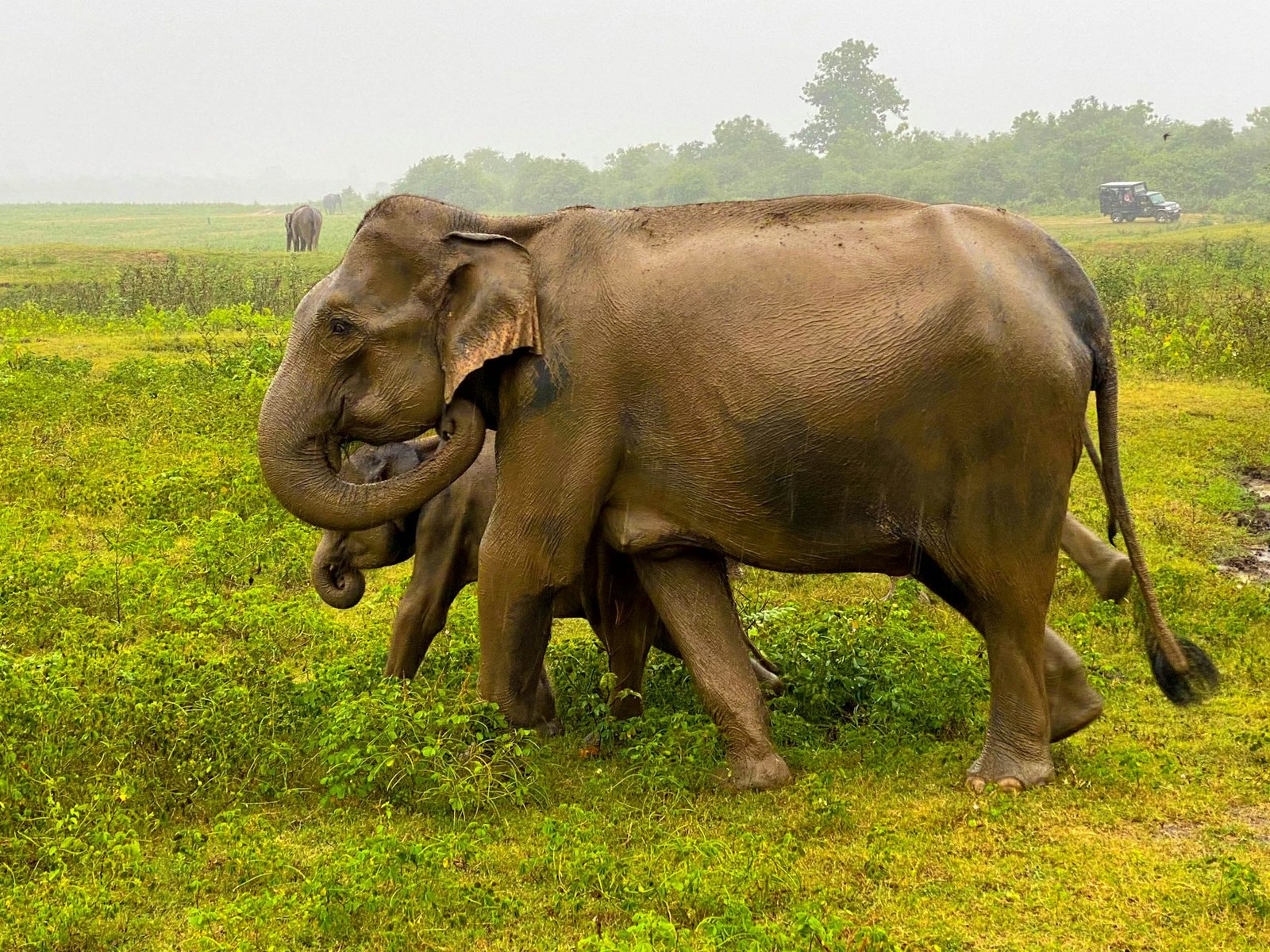
  • Mauritius Beyond the Resorts: Best Things to Do on a Real Budget

    Mauritius Beyond the Resorts: Best Things to Do on a Real Budget

    Mark Twain supposedly once wrote that Mauritius was made first and heaven was copied from it. Whether he really meant it or not, it’s hard to argue with the idea once you see the island from above: a green volcanic heart, surrounded by a turquoise lagoon and a ring of coral reef, with a dramatic mountain rising straight out of the sea in the southwest.

    Most people know Mauritius as a honeymoon destination full of five-star resorts. Those exist, and some are wonderful. But Mauritius is also a real country with a fascinating mix of cultures, cheap and delicious street food, public beaches that anyone can use, and a surprising amount of adventure: hiking, waterfalls, kitesurfing, diving and sailing.

    This guide shows you how to see the best of Mauritius on a realistic budget: where to stay, how to get around, the best things to do on land and in the water, and what a trip really costs.

    Mauritius at a Glance

    • Where: an island in the Indian Ocean, about 2,000 km off the southeast coast of Africa, east of Madagascar
    • Currency: Mauritian rupee (MUR). One US dollar is roughly 45 to 47 rupees
    • Airport: Sir Seewoosagur Ramgoolam International Airport (MRU) in the southeast
    • Languages: English and French are widely spoken, while most locals speak Mauritian Creole among themselves
    • Entry: many nationalities, including travellers from the EU, the UK, the US, Canada and Australia, can visit visa-free for short stays
    • Best time: May to December for dry, sunny weather
    • Budget: around $60 to $90 a day for budget travellers, $120 to $220 for a comfortable mid-range trip

    A Fascinating Mix of Cultures

    Mauritius had no native population. The Dutch, the French and the British each controlled the island at different times, and over the centuries enslaved people from Africa and Madagascar, indentured workers from India and traders from China all came here. Today their descendants live side by side, and the result is one of the most diverse and peaceful societies in the world.

    You’ll see it everywhere: in the Hindu temples, mosques, churches and Chinese pagodas, in the festivals throughout the year and above all in the food. A plate of street food in Mauritius can combine Indian spices, French technique and Chinese noodles in one bite.

    When to Go

    Mauritius has two main seasons.

    Winter (May to October) is dry, sunny and pleasantly warm, with daytime temperatures of around 24 to 27 degrees Celsius. It’s perfect for hiking and sightseeing. The east coast can be windy, which kitesurfers love.

    Summer (November to April) is hotter and more humid, with temperatures above 30 degrees. The sea is warmest and calmest for diving and snorkelling. January to March is the rainy season and also brings the risk of cyclones.

    The best months for most travellers are May, June, September, October and November: great weather, fewer crowds and better prices than around Christmas and in the European summer holidays.

    Entry Rules and Tourist Fee

    Many nationalities can enter Mauritius visa-free for short stays. You’ll need a return ticket, proof of accommodation and a passport valid for at least six months. Check the current rules for your nationality before you travel.

    Since October 2025, visitors aged 12 and over pay a tourist fee of €3 per person per night. It’s collected by your hotel, guesthouse or villa, so you don’t need to arrange anything in advance.

    Where to Stay

    Each coast of Mauritius has its own character.

    West Coast: Flic en Flac and Tamarin

    The west coast is the sunniest and driest part of the island, with calm water and the best sunsets. Flic en Flac has one of the longest beaches on the island, a relaxed atmosphere and plenty of affordable apartments and guesthouses. Tamarin and Black River are quieter and perfect for dolphin trips and hikes.

    Beach at Flic en Flac on the west coast of Mauritius

    North: Grand Baie and Pereybère

    The north is lively, with restaurants, bars, shopping and lots of boat trips. Grand Baie is the busiest town for tourists, while Pereybère next door has a lovely small public beach and good-value guesthouses. It’s a great base if this is your first visit.

    East Coast: Belle Mare and Trou d’Eau Douce

    The east coast has long white beaches, many of the big resorts and the famous Île aux Cerfs. It’s breezier in winter, which keeps the heat down. Trou d’Eau Douce is a small fishing village with boats to the islands and a more local feel.

    South: Le Morne and Blue Bay

    The south is the wildest part of the island. Le Morne has a stunning peninsula with a mountain, a world-famous kitesurfing lagoon and some of the most beautiful beaches. Blue Bay near the airport has a protected marine park with excellent snorkelling.

    Our tip: stay in two different areas, for example the west and the south, to see more of the island without spending hours in the car every day.

    Getting Around

    • Rental car: the easiest way to explore. Mauritius drives on the left. Roads are good but narrow in places, and traffic around the capital Port Louis can be heavy
    • Buses: cheap and cover the whole island, but they’re slow and stop running in the early evening
    • Taxis: agree on the price before you get in. Many guesthouses can arrange a driver for a full-day tour of the island
    • Scooters: possible, but the roads aren’t always easy for beginners

    Things to Do in Mauritius

    Here are the experiences we think are worth your time and money.

    1. Hike Le Morne Brabant

    Le Morne Brabant is the iconic mountain on the southwest tip of the island, rising 556 metres above the lagoon. It’s a UNESCO World Heritage Site, because in the 18th and 19th centuries, escaped enslaved people hid in its caves and on its summit. It’s a powerful symbol of the fight for freedom.

    The hike to the viewpoint takes around three to four hours return. The first part is an easy walk through the forest, while the last section is a steep scramble over rocks, sometimes using your hands. The view over the lagoon and the famous “underwater waterfall” (an optical illusion created by sand and silt flowing off the edge of the reef) is breathtaking. Start early to avoid the heat, and consider a local guide for the upper part.

    View of the ocean and lagoon from Le Morne Brabant, Mauritius

    2. Explore Chamarel and the Seven Coloured Earth

    In the green hills of the southwest, the village of Chamarel is home to one of the island’s most famous sights: the Seven Coloured Earth, small dunes of volcanic sand in shades of red, brown, violet, green, blue and yellow. The colours come from minerals in the volcanic rock, and the sand never mixes, even after heavy rain.

    The same park has giant tortoises and a viewpoint over the Chamarel Waterfall, which plunges about 100 metres into the forest. Entry costs a small fee. Afterwards, visit the Rhumerie de Chamarel, a rum distillery with tastings, or have lunch at one of the restaurants with views over the hills.

    Seven Coloured Earth sand dunes in Chamarel, Mauritius

    3. Visit Black River Gorges National Park

    Black River Gorges National Park protects most of the island’s remaining native forest. It has more than 60 km of trails, from short walks to viewpoints to full-day hikes. Look out for the rare pink pigeon and the Mauritius kestrel, which were both nearly extinct a few decades ago.

    The viewpoints at Gorges Viewpoint and Alexandra Falls are easy to reach by car and offer amazing views of the forest and the coast. Entry to the park is free.

    Waterfall in the green forest of Mauritius

    4. Sail on a Catamaran to Île aux Cerfs

    The classic day trip in Mauritius is a catamaran cruise to Île aux Cerfs, a small island off the east coast with white beaches and a turquoise lagoon. Most tours include snorkelling stops, a barbecue lunch on board and a visit to a waterfall at Grand River South East.

    On the west coast, catamaran trips sail along the coast to the Benitiers Island and the Crystal Rock, often with a chance to see dolphins on the way. Shared catamaran trips are mid-range in price and usually include lunch and drinks. Choose a smaller boat if you prefer a calmer atmosphere.

    Sailboat in the lagoon with mountains behind, Mauritius

    5. Snorkel at Blue Bay Marine Park

    Blue Bay Marine Park in the southeast is the best place for snorkelling in Mauritius. The protected lagoon has clear, shallow water and healthy coral gardens full of colourful fish. You can snorkel from the beach, but a short glass-bottom boat tour takes you to the best spots in the middle of the park.

    Please don’t feed the fish, and never stand on or touch the coral. Some boat operators still offer bread to attract fish, but it’s bad for the fish and the reef.

    Fish in the clear water of Blue Bay Marine Park, Mauritius

    6. Dive the Reefs

    Mauritius is surrounded by a coral reef, and there are excellent dive sites all around the island. Highlights include the Cathedral cave near Flic en Flac, with light beams shining through the ceiling, shipwrecks in the north, and the turtles, rays and moray eels of the west coast. Dive centres offer beginner courses and guided dives at mid-range prices.

    7. See Dolphins on the West Coast

    Wild spinner and bottlenose dolphins live in the bays off Tamarin and Black River on the west coast. Early-morning boat trips take visitors out to see them. Some tours allow you to swim with the dolphins, but this has become controversial, because too many boats and swimmers stress the animals. If you go, choose an operator that keeps its distance, limits the number of boats and doesn’t chase the dolphins. Watching them from the boat is just as magical.

    Between July and October, humpback whales also pass the west coast on their migration, and responsible whale-watching trips are available.

    8. Kitesurf in Le Morne

    The lagoon at Le Morne is one of the most famous kitesurfing spots in the world, with steady trade winds from around May to November. Several schools offer beginner courses, and the shallow water inside the reef makes it a good place to learn. Experienced riders head out to the legendary wave called “One Eye” on the reef.

    9. Discover Port Louis

    The capital, Port Louis, is busy, chaotic and full of character. Walk through the Central Market, full of tropical fruit, spices and street food stalls, visit the colourful Chinatown and the historic Aapravasi Ghat, a UNESCO site where hundreds of thousands of indentured workers from India first arrived. The modern Caudan Waterfront has shops, cafés and the Blue Penny Museum, home to two of the rarest stamps in the world.

    10. Visit the Botanical Garden in Pamplemousses

    The Sir Seewoosagur Ramgoolam Botanical Garden in Pamplemousses is one of the oldest botanical gardens in the Southern Hemisphere. Its most famous sight is the pond full of giant Victoria water lilies, whose leaves can grow up to two metres across. You’ll also find spice trees, palms of every kind and giant tortoises. A guide brings the garden to life and is worth the small extra cost.

    Eating on a Budget

    Mauritian food is one of the great joys of the island, and the best of it is cheap. Look out for:

    • Dholl puri: thin flatbreads filled with split peas, served with curry, pickles and chutney. The island’s favourite street food, usually costing just a few rupees
    • Gâteaux piments: little chilli and split pea fritters, perfect as a snack
    • Mine frite and boulettes: Chinese-Mauritian fried noodles and dumplings
    • Rougaille: a tomato-based Creole sauce, served with fish, sausages or chicken
    • Fresh seafood and octopus curry in the coastal villages

    Look for the street food stalls and small roadside snack shops (called “snacks” locally). A filling lunch can cost just a few dollars. Restaurants in the resorts and tourist areas are much more expensive. Supermarkets are well stocked if you stay in an apartment with a kitchen.

    Where to Stay on a Budget

    You don’t need to stay in a five-star resort to enjoy Mauritius. Guesthouses and holiday apartments are common, especially in Flic en Flac, Pereybère, Grand Baie and Trou d’Eau Douce. Expect around $40 to $90 a night for a comfortable room or apartment. Mid-range hotels often cost $100 to $200 a night, and luxury resorts start well above that.

    Remember that all beaches in Mauritius are public. Even if you stay in a cheap guesthouse, you can swim at the same beaches as the guests of the big resorts.

    What It Really Costs

    Here’s a realistic daily budget per person for a comfortable mid-range trip, not counting international flights.

    • Accommodation: $30 to $70 per person, sharing a guesthouse room or apartment
    • Food: $15 to $35 a day, mixing street food with a few restaurant meals
    • Transport: $20 to $40 a day on average, for a rental car shared between two people, or less if you use buses
    • Activities: many of the best experiences are free or cheap, like hiking, beaches and Black River Gorges. Budget for one or two bigger trips, such as a catamaran cruise or a dive

    That works out to around $80 to $170 per person per day. Add the tourist fee of €3 per person per night.

    A Sample 10-Day Itinerary

    Days 1 to 4: West coast, based in Flic en Flac or Tamarin. Hike Le Morne, visit Chamarel and the Seven Coloured Earth, explore Black River Gorges, and take an early-morning dolphin-watching trip.

    Days 5 to 7: North, based in Pereybère or Grand Baie. Visit Port Louis and the Pamplemousses Botanical Garden, and take a catamaran trip along the coast.

    Days 8 to 10: East or south coast. Take a catamaran to Île aux Cerfs, snorkel in Blue Bay Marine Park and relax on the beach before your flight.

    Practical Tips

    • Drive on the left, and watch out for pedestrians, dogs and buses on narrow roads
    • Plugs: Mauritius uses both the British three-pin plug (type G) and the European two-pin plug (type C). Bring an adapter
    • Sunscreen and reef protection: the sun is very strong. Use reef-safe sunscreen and a rash guard when snorkelling
    • Sea urchins: wear water shoes when walking in the lagoon
    • Cash: carry some rupees for street food, markets and small shops. Cards are accepted in most hotels and restaurants

    Booking Tips

    • Airport transfer: the airport is in the southeast, about an hour from Flic en Flac or Grand Baie. Book an airport transfer with Kiwitaxi in advance for a fixed price straight to your guesthouse
    • eSIM: install a Yesim eSIM before you fly, so you have data for maps and driving directions in Mauritius from the moment you land
    • Tours: popular options include a catamaran cruise to Île aux Cerfs, a dolphin-watching trip from Tamarin, a guided Le Morne hike and a south-west tour to Chamarel. You can compare and book most of them on Klook

    Final Thoughts

    Mauritius is often treated as a place to lie by the pool for a week. That’s fine, and it’s a great place to relax. But if you leave the resort, you’ll discover a much richer island: mountains with a powerful history, rainforest waterfalls, rainbow-coloured earth, bustling markets and some of the best street food in the Indian Ocean.

    Stay in a guesthouse, rent a car, eat dholl puri at a roadside stall and spend your money on one or two great days on the water. You’ll see the real Mauritius, and you might just agree with Mark Twain.

    Prices checked in October 2026. Costs and opening times change, so always confirm before you book.